

Now Reading: Your Complete Guide to Buying and Storing a Cord of Firewood
-
01
Your Complete Guide to Buying and Storing a Cord of Firewood

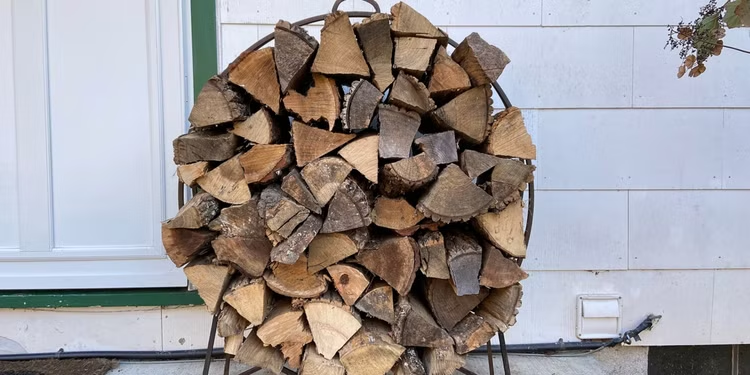
Heating your home with a wood stove or enjoying a cozy fireplace brings a unique kind of comfort. But before you can enjoy the warmth, you need to secure your fuel. This often leads to the question: how much wood do I actually need? The most common unit of measurement for firewood is the cord of firewood, but it can be a confusing term if you’re new to buying wood. This guide will break down everything you need to know, from what a cord is to how to stack and store it properly. We’ll demystify the process so you can confidently purchase the right amount of wood to last you through the season.
Key Takeaways
- A full cord of firewood is a specific, legally defined volume of wood measuring 128 cubic feet.
- The dimensions of a standard, tightly stacked cord are typically 4 feet high, 4 feet deep, and 8 feet long.
- Be aware of unofficial terms like “face cord” or “rick,” which represent smaller, non-standardized amounts of wood.
- When buying a cord of firewood, always verify the quantity by measuring the stack and ensure the wood is seasoned for a clean, efficient burn.
- Proper storage is crucial for maintaining the quality of your firewood and preventing pests. Stack your wood off the ground in a well-ventilated area with a top cover.
What Exactly is a Cord of Firewood?
When you buy a cord of firewood, you’re purchasing a specific volume of wood, not a certain weight or number of logs. A full cord is a legally defined measurement in most states, ensuring that consumers get what they pay for. The total volume of a standard cord is 128 cubic feet. To visualize this, imagine a tightly stacked pile of wood that measures 4 feet high, 4 feet deep, and 8 feet long. The math is simple: 4 ft x 4 ft x 8 ft = 128 cubic feet.
It’s important to note the phrase tightly stacked. The measurement includes the wood and the air space between the logs. A loosely thrown pile of wood will take up more space but will not equal a full cord of firewood. Honest sellers will stack the wood neatly so you can easily measure it and confirm the volume. This standardization protects you as a buyer and ensures fairness in the marketplace. Whether you’re a seasoned wood-burner or just starting, understanding this basic measurement is the first step to a successful purchase.
Understanding Different Firewood Measurements
While the cord of firewood is the official standard, you will likely encounter other terms used by sellers. These terms are often regional and, critically, are not legally defined measurements. This can lead to confusion and a bad deal if you’re not careful.
The Full Cord: The Official Standard
As we’ve covered, the full cord is your benchmark. It contains 128 cubic feet of neatly stacked wood. When a seller advertises a “cord,” they should be selling you this exact volume. Always assume you are discussing a full cord unless specified otherwise, and don’t hesitate to ask for clarification. Purchasing a full cord of firewood is often the most economical choice for those who rely on wood as a primary heat source, as buying in bulk typically offers a better price per log.
Face Cord vs. Full Cord: What’s the Difference?
Here is where things get tricky. A “face cord,” also sometimes called a “rick,” is a common but unofficial term. A face cord is a stack of wood that is 4 feet high and 8 feet long, but it’s only one log deep. The depth depends on the length of the logs themselves, which are typically cut to 12, 16, or 24 inches.
So, a face cord of 16-inch logs would have a volume of: 4 ft (height) x 8 ft (length) x 1.33 ft (depth) = approximately 42.6 cubic feet. This is only one-third of a full cord of firewood. If the logs were 24 inches long, the face cord would be half of a full cord. Because there’s no standard log length, the volume of a “face cord” can vary dramatically. Always clarify the log length and total volume before buying.
How Many Ricks are in a Cord?
The number of ricks (or face cords) in a full cord of firewood depends entirely on the length of the wood being sold.
- If the logs are 16 inches long, you would need three ricks to make a full cord.
- If the logs are 24 inches long, you would need two ricks.
- If the logs are 12 inches long, you would need four ricks.
Because of this variability, it’s always safer to buy wood based on the official measurement of a full cord. If a seller only uses the term “rick,” ask for the dimensions of the stack (height, length, and log depth) so you can calculate the cubic footage yourself and compare prices accurately.
How to Measure a Cord of Firewood Accurately
You don’t need to be a math expert to ensure you’re getting a fair deal. Verifying the amount of wood you receive is a simple process that only requires a tape measure. When your cord of firewood is delivered, it should be stacked in a neat, straight-sided pile. If the seller delivers it in a loose pile, you should stack it yourself before paying to confirm the volume.
First, measure the height of the stack in feet. Next, measure the length of the stack. Finally, measure the depth. For a standard cord, this is typically the length of the logs themselves, which is usually 4 feet. Multiply these three numbers together: Height (ft) x Length (ft) x Depth (ft) = Total Cubic Feet.
For example, if your stack measures 4 feet high, 8 feet long, and 4 feet deep, you have 128 cubic feet—a perfect full cord. If the pile is irregularly shaped, you can take several measurements at different points and average them to get a more accurate estimate. Taking a few minutes to measure your delivery builds confidence and ensures you receive the full amount of wood you paid for.
Factors Affecting the Price of a Cord of Firewood
The cost of a cord of firewood isn’t a fixed number. It can fluctuate significantly based on several key factors. Understanding these variables will help you budget appropriately and find the best value for your money.
Type of Wood: Hardwood vs. Softwood
The species of tree the wood comes from is one of the biggest price drivers. Firewood is generally categorized as either hardwood or softwood.
- Hardwoods: Woods like oak, maple, hickory, and ash are dense and heavy. They burn hotter, longer, and produce less smoke and creosote than softwoods. Because of these superior qualities, a cord of firewood made from hardwoods is almost always more expensive. It’s the preferred choice for home heating.
- Softwoods: Woods like pine, fir, and spruce are less dense. They ignite easily and are great for starting fires or for outdoor campfires, but they burn quickly. A cord of softwood is cheaper, but you’ll go through it much faster for home heating.
Seasoned vs. Green Wood
“Seasoned” wood has been cut, split, and left to dry for at least six to twelve months. It has a low moisture content (under 20%), which allows it to burn efficiently and produce maximum heat. “Green” wood is freshly cut and has a high moisture content (50% or more). It is difficult to light, smolders, produces a lot of smoke, and can create dangerous creosote buildup in your chimney.
A cord of firewood that is properly seasoned will cost more than green wood because of the time and storage space the seller has invested in the drying process. While buying green wood is cheaper upfront, you’ll have to season it yourself, which requires space and patience. For immediate use, seasoned wood is the only practical option.
Delivery and Stacking Fees
The advertised price for a cord of firewood might not be the final price. Many suppliers charge extra for delivery, with the fee often depending on how far they have to travel. Some may offer free delivery within a certain radius. Additionally, some companies will offer to stack the wood for you at your home for an additional fee. While this can be a convenient, time-saving service, it will add to your overall cost. Always ask about delivery and stacking fees upfront so there are no surprises when it’s time to pay.
|
Factor |
Description |
Impact on Price |
|---|---|---|
|
Wood Type |
Hardwoods (oak, maple) burn longer and hotter than softwoods (pine, fir). |
Hardwood is more expensive. |
|
Seasoning |
Seasoned (dry) wood is ready to burn, while green (wet) wood is not. |
Seasoned wood costs more. |
|
Log Size |
Custom-cut or shorter logs may cost more due to extra labor. |
Standard sizes are cheaper. |
|
Delivery |
Fees may apply based on distance from the supplier. |
Increases the total cost. |
|
Stacking |
Some suppliers offer stacking services for an additional charge. |
Increases the total cost. |
How to Choose the Best Type of Firewood
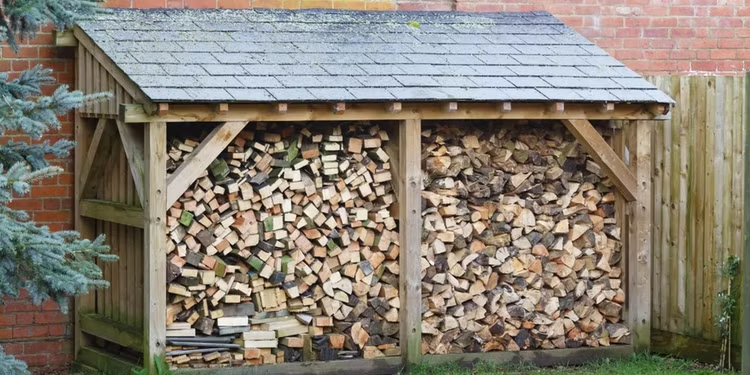
Not all firewood is created equal. The type of wood you choose for your cord of firewood will directly impact your experience, from how easy it is to start a fire to how much heat it produces and how long it burns. For home heating, you want a wood that offers high heat output and a long, clean burn.
Top Hardwoods for Burning
Hardwoods are the gold standard for firewood due to their density. A dense log contains more wood fiber, which translates to more fuel to burn. This means you get more BTUs (British Thermal Units, a measure of heat energy) per log.
- Oak: A very dense wood that provides a hot, long-lasting fire. It needs to be well-seasoned (sometimes up to two years) but is one of the best choices for overnight heating.
- Hickory: One of the hottest-burning woods available. It’s extremely dense and provides excellent coals, but it can be more expensive.
- Maple: A great all-around firewood that is dense, burns hot, and is relatively easy to split.
- Ash: Often considered a top-tier firewood because it has a lower moisture content even when green and seasons faster than other hardwoods. It’s easy to split and burns very well.
Woods to Avoid for Indoor Fireplaces
While you can technically burn any untreated wood, some types are highly undesirable for indoor use. A cord of firewood made from these woods would be a poor investment.
- Green Wood: As mentioned, burning unseasoned wood is inefficient and dangerous. It creates excessive smoke and creosote, a flammable tar-like substance that can coat the inside of your chimney and lead to a chimney fire.
- Softwoods (for primary heat): Woods like pine and spruce contain a lot of resin, which can cause crackling, popping, and also contribute to creosote buildup. They burn very quickly, meaning you’ll be constantly feeding the fire.
- Treated or Painted Wood: Never burn wood that has been pressure-treated, painted, stained, or glued (like particleboard or MDF). These materials release toxic chemicals when burned, which are hazardous to your health and the environment.
Tips for Buying Your First Cord of Firewood
Purchasing a cord of firewood can feel intimidating if you’ve never done it before. However, with a little knowledge, you can make a smart purchase and avoid common pitfalls. The goal is to get high-quality, well-seasoned wood at a fair price.
First and foremost, buy from a reputable seller. Ask for recommendations from neighbors or check online reviews. A trustworthy dealer will be transparent about their prices, wood type, and measurements. They should be able to answer your questions about how long the wood has been seasoned. For a more comprehensive look at sustainable practices and responsible sourcing, you can find useful insights from resources like those at forbesplanet.co.uk.
Second, inspect the wood before you buy. If possible, visit the supplier to see the wood yourself. Seasoned wood should look grayish in color, feel lighter than you’d expect, and have cracks (called “checks”) on the ends of the logs. When you knock two pieces together, they should make a sharp “clack” sound, not a dull “thud.” Avoid wood that looks fresh, has vibrant color, or feels heavy and damp. If you can’t inspect it beforehand, do so upon delivery before you hand over any money. Don’t be afraid to reject a delivery of green or poor-quality wood.
How to Properly Stack and Store a Cord of Firewood
Once you have your cord of firewood delivered, your work isn’t done. Proper storage is essential to keep your wood dry, seasoned, and ready to burn. Storing it correctly also helps prevent mold, fungus, and insect infestations, which can ruin your investment.
Find the Right Location
Choose a storage spot that is away from your house. Stacking wood directly against your home can trap moisture against your siding and provide a bridge for pests like termites and carpenter ants to enter your house. A spot at least 10-20 feet from any buildings is ideal. The location should also be sunny and breezy to help the wood stay dry.
Keep it Off the Ground
Never stack your cord of firewood directly on the ground. The bottom layer will absorb moisture from the soil, leading to rot and decay. Use a firewood rack, or create a base using pallets, concrete blocks, or pressure-treated 2x4s. Elevating the stack allows air to circulate underneath, which is crucial for keeping the wood dry.
Promote Airflow
When stacking, leave space for air to move through the pile. A single row is best for drying. If you must stack multiple rows deep, leave a few inches of space between them. A crisscross pattern at the ends of the pile can help with stability and airflow. A well-ventilated stack will continue to season and will be less likely to grow mold.
Cover the Top, Not the Sides
You want to protect your wood from rain and snow, but you don’t want to trap moisture inside the pile. The best method is to cover only the top of the stack with a tarp or a purpose-built firewood cover. Let the sides remain exposed to the air and sun. If you use a tarp, make sure it only covers the top 12-18 inches of the pile and is secured against the wind, allowing moisture to escape from the sides.
How Long Will a Cord of Firewood Last?
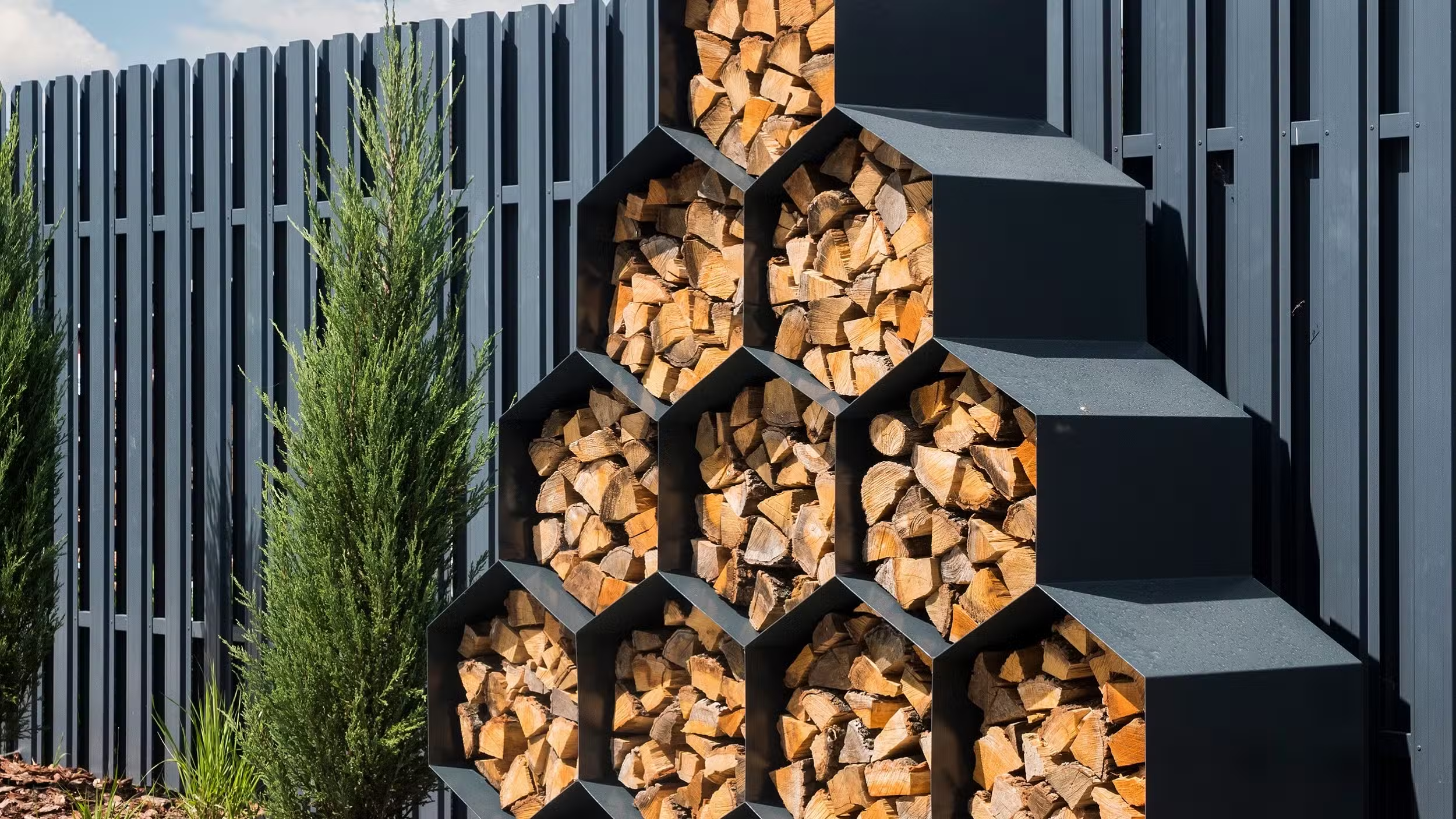
This is a common question with a very flexible answer: it depends. How long a cord of firewood lasts is influenced by many variables. For someone who only enjoys occasional weekend fires in a fireplace, a cord could easily last for several winters. However, for a household that relies on a wood stove as its primary source of heat, a single cord might only last one to two months during the coldest part of the year.
Key factors include:
- Your Climate: Colder regions with longer winters will naturally require more wood.
- Your Home’s Insulation: A well-insulated home retains heat better, meaning you’ll burn less wood.
- The Efficiency of Your Stove or Fireplace: Modern, EPA-certified wood stoves are far more efficient and use less wood than older models or open fireplaces.
- Type of Wood: A cord of firewood made of dense hardwood like oak will last significantly longer than a cord of softwood like pine.
- How often you burn: Are you burning 24/7, or just in the evenings and on weekends?
To estimate your needs, you can start by tracking your usage for a few weeks. Note how much wood you use on an average cold day. If you don’t have past experience, a common estimate for full-time heating in a cold climate is between three and six cords for a full winter season.
FAQs About a Cord of Firewood
1. How much does a cord of firewood weigh?
The weight of a cord of firewood varies greatly depending on the wood species and its moisture content. A cord of green (wet) oak can weigh over 5,000 pounds, while the same cord, once fully seasoned, might weigh around 3,500 pounds. A cord of a lighter wood like pine will weigh less.
2. Can I fit a cord of firewood in a pickup truck?
Generally, no. A standard full-size pickup truck bed (8-foot bed) can hold between a half-cord and two-thirds of a cord if stacked neatly. A short-bed truck will hold even less, typically around a third of a cord. You will likely need to make multiple trips or arrange for delivery if you are buying a full cord.
3. What’s the best time of year to buy firewood?
The best time to buy firewood is in the late spring or early summer. This gives you plenty of time to stack and store the wood, allowing it to season further before the cold weather arrives. Buying off-season can also sometimes save you money, as demand is lower. Waiting until the fall often means higher prices and lower availability of high-quality, seasoned wood.
4. How can I tell if firewood is seasoned?
There are several indicators of properly seasoned wood. The logs will be grayish and faded, not bright with fresh-cut color. They will feel relatively light for their size. Look for cracks or “checks” spreading from the center on the ends of the logs. When you hit two pieces together, you should hear a hollow, ringing sound. Finally, you can use a moisture meter for a precise reading; seasoned wood should have a moisture content below 20%.
5. Is it cheaper to buy a cord or a smaller amount?
Buying a full cord of firewood is almost always more economical than buying smaller quantities like a face cord or bundles. Suppliers offer a better price per unit for bulk purchases. If you have the space to store it and will use the wood, buying a full cord offers the best value.
In conclusion, understanding the specifics of a cord of firewood is key to efficiently and economically heating your home or enjoying your fireplace. By knowing the correct measurements, recognizing the difference between wood types, and asking the right questions, you can ensure you are making a wise purchase. Proper stacking and storage will protect your investment and provide you with high-quality fuel all winter long. For further reading on the history and various units of measurement used for wood, a great deal of information is available through resources like Wikipedia. Remember that a little knowledge and preparation go a long way in the world of firewood.
Related Posts



Stay Informed With the Latest & Most Important News
Previous Post
Next Post










Advertisement