

Now Reading: Your Complete Guide to Using Mypennmedicine for Better Healthcare
-
01
Your Complete Guide to Using Mypennmedicine for Better Healthcare

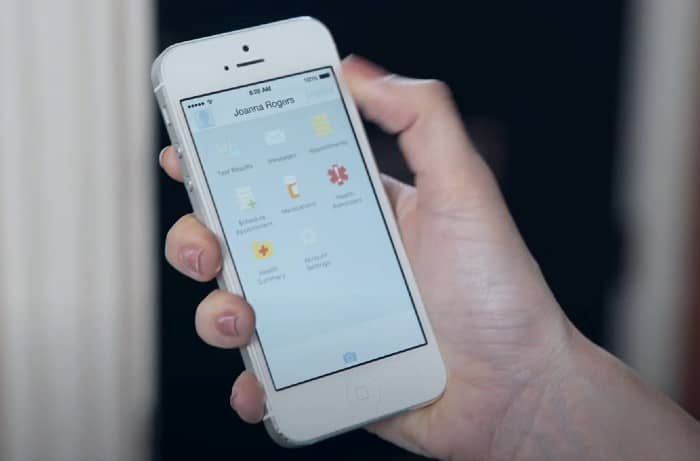
Managing your health appointments, test results, and doctor communications used to mean long phone calls and waiting on hold. Today, patient portals like mypennmedicine have changed the game completely. Whether you are a long-time patient at Penn Medicine or someone new to the system, understanding how to use this powerful digital tool can save you time and stress.
This guide will walk you through everything you need to know about accessing your records, scheduling visits, and communicating with your care team. We will break down the features that make this portal essential for modern healthcare management, ensuring you feel confident navigating your medical journey.
Key Takeaways
- Mypennmedicine is a secure online portal that connects patients directly to their electronic health records.
- You can use the platform to schedule appointments, view test results, and request prescription refills.
- The system is accessible via desktop computers and mobile apps, making healthcare management convenient.
- Security is a top priority, ensuring your private health data remains protected.
- Proxy access allows caregivers and parents to manage health information for loved ones.
What Is Mypennmedicine and Why Should You Use It?
The mypennmedicine portal is a free, secure online tool provided by Penn Medicine to help patients manage their healthcare information. Think of it as your personal health dashboard. Instead of having your medical history scattered across paper files in different offices, everything is centralized in one digital location. It is designed to give you direct access to the clinical data that your doctors see, fostering a more transparent relationship between you and your providers.
Using this portal empowers you to take an active role in your well-being. You no longer have to wait for a letter in the mail to see your blood work results or call the office during business hours just to ask a simple question. With mypennmedicine, the information is available 24/7. This accessibility is crucial for people with chronic conditions who need to track their health metrics closely, but it is equally useful for anyone who wants to stay organized with their annual check-ups and vaccinations.
How Does It Connect to Your Doctor?
The system is directly linked to the electronic health record (EHR) system used by Penn Medicine facilities. When your doctor updates your chart after a visit, that information flows into the portal. This seamless integration means that the list of medications you see on your screen is the same list your cardiologist or primary care physician sees. It reduces errors and ensures everyone is on the same page regarding your treatment plan.
Furthermore, the connection isn’t just one-way. You can send messages directly to your care team through the portal. These aren’t urgent messages (you should always call 911 for emergencies), but they are perfect for non-urgent questions about side effects, clarifications on instructions, or updates on how you are feeling. This direct line of communication strengthens the patient-provider bond and often saves you an unnecessary trip to the office.
Getting Started: How to Sign Up for Mypennmedicine
Creating an account is the first step toward better health management. The process is designed to be straightforward, but it requires specific information to verify your identity and protect your privacy. Most patients receive an activation code during a clinic visit or on their “After Visit Summary.” If you have this code, the sign-up process takes just a few minutes. You simply enter the code, your date of birth, and follow the prompts to create a username and password.
If you do not have an activation code, don’t worry. You can still sign up online. You will need to provide personal details that match what is on file at Penn Medicine, such as your name, address, date of birth, and potentially your social security number or medical record number. This strict verification process is necessary to ensure that you—and only you—gain access to your sensitive medical records. Once the system verifies your identity, you will be able to set up your login credentials immediately.
Tips for Creating a Secure Password
Because mypennmedicine contains sensitive health data, your password needs to be strong. Avoid using easily guessable information like birthdays or pet names. Instead, use a mix of uppercase and lowercase letters, numbers, and special symbols. It is also a good practice to change your password periodically. Remember, treating your medical login with the same security as your bank account is vital for protecting your privacy.
After you have set up your account, you should also review your contact information. Ensure your email address and phone number are current so you receive notifications when new test results arrive or when you have a new message from your doctor. Keeping your profile updated ensures you never miss important alerts regarding your health.
Navigating the Dashboard Features
Once you log in, the dashboard serves as your home base. It is designed to be user-friendly, with clear icons and menus that guide you to different sections. The main page usually highlights the most urgent or relevant information, such as upcoming appointments, new messages, or recent test results. This “at-a-glance” view helps you prioritize what needs your attention right away.
You will typically see a menu bar that includes options like “Visits,” “My Health,” “Messaging,” and “Billing.” Clicking on “Visits” will show you your past and future appointments. The “My Health” section is where you dig into the clinical details, including your medication list, allergies, and immunization history. Familiarizing yourself with this layout early on makes it much easier to find what you need when you are in a hurry or feeling unwell.
Using the Search Function
If you cannot find a specific feature, the search bar is your best friend. You can type in keywords like “vaccine,” “bill,” or “appointment” to quickly locate the right page. This is particularly helpful because the portal has many features, and sometimes specific tools might be tucked away under sub-menus. The search function saves time and reduces frustration, making the mypennmedicine experience smoother for users of all technical skill levels.
Scheduling Appointments Made Easy
One of the most popular features of mypennmedicine is the ability to schedule appointments online. Gone are the days of playing phone tag with receptionists. Now, you can browse available time slots for your primary care provider or certain specialists and book a time that works for your schedule. This feature is available 24 hours a day, so if you remember at midnight that you need a check-up, you can book it right then.
You can also use the portal to cancel or reschedule existing appointments. Life happens, and sometimes you can’t make a scheduled visit. Being able to cancel online opens up that slot for another patient who might need it. Just be sure to check the cancellation policy, as some clinics require a certain amount of notice to avoid fees. The flexibility of self-scheduling gives you control over your calendar and makes maintaining regular healthcare visits less of a chore.
Ticket Scheduling for Tests
Sometimes, a doctor will place an order for a test, like a mammogram or a specific lab draw, and you will receive a “scheduling ticket” in your portal. This ticket alerts you that it is time to book that specific service. You simply click on the ticket, and it takes you directly to the scheduling page for that specific test, showing you locations and times available. It streamlines the process significantly, ensuring you don’t forget important screenings.
Accessing Your Test Results Quickly
Waiting for test results can be anxiety-inducing. With mypennmedicine, you often see your results as soon as they are finalized by the lab. This includes blood tests, pathology reports, and imaging results. In many cases, you might see the results before your doctor has had a chance to review them and call you. This transparency is empowering, but it also means you might see medical terminology you don’t understand immediately.
The portal often provides reference ranges for lab tests, showing you what is considered “normal” and highlighting anything that is out of range. If you see a result that concerns you, try not to panic. Often, a number slightly outside the normal range is not a cause for alarm. You can write down your questions and send a message to your doctor asking for their interpretation of the results.
Understanding “Released” Results
It is important to know that thanks to the Cures Act, most results are released immediately. This means you get real-time data. However, for sensitive tests, such as biopsies or genetic testing, some patients prefer to wait for a call from their doctor to have a professional explain the findings first. If you know you would prefer to hear from a human first, discuss this with your doctor beforehand so you can decide whether to check your mypennmedicine alerts immediately or wait for their call.
Managing Your Medications

Keeping track of prescriptions can be difficult, especially if you take multiple medications. The portal provides a centralized list of all your current active medications. You can review dosages, instructions, and the prescribing doctor for each item. This list is incredibly useful to have on hand during emergency room visits or when seeing a specialist outside the Penn Medicine network, as you can simply show them your phone.
Refilling prescriptions is another major convenience. Instead of calling the pharmacy or the doctor’s office, you can request a refill directly through the “Medications” tab. You select the drug you need, choose your preferred pharmacy, and click submit. The request goes to your doctor for approval and then to the pharmacy. You can track the status of the request online, so you know exactly when it has been processed.
|
Feature |
Traditional Method |
Mypennmedicine Method |
|---|---|---|
|
Refills |
Call doctor, wait for call back |
Click “Request Refill” online |
|
Med List |
Carry paper list or memorize |
Always available on app/web |
|
Dosage Info |
Read tiny print on bottle |
Read clear text on screen |
|
Pharmacy |
Call to update pharmacy info |
Select preferred pharmacy in profile |
Secure Messaging with Your Care Team
The messaging feature in mypennmedicine is like email, but secure and directly integrated into your medical record. You can use this to ask non-urgent medical questions, request referrals, or clarify instructions from a recent visit. It allows you to communicate thoughts that might not require a full appointment but are too complex to ignore.
When you send a message, it may be routed to a nurse or medical assistant first, who can often answer routine questions or forward the message to the doctor if necessary. This triage system ensures you get a quicker response. Most practices aim to respond within 1-2 business days. It is important to be concise and clear in your messages to help the team assist you efficiently.
When NOT to Use Messaging
Never use the messaging feature for emergencies. If you are experiencing chest pain, difficulty breathing, severe bleeding, or any other life-threatening symptom, call 911 or go to the nearest emergency room immediately. The portal is not monitored 24/7 for urgent clinical issues. Also, complex new symptoms usually require an appointment rather than a message exchange, as the doctor needs to examine you physically to make a proper diagnosis.
Paying Bills and Managing Insurance
Healthcare billing can be confusing, but the portal attempts to simplify the financial side of your care. You can view your current balance, see a breakdown of charges for specific visits, and make payments online using a credit card or bank account. The system creates a digital paper trail of your payments, which is helpful for tax purposes or budgeting.
You can also update your insurance information through the portal. If you get a new insurance card, you can upload a photo of the front and back of the card directly to mypennmedicine. This saves time at the front desk during your next check-up and ensures that your claims are billed correctly from the start.
Paperless Billing Options
For those who want to reduce clutter and help the environment, you can opt for paperless billing. Instead of receiving a statement in the mail, you will get an email or push notification when a new bill is ready to view. This is not only eco-friendly but also adds a layer of security, preventing your billing statements from being lost or stolen from your physical mailbox.
Mobile Access: The Mypennmedicine App
While the desktop website is comprehensive, the mobile app brings the power of mypennmedicine to your pocket. Available for both iOS and Android devices, the app (often accessed through the generic “MyChart” app by selecting Penn Medicine as your provider) allows you to manage your health on the go. You can check in for appointments while walking from the parking lot, view test results while traveling, or pay a bill while waiting in line at the grocery store.
The app often utilizes biometric login features, like FaceID or fingerprint recognition, making it both secure and quick to access. You don’t have to type in your complex password every single time. Push notifications on your phone also ensure you never miss an alert about a new result or an upcoming appointment reminder.
Key Mobile Features
- eCheck-In: Complete forms, verify meds, and pay copays before you arrive.
- GPS Directions: Get directions to your clinic directly from the appointment details.
- Track My Health: Sync with fitness trackers to send data like blood pressure or steps to your doctor.
- Virtual Visits: Launch video visits directly from the app interface.
Proxy Access for Families and Caregivers
Healthcare is often a family affair. Mypennmedicine allows for “proxy access,” which means you can grant a family member or caregiver access to your medical records. This is incredibly useful for adult children caring for aging parents, or for spouses who help manage each other’s healthcare logistics. The patient must explicitly grant this permission, ensuring that they retain control over who sees their private information.
For parents of minor children, proxy access is essential. It allows parents to schedule appointments, view immunization records, and message pediatricians on behalf of their children. As children grow older (usually starting around age 12-13), the level of access a parent has may change to respect the adolescent’s growing privacy rights under state and federal laws.
Video Visits and Telehealth Integration
The rise of telehealth has made seeing a doctor more convenient than ever, and mypennmedicine is the hub for these virtual interactions. You can schedule video visits for many types of concerns, such as follow-ups, mental health consultations, or minor illnesses. When it is time for your appointment, you simply log in to the portal and click the link to join the video call.
This integration ensures that the video visit is secure and HIPAA-compliant. During the visit, the doctor can look at your chart in real-time, just as they would in the office. After the visit, the summary and any new instructions are saved to your portal, keeping your records seamless regardless of whether you were seen in person or online.
Updating Your Personal Information
Keeping your personal details current is vital for effective communication. Within the “Profile” or “Personal Information” section of the portal, you can update your home address, preferred pharmacy, emergency contacts, and demographic information. If you move or change phone numbers, updating it here updates it across the Penn Medicine system.
You can also use this section to update your “End of Life” planning documents or Advance Directives. Uploading these legal documents to mypennmedicine ensures that in an emergency, your care team knows your wishes regarding your medical treatment. It brings peace of mind knowing that your voice will be heard even if you cannot speak for yourself.
Troubleshooting Common Issues
Technology isn’t perfect, and you might encounter issues. A common problem is forgetting a password. The login page has a “Forgot Password” link that will guide you through resetting your credentials via email. If you get locked out after too many failed attempts, you may need to wait a short period or call the support help desk for assistance.
Another common issue is missing information. If you had a test done at a non-Penn Medicine facility, it won’t automatically appear in mypennmedicine. However, you can often link accounts from other healthcare organizations if they also use the “MyChart” system. This feature, often called “Happy Together,” allows you to see records from multiple hospital systems in a single view.
Security and Privacy Measures
Penn Medicine takes the security of your data very seriously. The mypennmedicine portal uses advanced encryption technology to ensure that your health information cannot be intercepted by unauthorized parties. The URL always starts with “https,” indicating a secure connection. Furthermore, the system automatically logs you out after a period of inactivity to prevent someone else from seeing your screen if you walk away.
You play a role in security too. Never share your password with anyone. If you need someone to help manage your care, use the official proxy access feature rather than giving them your login details. Be cautious about logging in on public computers, like at a library or hotel, and always remember to sign out completely when you are finished.
Frequently Asked Questions (FAQ)
Q: Is there a fee to use mypennmedicine?
A: No, the portal is a free service offered to all Penn Medicine patients.
Q: Can I view my child’s medical records?
A: Yes, parents can obtain proxy access for their children’s records. Access levels may change as the child reaches adolescence (usually age 12-13) to comply with privacy laws.
Q: What if I see a mistake in my medical record?
A: If you notice an error, such as an incorrect medication or allergy, you should contact your doctor’s office or use the customer service message feature within the portal to request a correction.
Q: Can I use the portal for emergency questions?
A: No. Messages sent through the portal are not monitored constantly. For emergencies, always call 911.
Q: How far back do the records go?
A: The portal displays information from the time Penn Medicine adopted their electronic health record system. Older paper records may not be visible but are stored in the hospital archives.
Conclusion: Taking Charge of Your Health
Adopting digital tools for healthcare is no longer just a convenience; it is a powerful way to advocate for your own well-being. By using mypennmedicine, you bridge the gap between doctor visits and daily life. You gain clarity on your medical history, control over your schedule, and a direct line to the experts caring for you.
Whether you are managing a complex condition or simply trying to stay on top of annual screenings, this portal puts the necessary tools right at your fingertips. We encourage you to log in, explore the features, and make the most of this resource. For more insights on leveraging technology for a better lifestyle, you can check out resources at https://forbesplanet.co.uk/.
Ultimately, your health is your most valuable asset. Utilizing mypennmedicine helps ensure that you are informed, prepared, and connected. For additional background on how electronic health records like this have evolved to support patient care, you can read more at https://en.wikipedia.org/wiki/Electronic_health_record.
Stay Informed With the Latest & Most Important News
Previous Post
Next Post











Advertisement