
Now Reading: What Is My Zip Code? A Complete Guide
-
01
What Is My Zip Code? A Complete Guide

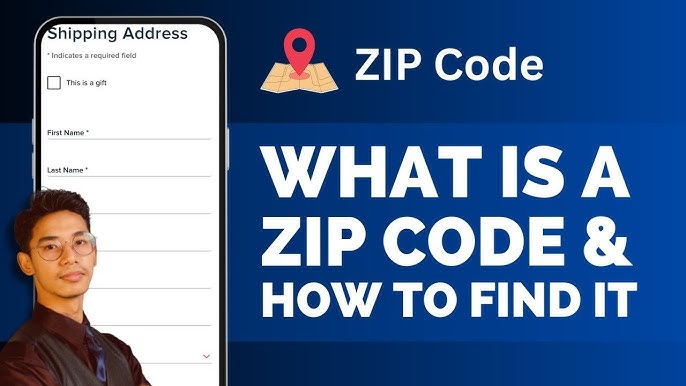
Have you ever been filling out an online form, ready to complete a purchase, only to be stopped by a required field asking for your ZIP code? Or maybe you were trying to mail a letter and realized you weren’t sure of the exact five-digit number for your destination. It’s a common situation. You might find yourself thinking, “Wait, what is my zip code?” While it seems like a simple piece of information, understanding what a ZIP code is, why it’s important, and how to find it can make many daily tasks much smoother.
This guide is here to help you with exactly that. We will explore the world of ZIP codes, from their history and structure to the various ways you can easily find yours or any other. We’ll cover everything from simple online tools to understanding the more complex ZIP+4 codes. By the end of this article, you’ll not only know how to answer the question “what is my zip code?” but also appreciate the clever system that keeps our mail and packages moving efficiently.
Key Takeaways
- A ZIP code is a postal code system used by the United States Postal Service (USPS) to route mail more efficiently.
- You can find your ZIP code using various online tools, your physical mail, or by visiting a local post office.
- ZIP codes are essential for sending and receiving mail, online shopping, and providing location data for services and analytics.
- The first digit of a ZIP code represents a general geographic area of the country, with subsequent digits narrowing down the location to a specific delivery route.
- ZIP+4 codes provide an even more specific location, often down to a city block or a single building, for improved delivery accuracy.
The History and Purpose of ZIP Codes
Before we dive into how to find your ZIP code, it’s interesting to understand why they exist in the first place. The Zone Improvement Plan, or ZIP code, was introduced by the United States Postal Service (USPS) on July 1, 1963. Before this system, mail was sorted manually, a time-consuming and labor-intensive process. As the country’s population grew and the volume of mail skyrocketed, the USPS needed a more efficient way to manage deliveries.
The introduction of the five-digit ZIP code revolutionized mail sorting. It allowed for the automation of the process, significantly speeding up delivery times and reducing errors. Each number in the code corresponds to a specific geographic location, creating a clear path for a piece of mail to travel from its sender to its recipient. The system was designed to be logical and hierarchical, making it easy for both machines and postal workers to route mail effectively. The primary purpose was, and still is, to make mail delivery faster and more reliable for everyone across the United States.
Understanding the Structure of a ZIP Code
At first glance, a ZIP code might just look like a random string of five numbers. However, there’s a highly organized system behind it. Each digit has a specific meaning that helps the USPS pinpoint a delivery address. When you ask, “what is my zip code?”, you are asking for the unique identifier that places your home or business within this national grid.
Here’s a breakdown of what each digit represents:
- The First Digit: This number identifies a general geographic area of the United States. The country is divided into 10 large groups of states, numbered from 0 in the Northeast to 9 on the West Coast. For example, ‘0’ covers states like Maine and Massachusetts, while ‘9’ covers California and Hawaii.
- The Second and Third Digits: These two digits, combined with the first, narrow the location down to a more specific region or a large city. They point to a central mail processing facility, also known as a sectional center facility (SCF), that serves a particular area.
- The Fourth and Fifth Digits: These final two digits are the most specific part of the code. They indicate a local post office or a specific delivery zone within a city. For smaller towns, these digits might point to the main post office, while in larger cities, they can specify a particular neighborhood or even a group of streets.
This structured system ensures that a letter dropped in a mailbox in Florida can be efficiently sorted and routed to a specific neighborhood in Alaska with incredible accuracy.
Why Knowing Your ZIP Code is Essential
In today’s world, knowing the answer to “what is my zip code?” is more important than ever. This simple five-digit number is a key piece of information for a wide range of activities, extending far beyond just sending and receiving mail. It has become a fundamental part of our daily digital and physical interactions.
One of the most common uses is for online shopping. E-commerce websites require your ZIP code to calculate shipping costs, estimate delivery times, and ensure your purchases arrive at the correct address. Without it, completing an online order is often impossible. Similarly, it’s crucial for personal and business correspondence. Whether you’re sending a birthday card, a bill payment, or a business proposal, the correct ZIP code ensures your mail reaches its destination without unnecessary delays. It is also used for identity verification by financial institutions and for filling out official documents like tax forms or voter registration. Your ZIP code is a simple but powerful tool for confirming you are who you say you are.
Beyond the Mail: Other Uses for ZIP Codes
The utility of ZIP codes doesn’t stop with mail and packages. Many other industries and services rely on this location data for various purposes.
- Service and Store Locators: When you search online for “restaurants near me” or the closest gas station, the search engine often uses your device’s location or a manually entered ZIP code to provide relevant results.
- Demographic and Marketing Analysis: Businesses use ZIP code data to understand local market trends, identify target audiences, and plan marketing campaigns. For instance, a company might analyze buying habits in specific ZIP codes to decide where to open a new store.
- Insurance and Risk Assessment: Insurance companies use ZIP codes to assess risk levels for auto and home insurance policies. Factors like crime rates, traffic patterns, and weather risks associated with a ZIP code can influence premiums.
- Government and Urban Planning: Local and federal agencies use ZIP code data for resource allocation, infrastructure planning, and tracking public health trends.
Top Methods to Find Your ZIP Code
Now for the main event: how do you quickly and accurately find the answer when you’re wondering, “what is my zip code?” Fortunately, there are several easy and reliable methods available to you, most of which take only a few seconds.
The easiest way for most people is to use an online ZIP code lookup tool. The official USPS website has a robust tool that allows you to find a ZIP code by address. You simply enter your street address, city, and state, and it will provide the correct five-digit ZIP code and even the corresponding ZIP+4 code. Many other mapping services and search engines offer similar functionality. A quick search for “find my zip code” will yield numerous options that can instantly give you the information you need, often using your device’s current location with your permission.
Method 1: Using an Online ZIP Code Lookup Tool
Online tools are the fastest way to solve the “what is my zip code” puzzle. They are user-friendly and accessible from any computer or smartphone.
Steps for Using the USPS Tool:
- Navigate to the official USPS “Look Up a ZIP Code” webpage.
- Click on the “Find by Address” option.
- Enter your full street address, city, and state into the provided fields.
- Click the “Find” button.
- The tool will display your full, standardized address along with the correct 5-digit and 9-digit ZIP codes.
Using the official USPS tool is highly recommended because it provides the most accurate and up-to-date information directly from the source. It also helps standardize your address to the format preferred by the postal service, which can further improve delivery reliability.
Method 2: Checking Your Existing Mail
One of the simplest, low-tech ways to find your ZIP code is to look at a piece of mail you’ve recently received. Your ZIP code is a standard part of your mailing address, and you can find it on almost any bill, bank statement, or personal letter.
Look at the address block on any official correspondence. Your full address will be printed there, and the five-digit ZIP code will be the last item on the line with your city and state. This method is incredibly straightforward and doesn’t require any technology. Just grab a recent utility bill or a magazine subscription, and your ZIP code will be right there. This is a great way to confirm your ZIP code if you’ve recently moved or are unsure if you remember it correctly. Keep a piece of mail handy near your desk or in a drawer for quick reference whenever you need it.
Method 3: Using a General Search Engine
If you don’t have a piece of mail nearby and want a quick answer, a general search engine like Google or Bing can be your best friend. These platforms are designed to provide immediate answers to common questions, and “what is my zip code” is one of them.
By simply typing “what is my zip code” into the search bar, the engine will often use your device’s location (if you have location services enabled) to display the ZIP code for your current area. Alternatively, you can type your full street address directly into the search bar. In most cases, the search engine will display a map of your location along with the complete address, including the ZIP code. This method is incredibly fast and convenient, making it a popular choice for people on the go. It’s a simple solution for a common problem, leveraging powerful technology to give you an instant result.
Method 4: Contacting Your Local Post Office
For those who prefer a more personal touch or need to resolve a more complex address issue, contacting your local post office is an excellent option. Postal employees are experts on the delivery routes in their area and can provide definitive information about your ZIP code. You can find your local post office’s address and phone number by searching online.
When you call or visit, be prepared to provide your full street address. The staff can look it up in their system and give you the correct ZIP code. This method is particularly useful if you live in a new development where the address may not yet be in all online databases, or if you have a unique address that online tools struggle to recognize. Speaking directly with a USPS employee can help clear up any confusion and ensure you have the most accurate information straight from the source that handles your mail every day.
The ZIP+4 Code Explained
You may have noticed an extra four digits appended to a ZIP code, like 12345-6789. This is known as a ZIP+4 code, and it provides an even more detailed location for mail delivery. While the standard five-digit ZIP code directs mail to a specific post office or delivery area, the additional four digits pinpoint the location even further.
The purpose of the ZIP+4 code is to increase efficiency in mail sorting and delivery. Here’s what the extra four digits typically represent:
- The Sixth and Seventh Digits: These numbers identify a specific delivery sector, such as a group of streets, a large apartment building, or a single large-volume mail recipient (like a major office building).
- The Eighth and Ninth Digits: These final two digits narrow it down even further to a delivery segment, which could be one side of a city block, a specific floor in a building, or a particular department within a company.
Using the full ZIP+4 code is not mandatory, but it is highly encouraged by the USPS. When you include it on your mail, it allows automated sorting equipment to route the letter or package with greater precision, reducing the potential for human error and speeding up the final delivery process.
Common ZIP Code Mistakes and How to Avoid Them
Even with a seemingly simple system, mistakes can happen. Using the wrong ZIP code can lead to delayed, misdelivered, or even returned mail. One of the most common errors is transposing numbers (e.g., writing 90210 as 90120). This small mistake can send your mail to an entirely different city or state. Another frequent issue is using an old ZIP code after moving. It’s crucial to update your address and verify your new ZIP code as soon as you relocate.
To avoid these problems, always double-check the ZIP code before sending mail or completing an online form. When someone asks you for your ZIP code, be sure to provide the correct one for your physical address, not a P.O. Box, unless that’s where you want the item delivered. Using the USPS ZIP Code Lookup tool is the best way to confirm an address and its corresponding code. Taking a few extra seconds to verify the information can save you from the headache of lost packages and returned letters. For important insights on business and finance matters, resources like https://forbesplanet.co.uk/ can offer valuable perspectives.
ZIP Codes Across the United States: A Regional Overview
The first digit of a ZIP code provides a fascinating glimpse into the geography of the USPS delivery network. The country is organized into 10 primary zones, starting with ‘0’ in the Northeast and moving westward.
|
First Digit of ZIP Code |
General Geographic Region |
Example States Included |
|---|---|---|
|
0 |
Northeast |
MA, VT, RI, NH, ME, CT, NJ |
|
1 |
Mid-Atlantic |
NY, PA, DE |
|
2 |
Mid-Atlantic / Southeast |
VA, WV, MD, NC, SC, Washington D.C. |
|
3 |
Southeast |
GA, FL, AL, TN, MS |
|
4 |
Midwest / Great Lakes |
IN, KY, OH, MI |
|
5 |
Upper Midwest |
IA, WI, MN, SD, ND, MT |
|
6 |
Midwest / Central Plains |
IL, MO, KS, NE |
|
7 |
South Central |
LA, TX, AR, OK |
|
8 |
Mountain West |
CO, ID, WY, AZ, NM, UT, NV |
|
9 |
West Coast & Pacific |
CA, OR, WA, AK, HI, Pacific Territories |
This table illustrates how the system logically groups states. For example, if you see a ZIP code starting with a ‘9’, you know the mail is heading to the West Coast or a Pacific territory. This initial sorting step is fundamental to how the USPS efficiently moves billions of pieces of mail across the country each year.
The Future of Postal Codes
The ZIP code system has served the United States well for over 60 years, but technology is always evolving. While the current system is not likely to be replaced overnight, the USPS is continually exploring ways to improve location intelligence. The rise of GPS technology, sophisticated mapping software, and digital addressing systems may influence the future of postal codes.
Some countries are already experimenting with dynamic or digital codes that can be more precise than traditional postal codes. These systems can pinpoint an exact entrance to a building or a specific delivery point within a large complex. As logistics and delivery services become even more automated, with the potential for drone and robot deliveries, the need for hyper-specific location data will grow. While the classic five-digit ZIP code will remain a cornerstone of mail delivery for the foreseeable future, we can expect to see innovations that build upon its foundation to make locating an address even more precise.
Conclusion
The question “what is my zip code?” is a simple one, but the system behind that five-digit number is a powerful engine of commerce and communication. From its origins as a way to streamline mail sorting to its modern-day role in e-commerce, marketing, and data analysis, the ZIP code is an integral part of our national infrastructure. Knowing your ZIP code and understanding how to find it is a fundamental piece of modern life.
Fortunately, with a wealth of online tools, search engines, and even the simple act of checking your physical mail, finding your ZIP code is easier than ever. By using the correct code, you ensure that your packages arrive on time, your letters reach their destination, and your online orders are processed smoothly. The next time you’re asked for those five important digits, you’ll know exactly where to look and appreciate the elegant system that keeps the country connected.
Frequently Asked Questions (FAQ)
Q1: Can my ZIP code change?
Yes, ZIP codes can change, although it is not a common occurrence. The USPS may redraw ZIP code boundaries to accommodate population growth, improve delivery routes, or open new postal facilities. If your ZIP code changes, you will be officially notified by the USPS.
Q2: What is the difference between a ZIP code and a postal code?
In the United States, the term is “ZIP code.” “Postal code” is a more generic term used worldwide. Many countries have their own postal code systems, such as the alphanumeric codes used in the United Kingdom and Canada. Essentially, a ZIP code is the U.S. version of a postal code.
Q3: Can two different cities share the same ZIP code?
Yes, this is possible, especially in rural areas. A single ZIP code can cover a large geographic area that may include several small towns or communities. The ZIP code is tied to the post office that handles delivery for that area, not necessarily the municipal boundaries of a city.
Q4: How do I find the ZIP code for a P.O. Box?
You can find the ZIP code for a P.O. Box using the same methods as for a street address. The USPS “Look Up a ZIP Code” tool has an option to find a ZIP code for a P.O. Box. The ZIP code for a P.O. Box at a specific post office may be different from the ZIP codes for the street addresses that post office serves.
Q5: Is it safe to enter my ZIP code on websites?
Generally, yes. Reputable websites for shopping, services, or information require your ZIP code for legitimate reasons, such as calculating shipping, finding local stores, or verifying your identity. However, always be cautious and ensure you are on a secure and trusted website before providing any personal information.
Stay Informed With the Latest & Most Important News
Previous Post
Next Post







Advertisement