

Now Reading: What Is jpm441a? Your Complete Guide to Understanding This Technical Component
-
01
What Is jpm441a? Your Complete Guide to Understanding This Technical Component

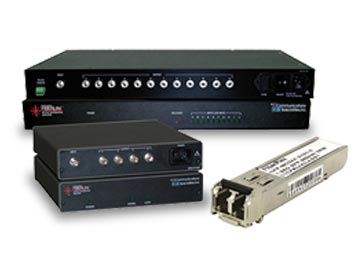
Have you recently stumbled across the code “jpm441a” and wondered what on earth it refers to? You are definitely not alone. Whether you found it on a spare part, in a technical manual, or just while browsing online listings, these alphanumeric codes can feel like a secret language. But don’t worry, we are here to decode the mystery for you.
In this comprehensive guide, we will dive deep into everything you need to know about the jpm441a. We will explore what it likely represents, how to identify it, and why understanding these specific part numbers is crucial for maintenance and repairs. By the end of this article, you will feel much more confident navigating the world of technical specifications and industrial parts. Let’s get started on this journey of discovery together!
Key Takeaways:
- Identification: Learn how to spot a genuine jpm441a component.
- Application: Understand where these parts are typically used.
- Maintenance: Tips for keeping your equipment running smoothly.
- Sourcing: How to find reliable replacements without getting scammed.
Understanding the Basics of Part Numbering Systems
To really understand what a jpm441a is, we first need to take a step back and look at how manufacturers name their parts. It might seem like a random jumble of letters and numbers, but there is almost always a system behind the madness. Most industrial and electronic components use alphanumeric codes to designate specific attributes like voltage, size, generation, or material.
The “jpm” prefix often indicates a specific manufacturer series or a product line classification. In many industries, the first three letters tell you the family of the product, while the numbers following it—in this case, “441”—usually denote the specific model or variation. The final “a” likely represents a revision or a minor modification to the original design. This structure helps engineers and technicians quickly identify exactly what they are working with without needing a full description.
Why does this matter to you? Because knowing the structure helps you avoid buying the wrong thing. A “jpm441” without the “a” might not fit your machine, or it might lack a critical update that fixes a bug. Paying attention to every character in the jpm441a code ensures compatibility and safety. It is the difference between a quick fix and a lingering headache.
Possible Industries Using the jpm441a
The term jpm441a is highly specific, and while it often appears in search queries related to industrial electronics or specialized machinery, it can cross over into a few different sectors. One of the most common places you might encounter codes like this is in the realm of power management systems. Components with similar naming conventions are frequently used in circuit boards, voltage regulators, or power supply units.
Another potential industry is automotive manufacturing or heavy equipment repair. Specialized sensors, control modules, and wiring harnesses often carry cryptic tags like jpm441a to help mechanics distinguish between parts that look identical on the outside but function very differently on the inside. Imagine trying to fix a tractor or a high-end server; you need the exact right piece of the puzzle.
Lastly, this code could be related to legacy computer hardware or telecommunications equipment. Older systems often used proprietary naming schemes that have since fallen out of common knowledge but are still vital for maintaining older infrastructure. If you are managing a legacy system, finding a pristine jpm441a might be the key to keeping your network online.
Why Exact Matches Matter
When you are looking for replacement parts, “close enough” is rarely good enough. Using a substitute that isn’t an exact match for the jpm441a can lead to system failures, electrical shorts, or even voided warranties. Manufacturers test their equipment with specific components to ensure reliability. Deviating from that spec introduces variables that can cause unexpected downtime.
Decoding the Technical Specifications
Let’s get technical for a moment. If you have a datasheet for a jpm441a, you will see a lot of numbers and graphs. But what do they mean? Typically, these documents break down the operating limits of the device. You will see values for maximum temperature, input voltage range, and output current.
For a component like this, thermal management is often key. The “441” series might be rated for higher temperatures than a “440” series, meaning it can withstand harsher environments without overheating. The “a” revision might indicate an improved heat sink design or a more robust casing material. Understanding these specs helps you decide if the part is right for your specific environment.
Here is a simplified breakdown of what you might typically look for in a spec sheet for this type of component:
|
Specification |
Typical Value Range |
Importance |
|---|---|---|
|
Operating Temp |
-40°C to 85°C |
Ensures functionality in extreme weather. |
|
Voltage Rating |
12V – 24V DC |
Matches your power supply to prevent burnout. |
|
Material |
Polycarbonate/Alloy |
Determines durability and resistance to corrosion. |
|
Revision |
Rev A (jpm441a) |
Indicates the specific version and update history. |
Common Applications for the jpm441a
So, where does this part actually live? In many cases, a jpm441a acts as a controller or a bridge within a larger system. For instance, in an industrial automation setup, it might be the component responsible for translating signals from a sensor into data that the main computer can understand. Without it, the machine is effectively blind.
In consumer electronics (though less common for this specific code), it could be part of a power regulation circuit. Think about how your laptop charger gets warm; there are components inside managing that flow of electricity. If the jpm441a is a power transistor or regulator, its job is to keep that flow steady and safe, protecting delicate microchips downstream.
We also see similar codes in HVAC systems. Modern heating and cooling units are surprisingly complex computers. A control board in a high-efficiency furnace might utilize a jpm441a to modulate the fan speed or control the gas valve. If your heater stops working in the dead of winter, this little chip could be the culprit.
Troubleshooting Faulty jpm441a Components
How do you know if your jpm441a is broken? Diagnosis is half the battle. One of the first signs of failure is intermittent operation. If a machine works fine for an hour and then shuts down randomly, it could point to a component that is overheating or has a loose internal connection.
Visual inspection is your best first step. Look for signs of physical damage. Is the casing cracked? Are there scorch marks on the circuit board around the jpm441a? A component that has let out the “magic smoke” (a tech term for burning out) will usually leave visible evidence. Swelling or leaking capacitors nearby can also indicate that the unit was subjected to stress.
If it looks fine physically, you might need a multimeter. Testing the continuity and resistance across the pins of the jpm441a (referencing the datasheet) can tell you if internal pathways are broken. If you aren’t comfortable doing this, it is always best to call in a professional technician who knows how to handle live circuits safely.
The Role of Environmental Stress
Environmental factors are the number one killer of electronic components. excessive heat, moisture, and vibration can all shorten the lifespan of a jpm441a. If your equipment is located in a damp basement or a hot factory floor, consider adding extra protection or ventilation to extend the life of your parts.
Sourcing Genuine Replacement Parts
Finding a replacement jpm441a can be a bit of a treasure hunt, especially if the equipment is older. The internet is full of marketplaces, but not all of them are trustworthy. Counterfeit parts are a huge problem in the global supply chain. A fake part might look identical but fail within minutes, potentially damaging your expensive machinery.
When searching, prioritize reputable distributors like Digi-Key, Mouser, or specialized industrial surplus suppliers. These vendors usually have traceability protocols, meaning they can prove where the part came from. If you are forced to buy from a secondary market like eBay, check the seller’s feedback carefully and ask for photos of the actual item, not just stock images.
Another tip is to look for “New Old Stock” (NOS). These are parts that were manufactured years ago but never sold. A NOS jpm441a is often the best option for vintage repairs because it is a genuine original part, not a modern knock-off. Just be aware that seals and thermal paste on very old stock might need refreshing.
How to Install the jpm441a Safely
Once you have your new jpm441a in hand, installation is the next critical step. Safety must always come first. Disconnect all power sources before opening any equipment. Capacitors can hold a charge even after the plug is pulled, so give the system time to discharge or use a discharge tool if you are trained to do so.
If the component is soldered onto a board, you will need soldering skills. A cold solder joint (where the solder doesn’t melt fully) causes poor connection and future failure. Ensure you have the right tools: a temperature-controlled soldering iron, quality solder, and flux. If the jpm441a is a plug-in module, check the pins for straightness before inserting it. Forcing a misaligned part can bend pins and ruin the socket.
Static electricity is another invisible enemy. Always wear an anti-static wrist strap or touch a grounded metal object before handling sensitive electronics. A tiny zap from your finger can fry the internal logic of a jpm441a before you even get it installed.
Verification and Testing
After installation, don’t just walk away. Power up the system and monitor it closely. Watch for smoke, listen for strange noises, and check for error codes. If possible, run a diagnostic cycle to ensure the jpm441a is communicating correctly with the rest of the system.
The Future of Legacy Components like jpm441a
Technology moves fast, and parts like the jpm441a eventually face obsolescence. Manufacturers stop making them, and stock dries up. This is a natural part of the product lifecycle. However, the need for these parts doesn’t disappear just because production stops.
This creates a market for refurbishment and remanufacturing. Specialized companies will take old boards, strip the jpm441a components, test them, and resell them. While not “new,” these recycled parts are vital for keeping legacy infrastructure running. It is a form of industrial recycling that keeps perfectly good machines out of the landfill.
We are also seeing the rise of 3D printing and custom fabrication. While you can’t 3D print a microchip, you can print the housing or adapters that allow newer components to fit where a jpm441a used to be. Retrofitting is becoming a viable alternative to full system replacement.
Comparing jpm441a to Newer Alternatives
Sometimes, you simply cannot find the original part. In this case, you have to look for a cross-reference or a modern equivalent. A newer version of the jpm441a might be smaller, more efficient, or handle higher voltages. However, it might not have the same “footprint” (pin layout).
Using an alternative requires careful research. You need to compare the datasheets side-by-side. Look at the “Pinout” diagrams. Does Pin 1 do the same thing on both chips? If not, you might need to modify the circuit board, which is a risky and advanced task.
Below is a comparison of typical legacy vs. modern component traits:
- Legacy (jpm441a type): Larger physical size, higher power consumption, robust through-hole mounting.
- Modern Equivalent: Smaller surface-mount design, energy-efficient, requires adapters for older boards.
- Availability: Legacy is scarce/expensive; Modern is plentiful/cheap.
Tips for Extending the Life of Your Equipment
You want your machinery to last, right? Preventing a failure is always cheaper than fixing one. To keep your jpm441a and its surrounding components healthy, focus on cleanliness. Dust is an insulator; a layer of dust on a circuit board acts like a blanket, trapping heat and cooking the components.
Regular cleaning with compressed air can prevent this heat buildup. Also, check your power quality. Surges and spikes from the grid can damage sensitive electronics over time. Installing a high-quality surge protector or an Uninterruptible Power Supply (UPS) acts as a shield for your jpm441a.
If your equipment has cooling fans, check them regularly. A seized fan is a common cause of failure for power components. If the air isn’t moving, the jpm441a will eventually reach its thermal limit and shut down or fail permanently.
Frequently Asked Questions (FAQ)
We know this is a technical topic, so here are some common questions we hear regarding this component.
Q: Can I use a used jpm441a for my repair?
A: Yes, pulled or refurbished parts are common solutions for discontinued items. Just ensure they have been tested by the seller.
Q: Is the jpm441a waterproof?
A: Generally, board-level components are not waterproof on their own. They rely on the enclosure (the box the device is in) for protection.
Q: How much does a replacement typically cost?
A: Prices vary wildly depending on scarcity. It could range from $10 for a common surplus item to hundreds of dollars for a rare, critical spare.
Q: Can I upgrade the jpm441a to a “b” or “c” version?
A: Usually, yes. Later revisions like “b” or “c” are often backward compatible, but you must verify this in the manufacturer’s datasheet.
Why Technical Documentation is Essential
If you are managing equipment that relies on the jpm441a, you should hoard documentation. Keep every manual, schematic, and receipt. When a machine breaks down ten years from now, that crumpled piece of paper with the wiring diagram will be worth its weight in gold.
Scan your documents and save them digitally. There are online repositories and forums where technicians share manuals for obscure equipment. Contributing to these communities helps everyone. If you find a datasheet for the jpm441a, upload it to a public archive. You might save someone else’s day in the future.
For more insights on managing technical resources and business assets, you might find useful guides at Forbes Planet. Keeping organized records is a habit of successful maintenance managers everywhere.
The Environmental Impact of Repair vs. Replace
Every time you successfully replace a jpm441a and keep a machine running, you are doing something good for the planet. “E-waste” (electronic waste) is a massive global problem. Throwing away a whole washing machine or industrial robot just because one $20 chip failed is wasteful.
By learning to identify and replace specific parts, you are participating in the “Right to Repair” movement. This philosophy argues that we should be able to fix the things we own. It reduces the demand for raw materials needed to build new machines and keeps toxic electronic components out of landfills.
Next time you are frustrated searching for that elusive part, remember that your effort has a positive environmental impact. You are extending the lifecycle of complex goods, which is the definition of sustainability.
Identifying Counterfeit jpm441a Parts
As we mentioned earlier, fakes are a problem. But how do you spot them? Counterfeiters often sand down the surface of cheap chips and re-print high-value part numbers like jpm441a on top.
Signs of a fake:
- Typos: Look closely at the logo and text. Misspelled brand names are a dead giveaway.
- Inconsistent texture: The top surface should be smooth and uniform. If it looks sanded or has scratch marks under the paint, be suspicious.
- Wrong date codes: If the date code on the chip says it was made in 2024, but the manufacturer went out of business in 2010, it is a fake.
- Silver pins: Old parts often have oxidized (dull) pins. If a “vintage” part has shiny, brand-new looking pins, it might be a fake or re-tinned used part.
Conclusion: Mastering the Details
Dealing with specific technical components like the jpm441a can be intimidating at first. It feels like a maze of numbers and acronyms. However, once you understand the logic behind the part numbering systems and know where to look for information, it becomes a manageable task. Whether you are a hobbyist fixing a vintage radio or a facility manager keeping an assembly line moving, attention to detail is your superpower.
Remember to prioritize safety, verify your specifications, and source your parts from reliable vendors. By taking the time to understand the jpm441a, you are not just swapping a part; you are ensuring the longevity and reliability of your equipment. Knowledge is the best tool in your toolbox.
For further reading on technical standards and general information, you can check out this Wikipedia article which offers a broad overview of related concepts in technology and engineering.
Related Posts



Stay Informed With the Latest & Most Important News
Previous Post
Next Post










Advertisement