
Now Reading: What Is a Plebiscite? Understanding Direct Democracy
-
01
What Is a Plebiscite? Understanding Direct Democracy

Introduction
Have you ever wondered how major decisions get made in a country when the government isn’t sure what the people want? Sometimes, elected officials make the call. But other times, the question is so big and important that they go directly to the citizens for an answer. This is where a plebiscite comes into play. It sounds like a fancy, complicated word, but the concept behind it is actually quite simple. It is all about giving people a voice on specific issues that shape their future.
In this article, we are going to break down everything you need to know about this democratic tool. We will look at its history, how it works in different parts of the world, and why it is distinct from other types of voting like referendums. Whether you are a student trying to ace your civics test or just a curious citizen wanting to understand how government works, this guide is for you.
Key Takeaways
- Definition: A plebiscite is a direct vote by eligible voters on an important public question.
- Distinction: While similar to a referendum, it often deals with sovereignty or boundary changes.
- Impact: These votes can redraw maps, change constitutions, or determine national independence.
- Process: The outcome can be binding (the government must follow it) or advisory (it’s just a suggestion).
What Does the Word Plebiscite Actually Mean?
The term plebiscite comes from ancient history. It originates from the Latin plebiscitum, which translates roughly to a decree of the “plebs” or common people. In Ancient Rome, this was a law enacted by the common people’s assembly. Today, the meaning has shifted slightly, but the core idea remains the same: it is a vote by the people, not just the rulers.
When a country holds a vote of this nature, it is asking every eligible voter to say “yes” or “no” to a specific proposal. This isn’t about choosing a president or a mayor; it is about choosing a path for the country. For example, a region might vote on whether it wants to become an independent nation or stay part of a larger country. That specific vote is the classic definition of this term.
It is important to note that the way this word is used can change depending on where you live. In some countries, the terms “referendum” and “plebiscite” are used almost interchangeably. However, political scientists usually draw a line between them. We will explore that difference in detail later, but for now, just remember that this type of vote is a tool for direct democracy.
Why Are Definitions Sometimes Confusing?
Language in politics can be tricky. In the United States, you might hear about “ballot initiatives” or “propositions” more often than you hear this specific term. However, the mechanism is very similar. When you see a question on a ballot asking if you want to raise taxes for schools or legalize a certain activity, you are participating in a form of direct democracy that shares DNA with the classic plebiscite.
The History of Direct Voting
To truly understand the plebiscite, we have to look back in time. The concept isn’t new; it has been used for centuries to settle disputes and make major changes. The modern version of this voting method really started gaining traction in the late 18th and early 19th centuries, particularly in France.
Napoleon Bonaparte is a famous figure often associated with this voting method. He used it to bypass legislative bodies and go straight to the people to legitimize his power. By getting a massive “yes” vote from the public, he could claim that his rule was the will of the people. This shows us a double-edged sword: while these votes are democratic, they can sometimes be used by powerful leaders to strengthen their own positions rather than truly serving the public.
In the 20th century, the use of the plebiscite exploded, especially after major wars. When empires crumbled and borders needed to be redrawn, the international community often decided that the people living in disputed areas should decide their own fate. This principle is known as self-determination.
Post-World War I and II
After World War I, the map of Europe was a mess. To fix it, the League of Nations organized several votes in border regions. People in areas like Schleswig (between Denmark and Germany) and Upper Silesia (between Germany and Poland) went to the polls. Their votes determined which country they would belong to. This was a revolutionary idea at the time—letting people choose their nationality instead of having it forced upon them by kings or treaties.
Plebiscite vs. Referendum: What Is the Difference?
This is the most common question people have. Are they the same thing? The short answer is: sort of, but not exactly. The difference often depends on the country’s laws, but there are some general rules of thumb that political experts use to tell them apart.
A referendum is usually a vote on a law or a constitutional amendment that has already been drafted by the government. It is often a required step to make a legal change official. For instance, if a state wants to change its constitution, it might be legally required to hold a referendum to get voter approval.
On the other hand, a plebiscite is often used for decisions regarding sovereignty, territory, or a vote of confidence in a leader. It is less about approving a specific text of a law and more about answering a big, existential question. “Do you want to be an independent country?” is a classic question for this type of vote.
Comparison Table
|
Feature |
Plebiscite |
Referendum |
|---|---|---|
|
Primary Use |
Sovereignty, borders, national independence |
Laws, constitutional amendments, statutes |
|
Origin |
Often initiated by the ruling power/government |
Can be government-initiated or citizen-initiated |
|
Binding Status |
Can be advisory or binding |
Often binding (laws go into effect if passed) |
|
Common Question |
“Should we become independent?” |
“Should we approve this new tax law?” |
Why Do Governments Hold a Plebiscite?
You might think governments want to keep all the power to themselves. So, why would they risk letting the people decide? There are several strategic reasons why a government might choose to hold a plebiscite.
First, it provides legitimacy. If a government wants to make a controversial decision, like changing national borders or joining an international organization, getting the people’s approval makes the decision harder to challenge later. If the people voted for it, the government can say, “We are just doing what you asked.”
Second, it can resolve a deadlock. Sometimes, politicians cannot agree on a solution. A direct vote breaks the tie. It takes the pressure off the politicians and puts the responsibility on the voters. This happens frequently in territories seeking independence. If the local government and the national government are arguing, a vote can settle the matter definitively.
Strengthening Democracy
At its best, a plebiscite engages citizens in the political process. It makes people feel that their voice matters. When people feel heard, they are more likely to trust their government and participate in future elections. It is a way of checking the pulse of the nation on a single, vital issue without the noise of a general election where people are voting for parties and personalities.
Famous Examples of Plebiscites in History
History is full of examples where a single vote changed the course of a nation. Looking at these examples helps us understand the real-world impact of a plebiscite.
One of the most famous modern examples occurred in Quebec, Canada. In 1980 and again in 1995, the province of Quebec held votes to decide whether it should separate from Canada and become an independent country. These were tense, emotional events. In 1995, the “No” side won by a razor-thin margin—less than 1%! This vote kept Canada united, but it showed just how powerful and divisive these votes can be.
Another example is the vote in Puerto Rico. As a territory of the United States, Puerto Rico has held several non-binding votes to gauge public opinion on its status. Voters have been asked if they want to remain a territory, become a U.S. state, or become an independent nation. While these votes haven’t yet resulted in a change of status, they are a classic use of the plebiscite to determine the will of the people regarding their relationship with a larger power.
The Brexit Vote
While usually called a “referendum” in the UK, the 2016 Brexit vote had many characteristics of a plebiscite. It asked a fundamental question about the nation’s identity and sovereignty: “Should the United Kingdom remain a member of the European Union or leave the European Union?” The result shocked the world and led to massive political and economic changes, proving that direct democracy has serious consequences.
The Process: How Is a Plebiscite Organized?
Organizing a vote like this is a massive logistical undertaking. It isn’t as simple as just setting out ballot boxes. The process has to be fair, transparent, and secure to ensure that everyone trusts the result.
First, the question must be drafted. This is harder than it sounds. The wording of the question can influence the result. If the question is confusing or biased, the result might not reflect what people actually want. Governments often spend months debating the exact phrasing to ensure it is neutral and clear.
Next, the rules of the campaign are set. Just like in a presidential election, different sides will campaign for a “Yes” or “No” vote. There need to be rules about how much money can be spent on advertising and who can donate. This ensures that one side doesn’t buy the election just because they have more cash.
Voting and Counting
On the day of the plebiscite, polling stations open, and citizens cast their ballots. International observers are often invited to watch the process, especially in disputed territories, to make sure there is no cheating. Once the polls close, the counting begins. The results are usually announced within a few days. If the margin is very close, there might be recounts or legal challenges, just like in a regular election.
Challenges and Criticisms of the Plebiscite
While direct democracy sounds great in theory, it has its critics. Not everyone believes that holding a plebiscite is the best way to solve complex problems.
One major criticism is that complex issues are reduced to a simple “Yes” or “No.” Most political problems have many shades of gray. Forcing a binary choice can oversimplify the issue and lead to polarization. It divides the country into two opposing camps, which can create bad blood between neighbors and communities that lasts for years after the vote is over.
Another concern is the “tyranny of the majority.” In a direct vote, 51% of the population can impose their will on the other 49%. In a representative democracy (where we elect officials), there are checks and balances to protect the rights of minorities. In a direct vote, those protections can sometimes be weaker.
Voter Manipulation
There is also the risk of manipulation. Demagogues or populist leaders can use emotional appeals and misinformation to sway voters. If people are voting based on fear or false information rather than facts, the outcome of the plebiscite might be harmful to the country in the long run. This is why education and a free press are so critical during these campaigns.
Is a Plebiscite Binding?
This is a crucial legal distinction. When you cast your vote, does the government have to do what you say? The answer depends on the specific laws setting up the vote.
Some votes are “binding,” which means the result automatically becomes law or triggers a legal process that the government cannot stop. If the people vote “Yes,” the action happens. This provides certainty, but it also raises the stakes significantly.
Other votes are “advisory” or “consultative.” In this case, the plebiscite is essentially a giant opinion poll. The government asks the people what they think, but the politicians retain the final say. They can choose to ignore the result if they believe it is in the best interest of the nation, though doing so usually comes with a heavy political price. Ignoring the will of the people is a quick way to lose the next election.
Why Choose Advisory?
Governments often prefer advisory votes because it gives them a safety valve. If the result is unexpected or if circumstances change, they have wiggle room. However, voters can feel cheated if they participate in a vote only to see their decision ignored.
The Role of International Law
When it comes to changing borders or declaring independence, international law plays a huge role. A plebiscite is often the gold standard for legitimizing a new country.
The United Nations emphasizes the right of self-determination. This means people have the right to choose their own political status. If a region wants to break away from a country, holding a fair and monitored vote is often the only way to get international recognition.
If a region declares independence without a vote, other countries might not recognize them. But if they hold a clean plebiscite and the people vote overwhelmingly for independence, it puts pressure on the international community to accept the new nation.
Monitoring Bodies
Organizations like the UN or the European Union often send teams to monitor these votes. They check that voters aren’t being intimidated, that the media coverage is fair, and that the ballot counting is honest. Their stamp of approval is essential for the result to be accepted globally.
Modern Technology and the Future of the Plebiscite
We are living in a digital age, and voting is changing too. Could we see the end of paper ballots? Some countries are experimenting with digital voting for referendums and plebiscites.
Estonia is a world leader in this area, allowing citizens to vote online. This makes participating much easier and can increase voter turnout, especially among young people. Imagine being able to vote on a major national issue from your smartphone!
However, online voting brings security risks. Cyberattacks and hacking are real threats. If a foreign country hacked the system and changed the result of a plebiscite, it could destabilize the entire nation. Because of this, many experts argue that paper ballots are still the safest way to ensure a secure and verifiable paper trail.
Hybrid Systems
The future might look like a hybrid system. Perhaps we will use technology to debate and discuss the issues—a sort of digital town square—but keep the final voting on paper to ensure security. As technology improves, we might see more frequent direct voting on smaller issues, moving us closer to a continuous form of direct democracy.
How to Stay Informed During a Plebiscite
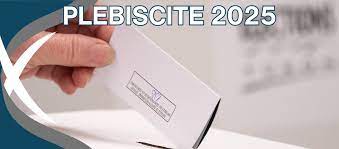
If you ever find yourself eligible to vote in one of these events, you have a responsibility to be informed. It is easy to get swept up in catchy slogans, but you need to dig deeper.
Read the actual text of the proposal if you can. Look for neutral sources of information that explain the pros and cons without trying to manipulate your emotions. Fact-checking websites are your best friend during these campaigns.
Also, look at who is funding the campaigns. Understanding who is paying for the ads can tell you a lot about who stands to benefit from the result. Transparency is key to a healthy democratic process.
Checking Multiple Sources
Don’t rely on just one news channel or social media feed. Algorithms tend to show us what we already agree with. To make a smart decision in a plebiscite, you need to step out of your bubble and listen to arguments from the other side. You might not agree with them, but understanding their point of view will help you make a more balanced decision.
Plebiscite in the Context of US Politics
In the United States, there is no mechanism for a national plebiscite. The Founding Fathers set up a representative republic, not a direct democracy. They were wary of the “mob rule” that they thought direct voting could encourage.
However, at the state and local levels, direct democracy is alive and well. As mentioned earlier, states often hold votes on ballot initiatives and constitutional amendments. While we don’t typically use the word plebiscite for these, they function in a similar way.
Some people argue that the US should adopt a national referendum process to let people vote on major issues like healthcare or gun control. Others say this would undermine Congress and the Constitution. It is an ongoing debate that highlights the tension between representative government and direct popular will.
The Puerto Rico Question
The most accurate use of the term in the US context relates to territories like Puerto Rico, Guam, or the US Virgin Islands. Discussions about their future status—statehood vs. independence vs. status quo—are exactly the kind of issues that a plebiscite is designed to resolve.
Economic Impacts of a Plebiscite
These votes don’t just change maps; they change economies. Uncertainty is the enemy of business. When a plebiscite is announced, especially one regarding independence, the stock market can get jittery.
Investors don’t like not knowing what the rules will be in the future. Will the currency change? Will there be new tariffs? This uncertainty can cause businesses to pause investment until the vote is over.
If the vote leads to a major change, the economic shock can be significant. For example, after the Brexit vote, the value of the British pound dropped sharply. On the other hand, resolving a long-standing political dispute through a peaceful vote can lead to stability and economic growth in the long run.
Cost of the Vote
Running the vote itself is also expensive. Printing ballots, setting up polling stations, and paying staff costs millions of dollars. Governments have to weigh this cost against the value of resolving the political issue at hand.
Cultural and Social Effects
Beyond politics and money, a plebiscite touches the heart of a culture. It forces a society to look in the mirror and ask, “Who are we?”
Debates leading up to the vote can revitalize interest in local culture, language, and history. In places like Scotland or Catalonia, independence movements are deeply tied to cultural identity. The political campaign becomes a vehicle for celebrating and preserving that unique heritage.
However, it can also create social rifts. Families can be divided if parents and children vote differently. These social wounds can take a long time to heal. It is a reminder that democracy is messy and personal, not just a sterile process of counting votes.
Conclusion
The plebiscite remains one of the most powerful tools in the democratic toolkit. It allows the voice of the people to cut through the noise of everyday politics and speak directly on issues that matter most. From defining national borders to deciding on independence, these votes have shaped the modern world map and continue to influence our lives.
While they are not without risks—like polarization and oversimplification—they offer a level of legitimacy that few other political processes can match. As we look to the future, understanding how these mechanisms work is essential for any engaged citizen. If you want to read more about how global politics and economics intersect, you can check out resources at Forbes Planet.
Whether you call it a referendum, a ballot initiative, or a plebiscite, the core principle is the same: power ultimately rests with the people. And in a world that often feels complicated and distant, that is a comforting thought to hold onto.
FAQs About Plebiscite
What is the main purpose of a plebiscite?
The main purpose is to determine the will of the people on a significant public question, often related to sovereignty, national independence, or changes in government structure.
Can a plebiscite change the Constitution?
In many countries, yes. While referendums are more commonly associated with constitutional changes, a plebiscite can provide the mandate needed to rewrite a constitution or change a nation’s fundamental laws.
Is a plebiscite always democratic?
Ideally, yes. However, if the government controls the media, suppresses the opposition, or rigs the vote count, then it is not truly democratic. Dictators have historically used rigged plebiscites to make their rule look legitimate.
How often do plebiscites happen?
They are relatively rare compared to regular elections. Because they deal with major, often permanent changes, they usually only happen once in a generation for a specific issue.
Can I vote in a plebiscite if I am not a citizen?
Generally, no. Voting is usually restricted to citizens of the country or region holding the vote. However, rules vary, and sometimes long-term residents are allowed to participate depending on local laws.
Stay Informed With the Latest & Most Important News
Previous Post
Next Post








Advertisement