

Now Reading: What Happened? Unpacking the Delta Flight DL275 Diverted LAX Incident
-
01
What Happened? Unpacking the Delta Flight DL275 Diverted LAX Incident

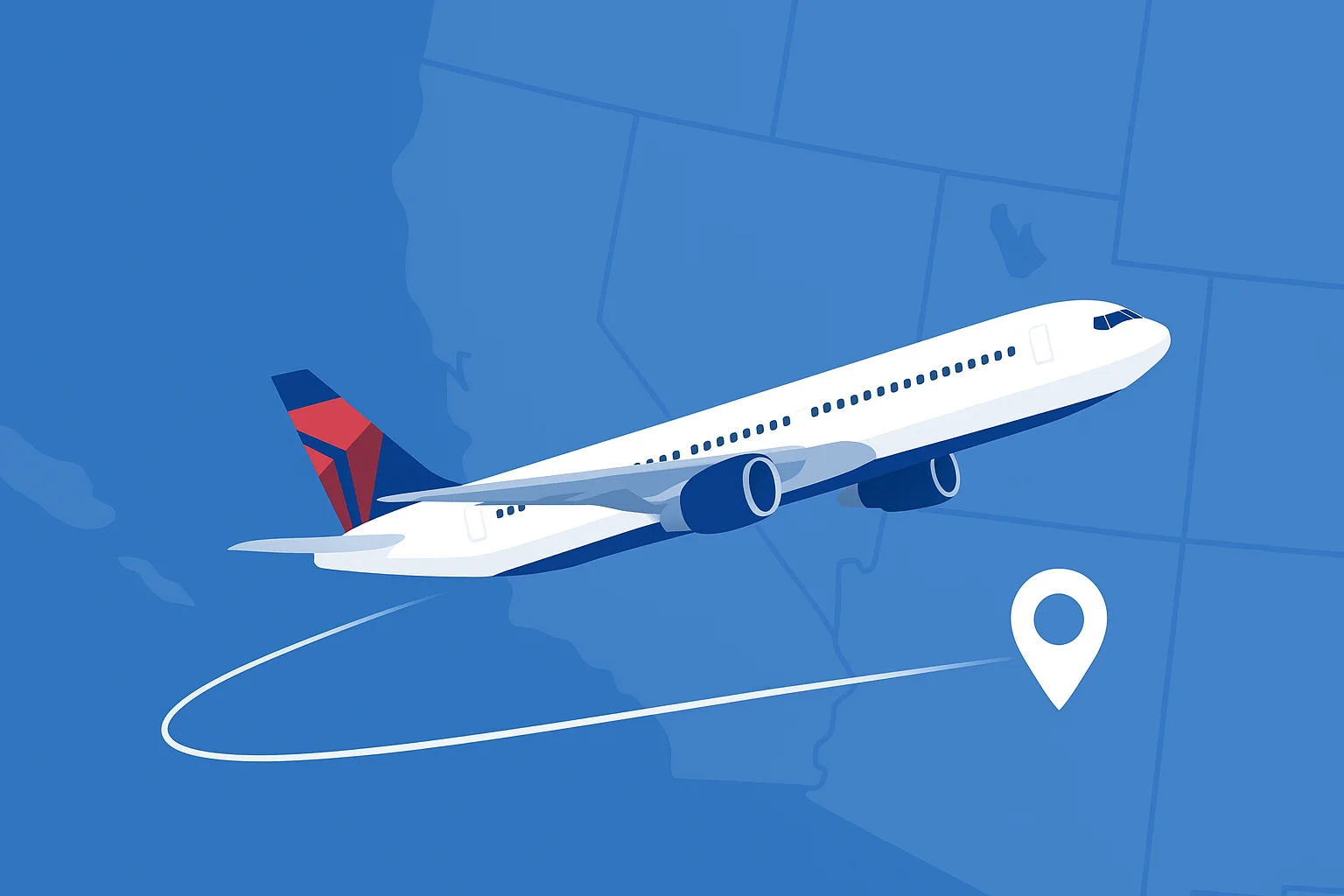
Air travel is usually straightforward, but sometimes unexpected events occur. One such event that caught the attention of many was when Delta flight DL275 diverted LAX. An unscheduled stop for a major international flight naturally raises questions. What caused the diversion? What happens to the passengers? This article will break down everything you need to know about this specific incident, explore the general reasons for flight diversions, and explain the procedures that airlines like Delta follow to ensure passenger safety. We will look into the details of the event, the response from the airline, and what it means for the aviation industry.
Key Takeaways
- Flight diversions, while disruptive, are primarily safety measures to protect passengers and crew.
- The Delta flight DL275 diverted LAX event was triggered by a specific issue that required immediate attention.
- Common reasons for diversions include mechanical problems, medical emergencies, severe weather, and security threats.
- Airlines have detailed protocols for handling diversions, focusing on passenger care, communication, and rebooking.
Understanding the Delta Flight DL275 Incident
When a flight as significant as DL275 makes an unexpected landing, it becomes a point of interest. This flight, typically a long-haul route, had to alter its course and land at Los Angeles International Airport (LAX). Understanding the specifics of this incident helps clarify why such decisions are made.
The Original Flight Plan of DL275
Delta flight DL275 is a key international route, often connecting major global hubs. These long-haul flights are meticulously planned, considering everything from fuel load to weather patterns across thousands of miles. The aircraft used for such routes are typically wide-body jets like the Airbus A350 or Boeing 777, designed for endurance and passenger comfort over many hours. The crew, including pilots and flight attendants, are specially trained for these extended journeys. A diversion for a flight of this magnitude is not a decision taken lightly and indicates a situation that requires immediate resolution on the ground. The crew must weigh all factors before committing to a change in the flight plan.
What Caused the Diversion to LAX?
The primary reason the Delta flight DL275 diverted LAX was due to a reported mechanical issue. While specific details are often kept confidential for security and proprietary reasons, preliminary reports indicated a potential problem with one of the aircraft’s systems. In aviation, even a minor sensor malfunction can trigger a cascade of alerts. Pilots are trained to err on the side of caution. Rather than continuing over a vast ocean where landing options are nonexistent, the flight crew made the professional and correct decision to divert to a suitable airport where the issue could be thoroughly inspected and addressed by maintenance crews. LAX, being a major Delta hub with extensive maintenance facilities, was the logical choice.
The Broader Context of Flight Diversions
The Delta flight DL275 diverted LAX incident is a single example of a common practice in the airline industry. Diversions happen daily around the world for a variety of reasons. They are a standard safety procedure, not necessarily a sign of a crisis.
Top Reasons for Flight Diversions
While a mechanical issue prompted this specific diversion, there are several other common causes. Understanding these can help demystify the process and reassure nervous flyers.
- Mechanical Issues: As seen with DL275, this is a leading cause. It can range from a critical engine problem to a minor sensor fault. The “better safe than sorry” principle always applies.
- Medical Emergencies: A passenger or crew member suffering a serious medical event, like a heart attack or stroke, will prompt a diversion to the nearest airport with adequate medical facilities.
- Severe Weather: Flights will divert to avoid dangerous weather phenomena such as intense thunderstorms, volcanic ash clouds, or hurricanes that were not forecast or that developed unexpectedly.
- Security Threats or Unruly Passengers: Any perceived security risk, from a suspicious item to a disruptive and uncooperative passenger, can lead to a diversion to allow law enforcement to handle the situation.
- Airport or Airspace Closures: A sudden closure of the destination airport due to an incident, security alert, or technical failure will force inbound flights to divert elsewhere.

|
Reason for Diversion |
Description |
Priority Level |
|---|---|---|
|
Mechanical Issue |
A technical problem with the aircraft requiring inspection or repair. |
High |
|
Medical Emergency |
A serious health issue affecting a passenger or crew member. |
High |
|
Security Threat |
A potential threat to the safety of the flight, including unruly passengers. |
High |
|
Severe Weather |
Unsafe flying conditions like thunderstorms, icing, or volcanic ash. |
Medium to High |
|
Airport Closure |
The destination airport is unavailable for landing due to unforeseen events. |
Medium |
The Pilot’s Decision-Making Process
The final decision to divert rests with the Captain. This decision is made in coordination with the airline’s dispatch and operations center. The pilot considers the nature of the problem, the safety of everyone on board, the location of suitable alternate airports, fuel remaining, and the weather conditions at potential diversion airports. For an event like the Delta flight DL275 diverted LAX situation, the pilot would have evaluated the mechanical alert, consulted with maintenance experts on the ground via satellite phone, and determined that landing at LAX was the safest course of action. This complex decision-making process prioritizes safety above all else, including schedules and costs.
What Happens After a Flight Diverts?
Once the plane is on the ground at the diversion airport, a well-defined series of events is set in motion. The experience for passengers can be confusing and frustrating, but there is a clear protocol in place.
Immediate Actions on the Ground
Upon landing at LAX, the first priority for the diverted Delta flight DL275 was to taxi to a gate where maintenance crews could immediately begin diagnosing the reported mechanical issue. Passengers were likely asked to remain seated until the ground crew could connect the jet bridge and authorities gave the all-clear. The flight crew’s job is to keep passengers informed as much as possible, though information can sometimes be slow to arrive as the situation is assessed. For more insights into how large organizations manage complex logistics, you can find interesting parallels in global business trends discussed at https://forbesplanet.co.uk/.
Passenger Care and Communication
Once it became clear that the aircraft would be grounded for an extended period, Delta’s ground staff at LAX would have taken over passenger care. This is a critical part of managing a diversion. The airline is responsible for communicating the new plan to passengers, which often involves deplaning and waiting in the terminal. Delta would have provided updates via gate announcements, the Fly Delta app, and text messages. For significant delays, especially those caused by mechanical issues, airlines typically provide meal vouchers to passengers. The goal is to mitigate the disruption and make the waiting period as comfortable as possible under the circumstances.
Accommodation and Rebooking
If the repair is expected to take many hours or require an overnight stay, the airline’s responsibility for passenger care expands. In the case of the Delta flight DL275 diverted LAX, if it was determined that the flight could not continue that day, Delta would have had to arrange for rebooking. This could mean booking passengers on the next available flight to their final destination or, in some cases, providing hotel accommodations. For an international flight, this can be complex due to customs and immigration rules. Passengers may need to be officially “admitted” into the country to access hotels, a process that airline staff would help facilitate.
Your Rights as a Passenger
When a flight is diverted due to a reason within the airline’s control, such as a mechanical failure, passengers have certain rights. In the United States, these aren’t as rigidly codified as in the EU, but major airlines have their own “contract of carriage” that outlines their responsibilities. Generally, for controllable disruptions like this one, the airline is obligated to provide meals and, if necessary, overnight lodging. They must also rebook you on their next flight with available seats at no extra charge. However, if the diversion is due to an “act of God” like weather, these obligations are often waived.
The Aftermath of the DL275 Diversion
The story doesn’t end when the passengers are rebooked. The airline and aviation authorities conduct reviews to learn from the incident.
Investigating the Mechanical Issue
After the Delta flight DL275 diverted LAX, Delta’s maintenance team at LAX would have conducted a thorough investigation into the mechanical problem. This involves running diagnostics, physically inspecting the components in question, and making any necessary repairs. If a part needs to be replaced and isn’t in stock, it may need to be flown in, causing further delays. Every step of the repair and testing process is documented and must meet strict Federal Aviation Administration (FAA) standards before the aircraft is cleared to fly again. This ensures that the root cause is fixed and the aircraft is completely safe for future flights.
Delta’s Official Response and Public Relations
Airlines are very aware that diversions can cause public concern and damage their reputation. In response to an incident like the Delta flight DL275 diverted LAX event, Delta’s communications team would typically issue a statement. This statement usually confirms the diversion, states the general reason (e.g., “out of an abundance of caution for a potential mechanical issue”), and emphasizes their commitment to safety. They also highlight the steps being taken to care for the affected passengers. By being proactive and transparent, the airline aims to maintain customer trust and control the narrative around the event, reassuring the public that they acted responsibly.
Conclusion: Safety First, Always
The story of Delta flight DL275 diverted LAX is a perfect illustration of the modern aviation industry’s unwavering commitment to safety. While inconvenient and stressful for the passengers involved, the decision to divert was a testament to the professionalism of the flight crew and the robust safety protocols that govern air travel. Every mechanical issue is treated with the utmost seriousness, and every diversion is a calculated decision to prevent a potential catastrophe. For passengers, it serves as a reminder that while the goal is to arrive on time, the most important objective is always to arrive safely. The systems in place, from pilot training to passenger care during disruptions, are all designed around this one core principle.
Frequently Asked Questions (FAQ)
Q1: How often do flights get diverted?
A1: Flight diversions are relatively rare when considering the total number of flights, but they happen every day. Thousands of flights operate daily in the U.S. alone, and a small percentage may be diverted for various reasons, with weather and medical emergencies being quite common.
Q2: Will I get compensation if my flight is diverted?
A2: Compensation depends on the reason for the diversion. If it’s due to a mechanical issue or another factor within the airline’s control, you are typically entitled to assistance such as meals, hotel accommodation, and rebooking. If the cause is beyond the airline’s control (like weather), they are not obligated to provide compensation, though they will still assist with rebooking.
Q3: Was the Delta flight DL275 diverted LAX incident dangerous?
A3: The diversion itself was a safety procedure, not a dangerous event. By diverting, the crew prevented a potentially dangerous situation from developing. The decision to land at a fully-equipped airport like LAX to inspect a mechanical issue is the safest possible action in such a scenario.
Q4: How long does a diversion usually delay a trip?
A4: The length of the delay is highly variable. A diversion for a medical emergency might only add a few hours to the trip if the plane can be refueled and continue quickly. However, a diversion for a major mechanical issue, like the one involving Delta flight DL275 diverted LAX, could lead to a delay of 24 hours or more if a new aircraft or an overnight repair is needed.
Q5: What should I do if my flight is diverted?
A5: Stay calm and listen for instructions from the flight crew and gate agents. Use the airline’s mobile app for the most current updates on your flight status and rebooking information. Keep all your receipts for any expenses you incur, as you may be able to get them reimbursed later.
Related Posts



Stay Informed With the Latest & Most Important News
Previous Post
Next Post








Advertisement