
Now Reading: Unlocking the World of Game Sigma: Your Ultimate Guide
-
01
Unlocking the World of Game Sigma: Your Ultimate Guide

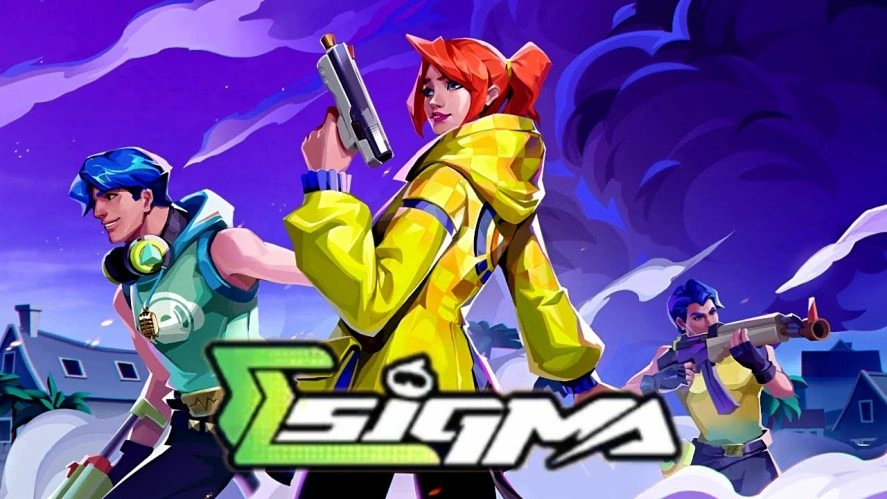
Have you ever wondered what makes some games so captivating that you can’t put them down? Often, it’s a clever combination of design, strategy, and player psychology. A fascinating concept that ties into this is game sigma. This idea helps us understand the layers of strategy and decision-making within various types of games. Whether you’re a casual player or a dedicated strategist, understanding game sigma can completely change how you see and play your favorite titles.
This guide will break down everything you need to know about game sigma. We will explore what it is, how it appears in different game genres, and why it’s a crucial element for both players and developers. You’ll learn to spot it in action and use it to your advantage, making your gaming experience richer and more rewarding. Get ready to dive deep into the strategic heart of gaming.
Key Takeaways
- What is Game Sigma? Game sigma refers to the overarching strategies and meta-level decisions that influence gameplay beyond the basic rules. It involves understanding the game’s systems on a deeper level.
- Importance for Players: Recognizing game sigma helps players improve their skills, anticipate opponent moves, and develop advanced tactics that lead to victory.
- Role in Game Design: Developers use the principles of game sigma to create balanced, engaging, and long-lasting games with a high skill ceiling.
- Application Across Genres: The concept applies to various genres, from complex strategy games and RPGs to fast-paced action titles and competitive esports.
What Exactly is Game Sigma?
At its core, game sigma represents the macro-level strategic layer of a game. Think of it as the “game within the game.” While the basic rules tell you how to play, game sigma is about why you make certain choices. It encompasses the unwritten rules, the popular strategies (the “meta”), and the counter-strategies that emerge from a community of players over time. It’s about seeing the bigger picture beyond individual actions or moves.
For example, in a simple game like tic-tac-toe, the basic rules are easy. But as you play more, you learn that starting in the center or a corner is a superior strategy. That higher-level understanding is a basic form of game sigma. In more complex video games, this concept expands dramatically. It can involve choosing a specific character build before a match, selecting a particular deck of cards, or deciding on a team composition that counters the enemy’s likely strategy. It’s the planning and foresight that happen before and during the match, based on an understanding of the game’s entire ecosystem.
The Origins and Evolution of the Concept
The idea of a meta-game or a higher strategic layer has existed as long as competitive games themselves. However, the term game sigma helps formalize this concept for modern gaming. Its evolution is closely tied to the rise of the internet and online multiplayer games. When players from around the world could suddenly compete, share strategies on forums, and watch top players on streaming platforms, the strategic evolution of games accelerated.
What was once a hidden strategy known only to a small group could now become the global standard overnight. Developers began to pay closer attention to this player-driven evolution. They started designing games with game sigma in mind, intentionally creating systems with enough depth to allow for complex strategies to emerge. Today, developers actively monitor the meta of their games, often releasing balance patches and updates to keep the game sigma fresh and prevent any single strategy from becoming too dominant. This dynamic relationship between players and developers continuously shapes the strategic landscape of modern gaming.
The Psychology Behind Game Sigma
Understanding game sigma isn’t just about logic and strategy; it’s also deeply rooted in psychology. It taps into how we think, plan, and try to outwit our opponents. At its heart, game sigma is about prediction and adaptation. You are not just playing against the game’s mechanics; you are playing against another human mind (or a sophisticated AI designed to mimic one). This involves creating a mental model of your opponent: What do they know? What do they think you will do? What is the most popular strategy, and are they likely to use it?
This psychological dance is what makes competitive games so compelling. It’s a battle of wits where you try to be one step ahead. For instance, if a particular strategy becomes very popular (the “meta”), a savvy player might choose a counter-strategy. They are betting that their opponent will follow the trend, creating a perfect opportunity for an upset. This constant cycle of popular strategies, counter-strategies, and then counters to the counters is the living, breathing essence of game sigma. It’s a testament to human creativity and the desire to find a competitive edge.
How Game Sigma Manifests in Different Genres
The principles of game sigma are not limited to one type of game. This strategic layer appears in various forms across almost every genre, from slow-burn strategy games to fast-paced shooters. Understanding how it works in different contexts can make you a more versatile and effective player.
Strategy Games (RTS & Turn-Based)
In strategy games, game sigma is often the most visible. In a Real-Time Strategy (RTS) game like StarCraft, it involves your opening build order, your choice of units, and your overall economic plan. Players study popular builds and practice executing them perfectly. They also learn to “scout” their opponent to identify their strategy and build the appropriate counters. In turn-based strategy games like Civilization, game sigma relates to your choice of leader, your long-term victory condition goal (e.g., science, culture, domination), and how you prioritize technology and civic research. The entire game is a macro-level strategic puzzle.
Role-Playing Games (RPGs)
In RPGs, especially multiplayer ones (MMORPGs), game sigma revolves around character builds and team composition. Before even entering combat, players spend hours theorycrafting the best combination of skills, abilities, and gear for a specific role, like a “tank,” “healer,” or “DPS” (damage per second). For a difficult raid boss, a team’s success depends heavily on having the right mix of classes and builds to handle the boss’s mechanics. The game sigma here is about preparation and optimization, ensuring your character and your team are perfectly tuned for the challenge ahead.
Action and Fighting Games
You might think fast-paced action games are all about reflexes, but game sigma plays a huge role. In fighting games like Street Fighter or Mortal Kombat, it’s about knowing the “matchups.” Certain characters have natural advantages over others. A top player not only masters their own character but also understands the strengths and weaknesses of every other character on the roster. They know which moves are “safe,” which combos are optimal, and how to bait their opponent into making a mistake. It’s a high-speed chess match where character knowledge is just as important as quick fingers.
Card Games and Deck-Builders
In collectible card games like Hearthstone or Magic: The Gathering, game sigma is everything. The “meta” refers to the types of decks that are currently popular and powerful. Players build their decks either to emulate these top-tier strategies or to specifically counter them. A huge part of the skill is predicting what kind of deck your opponent is playing based on their first few moves and adjusting your strategy accordingly. The game sigma exists in the deck-building process itself and in the strategic decisions you make based on your prediction of the opponent’s deck.
The Role of Game Sigma in Game Development
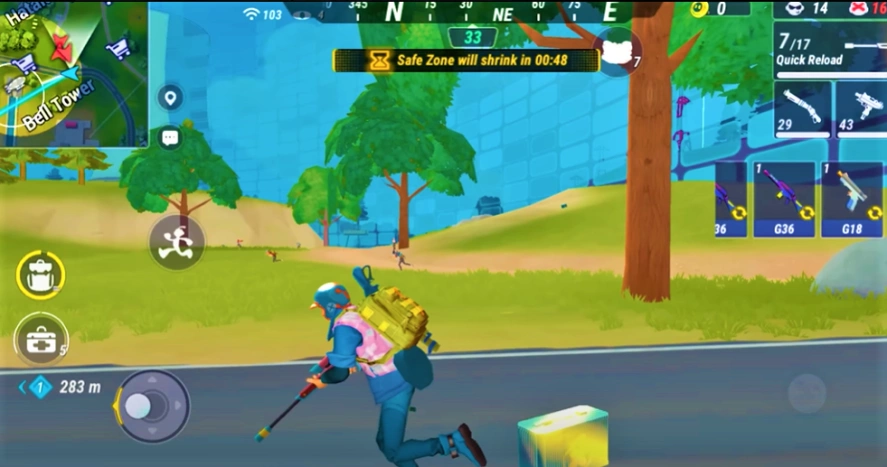
For game developers, game sigma is a critical concept for creating a successful and long-lasting game. It’s not enough to just create a fun core gameplay loop; there needs to be enough depth to keep players engaged for hundreds or even thousands of hours. A well-designed game sigma is the key to achieving that longevity.
Balancing and Game Health
One of the primary jobs of a modern game developer is to manage the game’s balance. This means ensuring that no single character, weapon, or strategy becomes so powerful that it dominates the game and makes other choices irrelevant. Developers constantly monitor player data and community feedback to understand the current game sigma or “meta.” When a strategy becomes too oppressive, they will release a balance patch—a set of changes designed to weaken the dominant strategy and hopefully allow new ones to emerge. This is a delicate process. The goal is not to eliminate powerful strategies but to ensure there are always viable counters, keeping the strategic landscape diverse and healthy.
Designing for Depth and Mastery
Great game design encourages mastery. Developers intentionally build layers of complexity into their games so that there is always something new to learn. The surface-level rules are easy to grasp, but the underlying systems allow for a deep and evolving game sigma. This creates a high “skill ceiling,” meaning there’s a huge difference between a new player and a true master. This path to mastery is what keeps dedicated players coming back. They are motivated by the challenge of climbing the learning curve, understanding the intricate details of the game sigma, and becoming one of the best.
Fostering a Community
A dynamic game sigma also helps foster a strong community around a game. When strategies are constantly evolving, players have something to talk about. They create content like guides, videos, and forum posts to discuss the latest meta, share new strategies, and debate the best ways to play. This shared experience of exploring the game’s strategic depths builds a passionate and engaged player base. As seen in articles on platforms like Forbes Planet, a strong community is invaluable for the long-term health and success of any game.
How Players Can Analyze and Utilize Game Sigma
As a player, learning to recognize and use game sigma is the most direct path to improving your performance. It’s about shifting your mindset from just reacting to what’s happening on screen to proactively planning and predicting.
Step 1: Research and Observation
The first step is to become a student of the game. Don’t just play—observe. Watch top players on platforms like Twitch or YouTube. Read guides and discussions on websites like Reddit or specialized forums for your game. Pay attention to what characters, strategies, and builds are popular and successful at high levels of play. This research gives you a baseline understanding of the current “meta” or game sigma. You need to know what the established strategies are before you can learn to use or counter them effectively.
Step 2: Identify Patterns and Counter-Strategies
Once you understand the popular strategies, start looking for their weaknesses. What do they struggle against? If everyone is playing a slow, defensive style, perhaps a fast, aggressive strategy could catch them off guard. This is where you move from copying the meta to innovating within it. Experiment with different characters, builds, or tactics that are specifically designed to beat the popular trends. This is the essence of using game sigma to your advantage—predicting the common move and making the uncommon, winning counter-move.
Table: Common vs. Counter Meta Strategies
|
Popular “Meta” Strategy |
Potential Weakness |
Example Counter-Strategy |
|---|---|---|
|
Heavy Defense (Turtling) |
Vulnerable to early aggression |
Rush tactics; overwhelm before defenses are set |
|
All-Out Aggression |
Susceptible to control and stuns |
Use crowd control to disrupt their attack |
|
Single High-Damage Unit |
Relies on one unit surviving |
Focus all fire on that single unit to neutralize it |
|
Spread-Out, Mobile Forces |
Weak against area-of-effect (AoE) |
Use AoE damage to hit multiple units at once |
Step 3: Adaptation and Flexibility
The most important skill in utilizing game sigma is adaptation. The meta is never static; it’s always changing. A strategy that was dominant last week might be obsolete today because a new counter has been discovered or the developer released a balance patch. A truly great player is not one who masters a single strategy, but one who can adapt their playstyle on the fly. You need to be able to identify what your opponent is doing and switch your own strategy mid-game to counter them. This flexibility is the hallmark of a player who has true mastery over a game’s sigma.
The Future of Game Sigma in an AI-Driven World
The concept of game sigma is poised to become even more complex and interesting with the advancement of artificial intelligence. AI is already being used to help developers balance their games by simulating millions of matches to identify overpowered strategies. But the future holds even more exciting possibilities. Imagine AI opponents that can analyze your personal playstyle and adapt their strategy in real-time to exploit your specific habits and weaknesses. This would create a training partner that constantly pushes you to evolve and improve.
Furthermore, AI could become a tool for players themselves. An AI coach could analyze your gameplay footage and provide personalized feedback, pointing out strategic errors and suggesting ways to better understand the game sigma. It could help you identify subtle patterns in the meta that you might have missed. As AI technology becomes more integrated into gaming, our understanding and interaction with the strategic layers of games will undoubtedly enter a new and fascinating era, deepening the complexity that players can explore.
Conclusion
The concept of game sigma elevates gaming from a simple pastime to a deep strategic and psychological challenge. It is the invisible layer of strategy, planning, and prediction that separates novice players from masters. It’s in the character builds of RPGs, the build orders of strategy games, the deck choices in card games, and the matchup knowledge in fighting games. For developers, it is a crucial tool for designing balanced, engaging, and enduring experiences. For players, it is the key to unlocking true mastery and a deeper appreciation for the games they love.
By learning to see and understand the game sigma, you change your relationship with gaming. You move from being a passive participant to an active strategist, constantly learning, adapting, and striving to outthink your opponents. So the next time you play, look beyond the immediate action on the screen. Think about the bigger picture, the unwritten rules, and the “game within the game.” As you delve into this strategic world, you’ll discover a richer and more rewarding experience waiting for you. This strategic depth is a core part of what game theory explores, a field that studies mathematical models of strategic interaction among rational decision-makers.
Frequently Asked Questions (FAQ)
Q1: Is “game sigma” the same as the “meta”?
A1: The terms are very closely related and often used interchangeably. The “meta” (or metagame) usually refers to the current most popular and effective strategies. Game sigma is a broader term that encompasses the entire strategic ecosystem of a game, including the meta, counter-metas, and the underlying principles of high-level strategy. Think of the meta as a snapshot of the current game sigma.
Q2: Can single-player games have a game sigma?
A2: Yes, absolutely! While game sigma is most prominent in multiplayer games, it exists in single-player games as well. It relates to things like optimal character builds, efficient progression paths, or strategies for defeating difficult bosses. The main difference is that you are strategizing against the game’s AI and systems rather than a human opponent.
Q3: How can I keep up with the changing game sigma of my favorite game?
A3: The best way is to engage with the game’s community. Follow top players and content creators on platforms like Twitch and YouTube. Participate in discussions on Reddit, Discord servers, and official forums. Reading patch notes from the developers is also crucial, as balance changes are the primary driver of shifts in a game’s sigma.
Q4: Do I need to understand game sigma to have fun?
A4: Not at all! You can absolutely enjoy a game without ever thinking about its deeper strategic layers. However, if you are a competitive person who enjoys improving and winning, understanding and utilizing game sigma is the most effective way to enhance your skills and achieve a higher level of play.
Q5: Can developers control the game sigma?
A5: Developers can influence it, but they can’t fully control it. They can introduce balance changes, add new content, or alter mechanics to encourage certain playstyles and discourage others. However, the player community is incredibly creative and will always find new and unexpected ways to play. The game sigma is ultimately a collaborative creation between the developers who build the game and the players who explore its possibilities.
Related Posts


Stay Informed With the Latest & Most Important News
Previous Post
Next Post











Advertisement