
Now Reading: Understanding Német Keménység: Everything You Need to Know About Water Hardness
-
01
Understanding Német Keménység: Everything You Need to Know About Water Hardness

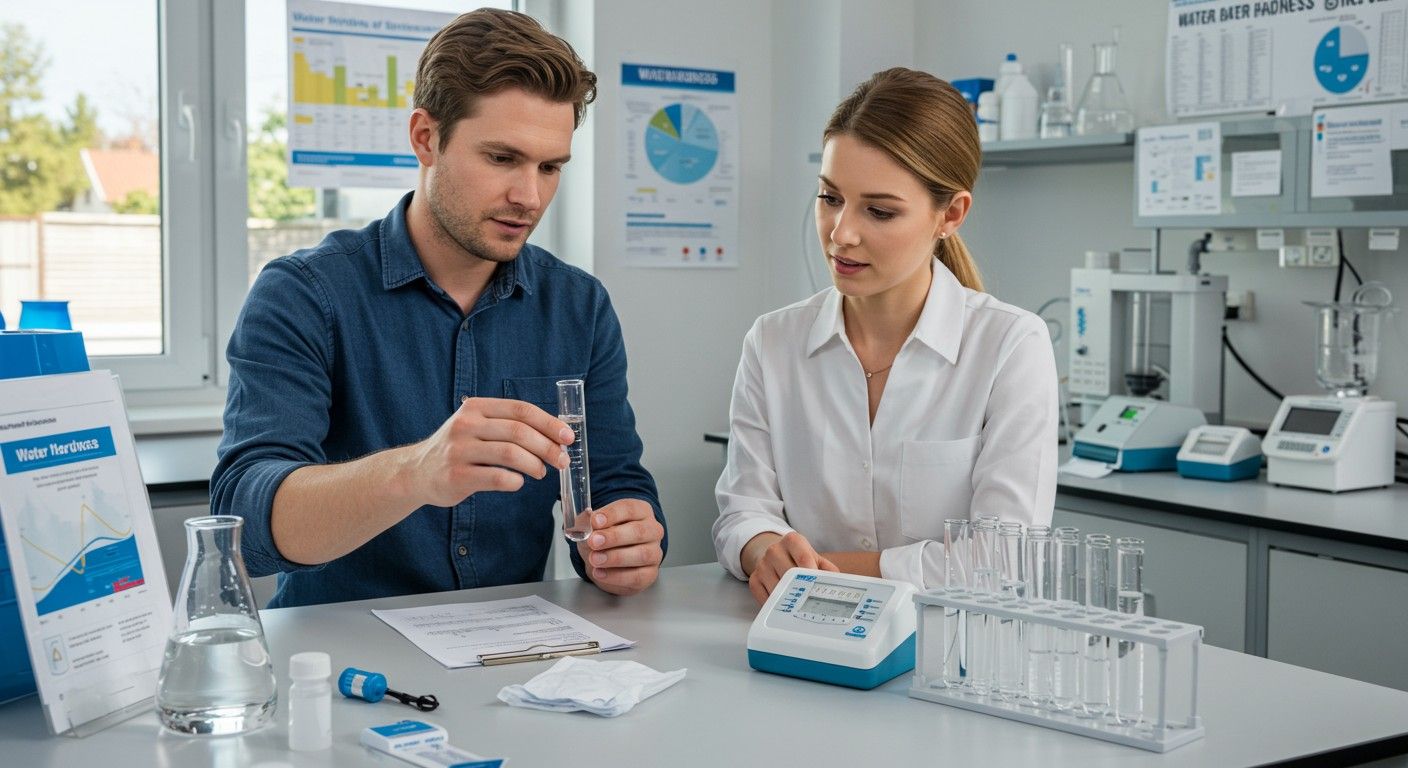
Have you ever noticed white, chalky spots on your clean dishes or felt like your soap just doesn’t lather properly in the shower? You are likely dealing with hard water. While water seems simple—just H2O—it often carries various minerals along for the ride. The way we measure these minerals is crucial for maintaining our home appliances, our plumbing, and even our coffee quality. One of the most common ways to measure this in Europe and beyond is through a scale known as német keménység.
This guide is here to demystify what német keménység actually means, why it matters to you, and how you can manage it in your daily life. Whether you are a homeowner trying to save your washing machine or a coffee enthusiast looking for the perfect brew, understanding water hardness is key.
Key Takeaways:
- Definition: Learn exactly what német keménység (German hardness) is and how it differs from other scales.
- Impact: Discover how water hardness affects your home, health, and wallet.
- Measurement: Find out how to test your own water.
- Solutions: Explore practical ways to soften water and protect your appliances.
What Is Német Keménység?
Water hardness is essentially a measure of the amount of dissolved calcium and magnesium in water. While there are several ways to express this concentration, német keménység (often abbreviated as °dH or dGH) is one of the most widely used standards, especially in Central Europe. The term translates directly to “German hardness.”
One degree of német keménység corresponds to 10 mg of calcium oxide (CaO) per liter of water. It sounds a bit technical, but think of it as a ruler. Just as we use inches or centimeters to measure length, we use this scale to measure the mineral density in our water supply.
Why do we use a German scale? Historically, German engineering and chemistry standards were adopted widely across Europe for industrial and domestic purposes. Because water quality is critical for everything from brewing beer to running industrial boilers, having a standardized unit like német keménység became essential for consistency. Today, even if you aren’t in Germany, you might see this unit on the packaging of dishwasher salt or coffee machine filters.
The Science Behind the Scale
When we talk about water being “hard” or “soft,” we aren’t talking about how it feels to the touch. We are talking about chemistry. Water is a universal solvent, meaning it picks up impurities easily. As groundwater flows through limestone and chalk deposits, it absorbs calcium and magnesium ions.
The német keménység scale quantifies these ions. A low number on this scale means the water is soft, having very few minerals. A high number indicates hard water, packed with dissolved rock particles. It is important to note that these minerals aren’t toxic; in fact, calcium and magnesium are essential nutrients. However, when they are dissolved in your tap water at high concentrations, they can cause a lot of frustrating problems for modern households.
Understanding this specific unit of measurement helps you translate test results into action. If you buy a test strip and it gives you a result in ppm (parts per million) or French degrees, knowing how to convert that to német keménység ensures you set your water softener or dishwasher correctly.
Why Water Hardness Matters in Your Daily Life
You might be wondering why you should care about a chemistry term like német keménység. The answer lies in your daily routine. From the moment you wake up and brush your teeth to the time you wash your face at night, the hardness of your water is affecting your experience.
Hard water interferes with the cleaning action of soaps and detergents. Instead of creating a nice, fluffy lather, soap reacts with the calcium in hard water to form a sticky scum. This is the dreaded “soap scum” you see on shower curtains and bathtub rings. Because of this reaction, you end up using significantly more shampoo, body wash, and laundry detergent to get things clean.
Beyond cleaning, hard water affects cooking. Vegetables boiled in hard water can become tough, and tea or coffee might develop an oily film on the surface. If you are serious about your morning espresso, knowing the német keménység of your tap water is vital because it changes the extraction process and the final taste of your brew.
The Hidden Cost of Hard Water
The impact isn’t just aesthetic; it is financial. Hard water is tough on your appliances. When hard water is heated, the calcium precipitates out as solid calcium carbonate, commonly known as limescale.
Limescale acts as an insulator. If it coats the heating element of your water heater or kettle, that appliance has to work much harder to heat the water. This inefficiency drives up your energy bills. Over time, the scale buildup can cause elements to overheat and burn out entirely, leading to expensive repairs or replacements. By monitoring the német keménység level, you can take preventative steps to save money in the long run.
Health and Comfort Considerations
While drinking hard water is generally safe and can even contribute to your daily calcium intake, it can be tough on your skin and hair. That same soap scum that sticks to your bathtub also sticks to your skin. This can clog pores and cause irritation or dryness.
People with eczema or sensitive skin often find that high német keménység aggravates their condition. The minerals can strip away natural oils, leaving hair feeling straw-like and skin feeling itchy. Installing a water softener to lower the hardness can make a noticeable difference in how your skin and hair feel after a shower.
How to Measure Német Keménység at Home
You don’t need a degree in chemistry to find out how hard your water is. Testing for német keménység is straightforward and can be done with inexpensive kits available online or at home improvement stores.
The most common method is using test strips. You simply dip a strip into a glass of cold tap water for a second, remove it, and wait for the color to change. You then compare the color to a chart provided with the kit. The chart will tell you the hardness, often directly in °dH.
Another method is the liquid titration kit. This involves filling a small tube with water and adding a testing solution drop by drop until the water changes color. The number of drops you used corresponds to the degree of hardness. This method is generally more accurate than test strips and is favored by aquarium owners and coffee enthusiasts who need precise measurements of német keménység.
Interpreting Your Test Results
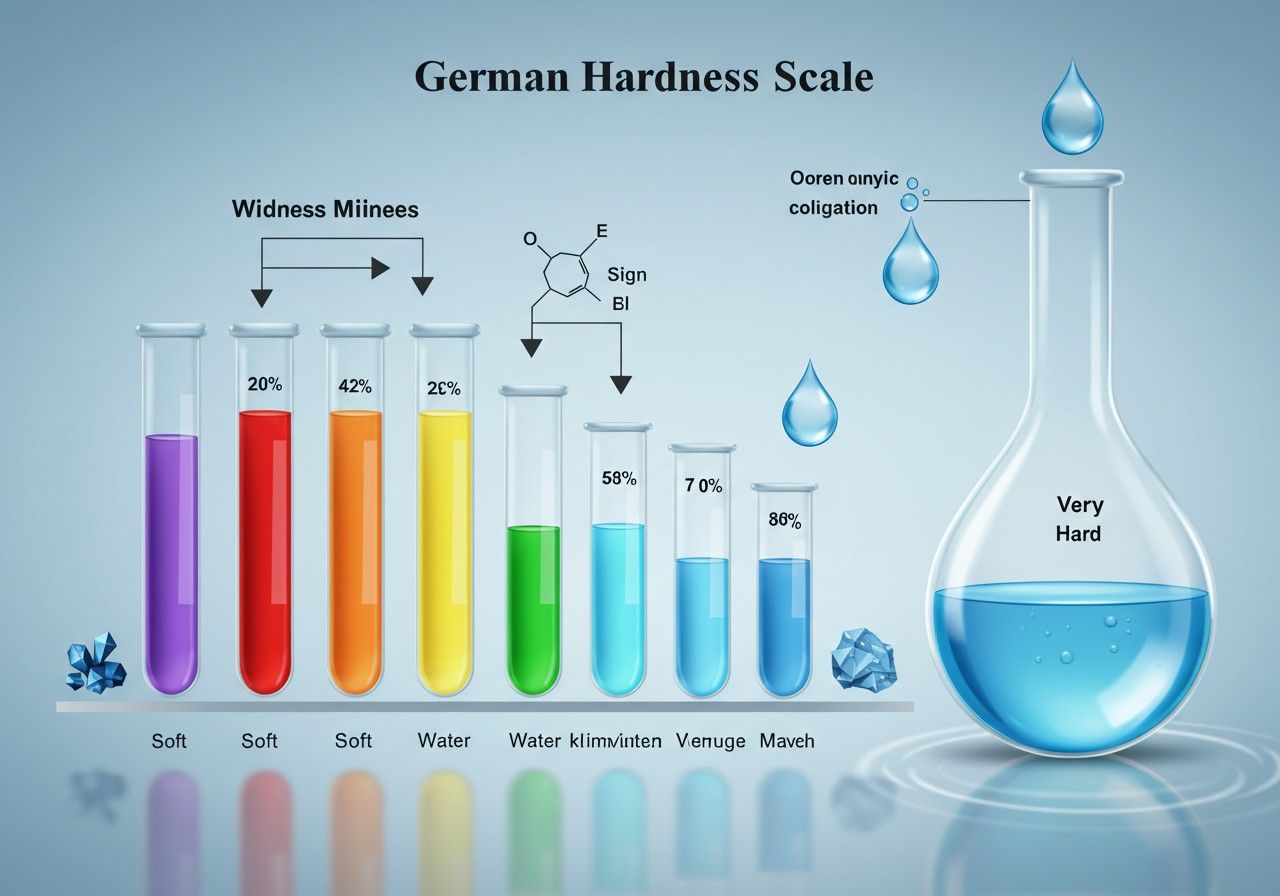
Once you have your number, what does it mean? Here is a general breakdown of the scale:
- 0 – 4 °dH: Very Soft
- 4 – 8 °dH: Soft
- 8 – 12 °dH: Medium Hard
- 12 – 18 °dH: Hard
- 18 – 30+ °dH: Very Hard
If your water measures between 0 and 8 on the német keménység scale, you likely don’t need to worry about limescale, though you might find it hard to rinse soap off completely. If your measurement is over 12, you should start thinking about appliance maintenance. Anything over 18 indicates that a water softener is highly recommended to protect your plumbing system.
Professional Water Testing
If you want a comprehensive analysis, you can send a water sample to a certified laboratory. While this costs more than a DIY kit, it provides a detailed report not just on német keménység, but also on other potential contaminants like lead, bacteria, or nitrates.
This is particularly useful if you rely on well water rather than a municipal supply. Municipalities usually treat water to safe standards, but private wells are the responsibility of the homeowner. Knowing the exact mineral content allows you to choose the perfect filtration system for your specific needs.
Comparing Hardness Scales: °dH vs. Others
The world of water measurement can be confusing because different countries use different scales. While we are focusing on német keménység (°dH), you might encounter others depending on where you look for information or buy products.
In the United States, water hardness is often measured in grains per gallon (gpg) or parts per million (ppm), which is equivalent to milligrams per liter (mg/L). In France, they use French degrees (°fH), and in the UK, they use Clark degrees (°e).
It is crucial to know how to convert between these if you are buying equipment internationally. For example, if your coffee machine manual asks for hardness in °dH but your test strip gave you ppm, you need a conversion factor.
Conversion Table for Common Units
Here is a handy table to help you convert your values into német keménység:
|
Unit |
Symbol |
Factor to convert to °dH |
|---|---|---|
|
Parts Per Million (mg/L CaCO3) |
ppm |
Divide by 17.8 |
|
Grains Per Gallon (US) |
gpg |
Multiply by 2.9 |
|
French Degrees |
°fH |
Multiply by 0.56 |
|
English (Clark) Degrees |
°e |
Multiply by 0.8 |
So, if you have a reading of 200 ppm, you would divide 200 by 17.8 to get approximately 11.2 °dH. This puts your water in the “medium hard” category on the német keménység scale.
Why Standardization Matters
Imagine buying a high-end espresso machine manufactured in Italy. The settings for water hardness might be in French degrees, but the filter you bought from a German brand uses német keménység. If you don’t convert correctly, you might set the machine to descale too often (wasting chemicals) or too rarely (risking damage).
Standardization, or at least understanding the conversion, ensures that your appliances operate within their designed parameters. It helps global manufacturers provide clear instructions, even if the user has to do a little math.
The Impact of High Német Keménység on Appliances
We have touched on this, but it deserves a deeper dive. High német keménység is the silent killer of home appliances. The villain here is limescale.
Inside a water heater, limescale builds up on the bottom of the tank (in gas models) or on the heating elements (in electric models). This sediment layer acts like a stone blanket. The heat has to travel through the stone to get to the water. This causes the metal underneath to get incredibly hot, leading to metal fatigue and eventual failure.
Washing machines and dishwashers are also vulnerable. The small spray jets can get clogged with mineral deposits, reducing cleaning efficiency. Rubber seals can become brittle and crack due to mineral buildup, leading to leaks.
Coffee Machines and Kettles
Small appliances show the effects of hard water most quickly. If you have high német keménység, you have likely looked inside your kettle and seen flaky white bits. This is unsightly, but in a coffee machine, it is destructive.
Espresso machines have narrow tubing and intricate valves. Limescale can block these passages entirely, stopping water flow. Furthermore, scale on the boiler sensor can lead to inaccurate temperature readings, ruining your coffee. Regular descaling is mandatory, but using soft water is the best prevention.
Extending Appliance Lifespan
Protecting your investments requires vigilance. If you live in an area with high német keménység, you have two main options: regular maintenance or water treatment.
Maintenance involves manually removing scale using acids like vinegar or citric acid. This works for kettles and coffee makers but is hard to do for a water heater. Water treatment involves removing the minerals before they enter your pipes, which is generally the more effective long-term strategy.
Solutions for Reducing Water Hardness
If your tests confirm high német keménység, don’t panic. There are several effective ways to soften your water, ranging from whole-house systems to point-of-use filters.
The most comprehensive solution is an ion-exchange water softener. These systems are installed at the point where water enters your home. They contain resin beads that trap calcium and magnesium ions and swap them for sodium ions. Periodically, the system flushes the beads with a salt brine to recharge them. This effectively lowers the német keménység to near zero throughout your house.
Salt-Free Conditioners
For those who want to avoid adding sodium to their water or dealing with heavy bags of salt, salt-free water conditioners are an alternative. These systems don’t actually remove the minerals; instead, they alter the structure of the crystals so they don’t stick to surfaces.
While these systems don’t lower the measurable német keménység, they do prevent limescale buildup. They are often easier to maintain but might not be effective in areas with extremely hard water.
Filtration Pitchers and Faucet Mounts
If you only care about soft water for drinking and cooking, a simple pitcher filter or faucet mount might suffice. These usually use activated carbon and a small amount of ion-exchange resin to improve taste and reduce hardness slightly.
These are cost-effective for renters or small households. However, keep in mind they won’t protect your pipes or showerheads from the effects of high német keménység.
The Benefits of Optimal Water Hardness
It is important to note that you don’t necessarily want your water hardness to be zero. A moderate level of német keménység is actually beneficial for certain things.
For drinking, water completely void of minerals can taste flat. A small amount of calcium and magnesium gives water a crisp, refreshing taste. Additionally, very soft water can be corrosive to metal pipes, potentially leaching metals like copper or lead into your supply.
The Sweet Spot for Aquariums
If you keep fish, you know that német keménység is critical. Different fish species originate from different waters. African Cichlids, for example, thrive in hard water with high pH. Discus fish or Tetras from the Amazon prefer very soft, acidic water.
Aquarists monitor német keménység (often referred to as GH in the hobby) religiously. Maintaining the correct hardness is essential for fish health, osmoregulation, and breeding.
The Perfect Coffee Brew
Coffee experts generally agree that a német keménység between 3 and 6 °dH is ideal for brewing. The magnesium helps extract flavor compounds from the coffee beans. If the water is too soft, the coffee can taste sour and weak. If it is too hard, the coffee can taste bitter and chalky, and the machine will scale up quickly.
Many high-end coffee shops use sophisticated reverse osmosis systems with remineralization filters to hit this exact target, ensuring every cup tastes perfect.
Common Myths About Water Hardness

There is a lot of misinformation out there regarding water quality. Let’s debunk a few myths surrounding német keménység.
Myth 1: Hard water causes kidney stones.
Current medical research suggests that for most people, the calcium in hard water does not increase the risk of kidney stones. In fact, dietary calcium binds with oxalates in the stomach, preventing them from entering the kidneys. However, always consult a doctor for personal medical advice.
Myth 2: Magnets can soften water.
You might see magnetic devices that clamp onto pipes, claiming to soften water. Scientific studies have shown mixed to poor results for these devices. They do not remove minerals, so the német keménység remains unchanged. While they might have some effect on scale formation in specific industrial conditions, they are generally not considered reliable for home softening.
Myth 3: Rainwater is hard.
Rainwater is naturally soft. It contains very few dissolved minerals because it hasn’t flowed through the ground yet. If you collect rainwater, its német keménység will be very low, making it excellent for watering plants or washing cars.
Understanding Softened Water and Sodium
People often worry that water softeners make water taste salty. While ion-exchange softeners do add sodium, the amount is relatively small for moderately hard water. It doesn’t taste like ocean water.
However, for individuals on strict low-sodium diets, doctors might recommend bypassing the softener for a dedicated drinking water tap. This allows you to have the benefits of soft water for washing while keeping your drinking water natural.
Regional Differences in Water Hardness
Water hardness varies wildly depending on geography. Regions with limestone bedrock tend to have very high német keménység, while areas with granite or basalt bedrock usually have soft water.
For example, much of the Midwest and Southwest United States has hard water. In Europe, regions like Southern England and parts of Germany are known for hard water, hence the origin of the German hardness scale. Conversely, areas like Scotland, parts of New England, and the Pacific Northwest often enjoy naturally soft water.
Why Geography Matters
Knowing your local geology can give you a hint about your water quality before you even test it. If you move to a new area, asking neighbors about their water or checking with the local utility company is a smart move.
If you are browsing real estate or looking for lifestyle tips in different regions, resources like https://forbesplanet.co.uk/ can offer a wealth of varied information on living standards and home maintenance across different areas. Understanding the local német keménység helps you budget for appliances and maintenance when buying a home.
How to Maintain Appliances in Hard Water Areas
If you live in a high német keménység zone and cannot install a softener, you must be proactive.
For Dishwashers: Always keep the salt reservoir filled. Dishwashers have built-in softeners that require special salt to regenerate. Check your manual to set the hardness level correctly based on your local water.
For Washing Machines: Use the correct dosage of detergent. detergent packaging usually has a table showing how much more to use for hard water. You can also add a water softening powder (like Calgon) to every wash to protect the machine.
For Showerheads: Once a month, fill a plastic bag with vinegar and tie it around your showerhead. Leave it overnight to dissolve the mineral deposits.
Descaling Schedule
Create a calendar for descaling.
- Kettle: Every 1-2 months.
- Coffee Maker: Every 1-3 months (depending on usage).
- Iron: Every 3-6 months.
- Water Heater: Flush the tank once a year.
Sticking to this schedule prevents the buildup from becoming permanent damage. It is a small time investment that saves significant money.
Frequently Asked Questions (FAQ)
Here are answers to some common questions about német keménység and water hardness.
Q: Is hard water safe to drink?
A: Yes, hard water is generally safe to drink and contributes to your daily intake of calcium and magnesium.
Q: Can I lower német keménység by boiling water?
A: Only “temporary hardness” can be removed by boiling. This is the bicarbonate portion of hardness. “Permanent hardness” (sulfates and chlorides) will remain, and as water evaporates, the concentration might actually increase.
Q: How often should I test my water hardness?
A: If you are on municipal water, the hardness is usually stable, so testing once a year is fine. If you use well water, testing seasonally is better as rainfall levels can affect groundwater mineral content.
Q: Does a Brita filter reduce német keménység?
A: Yes, standard pitcher filters contain ion-exchange resin that reduces hardness (temporary hardness specifically) and heavy metals, improving the taste of tea and coffee.
Q: What is the ideal hardness for a family home?
A: Generally, a range of 4 to 8 °dH is considered ideal. It is soft enough to prevent scale but has enough minerals to be non-corrosive and taste good.
Conclusion
Understanding német keménység is more than just learning a scientific term; it is about taking control of your home environment. Water is the lifeblood of our households, running through our pipes, cleaning our clothes, and nourishing our bodies. When you know the hardness of your water, you can make informed decisions that save you money and improve your quality of life.
Whether you decide to install a whole-house softener, simply adjust your coffee brewing method, or just buy a better moisturizer, that knowledge puts the power in your hands. Don’t let invisible minerals dictate the lifespan of your appliances or the quality of your morning shower. Test your water, understand the results, and manage your német keménység effectively.
For more detailed scientific definitions and a broader look at water chemistry, you can always check out resources like this article on Hard Water which covers global standards and geological impacts.
Related Posts



Stay Informed With the Latest & Most Important News
Previous Post
Next Post











Advertisement