
Now Reading: Understanding Heisman Odds: A Fan’s Guide
-
01
Understanding Heisman Odds: A Fan’s Guide

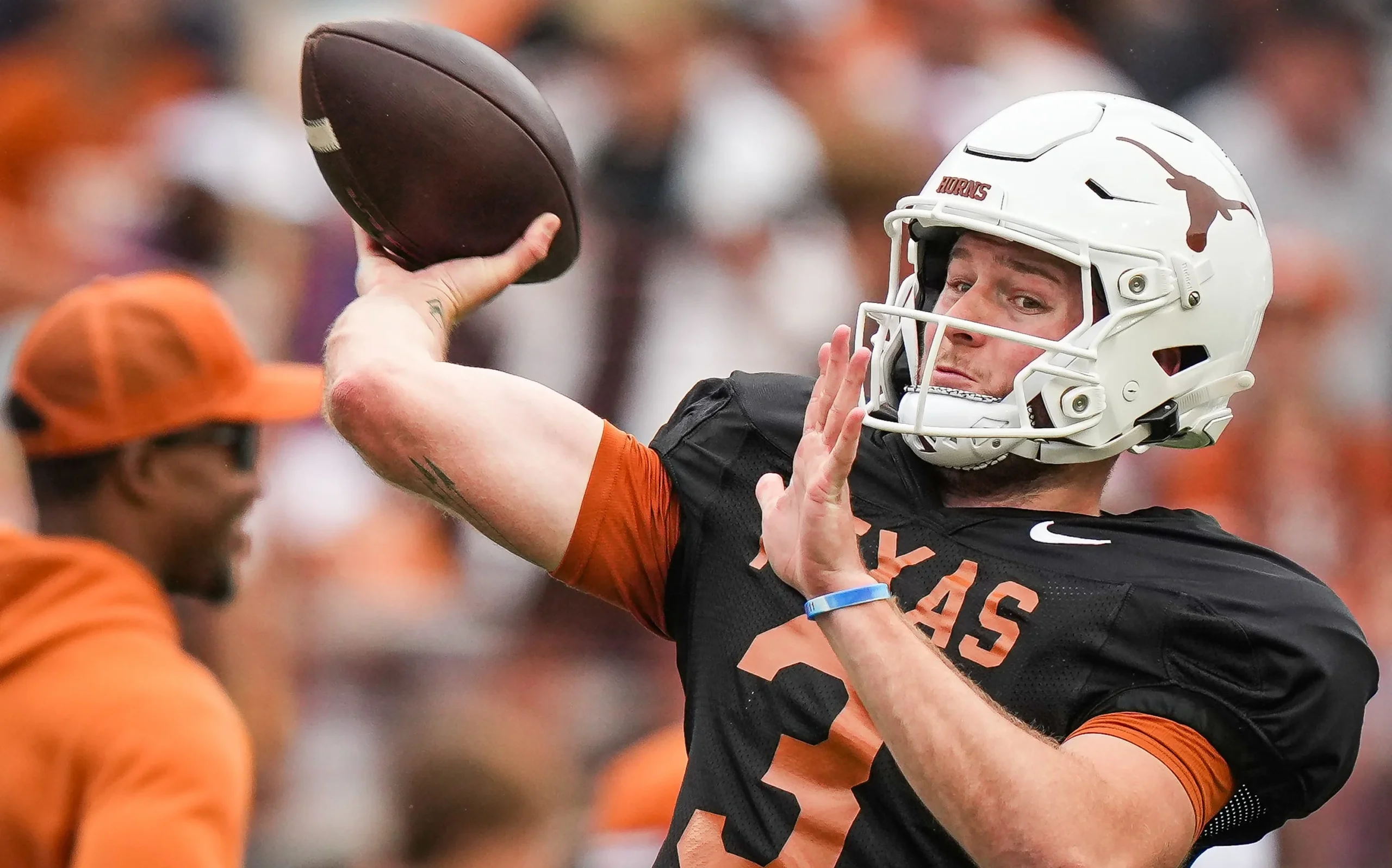
Welcome to the ultimate fan’s guide to the Heisman Trophy! Each year, college football fans across the nation get swept up in the excitement of the Heisman race. From the first kickoff in August to the final whistle of championship weekend, the debate rages: who is the most outstanding player in college football? A huge part of this national conversation revolves around heisman odds. These odds provide a fascinating, data-driven look at which players have the best chance of striking the famous pose and joining the ranks of legends.
This article will break down everything you need to know about heisman odds. We’ll explore what they are, how they work, and what factors cause them to change so dramatically throughout the season. Whether you’re a die-hard stats enthusiast or a casual fan who just loves the Saturday spectacle, this guide will give you a deeper appreciation for the race to college football’s most prestigious award.
Key Takeaways
- Heisman Odds Explained: Understand that heisman odds are a numerical representation of a player’s chances of winning the Heisman Trophy, shifting based on performance, team success, and media attention.
- Factors Influencing Odds: Learn how on-field statistics, “Heisman moments,” team record, strength of schedule, and media narratives all play a critical role in shaping a player’s odds.
- Historical Context: Discover how past winners and historical trends can offer insights into what voters traditionally look for in a Heisman candidate.
- The Season’s Narrative: Follow how a player’s odds create a story, from preseason favorite to mid-season challenger or late-season surprise.
What Exactly Are Heisman Odds?
At its core, the term heisman odds refers to the likelihood of a specific college football player winning the Heisman Memorial Trophy. These odds are typically presented in a numerical format, giving fans and analysts a snapshot of the current landscape of the Heisman race. Think of it as a stock market for players. A player’s “stock” can rise or fall based on their weekly performance and a variety of other factors. For example, a player might start the season with long odds, meaning they are considered an underdog. But after a few incredible games, their odds can shorten dramatically, signaling that they have become a serious contender.
Understanding these numbers is simpler than it looks. They are a way to rank the candidates in order of perceived probability. The player with the lowest positive number is the favorite, while players with higher numbers are considered less likely to win. Watching the heisman odds shift from week to week adds an exciting layer to the college football season. It turns the season-long narrative into a dynamic race where every big play and every tough loss can change the entire picture. It’s a fun way to track who is leading the pack.
How to Read Heisman Odds
Reading heisman odds can seem confusing at first, but the system is quite straightforward once you understand the basics. The odds are usually displayed with a plus (+) sign, indicating the return on a hypothetical stake. The player with the lowest number next to their name is the current favorite.
For instance, let’s look at a hypothetical table:
|
Player Name |
Heisman Odds |
|---|---|
|
Player A |
+150 |
|
Player B |
+400 |
|
Player C |
+1200 |
|
Player D |
+5000 |
In this scenario, Player A is the clear favorite. Their heisman odds of +150 are the lowest, meaning they are considered the most likely winner at that moment. Player B is a strong contender, but not as favored as Player A. Player C is a dark horse candidate—a player who has an outside chance but would be a surprise winner. Player D is a long shot, with very high odds reflecting a low probability of winning the trophy. As the season progresses, these numbers will change constantly based on game results and individual performances.
Key Factors That Influence Heisman Odds
A player’s heisman odds are not static; they are incredibly fluid and can change in the blink of an eye. Several key factors work together to shape these odds throughout the season. A player might look like a lock one week, only to see their chances diminish after a single poor performance. Understanding these elements is crucial for anyone following the race.
The most significant factors include on-field production, the success of the player’s team, strength of schedule, and the ever-powerful media narrative. A quarterback on an undefeated team throwing for 40 touchdowns will naturally have better heisman odds than a running back on a 6-6 team, even if that running back has amazing stats. It’s a complex formula where individual brilliance must often align with team success and national attention. Let’s dive deeper into each of these components.
Individual Performance and Statistics
The most obvious driver of heisman odds is a player’s on-field performance. Jaw-dropping statistics are the foundation of any Heisman campaign. For quarterbacks, this means high passing yardage, a stellar touchdown-to-interception ratio, and a high completion percentage. For running backs, voters look for impressive rushing yards, touchdowns, and yards per carry. Wide receivers need to accumulate significant receiving yards and touchdowns, often with highlight-reel catches that capture national attention.
However, it’s not just about the raw numbers. Consistency is key. A player who performs at a high level week in and week out is more likely to stay at the top of the Heisman discussion. One or two “off” games, especially in high-profile matchups, can be detrimental to a player’s heisman odds. Voters and analysts are looking for sustained excellence over the entire season, not just a few flashy games. The numbers tell a story, and for a Heisman contender, that story needs to be one of consistent dominance.
The Importance of “Heisman Moments”
Statistics are the meat and potatoes of a Heisman campaign, but “Heisman moments” are the spice that makes it unforgettable. A Heisman moment is a signature play or an entire game where a player single-handedly takes over and leads their team to a crucial victory. It’s the kind of performance that gets replayed on highlight shows all week and becomes ingrained in the minds of voters. These moments often happen on the biggest stage—a rivalry game, a conference championship, or a matchup between two top-ranked teams.
Think of a last-second touchdown pass to win a game, a long, game-clinching run that breaks the will of an opponent, or a defensive player making a game-saving turnover. These plays create a powerful narrative that can catapult a player’s heisman odds. While a season of great stats is required, it’s often a single, iconic moment that solidifies a player’s place as a true Heisman frontrunner. It separates the great players from the legendary ones in the eyes of the public and, most importantly, the voters.
Team Success and Winning Record
Individual brilliance is essential, but it rarely happens in a vacuum. The success of a player’s team has a massive impact on their heisman odds. Historically, the Heisman Trophy is almost exclusively awarded to a player on one of the nation’s top teams. A player on a team that is competing for a conference title and a spot in the College Football Playoff will almost always have a significant advantage over a player with similar stats on a mediocre team.
This is because winning validates a player’s performance. It shows that their incredible stats are not just empty numbers but are directly contributing to meaningful victories. When a team is constantly in the national spotlight due to its success, its star player naturally receives more media attention. This visibility is crucial for building the momentum needed for a Heisman campaign. Therefore, when you are looking at heisman odds, it’s just as important to consider the team’s ranking and record as it is to look at the player’s stat line.
Strength of Schedule
Not all schedules are created equal, and this plays a significant role in evaluating a Heisman candidate. A player who puts up huge numbers against a series of weak opponents will be viewed more skeptically than a player who performs well against a gauntlet of ranked teams. The strength of schedule provides context for a player’s statistics. Voters and analysts will closely examine who a player played against when they achieved their impressive numbers.
Performing at a high level in big games against tough competition is a massive boost to a player’s heisman odds. For example, leading a game-winning drive against a top-10 defense is far more impressive than throwing for 500 yards against a team at the bottom of the conference standings. A difficult schedule provides more opportunities for those “Heisman moments” and proves that a player can excel under pressure. A weak schedule, on the other hand, can become a point of criticism that can hurt a player’s chances, regardless of how great their stats appear on paper.
Tracking the Heisman Race: From Preseason to Finale
The Heisman race is a season-long marathon, not a sprint. The narrative evolves each week, with favorites emerging, contenders falling, and dark horses making a name for themselves. Tracking the movement of heisman odds provides a fascinating timeline of this journey. It all starts in the summer, long before the first game is played.
Preseason Heisman Odds
Preseason heisman odds are released months before the season begins. These initial odds are largely based on speculation and past performance. Players who had a strong finish to the previous season, well-known quarterbacks from powerhouse programs, and returning award finalists typically top the list. At this stage, the odds are more about potential and reputation than actual results.
These preseason lists are fun for discussion but should be taken with a grain of salt. It’s not uncommon for the eventual Heisman winner to be a player who started the year with long odds or was not even on the initial radar. However, being named a preseason favorite does have its advantages. It puts a player in the national conversation from day one, meaning the media and fans are already watching them closely. This early attention can help build momentum if the player lives up to the hype.
Mid-Season Movers and Shakers
By the midway point of the season, the Heisman picture starts to become much clearer. The preseason hopefuls have been tested, and the true contenders have begun to separate themselves from the pack. This is where you see the most dramatic shifts in heisman odds. A player who started with long odds might now be a frontrunner after a series of spectacular games. Conversely, a preseason favorite might have fallen out of the race due to an injury or a couple of poor performances.
This is also the time when surprise candidates, or “dark horses,” emerge. A previously unknown player on a surprise undefeated team might suddenly find themselves in the Heisman conversation. Watching the heisman odds during October and early November is particularly exciting, as every game carries significant weight. A big win can send a player’s stock soaring, while a loss can be devastating to their campaign. This period truly defines the narrative for the rest of the race.
The Final Stretch: Championship Weekend
The final weeks of the regular season and conference championship games are the last chance for players to make their case to the voters. Performance in these high-stakes games is often weighted heavily. A dominant showing in a conference championship can be the final “Heisman moment” that seals the award for a frontrunner. It can also be the last opportunity for a challenger to close the gap.
During this time, the heisman odds become much more stable, with one or two clear favorites leading the field. The race narrows, and the national debate intensifies. For the top candidates, the goal is to avoid any late-season stumbles and finish the season on a high note. A strong closing argument in front of a national television audience can be the difference between finishing as the runner-up and taking home the coveted trophy. It’s the thrilling conclusion to a months-long campaign.
Historical Trends in Heisman Winners
Looking back at past Heisman Trophy winners reveals some interesting trends that can help put the current heisman odds into perspective. While every season is unique, history shows that voters tend to favor certain types of players and specific statistical achievements. Understanding these historical patterns can give you a better idea of what to look for in a potential winner.
For decades, the Heisman was often awarded to senior running backs. However, the game has evolved, and so has the profile of the typical Heisman winner. In the modern era, quarterbacks have come to dominate the award. Their ability to impact every offensive play gives them a unique platform to showcase their talent and rack up impressive stats. While non-quarterbacks can and do win, they often need to have a truly historic season to overcome the quarterback bias.
The Dominance of the Quarterback Position
In the 21st century, the Heisman Trophy has become predominantly a quarterback’s award. Since 2000, the overwhelming majority of winners have been quarterbacks. This is due to the evolution of offensive schemes in college football, which increasingly feature high-powered passing attacks. Quarterbacks are the leaders of these offenses, and their performance is directly tied to the team’s success.
A quarterback’s statistics—passing yards, touchdowns, and efficiency ratings—are easy to measure and compare. When a quarterback from a top-ranked team puts up video game-like numbers, they naturally become the focal point of the Heisman conversation. This trend is so strong that when evaluating heisman odds, it’s often wise to give the most serious consideration to the quarterbacks at the top of the list. A running back or wide receiver needs a truly exceptional, record-breaking season to overcome this modern bias. For more insights into sports trends, you can explore resources like those at forbesplanet.co.uk.
Have Defensive Players Ever Won?
Yes, but it is exceptionally rare. The only primarily defensive player to win the Heisman Trophy was Charles Woodson in 1997. Woodson, however, was a unique case as he was a true three-way player, making a significant impact on defense, offense, and special teams. His versatility and his share of “Heisman moments,” including a memorable punt return against a rival, captured the imagination of voters.
For a defensive player to have realistic heisman odds, they would need to have a season that is not just dominant, but historically unprecedented. This would likely involve leading the nation in multiple defensive categories, like sacks or interceptions, while also making game-changing plays that are impossible to ignore. Because defensive impact can be harder to quantify with simple stats compared to offensive production, defensive players face a very uphill battle in the Heisman race.
The Unofficial Stat Benchmarks
While there are no official requirements, unofficial statistical benchmarks have emerged over the years for Heisman candidates. For a quarterback to be in the conversation, they typically need to be in the ballpark of 40 total touchdowns and 4,000 yards of total offense, all while maintaining a low number of turnovers. For running backs, the benchmark is often approaching 2,000 rushing yards and over 20 touchdowns.
These numbers serve as a general guideline. A player who hits these marks while leading their team to an excellent record is almost guaranteed to be a Heisman finalist. When you see a player on pace to reach or exceed these benchmarks, you will also see their heisman odds shorten considerably. It’s a clear signal to fans and analysts that the player is having the type of special season that voters have historically rewarded. These stats provide a concrete measure of a player’s outstanding performance.
Conclusion
The journey to the Heisman Trophy is one of the most compelling storylines in all of sports. The constant shifting of heisman odds provides a week-by-week narrative, turning the entire season into an exciting race filled with drama, spectacular performances, and unforgettable moments. By understanding what these odds represent and the many factors that influence them—from individual stats and team success to historical trends—you can follow the race with a more informed and appreciative eye.
Whether you are tracking a preseason favorite, cheering for a hometown hero, or hoping for a dark horse to emerge, the Heisman race adds a rich layer of excitement to every Saturday in the fall. It celebrates the incredible talent and hard work of these young athletes and culminates in one player earning a permanent place in college football history. So next time you see the latest heisman odds, you’ll know exactly what to look for as the story of the next Heisman winner unfolds.
Frequently Asked Questions (FAQ)
Q: How often do Heisman odds change?
A: Heisman odds are extremely dynamic and can change frequently. They are updated at least once a week, typically after the weekend’s games are completed. Significant changes can also occur due to player injuries, breaking news, or even a single standout performance in a midweek game.
Q: Can a player from a non-power conference win the Heisman?
A: It is very difficult but not impossible. The last player from a team outside of what is now considered a “Power Five” conference to win the Heisman was from BYU in 1990. Players from these schools are at a disadvantage due to a perceived weaker strength of schedule and less media exposure. They would need to post absolutely phenomenal, record-setting statistics and have their team finish the season undefeated to have a realistic chance.
Q: What is the Heisman Trophy Trust?
A: The Heisman Trophy Trust is the organization responsible for stewarding the award. Its mission is to uphold the integrity of the Heisman Trophy and to recognize and reward outstanding college football players. The Trust is also a charitable organization that supports amateur athletics and provides opportunities to underserved youth.
Q: Who votes for the Heisman Trophy?
A: The Heisman electorate consists of 870 media representatives spread across the country, 57 living former Heisman winners, and one collective fan vote. The media voters are allocated by region to ensure impartiality and broad representation. Each voter selects their top three choices for the award.
Q: Is it better to be a preseason favorite or a dark horse?
A: There are pros and cons to both. A preseason favorite starts with immense media attention, which can be a huge advantage. However, they are also under intense pressure and scrutiny from week one. A dark horse plays with less pressure early on, allowing them to build momentum more quietly. Ultimately, performance on the field is what matters most, regardless of where a player starts in the heisman odds.
Stay Informed With the Latest & Most Important News
Previous Post
Next Post










Advertisement