

Now Reading: Understanding Eczema: A Friendly Guide to Your Skin
-
01
Understanding Eczema: A Friendly Guide to Your Skin

Living with itchy, inflamed skin can be frustrating and uncomfortable. If you’ve ever dealt with red, scaly patches that just won’t go away, you might be familiar with eczema. This common skin condition affects millions of people, from tiny infants to adults. But what exactly is it, and what can you do about it? This guide will walk you through everything you need to know about managing eczema, helping you understand its causes, symptoms, and the most effective ways to find relief. We’ll explore different types, treatment options, and lifestyle changes that can make a significant difference in your skin’s health and your overall well-being.
Key Takeaways
- Eczema is a general term for several types of skin inflammation (dermatitis), with atopic dermatitis being the most common.
- It’s caused by a combination of genetic and environmental factors, not by poor hygiene.
- Symptoms include itching, redness, dry skin, and sometimes blisters or oozing.
- Identifying and avoiding personal triggers like allergens, irritants, and stress is crucial for management.
- Consistent moisturizing and a gentle skincare routine are the cornerstones of effective eczema care.
- Various treatments are available, from over-the-counter creams to prescription medications and therapies.
What Exactly Is Eczema?
Eczema, also known as atopic dermatitis, is a chronic inflammatory skin condition. It’s characterized by a damaged skin barrier, which makes your skin less able to protect itself from irritants, allergens, and moisture loss. Think of your skin as a brick wall. In healthy skin, the “bricks” (skin cells) are held together tightly with “mortar” (lipids and proteins). For someone with eczema, that mortar is weak, leaving gaps in the wall. This allows moisture to escape, leading to dryness, and lets irritants in, causing inflammation and itching.
It’s important to know that eczema is not contagious. You can’t catch it from someone else. It often runs in families and is linked to other allergic conditions like asthma and hay fever. While it can appear at any age, it’s most common in children, with many outgrowing it by adulthood. However, for others, it can be a lifelong condition that comes and goes in periods known as flare-ups.
Unpacking the Different Types of Eczema
While people often use the word “eczema” to refer to atopic dermatitis, it’s actually a family of skin conditions. Understanding the specific type you have can help you and your doctor find the best treatment plan.
- Atopic Dermatitis: The most common form, causing dry, itchy, and inflamed skin. It often starts in childhood.
- Contact Dermatitis: This occurs when your skin touches an irritant or allergen, causing a localized reaction. Think of the rash you might get from poison ivy or a new piece of jewelry.
- Dyshidrotic Eczema: Characterized by small, itchy blisters on the palms of your hands, soles of your feet, and sides of your fingers.
- Nummular Eczema: This type appears as coin-shaped, scaly, and itchy spots on the skin. It’s more common in older adults.
- Seborrheic Dermatitis: This affects areas with many oil glands, like the scalp (dandruff), face, and chest, causing scaly patches and red skin.
- Stasis Dermatitis: This happens when there’s poor circulation in the lower legs, leading to fluid buildup that causes swelling, redness, and itching.
What Causes Eczema Flare-Ups?
The exact cause of eczema is a complex mix of genetics and environmental factors. Your genes might make you predisposed to having a sensitive skin barrier and an overactive immune system. When your immune system overreacts to certain substances, it triggers inflammation, leading to the familiar symptoms of an eczema flare-up. These substances are known as triggers.
Identifying your personal triggers is a key step in managing eczema. While they vary from person to person, some common culprits include:
- Irritants: Everyday products can irritate sensitive skin. This includes soaps, detergents, shampoos, and disinfectants. Even natural substances like fruit juices can be irritating.
- Allergens: Common allergens like dust mites, pet dander, pollen, and mold can set off an eczema flare. Certain foods, such as dairy, eggs, soy, and wheat, can also be triggers for some people.
- Climate and Environment: Dry air, from either cold winter weather or indoor heating, can suck moisture from your skin. On the other hand, excessive heat and sweating can also make itching worse.
- Hormonal Changes: Some women experience worsening eczema symptoms at certain points in their menstrual cycle or during pregnancy.
- Stress: Emotional stress doesn’t directly cause eczema, but it can definitely trigger or worsen a flare-up.
How to Identify Your Personal Triggers
Keeping a journal can be an incredibly useful tool. For a few weeks, log what you eat, the products you use, your stress levels, and the weather. Note when your eczema symptoms get better or worse. This can help you spot patterns and pinpoint what might be causing your flare-ups. Once you have a better idea of your triggers, you can take steps to avoid them, which is a major part of keeping your skin calm and comfortable.
Recognizing the Common Symptoms of Eczema
The primary symptom of eczema is intense itching. The itch can be so persistent that it leads to a cycle of scratching, which in turn makes the rash worse—this is known as the itch-scratch cycle. Breaking this cycle is fundamental to healing the skin.
Beyond itching, the signs of eczema can vary depending on the person’s age and the severity of the condition.
Common Signs Across All Ages:
- Dry, sensitive skin
- Red, inflamed patches
- Rough, leathery, or scaly areas of skin (lichenification)
- Oozing or crusting
- Swelling
In infants, eczema often appears on the cheeks, scalp, and forehead. In older children and adults, it’s more common in the crooks of the elbows and knees, as well as on the hands, neck, and ankles. The skin’s appearance can also vary based on skin tone. On lighter skin, eczema patches typically look red. On darker skin, they might appear brown, purple, or ashen gray, and can be harder to see.

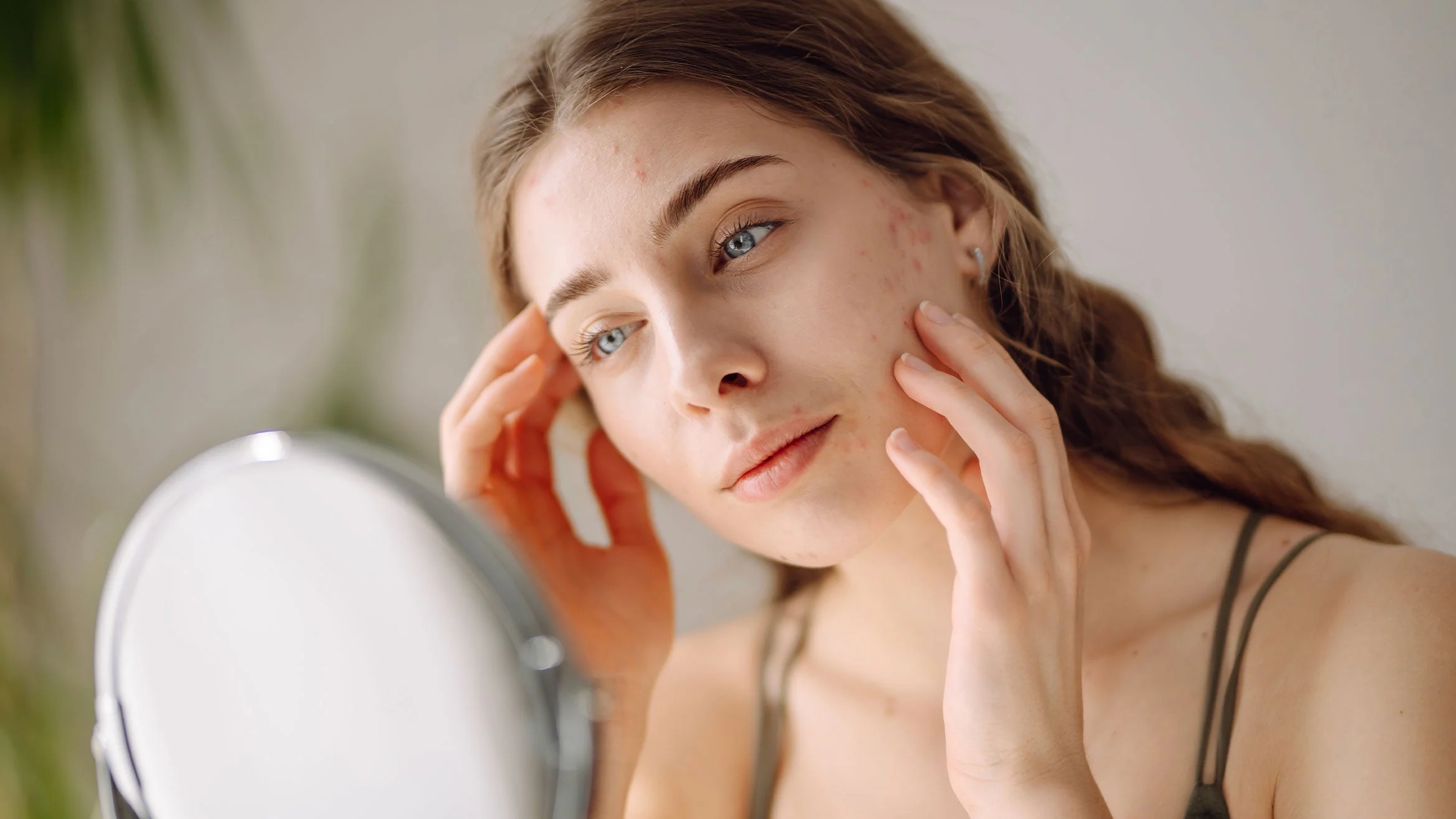
Asian young woman looking face skin in the mirror have a red rash on her face from cosmetic allergy
|
Symptom Group |
Common Signs |
Affected Areas (Typically) |
|---|---|---|
|
Inflammation |
Redness, swelling, heat |
Elbow/knee creases, neck, face |
|
Skin Texture |
Dryness, scaling, leathery patches, bumps |
Anywhere on the body |
|
Severe Flares |
Blisters, oozing, crusting, open sores |
Most often on hands, feet, and face |
|
Sensation |
Intense and persistent itching, burning |
The entire affected area |
Effective Management and Treatment Strategies
While there is no cure for eczema, there are many effective ways to manage the condition, reduce symptoms, and prevent flare-ups. A good management plan often involves a combination of at-home care, lifestyle adjustments, and medical treatments.
Building a Gentle Skincare Routine
A consistent, gentle skincare routine is your first line of defense against eczema. The goal is to keep your skin hydrated and protect its barrier function.
Bathing and Moisturizing
- Take lukewarm baths or showers: Hot water can strip your skin of its natural oils. Limit your time to 10-15 minutes.
- Use a gentle, fragrance-free cleanser: Harsh soaps can be very irritating. Look for products specifically designed for sensitive or eczematous skin.
- Pat your skin dry: Gently pat your skin with a soft towel, leaving it slightly damp.
- Moisturize immediately: Apply a thick, fragrance-free moisturizer within three minutes of bathing to lock in moisture. Ointments and creams are generally more effective than lotions for eczema.
This daily routine, often called “soak and seal,” is crucial for maintaining skin hydration. You should also moisturize at least one other time during the day.
Medical Treatments for Eczema
When at-home care isn’t enough to control your eczema, a doctor can recommend medical treatments. These options can help calm inflammation and reduce severe symptoms.
- Topical Corticosteroids: These are anti-inflammatory creams and ointments that are applied directly to the skin. They are a common and effective treatment for controlling flares.
- Topical Calcineurin Inhibitors (TCIs): These are non-steroidal prescription creams that work by reducing the immune system’s response in the skin. They are often used on sensitive areas like the face and eyelids.
- Biologics: For moderate to severe eczema, injectable biologic drugs can target specific parts of the immune system that cause inflammation.
- Phototherapy (Light Therapy): This involves exposing the skin to controlled amounts of natural or artificial ultraviolet light to reduce itching and inflammation.
- Oral Medications: In severe cases, a doctor might prescribe oral medications that suppress the immune system, such as cyclosporine or methotrexate.
Living Well with Eczema: Lifestyle and Home Remedies
Beyond skincare and medication, certain lifestyle habits can make a big difference in managing your eczema.
- Choose soft, breathable fabrics: Cotton and other soft materials are less likely to irritate your skin. Avoid wool and scratchy synthetic fabrics.
- Manage stress: Since stress can trigger flares, finding healthy ways to cope is important. Practices like meditation, yoga, or even just taking time for a hobby you enjoy can help.
- Keep your fingernails short: This reduces the damage to your skin from scratching, especially at night.
- Use a humidifier: In dry climates or during winter, a humidifier can add moisture to the air and help prevent your skin from drying out.
Making simple changes can have a profound impact. For further reading on wellness and health topics, resources like Forbes Planet can offer additional insights into holistic well-being.
Conclusion
Living with eczema can be challenging, but it doesn’t have to control your life. By understanding what it is, identifying your triggers, and adopting a proactive management plan, you can significantly reduce its impact. A consistent and gentle skincare routine is the foundation of good eczema care. When combined with smart lifestyle choices and the right medical treatments, you can achieve clearer, more comfortable skin. Remember to work closely with your doctor or a dermatologist to create a personalized plan that works for you. With knowledge and the right tools, you can take control of your eczema and live well.
Frequently Asked Questions (FAQ)
Q1: Is eczema contagious?
No, eczema is not contagious. It’s a non-infectious condition related to genetics and immune system function. You cannot catch it from or pass it on to another person through contact.
Q2: Can diet affect my eczema?
For some individuals, certain foods can trigger or worsen eczema symptoms. Common food allergens include dairy, eggs, nuts, soy, and wheat. If you suspect a food trigger, talk to your doctor about an elimination diet or allergy testing. It’s important not to remove major food groups without medical guidance.
Q3: Will my child outgrow their eczema?
Many children with eczema see their symptoms improve or disappear as they get older. However, there is no guarantee. Some people continue to have eczema into adulthood, though it may become less severe over time.
Q4: Can I use regular lotion for my eczema?
While any moisturizer is better than none, regular lotions are often not sufficient for eczema. They have a high water content and can evaporate quickly. It’s better to use a thick cream or an ointment, which are more effective at trapping moisture in the skin. Look for products that are fragrance-free and formulated for sensitive skin.
Q5: Is it okay to exercise if I have eczema?
Yes, exercise is great for your overall health. However, sweat can be a trigger for itching. To minimize irritation, wear loose-fitting, breathable clothing. Try to rinse off in a lukewarm shower immediately after a workout and apply your moisturizer right away.
Related Posts



Stay Informed With the Latest & Most Important News
Previous Post
Next Post
Previous Post

Next Post









Advertisement