

Now Reading: Trump Health: A Complete Look at Recent Updates and History
-
01
Trump Health: A Complete Look at Recent Updates and History

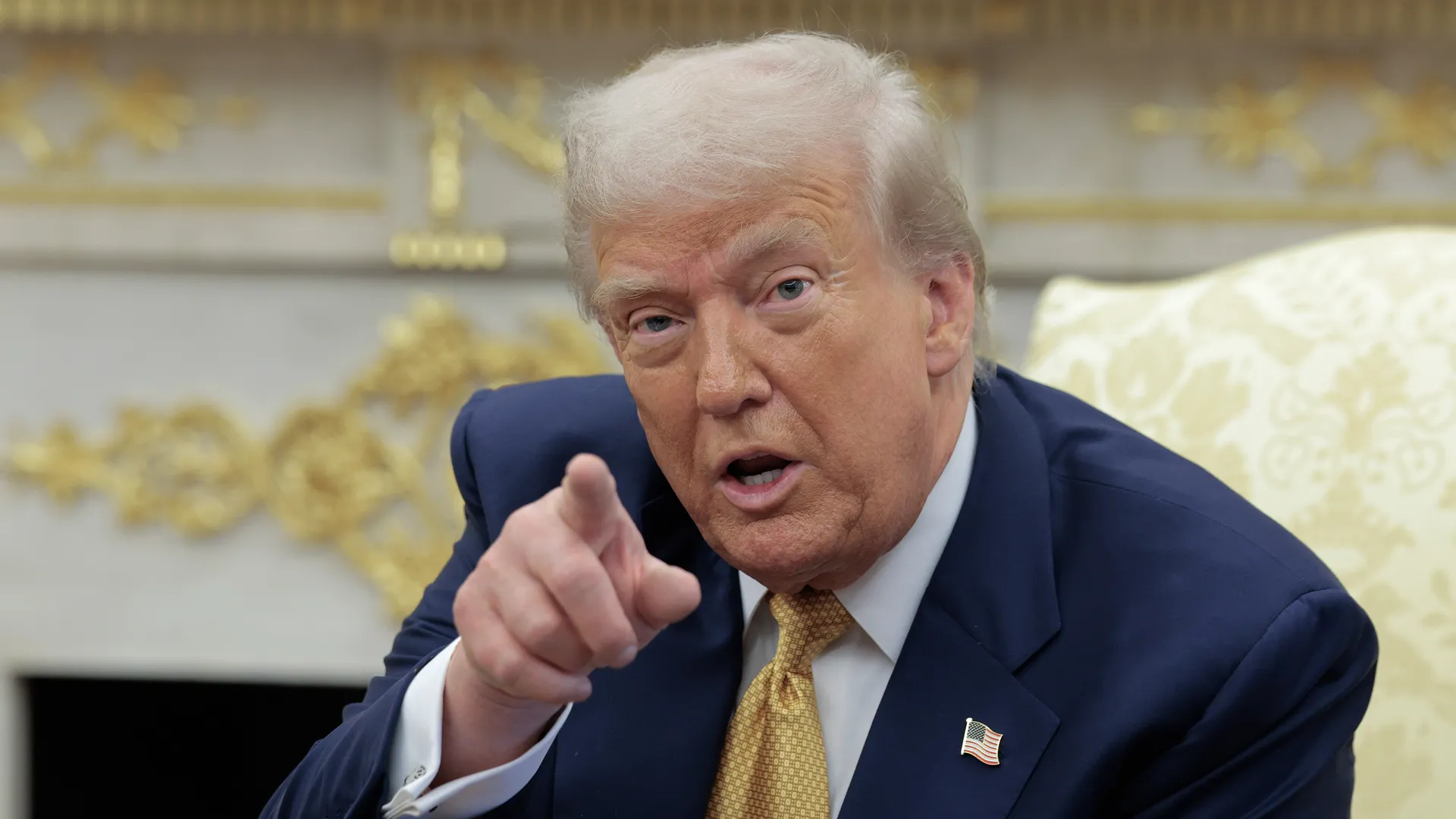
When discussing American politics, few topics generate as much curiosity and conversation as the physical well-being of its leaders. Specifically, trump health has been a subject of intense public interest for years. Whether you are a supporter, a critic, or just someone interested in presidential history, understanding the medical background of Donald Trump offers a fascinating glimpse into the life of one of the most famous figures in the world.
In this article, we will dive deep into everything you need to know about his medical history, daily habits, and the recent reports surrounding his well-being. We aim to break down complex medical jargon into simple, easy-to-understand language so everyone can grasp the full picture. From diet choices to doctor’s reports, we are covering it all.
Key Takeaways
- Public Interest: There is significant global attention on the physical condition of former and current presidents, especially regarding age and stamina.
- Medical Transparency: We will explore how much information has been released to the public over the years regarding trump health.
- Lifestyle Factors: A look at diet, exercise, and sleep habits that contribute to his overall constitution.
- Recent Updates: An analysis of the most current information available in 2026 regarding his physical status.
Why Trump Health Matters to the Public
The health of a president or a prominent political figure is never just a personal matter; it is a matter of public concern. When we talk about trump health, we are talking about the stamina required to lead a nation, hold rallies, and negotiate on the world stage. People naturally want to know if their leaders are fit enough to handle the immense stress of the job.
Historically, the American public has always been keen on knowing the medical details of their commanders-in-chief. From Franklin D. Roosevelt’s hidden polio to John F. Kennedy’s chronic back pain, transparency—or the lack thereof—has shaped public perception. In the case of Donald Trump, his energetic campaign style often contrasts with questions about his diet and age, making the topic even more intriguing for voters and observers alike.
Furthermore, the discussion around trump health often influences the stock market, international relations, and voter confidence. If a leader is perceived as strong and robust, it projects stability. Conversely, rumors of illness can cause uncertainty. Therefore, accurate reporting and factual information are crucial, rather than relying on speculation or internet rumors.
Overview of Medical History
To understand the current state of affairs, we must look back at the medical history that defines trump health. Throughout his life, Donald Trump has generally been described by his physicians as having excellent physical strength and stamina. Unlike many people his age, he has avoided alcohol and tobacco his entire life, a decision he attributes to the advice of his older brother.
His medical reports from his time in office typically showed him to be in good health for a man of his age, though his weight has often been a topic of discussion. Doctors noted that while his Body Mass Index (BMI) placed him in the obese category at times, his overall cardiovascular health remained stable. This resilience is often highlighted by his supporters as evidence of his unique constitution.
However, no medical history is without its minor issues. Over the years, there have been mentions of high cholesterol, for which he takes statins. These are common medications for men in his age bracket. Understanding these baseline facts helps us contextualize any new information that surfaces regarding trump health in the news today.
Diet and Nutrition Habits
One of the most famous aspects of trump health is his diet. It is widely known that he has a fondness for fast food. Reports and photos often show him enjoying meals from McDonald’s, KFC, or Burger King. This preference for fast food is something many Americans can relate to, but it also raises questions among nutritionists about long-term heart health.
His diet typically includes well-done steaks with ketchup, diet soda, and very few vegetables. While this might sound alarming to health enthusiasts, his doctors have often marveled at his resilience despite these choices. Some experts suggest that his avoidance of alcohol and cigarettes may counterbalance some of the negative effects of a high-calorie, high-sodium diet.
However, as he ages, there has been speculation about whether his dietary habits have shifted. Maintaining energy levels in your late 70s requires fuel, and some reports suggest he may have incorporated slightly healthier options or portion control, though fast food remains a staple. This unique dietary approach is a central pillar of the trump health narrative.
Common Foods in His Diet
- Fast Food Burgers: Often consumed without the bun to reduce carbs.
- Diet Soda: He is known to drink several cans a day.
- Steak: Usually cooked well-done.
- Ice Cream: A favorite dessert, often served with two scoops.
Exercise and Physical Activity
When discussing trump health, the topic of exercise is often debated. Unlike presidents who were avid runners or basketball players, Trump prefers a different approach. His primary form of exercise is golf. He is an avid golfer and spends a significant amount of time on the course. While he often uses a golf cart, the swinging motion and time outdoors contribute to his physical activity.
He has famously stated that he believes the human body is like a battery with a finite amount of energy, and that intense exercise depletes this energy unnecessarily. This philosophy is quite different from modern medical advice, which encourages regular cardio and strength training for longevity. Despite this, he maintains a rigorous schedule that would exhaust many people half his age.
His ability to stand at podiums for hours, travel extensively, and maintain a high-energy presence suggests that he has a natural stamina that defies traditional fitness norms. Whether you agree with his “battery” theory or not, his activity levels are a key component of the ongoing trump health discussion.
The Impact of Stress on Health
The presidency and high-stakes business dealings come with an unimaginable amount of stress. Stress is a silent killer, known to contribute to heart disease, high blood pressure, and a weakened immune system. When evaluating trump health, we cannot ignore the decades of high-pressure environments he has navigated.
Interestingly, some psychological profiles suggest that certain personalities thrive on stress and conflict rather than being worn down by it. Trump seems to be energized by rallies, debates, and media interactions. This psychological resilience can have a positive impact on physical health, as the body releases different hormones when facing challenges one enjoys versus challenges one dreads.
However, chronic stress takes a toll on everyone eventually. The lack of sleep—he reportedly sleeps only four to five hours a night—combined with constant public scrutiny creates a biological load. Monitoring how stress manifests physically is crucial for any medical team overseeing trump health.
Cardiovascular Health Details
Heart health is the number one concern for men in their 70s and 80s in the United States. Therefore, the cardiovascular aspect of trump health is scrutinized closely. During his presidency, his physical exams revealed a coronary calcium score that indicated some plaque buildup in his arteries. This is not uncommon for his age group but requires monitoring.
To manage this, he has been prescribed cholesterol-lowering medication (statins) and daily aspirin. These preventative measures are standard protocol to reduce the risk of heart attacks or strokes. His blood pressure has generally been reported as falling within a normal range, which is a positive indicator given his high-stress lifestyle and diet.
In 2026, reports indicate that he continues to monitor his heart health closely. Regular check-ups, CT scans, and blood work are part of the routine to ensure that the “engine” keeps running smoothly. Keeping cholesterol in check remains a primary goal for his medical team.
Cardiovascular Stats Table
|
Health Metric |
Typical Status |
Management Strategy |
|---|---|---|
|
Blood Pressure |
Normal Range (e.g., 120/80) |
Regular monitoring |
|
Cholesterol |
Elevated in past |
Statins (Rosuvastatin) |
|
Heart Rate |
Resting rate ~70 bpm |
No specific intervention |
|
Calcium Score |
Moderate plaque presence |
Aspirin, Statins, Diet |
Cognitive Health and Acuity
As with any leader of advanced age, cognitive health is a major part of the trump health conversation. Supporters point to his ability to speak unscripted for hours as proof of his sharp mental acuity. His improvisational style requires quick thinking and memory recall, which he demonstrates regularly at public events.
Critics, however, often analyze his speech patterns for signs of decline, a practice common in politics for aging candidates. To address these concerns, Trump famously took the Montreal Cognitive Assessment (MoCA) during his presidency and reportedly “aced” it. This test screens for mild cognitive impairment, and his perfect score was touted as evidence of his mental fitness.
Maintaining cognitive health involves genetics, lifestyle, and mental engagement. Remaining active in complex decision-making and social interaction—both of which he does daily—is known to be protective against cognitive decline. Thus, mental sharpness remains a robust part of his overall health profile.
Sleep Patterns and Energy
It is well-documented that Donald Trump is not a heavy sleeper. He has frequently claimed to sleep only about four to five hours per night. In the context of trump health, this is an anomaly. Most health organizations recommend seven to nine hours of sleep for optimal recovery and health.
How does he function on so little rest? Some individuals are “short sleepers” by confusing genetics, meaning they can function fully on less sleep than the average person. This seems to be the case here. He often works late into the night making phone calls and is up early watching the news.
While short-term sleep deprivation can lead to irritability and poor decision-making, chronic short sleepers adapt. However, as the body ages, the need for restorative rest often increases. Whether his sleep patterns have changed in recent years is a private matter, but his public energy levels suggest he has not slowed down significantly.
Comparison with Other Presidents
To fairly evaluate trump health, it is helpful to compare him with other recent presidents.
- Barack Obama: Known for intense cardio and basketball, maintained a very lean physique.
- George W. Bush: An avid mountain biker and runner with a high fitness level.
- Joe Biden: Exercised regularly but faced scrutiny regarding frailty and gait due to age.
Compared to these figures, Trump is unique. He is heavier than Obama or Bush were in office, and he exercises less in the traditional sense. However, he projects a physical dominance and solidity that is different from the “runner’s physique.” His health narrative is built on durability rather than athleticism.
This comparison highlights that there is no single prototype for presidential health. Different body types and lifestyles can sustain the demands of the office, provided there are no underlying chronic conditions that interfere with duties.
Recent Medical Updates (2026)
Moving into the current year, trump health remains stable according to available reports. In early 2026, there were discussions surrounding a routine check-up that included a CT scan. Sources indicate this was a preventative measure to ensure all cardiovascular metrics were in line.
Despite rumors that occasionally circulate on social media, official statements often reaffirm his fitness. He has appeared at numerous events showing his characteristic vigor. The focus of his medical team seems to be on preventative care—managing weight, cholesterol, and blood pressure to prevent issues before they start.
There have been no major surgeries or hospitalizations reported recently that would alter the public’s understanding of his condition. This stability is significant as he continues his public life.
Handling of COVID-19
A significant chapter in the story of trump health was his battle with COVID-19 in October 2020. At the time, his age and weight placed him in a high-risk category. He was hospitalized at Walter Reed National Military Medical Center and received cutting-edge treatments, including monoclonal antibodies.
His recovery was remarkably swift. Within days, he was back at the White House, famously removing his mask on the balcony. This episode reinforced the narrative of his physical resilience. It also highlighted the level of medical care available to a president, which is understandably the best in the world.
Long-term effects of COVID-19, known as “Long COVID,” affect many people, but there have been no reports suggesting he suffers from lingering symptoms. His lung function and energy levels appeared to return to baseline very quickly after the infection.
The Role of Genetics
Genetics play a massive role in anyone’s health, and trump health is no exception. His parents lived long lives; his father, Fred Trump, lived to be 93, and his mother, Mary Anne MacLeod Trump, lived to be 88. This suggests a genetic predisposition for longevity.
Longevity runs in the family, which is a strong predictor for his own life expectancy. While lifestyle factors like diet and exercise are important, having “good genes” can often buffer against bad habits. This genetic advantage might explain why he remains active and energetic despite a diet high in processed foods and a lack of cardio exercise.
However, genetics also bring risks. His father developed Alzheimer’s disease in his later years. This family history is likely why cognitive screening is a part of his medical protocol, ensuring that any early signs would be detected and managed.
Common Myths and Rumors
The internet is full of speculation, and trump health is a magnet for rumors.
- Myth: He has had secret strokes.
-
- Fact: While he made an unscheduled visit to Walter Reed in 2019, physicians denied it was for a stroke or cardiac event, describing it as part of a phased physical exam.
- Myth: He wears a pacemaker.
-
- Fact: There is no medical evidence or public record to support the claim that he has a pacemaker or similar device.
- Myth: He cannot walk ramps or drink water properly.
-
- Fact: Viral videos often take moments out of context (e.g., slippery ramps or holding a glass carefully). Full videos usually show normal movement immediately after.
Separating fact from fiction is essential. Relying on official medical summaries released by White House physicians or verified doctors is the only way to get an accurate picture.
The Future of Trump Health
As we look ahead, what can we expect regarding trump health? Aging is inevitable, and the human body changes. We can expect his medical team to continue aggressive preventative monitoring. Weight management may become a larger focus to reduce strain on joints and the heart.
We may also see adjustments in his schedule to allow for more rest, even if he doesn’t admit to needing it. The public will likely continue to analyze every movement, speech stumble, or doctor’s visit. Transparency will remain a key demand from the public.
Ultimately, his health will be defined by his ability to maintain his current pace. As long as he is holding rallies and giving interviews, the narrative of his robustness will likely persist.
Future Health Considerations
- Joint Health: Monitoring for arthritis or mobility issues.
- Weight Management: Potential dietary changes to shed pounds.
- Sensory Health: Regular checks for vision and hearing, common in aging.
- Cognitive Maintenance: Continued engagement and screening.
Frequently Asked Questions (FAQ)
Q: What is the most recent update on trump health?
A: As of early 2026, reports indicate he is in stable health, managing common age-related metrics like cholesterol but maintaining high energy levels.
Q: Does he still eat fast food?
A: Yes, reports suggest that fast food remains a preference, though there may be efforts to modify portions or specific items.
Q: How tall is Donald Trump?
A: He stands approximately 6 feet 3 inches tall.
Q: Has he had any major surgeries?
A: Aside from an appendectomy at a young age and standard procedures (like colonoscopies), he has not had major surgeries like heart bypasses publicly reported.
Q: Who is his doctor?
A: His physicians have changed over time depending on his status (President vs. former President), but he retains access to top-tier medical professionals.
Conclusion
In summary, trump health is a complex mix of genetic good fortune, unique lifestyle choices, and the inevitable effects of aging. Despite a diet that defies nutritional standards and a high-stress life, he has demonstrated remarkable resilience and stamina. From his recovery from COVID-19 to his daily energy on the campaign trail, his physical condition continues to surprise experts and engage the public.
As he moves forward, the world will keep watching. Whether you view his health with concern or admiration, the facts show a man who remains active and engaged well into his later years. For more insights on global leadership and lifestyle, you can explore articles at https://forbesplanet.co.uk/. Maintaining health is a lifelong journey, and every individual’s path is different.
For a broader context on his presidency and life, you can read more at this Wikipedia link.
Stay Informed With the Latest & Most Important News
Previous Post
Next Post











Advertisement