

Now Reading: Trade Schools: A Fast Track to a Rewarding Career
-
01
Trade Schools: A Fast Track to a Rewarding Career


Have you ever considered what it takes to land a great job? For many, the first thought is a four-year university degree. While that’s a fantastic path for some, it’s not the only one. There’s another powerful option that can lead you to a high-demand, well-paying career, often in less time and with less debt. We’re talking about trade schools. These specialized institutions focus on teaching the practical, hands-on skills you need to succeed in specific skilled trades, from healthcare to technology and construction.
This guide will explore the world of trade schools, showing you what they offer, the careers they can lead to, and how they compare to traditional colleges. If you’re looking for an educational path that’s direct, career-focused, and in high demand, you’ve come to the right place.
Key Takeaways
- Trade schools provide focused, hands-on training for specific careers, often in less than two years.
- They can be a more affordable and faster alternative to a traditional four-year college degree.
- Graduates of trade schools are in high demand across many essential industries, including healthcare, technology, and construction.
- Choosing the right program involves researching accreditation, job placement rates, and program costs.
What Exactly Are Trade Schools?
Trade schools, also known as vocational schools or technical colleges, are post-secondary educational institutions designed to train students for a specific job in a skilled trade. Unlike a four-year university that requires a broad range of general education classes (like history, literature, and science), trade schools cut straight to the chase. The curriculum is built around the practical knowledge and hands-on experience you will use on day one of your new career.
Think of it this way: if you want to become a dental hygienist, a trade school program will immerse you in subjects like oral anatomy, radiology, and patient care techniques. You won’t spend semesters studying subjects unrelated to your chosen field. This focused approach is the hallmark of trade schools. The goal is simple: to make you a skilled and competent professional as efficiently as possible. This career-centric model is why many students find these programs so appealing.
The Difference Between Trade Schools and Community Colleges
While people sometimes use the terms interchangeably, there are key differences between trade schools and community colleges. Community colleges often offer a mix of programs. They provide two-year associate degrees that can be transferred to a four-year university, as well as some vocational certificate programs. Their structure often mirrors a traditional college, with semesters and a broader range of general education requirements.
In contrast, trade schools are typically more specialized. They concentrate almost exclusively on career training. Their programs are usually shorter, ranging from a few months to two years, and result in a diploma or certificate. The learning environment is intensely hands-on, with students spending a significant amount of time in workshops, labs, or clinical settings, practicing the skills they will need in the workforce.
Top Fields You Can Enter Through Trade Schools
The demand for skilled trade professionals is booming. As many workers from the baby boomer generation retire, they leave behind openings in crucial fields that require specialized training. Trade schools are the primary pipeline for filling these essential roles. The skills you learn are not easily outsourced and are fundamental to the functioning of our communities.
You might be surprised by the wide variety of modern, high-paying careers you can launch with a trade school education. These are not just jobs; they are stable, rewarding professions with opportunities for growth and even entrepreneurship. Let’s explore some of the most popular and in-demand fields.
Healthcare and Medical Trades
The healthcare industry is constantly growing, and many of its most critical roles don’t require a four-year medical degree. Trade schools offer fast-track programs for a number of these essential careers.
- Dental Hygienist: Work alongside dentists to clean teeth, take x-rays, and educate patients on oral health.
- Licensed Practical Nurse (LPN): Provide basic nursing care, working under the direction of Registered Nurses (RNs) and doctors in hospitals, clinics, and nursing homes.
- Medical Assistant: Perform administrative and clinical tasks in doctor’s offices, such as scheduling appointments, taking vital signs, and drawing blood.
- Surgical Technologist: Prepare operating rooms, arrange equipment, and assist doctors during surgeries.
- Pharmacy Technician: Help pharmacists dispense prescription medication to customers or health professionals.
Construction and Building Trades
Our cities and towns are always being built and maintained, creating a constant need for skilled construction professionals. Trade schools are the go-to place for learning these foundational crafts.
- Electrician: Install, maintain, and repair electrical power, communications, lighting, and control systems in homes, businesses, and factories.
- Plumber: Install and repair pipes and fixtures that carry water, steam, air, or other liquids or gases in homes and businesses.
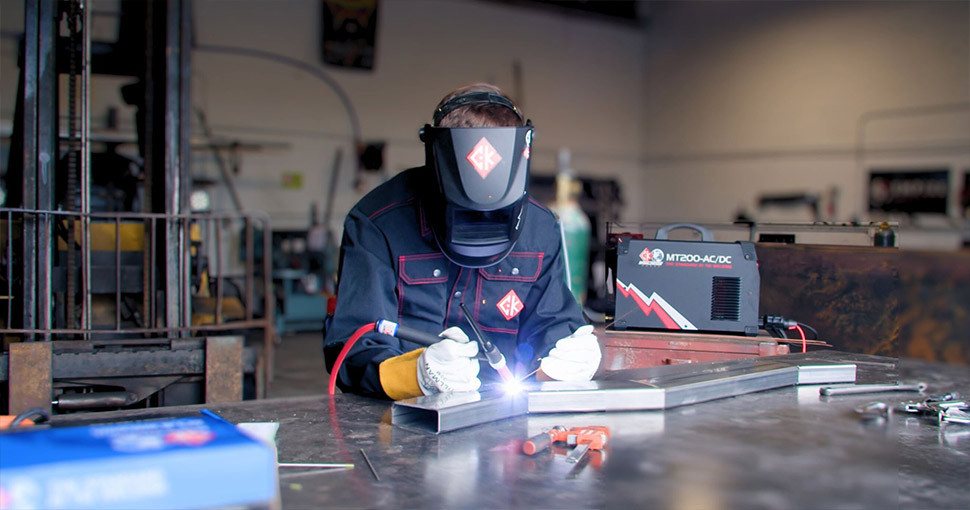
- Welder: Use hand-held or remotely controlled equipment to join or cut metal parts. Welders work in manufacturing, construction, and infrastructure projects.
- HVAC Technician: Install, maintain, and repair heating, ventilation, cooling, and refrigeration systems that control the temperature and air quality in buildings.
Technology and IT Trades
The digital world relies on a vast infrastructure that needs skilled technicians to build and maintain it. A university degree isn’t always necessary to enter this dynamic field.
- IT Support Specialist: Help organizations and individuals with their computer hardware, software, and networking issues.
- Web Developer: While some have degrees, many successful web developers get their start through focused bootcamps or trade school programs that teach coding languages like HTML, CSS, and JavaScript.
- Network Systems Technician: Build and maintain the data communication networks that power businesses and organizations.
Culinary and Hospitality Trades
If you have a passion for food or service, trade schools can turn that passion into a profession.
- Chef or Culinary Artist: Culinary schools are a type of trade school that provides intensive training in cooking techniques, kitchen management, and food safety.
- Pastry Chef: Specialize in creating desserts, breads, and other baked goods.
The Advantages of Choosing a Trade School
Opting for a trade school education comes with a unique set of benefits that are particularly attractive in today’s fast-paced world. For students who are eager to start their careers and prefer hands-on learning, these advantages can make trade schools a smarter choice than a traditional four-year college.
1. Faster Path to a Career
One of the most significant benefits is speed. Most trade school programs can be completed in two years or less, with many certificate programs taking under a year. A traditional bachelor’s degree, on the other hand, takes four years to complete. This means you can enter the workforce, start earning a salary, and begin gaining valuable professional experience while your peers in four-year programs are still in the classroom. This head start can be a major advantage, both financially and professionally.
2. Lower Educational Costs
The cost of a four-year college education has risen dramatically. Student loan debt is a major concern for millions of Americans. Trade schools generally offer a much more affordable alternative. Because the programs are shorter and more focused, the total tuition is significantly lower. While costs vary by program and school, the average cost is often a fraction of what you would pay for a bachelor’s degree from a public or private university. This allows many graduates to start their careers with little to no student debt.
3. High Demand for Graduates
As mentioned earlier, there is a serious shortage of skilled trade workers in the United States. This “skills gap” means that graduates of trade schools are in very high demand. Companies are actively seeking qualified electricians, welders, medical assistants, and HVAC technicians. This high demand often translates to excellent job security and competitive starting salaries. You are training for a job that society truly needs, making your skills incredibly valuable in the marketplace.
4. Hands-On, Practical Learning
Do you learn best by doing rather than by listening to lectures? If so, the trade school environment is perfect for you. The curriculum is heavily focused on practical, hands-on training that simulates the real work environment. You will spend your time in workshops, labs, and clinical settings, using the same tools and equipment you will use in your future job. This learning style is not only more engaging for many students but also ensures you are fully prepared for the challenges of your career from day one.
Comparing Trade School and Four-Year College
Deciding between trade schools and a four-year college is a major life decision. There is no single “right” answer; the best path depends entirely on your personal goals, learning style, and career aspirations. The table below outlines some of the key differences to help you make an informed choice.
|
Feature |
Trade School |
Four-Year College |
|---|---|---|
|
Time Commitment |
6 months – 2 years |
4+ years |
|
Curriculum Focus |
Specific career skills |
Broad academic education |
|
Learning Style |
Primarily hands-on, practical |
Primarily academic, theoretical |
|
Cost |
Generally lower tuition |
Generally higher tuition |
|
Outcome |
Diploma or Certificate |
Bachelor’s Degree |
|
Job Readiness |
Ready for a specific job |
May require further training |
Ultimately, a four-year college is an excellent choice for careers that require a deep theoretical foundation and extensive academic study, such as doctors, lawyers, engineers, and scientists. Trade schools, on the other hand, are the ideal choice for careers that are built on specific, practical skills and where hands-on competency is the most important qualification.
How to Choose the Right Trade School and Program
Once you’ve decided that a trade school is the right path for you, the next step is to choose the right institution and program. This decision is just as important as choosing a traditional college. A high-quality program will set you up for success, while a low-quality one could be a waste of time and money.
Accreditation Matters
Accreditation is the most important factor to consider. An accredited school has been reviewed by an independent agency and found to meet certain standards of quality. Attending an accredited institution is crucial for several reasons:
- It ensures you are receiving a quality education.
- It is often a requirement for receiving federal financial aid (like grants and loans).
- Employers often prefer to hire graduates from accredited schools.
- It may be necessary for obtaining professional licensure or certification in your field.
You can check a school’s accreditation through the U.S. Department of Education’s database or through agencies like the Accrediting Commission of Career Schools and Colleges (ACCSC).
Investigate Job Placement Rates
A trade school’s primary promise is to prepare you for a job. Therefore, one of the best indicators of a school’s success is its job placement rate. Ask the admissions office for their statistics. A reputable school will be transparent about what percentage of their graduates find employment in their field of study within six months to a year after graduation. Don’t be afraid to ask for details, such as the types of companies that hire their graduates and the average starting salaries.
Understand the Full Cost and Financial Aid Options
While trade schools are generally more affordable, you still need to understand the full cost. This includes tuition, fees, books, tools, and any other required supplies. Ask for a complete breakdown of all costs.
Then, explore your financial aid options. Many students at accredited trade schools are eligible for the same types of federal aid as university students, including Pell Grants and federal student loans. The school’s financial aid office can help you fill out the Free Application for Federal Student Aid (FAFSA) to see what you qualify for. Some schools also offer their own scholarships or payment plans.
Visit the Campus and Speak to People
Before you enroll, visit the campus. Get a feel for the environment. Are the facilities modern and well-maintained? Are the workshops and labs equipped with up-to-date tools and technology? Sit in on a class if possible.
Most importantly, talk to current students and instructors. Ask them about their experiences. Students can give you an honest perspective on the workload, the quality of instruction, and the school’s culture. Instructors can tell you about their professional background and their connections to the industry. These conversations can provide valuable insights that you won’t find in a brochure. For additional perspectives on career and business education, exploring resources from established outlets like Forbes Planet can offer a broader view.
Conclusion: Build Your Future with a Skilled Trade
The traditional path of a four-year degree is a great option for many, but it is far from the only route to a successful and fulfilling career. Trade schools offer a direct, cost-effective, and practical alternative that leads to high-demand jobs. By providing focused, hands-on training, these institutions empower students to enter the workforce quickly with the skills employers are desperately seeking.
If you are a hands-on learner who is eager to start your career without accumulating massive debt, exploring the programs offered by trade schools could be one of the best decisions you ever make. From ensuring our homes have power and water to providing critical healthcare services, the professionals trained at these schools are the backbone of our economy. Your future in a rewarding, stable, and essential career could be just a short training program away.
Frequently Asked Questions (FAQ)
Q1: Are trade school degrees respected by employers?
Absolutely. Employers in the skilled trades value practical skills and hands-on experience above all else. A diploma or certificate from a reputable, accredited trade school is highly respected because it signals that a candidate has the specific, job-ready training needed to be productive from day one. In these fields, what you can do is often more important than a theoretical degree.
Q2: Can I get financial aid for trade school?
Yes. If you attend an accredited trade school, you are often eligible for the same federal financial aid programs as students at traditional colleges. This includes Pell Grants (which don’t have to be repaid) and federal student loans. You will need to complete the FAFSA to determine your eligibility. Many schools also offer their own scholarships and payment plans.
Q3: How much do trade school graduates earn?
Salaries for trade school graduates vary widely depending on the field, location, and level of experience. However, many skilled trades offer very competitive wages. For example, experienced electricians, plumbers, and welders can often earn salaries comparable to or even exceeding those of some four-year degree holders. The Bureau of Labor Statistics (BLS) is an excellent resource for researching salary data for specific trades.
Q4: Is a trade school easier than a four-year college?
“Easier” is subjective. Trade schools are different, not necessarily easier. The curriculum is academically less broad but can be very rigorous and demanding in a practical sense. The learning is intense and fast-paced, requiring dedication and a strong work ethic. Students who excel in hands-on, applied learning may find a trade school environment more suitable and engaging than a traditional academic setting.
Q5: Can I transfer credits from a trade school to a college?
This is generally difficult. Because the curriculum at trade schools is so specialized and career-focused, the credits often do not align with the general education requirements of a four-year college. However, some community colleges may have articulation agreements with local trade schools that allow for some credits to be transferred into an associate degree program. If this is a goal for you, it is essential to research these agreements before enrolling in a trade school program.
Stay Informed With the Latest & Most Important News
Previous Post
Next Post










Advertisement