

Now Reading: The Ultimate Guide to Tonkotsu Ramen: A Bowl of Pure Comfort
-
01
The Ultimate Guide to Tonkotsu Ramen: A Bowl of Pure Comfort


Key Takeaways
- Origin Story: Tonkotsu ramen originated in Fukuoka, Japan, specifically the Hakata district, created by a delightful culinary accident.
- The Secret: The creamy, milky broth comes from boiling pork bones for hours until the collagen breaks down into gelatin.
- Noodle Type: It is traditionally served with thin, straight noodles that have a firm bite.
- Global Popularity: It has become one of the most beloved styles of ramen worldwide, especially in the US.
- DIY Challenge: Making authentic tonkotsu ramen at home is a long process but deeply rewarding for food lovers.
What Exactly Is Tonkotsu Ramen?
If you have ever stared into a bowl of ramen that looked like creamy milk but tasted like savory pork heaven, you were likely looking at tonkotsu ramen. Unlike other types of ramen that are defined by their seasoning—like shio (salt), shoyu (soy sauce), or miso (fermented bean paste)—tonkotsu is defined by its broth base. The word “tonkotsu” literally translates to “pork bone” in Japanese. This distinction is crucial because it tells you exactly what to expect: a rich, hearty soup made entirely from pork bones.
When you order tonkotsu ramen, you aren’t just getting a soup; you are getting an emulsion. This is a fancy cooking term that means fat and water have mixed together perfectly. In most soups, the fat floats on top. In tonkotsu ramen, the boiling process is so intense and long that the fat breaks down and mixes with the water, creating that signature opaque, white look. It is thick, sticky, and coats your mouth with every spoonful.
This dish is distinct from tonkatsu, which is a breaded, deep-fried pork cutlet. It is a common mistake for beginners to mix up the two words because they sound so similar! But once you taste the deep, umami-packed flavor of the ramen broth, you will never forget the difference. It is widely considered the king of rich ramen broths and has a cult following all over the world.
The Accidental History of Tonkotsu Ramen
Believe it or not, the creamy white soup we love today was originally a mistake. The story takes us back to 1947 in Kurume, a city in the Fukuoka Prefecture of Japan. A ramen shop owner named Katsumi Hanada originally sold a clear pork broth. One day, while preparing the soup, the heat was accidentally left on high for too long. Instead of a clear soup, the pot was filled with a milky, white liquid.
Most chefs would have thrown it away, thinking it was ruined. However, when they tasted it, they realized the high heat had extracted distinct flavors from the bone marrow that a gentle simmer never could. The result was richer and more delicious than the original recipe. This “mistake” quickly spread to the nearby Hakata district in Fukuoka City, which became the true spiritual home of tonkotsu ramen.
Today, “Hakata Ramen” is almost synonymous with tonkotsu ramen. The style evolved to suit the busy laborers of the area. They needed a meal that was quick to eat but filling enough to power them through a long day. This is why the noodles in this style are traditionally very thin—they cook in seconds, allowing hungry workers to get their food fast.
Why The Broth Is So Creamy (It’s Not Milk!)
One of the biggest misconceptions about tonkotsu ramen is that chefs add milk or cream to get that white color. That is almost never the case. The creamy texture and white color come 100% from pork bones, fat, and collagen. It is a feat of chemistry happening right in the stock pot.
To make the broth, chefs use specific parts of the pig, usually trotters (feet) and femurs (leg bones). These parts are high in collagen and marrow. The bones are cleaned thoroughly and then boiled at a rolling boil for a very long time—often 12, 18, or even 24 hours. This aggressive boiling agitation smashes the fat and water molecules together.
As the collagen melts, it turns into gelatin. This gelatin acts as a thickener, giving the soup a heavy body that feels almost sticky on your lips. If you let a bowl of real tonkotsu ramen cool down, the surface will often form a film, or the whole bowl might turn into a jelly-like solid. That is the sign of a high-quality broth loaded with natural collagen.
The Science of Emulsification
|
Component |
Role in Broth |
Result |
|---|---|---|
|
Pork Bones |
The foundation |
Provides the raw material for flavor and texture. |
|
Marrow |
Flavor source |
Adds deep, savory notes and fat. |
|
Collagen |
Texture agent |
Breaks down into gelatin to thicken the liquid. |
|
High Heat |
The catalyst |
Forces oil and water to mix (emulsify). |
|
Time |
The extractor |
Ensures every bit of flavor is pulled from the bone. |
The Noodles: Thin, Straight, and Firm
The broth might be the star, but the noodles are the supporting actor that holds the whole show together. In the world of tonkotsu ramen, specifically the Hakata style, the noodles are distinct. They are thin, straight, and contain low water content. This is very different from the wavy, yellow, egg-heavy noodles you might find in Sapporo-style miso ramen.
Because the noodles are so thin, they can easily become soggy if they sit in the hot soup too long. This is why portions of noodles in Hakata ramen shops are often smaller. Instead of one giant bowl of soggy noodles, customers order “kaedama”—a refill of fresh, hot noodles to put into their remaining soup. This ensures every bite has the perfect texture.
When ordering, you can often specify how hard you want your noodles cooked. The terminology ranges from yawaraka (soft) to bari-kata (very hard) or even harigane (wire-hard). For the authentic experience, you should try ordering them katamen (firm) or bari-kata. The firm texture provides a nice contrast to the soft, creamy soup.
Noodle Firmness Levels
- Bari-Yawa (Super Soft): Rarely ordered, almost mushy.
- Yawa (Soft): Good for those with sensitive stomachs.
- Futsu (Normal): The standard texture.
- Kata (Firm): The most popular choice for ramen enthusiasts.
- Bari-Kata (Very Hard): For those who like a serious chew.
- Harigane (Wire Hard): Barely cooked, very floury texture.
Essential Toppings for the Perfect Bowl
A bowl of tonkotsu ramen isn’t complete without toppings. While modern ramen shops get creative with everything from truffle oil to parmesan cheese, the classic toppings remain the gold standard. These ingredients are chosen to cut through the richness of the pork broth or add texture.
Chashu (Braised Pork Belly): This is the most common topping. Slices of pork belly are simmered in soy sauce, mirin, and sugar until tender. The salty, sweet meat pairs perfectly with the savory soup.
Ajitsuke Tamago (Seasoned Egg): A soft-boiled egg with a jammy, golden yolk. It is marinated in a soy sauce mixture, giving the white a brown tint and a salty flavor.
Wood Ear Mushrooms (Kikurage): These are thin strips of black fungus. They don’t have much flavor on their own, but they have a crunchy texture that contrasts wonderfully with the soft noodles.
Green Onions (Negi): A generous pile of chopped scallions is essential. The sharp, fresh onion flavor helps cut through the heavy grease of the broth, refreshing your palate.
Pickled Ginger (Beni Shoga): You will often see a jar of bright red pickled ginger on the table. This is meant to be eaten between bites or mixed in at the end to cleanse the palate from the fatty soup.
How to Eat Tonkotsu Ramen Like a Pro
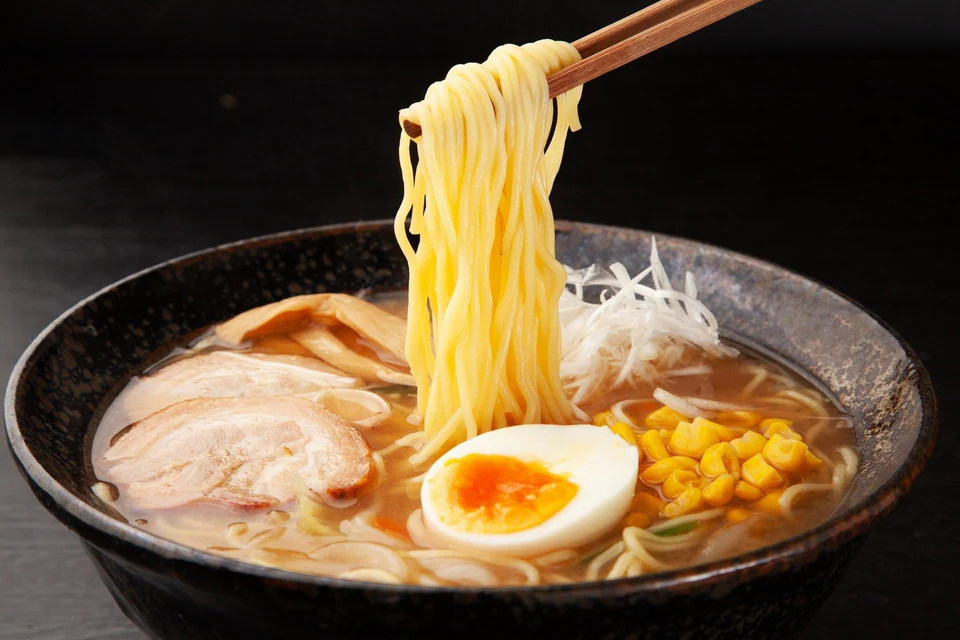
Eating ramen is not just about sustenance; it is an experience. In the US, we are taught that slurping is rude. In a ramen shop, however, slurping is not only accepted—it is encouraged! Slurping helps cool the hot noodles as they enter your mouth and also aerates the broth, spreading the flavor across your tongue.
First, taste the soup. Do not add any extra spices or condiments yet. Respect the chef’s work and taste the baseline flavor. Grab your spoon (renge) and take a sip. Let the rich pork flavor coat your mouth.
Next, grab a small amount of noodles with your chopsticks. Lift them out of the soup, bring them to your mouth, and slurp loudly. Don’t be shy! Alternate between noodles, toppings, and soup. If you finish your noodles but still have soup left, raise your hand and ask for kaedama (noodle refill) if the shop offers it.
Finally, when you are done, it is a great compliment to the chef to finish all the soup. In Japan, seeing an empty bowl with just the rim visible is a sign that the customer truly enjoyed the meal.
Regional Variations of Tonkotsu
While the Hakata style is the most famous, tonkotsu ramen has evolved as it spread across Japan and the world. Different regions have tweaked the recipe to suit local tastes, creating exciting sub-genres of this pork bone soup.
Kurume Ramen: As mentioned earlier, this is the original. The soup here is often even richer and more pungent than Hakata style. Some shops use a “calling back” method where they never empty the pot completely, constantly adding new bones to old soup, similar to a sourdough starter.
Tokyo Tonkotsu-Shoyu: In Yokohama and parts of Tokyo, a style called Iekei became popular. This blends the creamy tonkotsu base with a savory chicken oil and a strong soy sauce tare (seasoning). The noodles here are much thicker and shorter than the Hakata variety.
Kumamoto Ramen: This variation hails from the Kumamoto prefecture, south of Fukuoka. The broth is similar, but they add roasted garlic chips and garlic oil (mayu). This gives the soup a smoky, nutty aroma that garlic lovers adore.
Kagoshima Ramen: This style often mixes pork bones with chicken stock and vegetables, resulting in a lighter, clearer broth than the standard tonkotsu ramen. The noodles are also slightly thicker.
Making Tonkotsu Ramen at Home: A Weekend Project
Let’s be honest: making authentic tonkotsu ramen at home is not a 30-minute meal. It is a labor of love that will likely take you two days. However, the result is incredibly rewarding, and your house will smell amazing (if you like the smell of pork!).
You will need a very large stockpot. The ingredients are cheap—mostly pork trotters and chicken carcasses—but the investment is time. You have to blanch the bones first to remove scum and blood. This step is non-negotiable if you want a white soup rather than a brown, murky one.
After blanching and scrubbing the bones clean, you boil them. And boil them. And boil them some more. You need to keep the water level topped up and keep the heat high. A slow simmer will not work; you need agitation to emulsify the fat.
Once the broth is milky white, you strain it. But you aren’t done! You also need to make the Tare (seasoning sauce), the aroma oil, the chashu pork, and the eggs. It is a complex assembly process. For detailed guides on culinary projects like this, you might check resources like Forbes Planet, which offers various lifestyle and food insights.
Simple Home Checklist
- Blanch Bones: Boil for 20 mins, then dump water and scrub bones.
- Long Boil: Boil clean bones for 12+ hours at a rolling boil.
- Add Aromatics: Add onion, garlic, and ginger in the last hour.
- Strain: Remove all solids.
- Season: Mix broth with soy sauce or salt tare in the bowl.
The Calorie Count: Is it Healthy?
We all love tonkotsu ramen, but is it good for us? It is important to enjoy this dish in moderation. Because the broth is an emulsion of fat and gelatin, it is naturally high in calories and saturated fats. A single bowl can range from 500 to over 1,000 calories, depending on the amount of back fat (se-abura) added and the toppings used.
The sodium content is also usually very high. The tare used to season the soup is concentrated salt or soy sauce. Drinking the entire bowl of broth can easily exceed your recommended daily sodium intake.
However, it is also a source of collagen, which is good for skin and joints, and protein. If you want to make it slightly healthier, you can ask for less oil, skip drinking all the soup, and load up on vegetable toppings like bean sprouts and cabbage. It is a comfort food, meant to be savored occasionally rather than every day.
Famous Tonkotsu Ramen Chains in the US
The United States has seen a ramen boom in the last decade. You no longer have to fly to Japan to get a world-class bowl of tonkotsu ramen. Several famous Japanese chains have expanded to the US, bringing their secret recipes with them.
Ichiran: Perhaps the most famous tonkotsu chain in the world. Known for their “flavor concentration booths” where you eat in solitude to focus solely on the noodles. Their soup is customizable, allowing you to choose the richness, garlic level, and spice level.
Ippudo: Founded by the “Ramen King” Shigemi Kawahara. Ippudo is more of a full-service restaurant with a stylish atmosphere. Their “Shiromaru” (classic) and “Akamaru” (modern with miso paste and garlic oil) are legendary bowls.
Jinya Ramen Bar: While founded in Tokyo, Jinya grew massive in the US. They are known for a very thick, creamy broth and a wide variety of toppings. They have successfully adapted the authentic flavor for the American palate.
Santouka: Famous for their toroniku (pork cheek) ramen. While they started in Hokkaido with a salt-based broth, their creamy pork bone soup is a favorite in food courts inside Japanese grocery stores across America.
Pairing Drinks with Ramen
What should you drink with your rich bowl of soup? The heavy, fatty nature of tonkotsu ramen requires a beverage that can cut through the grease and refresh your palate.
Beer: An ice-cold Japanese lager like Asahi or Sapporo is the classic choice. The carbonation and crisp bitterness scrub the tongue clean after a bite of oily pork.
Oolong Tea: This is a very popular non-alcoholic pairing in Japan. Oolong tea has tannins that help break down oils in your mouth, making the meal feel lighter.
Sake: While usually enjoyed with appetizers, a dry sake can work well. However, because ramen is a soup, filling up on too much liquid alcohol might be uncomfortable.
Water: Don’t underestimate ice water. Ramen is salty, and staying hydrated is key to avoiding the post-meal “ramen coma.”
Frequently Asked Questions (FAQ)
What is the difference between Miso and Tonkotsu ramen?
Miso ramen is defined by its seasoning (fermented soybean paste), while tonkotsu ramen is defined by its broth base (pork bone). You can technically have a Miso Tonkotsu, which is pork broth seasoned with miso, but they are generally considered separate categories. Miso is usually thicker and sweeter, while Tonkotsu is creamy and savory.
Does tonkotsu ramen contain dairy?
Generally, no. Authentic tonkotsu ramen gets its creamy texture from collagen and fat emulsion, not milk or cream. However, some modern fusion shops might add milk to cut costs or time, so always ask if you have a severe allergy.
How long does the broth take to make?
In a restaurant setting, the broth is often boiled for 12 to 24 hours to extract maximum flavor. At home, you can use a pressure cooker to shorten this to about 2-4 hours, though the result might differ slightly in texture.
Can I eat tonkotsu ramen if I am gluten-free?
Usually, no. Ramen noodles are made with wheat flour. Also, the soy sauce used in the seasoning often contains wheat. However, some specialty shops now offer gluten-free rice noodles or shirataki noodles as a substitute.
What is “Black” Tonkotsu?
You might see “Black” garlic oil ramen on menus. This is tonkotsu ramen topped with mayu, which is oil made from frying garlic until it is black and charred. It adds a bitter, savory, and smoky depth to the soup.
Common Mistakes When Eating Ramen
Even though ramen is a casual food, there are a few things to avoid if you want the best experience.
- Waiting too long: Ramen is a race against time. The noodles continue to cook in the hot soup. If you spend 10 minutes taking photos for Instagram, your noodles will be mushy. Eat immediately!
- Leaving the noodles in the soup: If you take leftovers home, separate the noodles from the broth. If you leave them in, they will absorb all the liquid and turn into a swollen mess by the next day.
- Mixing everything at once: Try the components separately first. Don’t dump chili oil and vinegar in before you have tasted the chef’s original balance.
- Biting noodles in half: It is better to pick up a manageable amount of noodles and slurp them whole than to bite them and let the ends fall back into the soup, which can splash broth on your clothes.
Conclusion
Tonkotsu ramen is more than just a soup; it is a global culinary phenomenon that brings comfort to millions. From its humble, accidental beginnings in Fukuoka to the trendy ramen bars of New York and Los Angeles, it has captured hearts with its rich, milky broth and firm noodles. Whether you are hunting for the best bowl in your city or brave enough to boil pig trotters for 18 hours in your own kitchen, the world of pork bone soup is deep and delicious.
Remember, the best bowl is the one that makes you happy. So go out, find a local shop, order a bowl with extra garlic, and slurp loud and proud. For more interesting lifestyle articles and food guides, don’t forget to visit Forbes Planet.
Stay Informed With the Latest & Most Important News
Previous Post
Next Post










Advertisement