

Now Reading: Things to Do in Montreal
-
01
Things to Do in Montreal

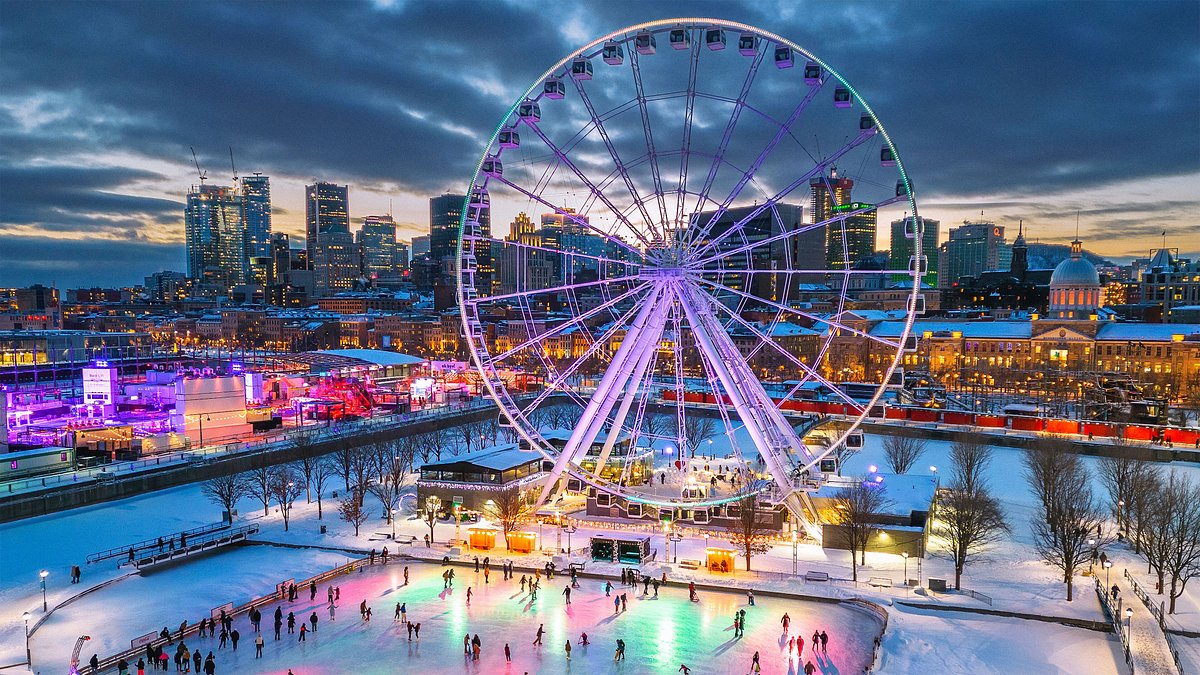
Montreal is a city where North American energy meets European charm. From its cobblestone streets in the old quarter to its vibrant arts scene and world-class cuisine, this Quebecois metropolis offers a unique travel experience. Planning your trip can be exciting, but the sheer number of options can also feel overwhelming. This guide is here to help you discover the best things to do in montreal, ensuring your visit is packed with memorable moments. We will explore historic sites, cultural hotspots, culinary delights, and natural escapes that make this city a top destination for travelers from the United States and beyond.
Key Takeaways
- Montreal offers a blend of historical charm and modern vibrancy, with attractions for every type of traveler.
- Exploring Old Montreal, with its European feel and historic landmarks, is a must-do activity.
- The city is a food lover’s paradise, famous for its bagels, poutine, and smoked meat sandwiches.
- Cultural experiences abound, from world-class museums like the Montreal Museum of Fine Arts to the immersive ecosystems of the Biodome.
- Getting around is easy with an efficient public transit system, and many of the best sights are accessible on foot.
Explore the Historic Charm of Old Montreal
Stepping into Old Montreal (Vieux-Montréal) feels like traveling back in time. The area’s cobblestone streets, grand 17th and 18th-century buildings, and horse-drawn carriages create a distinctly European atmosphere. This is the historic heart of the city, and simply wandering its streets is one of the most essential things to do in montreal. You can start your journey at Place Jacques-Cartier, a lively public square filled with street artists, musicians, and outdoor cafes. From there, it’s a short walk to the Old Port, which has been beautifully revitalized into a waterfront park offering activities year-round.
As you explore, you will encounter significant landmarks at every turn. The Notre-Dame Basilica, a stunning example of Gothic Revival architecture, is a must-see. Its intricate interior, with deep blue ceilings adorned with golden stars, is breathtaking. Another key site is the Bonsecours Market, a beautiful two-story domed building that now houses local artisan shops and galleries. Whether you’re interested in history, architecture, or just soaking up the unique ambiance, Old Montreal provides a perfect introduction to the city’s soul.
Walk the Cobblestone Streets of Rue Saint-Paul
Rue Saint-Paul is one of the oldest and most picturesque streets in North America. A walk along this historic thoroughfare is a quintessential Montreal experience. Lined with art galleries, souvenir shops, and charming bistros, it’s the perfect place to spend an afternoon. The original cobblestones and well-preserved buildings transport you to another era. The street is mostly pedestrian-friendly, allowing you to browse at a leisurely pace. In the summer, restaurant patios spill out onto the street, creating a vibrant and festive atmosphere. In winter, the street looks magical under a blanket of snow, with twinkling lights adding to its charm.
Visit the Notre-Dame Basilica
No trip to Montreal is complete without a visit to the Notre-Dame Basilica. This architectural masterpiece is a symbol of the city. While its exterior is impressive, the interior is what truly astounds visitors. The soaring vaulted ceilings are painted a deep blue and sprinkled with thousands of 24-karat gold stars, creating the illusion of a night sky. The intricate woodwork, detailed stained-glass windows depicting scenes from Montreal’s religious history, and the massive Casavant Frères pipe organ are all awe-inspiring. For a truly immersive experience, consider attending the AURA sound and light show, which brings the basilica’s stunning architecture to life in a spectacular display.
Indulge in Montreal’s Culinary Scene
Montreal is a city that takes its food very seriously, making culinary exploration one of the most rewarding things to do in montreal. The city is famous for a few iconic dishes that you simply have to try. Poutine, a decadent combination of french fries, cheese curds, and gravy, is perhaps the most famous. For the best smoked meat sandwich, head to Schwartz’s Deli, an institution that has been serving its legendary sandwiches for decades. And don’t forget the bagels; Montreal-style bagels are boiled in honey-sweetened water and baked in a wood-fired oven, giving them a distinctively sweet and dense texture.
Beyond these classics, Montreal’s food scene is diverse and innovative. You’ll find everything from high-end French restaurants to bustling food markets like Jean-Talon and Atwater. These markets are a feast for the senses, offering fresh produce, local cheeses, baked goods, and more. Exploring the city’s neighborhoods will reveal countless culinary gems, from cozy cafes in the Plateau to trendy eateries in Griffintown.
Taste the Iconic Montreal-Style Bagels
When it comes to bagels, Montreal has a fierce rivalry with New York. What makes Montreal’s version special? They are smaller, sweeter, and denser than their New York counterparts. The dough is boiled in water sweetened with honey before being baked in a wood-fired oven. This process gives them a slightly crispy crust and a chewy interior. The two most famous bagel shops in the city are St-Viateur and Fairmount Bagel, both located in the Mile End neighborhood. They are open 24/7, so you can grab a warm, fresh bagel any time of day. Trying a classic sesame or poppy seed bagel straight from the oven is an unforgettable experience.
Experience a Classic Poutine
You can’t leave Montreal without trying poutine. This simple yet delicious dish of french fries and squeaky cheese curds topped with hot brown gravy is Quebec’s most famous culinary export. While you can find it on menus across Canada, Montreal is where it truly shines. From late-night diners to upscale restaurants, everyone has their own take on the classic. For a traditional experience, visit La Banquise, a 24-hour restaurant that offers over 30 different varieties of poutine. Whether you stick with the classic or try a version with added toppings like pulled pork or smoked meat, it’s a comforting and satisfying meal.
Discover Art, Culture, and History
Montreal boasts a rich cultural landscape with world-class museums, vibrant street art, and a thriving performing arts scene. One of the top cultural things to do in montreal is to visit the Montreal Museum of Fine Arts (Musée des beaux-arts de Montréal). It is one of Canada’s most prominent museums, featuring an extensive collection that spans from antiquities to contemporary art. The city’s history is also on full display at the Pointe-à-Callière museum, an archaeology and history complex located at the very spot where Montreal was founded.
For those interested in street art, a walk along Saint-Laurent Boulevard is a must. The boulevard acts as an open-air gallery, covered in colorful and impressive murals, many of which are created during the annual MURAL Festival. The city’s cultural calendar is packed with festivals year-round, including the world-renowned Montreal International Jazz Festival and the Just for Laughs comedy festival. No matter when you visit, there is always something happening to engage your senses.
Montreal Museum of Fine Arts
The Montreal Museum of Fine Arts is the city’s largest museum and a premier destination for art lovers. Its collection is housed across five pavilions and includes an impressive range of works. You’ll find pieces by European masters like Rembrandt and Picasso, as well as an extensive collection of Canadian and Quebecois art. The museum is also known for its dynamic programming, featuring major international temporary exhibitions that cover everything from fashion and design to music and film. The accessibility and diversity of its collection make it a welcoming place for both art connoisseurs and casual visitors.
Pointe-à-Callière, Montreal Archaeology and History Complex
To truly understand Montreal, you need to delve into its past, and there’s no better place to do that than at Pointe-à-Callière. This unique museum is built on the very birthplace of Montreal and showcases the city’s history through remarkable archaeological ruins. You can walk through underground tunnels to see the foundations of the city’s first buildings, the original city wall, and even an old sewer system. Interactive exhibits and multimedia presentations bring the history of Montreal to life, from its Indigenous origins to the present day. It’s a fascinating journey through time that provides a deep appreciation for the city’s heritage.
Enjoy Montreal’s Green Spaces and Natural Beauty
Despite being a bustling urban center, Montreal is filled with beautiful parks and green spaces. Taking time to enjoy the outdoors is one of the most refreshing things to do in montreal. The city’s most prominent natural landmark is Mount Royal Park, the “mountain” that gives Montreal its name. Designed by Frederick Law Olmsted, the same landscape architect who designed New York’s Central Park, it offers a peaceful retreat from the city streets. A hike or drive to the Kondiaronk Belvedere lookout at the summit provides a spectacular panoramic view of the downtown skyline and the St. Lawrence River.
Another fantastic outdoor destination is Parc Jean-Drapeau. Located on two islands in the middle of the St. Lawrence River, this park was the site of the Expo 67 World’s Fair. Today, it’s a recreational hub with walking and biking trails, a beach, and several attractions, including the Biosphere and La Ronde amusement park. These green spaces provide a perfect balance to the urban excitement of Montreal.
Hike to the Top of Mount Royal Park
A visit to Mount Royal Park is an essential Montreal experience. This large urban park offers a variety of activities, but the most rewarding is the walk up to the Kondiaronk Belvedere. Several trails lead to the summit, ranging from a wide, gently sloping path to more direct, steeper staircases. Whichever route you choose, the reward is the same: a stunning, postcard-perfect view of the city. The park is a year-round destination. In the summer, it’s a popular spot for picnics, jogging, and relaxing. In the winter, it transforms into a wonderland for cross-country skiing, snowshoeing, and ice skating on Beaver Lake.
Explore the Montreal Botanical Garden and Biodome
Located near the Olympic Stadium, the Montreal Space for Life is a unique complex that brings together four distinct nature-focused attractions.
- The Botanical Garden (Jardin botanique): One of the largest of its kind in the world, it features a collection of 22,000 plant species, thematic gardens (like the Chinese and Japanese Gardens), and 10 exhibition greenhouses.
- The Biodome: Housed in the former Olympic velodrome, the Biodome allows you to walk through faithful replicas of five ecosystems of the Americas, from the tropical rainforest to the sub-polar regions. You’ll see animals like penguins, monkeys, and macaws in environments that mimic their natural habitats.
- The Insectarium: This attraction offers a fascinating look into the world of insects, with a large collection of live and mounted specimens.
- The Planetarium: Explore the universe through immersive shows in its two state-of-the-art theaters.
Exploring these attractions is one of the best family-friendly things to do in montreal.
Unique Montreal Experiences
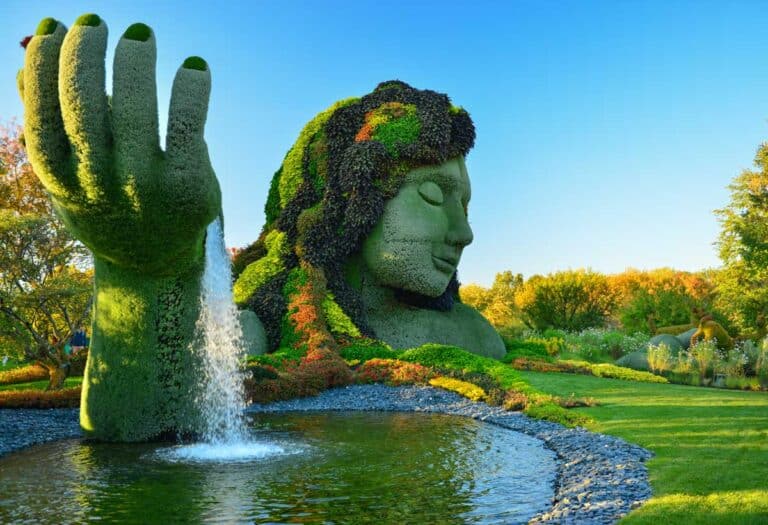
Beyond the main sights, Montreal offers some unique experiences that provide a deeper sense of the city’s character. One such experience is exploring the Underground City, or RESO. This vast network of tunnels connects shopping malls, metro stations, hotels, and universities, allowing residents and visitors to get around downtown without having to brave the cold in winter or the heat in summer. It’s more than just a practical network; it’s a destination in itself, with shops, restaurants, and cinemas.
Another unique aspect of Montreal is its vibrant neighborhood life. Areas like the Plateau Mont-Royal, with its colorful houses and distinctive spiral staircases, and the trendy Mile End, known for its artists, musicians, and bagel shops, are worth exploring. Spending an afternoon in one of these neighborhoods offers a glimpse into the daily life of Montrealers. This kind of local exploration is one of the most authentic things to do in montreal. As you plan your travels, you might find helpful resources on sites like Forbes Planet that offer insights into unique global destinations.
Walk Through the Underground City (RESO)
Montreal’s Underground City, known as the RESO, is one of the largest underground pedestrian networks in the world. It spans over 20 miles (32 kilometers) of tunnels connecting metro stations, shopping centers like the Eaton Centre, office buildings, and entertainment venues. While it’s particularly useful during the harsh winter months, it’s an interesting place to explore at any time of year. Navigating the RESO can be an adventure in itself. You can shop, dine, and even go to the movies, all without stepping outside. It’s a testament to Montreal’s clever urban planning and a unique feature that sets it apart from other cities.
Discover the Lachine Canal National Historic Site
The Lachine Canal is a historic waterway that played a crucial role in Montreal’s industrial development. Today, it has been transformed into a beautiful urban park. A 9-mile (14.5-kilometer) path runs alongside the canal, making it a popular spot for biking, jogging, and leisurely walks. You can rent a bike or even a kayak to explore the area.
The canal path takes you through several interesting neighborhoods, including Griffintown and Saint-Henri, and offers great views of the city skyline. Along the way, you’ll pass old industrial buildings that have been repurposed into trendy condos and offices, showcasing a fascinating blend of history and modern urban renewal.
Montreal Activity Comparison
|
Activity |
Best For |
Estimated Cost (USD) |
Best Time to Visit |
|---|---|---|---|
|
Old Montreal Walk |
History Buffs, Photographers |
Free |
Year-round |
|
Notre-Dame Basilica |
Architecture Lovers |
$12-$25 |
Year-round |
|
Poutine Tasting |
Foodies |
$8-$15 |
Year-round |
|
Mount Royal Park |
Nature Lovers, Hikers |
Free |
Summer, Fall |
|
Montreal Biodome |
Families, Animal Lovers |
$20-$25 |
Year-round |
Conclusion
Montreal is a city of endless discovery. Its unique blend of French and North American cultures, rich history, and dynamic modern life makes it a captivating destination. Whether you’re savoring a warm bagel in the Mile End, admiring the architectural splendor of the Notre-Dame Basilica, or hiking to the top of Mount Royal for a breathtaking view,
you’ll find that there is no shortage of amazing things to do in montreal. This guide has covered some of the highlights, but the real magic of Montreal is found in the moments of spontaneous discovery—finding a charming cafe, stumbling upon a vibrant street mural, or striking up a conversation with a friendly local. So pack your bags and get ready to fall in love with the charm and energy of this incredible Canadian city.
Frequently Asked Questions (FAQ)
1. What is the best time of year to visit Montreal?
The best time to visit Montreal is during the summer (June to August) when the weather is warm and the city is alive with festivals. Fall (September to October) is also a beautiful time to visit, with comfortable temperatures and stunning fall foliage. Winter can be very cold, but it offers its own charm with snow-covered streets and winter activities.
2. Do I need to speak French to visit Montreal?
While Montreal is the second-largest French-speaking city in the world, you can easily get by with English. Most people in the service industry and in downtown tourist areas are bilingual. However, learning a few basic French phrases like “Bonjour” (Hello) and “Merci” (Thank you) is always appreciated.
3. What are the must-try foods in Montreal?
You can’t leave Montreal without trying three iconic foods: poutine (fries, cheese curds, and gravy), a smoked meat sandwich (Schwartz’s is the most famous spot), and a Montreal-style bagel (from St-Viateur or Fairmount).
4. How many days do I need in Montreal?
A long weekend of 3 to 4 days is enough to see the main highlights, including Old Montreal, Mount Royal, and a few key museums. If you want to explore more neighborhoods and attractions at a relaxed pace, a week would be ideal.
5. Is Montreal an expensive city to visit?
Montreal is generally more affordable than other major North American cities like New York or Toronto. There are plenty of free things to do in montreal, such as exploring parks and neighborhoods. Accommodation and dining options are available for a wide range of budgets.
Related Posts


Stay Informed With the Latest & Most Important News
Previous Post
Next Post










Advertisement