

Now Reading: Everything You Need to Know About Finding the Perfect Wet Vac
-
01
Everything You Need to Know About Finding the Perfect Wet Vac


Key Takeaways
- Versatility: A wet vac handles both liquid spills and dry debris, making it a must-have for homes and workshops.
- Power Differences: Understanding Horsepower (HP) and Air Watts helps you pick the right strength for your specific needs.
- Maintenance: Regular filter cleaning and tank emptying prevent odors and extend the life of your machine.
- Safety First: Always remove the paper filter before sucking up liquids to avoid damaging the motor.
- Size Matters: Tank sizes range from portable 2-gallon units to massive 16-gallon beasts for commercial jobs.
Imagine dropping a full gallon of milk on the kitchen floor. A mop just spreads it around, and paper towels turn into a soggy mess. This is the moment a wet vac becomes your best friend. Unlike your standard household vacuum, which might short-circuit if it sniffs a drop of water, a wet vac is built to handle the chaos of real life. Whether you are dealing with a flooded basement, sawdust in the garage, or just a messy car interior, these machines are the unsung heroes of cleaning.
In this guide, we are going to dive deep into the world of wet/dry vacuums. We will explore how they work, why you need one, and how to pick the perfect model for your home or workshop. By the end, you’ll be ready to tackle any mess with confidence.
What Exactly Is a Wet Vac and How Does It Work?
A wet vac, often called a shop vacuum or wet/dry vacuum, is a specialized cleaning tool designed to collect both liquid spills and dry dust. It is different from your regular upright vacuum because of how it separates the dirt and water from the electrical components. The motor sits safely on top, creating strong suction that pulls debris into a large collection tank or bucket below.
The magic happens inside the canister. When you suck up liquids, the air flow slows down as it enters the larger tank area, causing the heavier liquid to drop to the bottom. For dry messes, a filter catches the dust while clean air blows out the exhaust. This dual capability means you don’t need to switch tools halfway through a messy project. You can vacuum up wood chips one minute and suck water out of a clogged sink the next.
Most people assume these are only for construction sites, but that isn’t true anymore. Modern designs are sleek, portable, and incredibly useful for everyday homeowners. Once you understand the mechanics, you realize it is a simple yet brilliant piece of engineering that solves problems standard vacuums simply can’t touch.
The Key Components of a Wet Vac
To really understand your machine, you need to know its parts. Every wet vac generally consists of a few main components: the collection tank, the motor unit (powerhead), the hose, and the filtration system. The tank is usually made of durable plastic or stainless steel to resist corrosion from water. The motor provides the muscle, and its power is often measured in Peak Horsepower (PHP).
The filtration system is crucial. When vacuuming dry debris like drywall dust, you need a fine dust filter or a collection bag to protect the motor and keep dust from blowing back into the room. However, when you switch to wet mode, you typically remove that paper filter and swap it for a foam sleeve. This foam stops large debris from entering the motor fan while allowing air to pass through, even when wet. Ignoring this step is the number one rookie mistake people make.
Why Every Homeowner Needs a Wet Vac
You might think your regular vacuum is enough, but there are limits to what it can do. A standard vacuum relies on airflow cooling the motor. If water gets in there, it’s game over. A wet vac bypasses this risk entirely. It allows you to handle emergencies that would otherwise require professional help or hours of manual labor.
Think about common household disasters. A pipe bursts in the basement? A wet vac can suck up gallons of water in minutes. Did the kids spill juice all over the car upholstery? You can scrub it and vacuum the dirty water right out. It is also fantastic for unclogging drains. By creating a tight seal over a drain, the powerful suction can often dislodge blockages that plungers leave behind. It is essentially an insurance policy against messes that are too wet, too big, or too sharp for a regular vacuum.
Beyond the Garage: Creative Uses
While they live in the garage, these machines are useful everywhere. You can use a wet vac to blow leaves off your patio by connecting the hose to the exhaust port. It is great for inflating air mattresses or pool toys quickly. Some people even use them to groom shedding pets (with a gentle attachment, of course!).
Another great use is cleaning out a fireplace or wood stove. The ash is fine and messy, but with the right fine-dust filter, a wet vac traps it all without creating a cloud in your living room. You can also retrieve items dropped down vents or drains. Put a pantyhose over the nozzle, and the suction will grab the lost earring or ring without sucking it into the tank. The versatility is endless once you start experimenting.
Comparing Wet Vac Sizes: Which One Fits You?
Size is the most important decision you will make when buying. If you buy one that is too small, you will be emptying the tank constantly. If it’s too big, you will hate dragging it around and it will just gather dust in the corner. Manufacturers usually categorize them by tank size in gallons.
A small wet vac usually holds between 1 to 4 gallons. These are highly portable, easy to store, and perfect for quick cleanups like a spilled drink or cleaning out a car. Medium sizes range from 6 to 10 gallons and offer a good balance of power and capacity for DIY projects. Large units, 12 gallons and up, are beasts designed for major renovations or flood cleanup.
Here is a quick breakdown to help you visualize the differences:
|
Size Category |
Tank Capacity |
Best Used For |
Portability |
|---|---|---|---|
|
Micro/Portable |
1 – 2.5 Gallons |
Car cleaning, small kitchen spills |
Very High (Handheld) |
|
Small |
3 – 5 Gallons |
Household repairs, cleaning upholstery |
High (Easy to carry) |
|
Medium |
6 – 10 Gallons |
Workshop dust, garage cleanup, minor floods |
Medium (Wheeled) |
|
Large |
12 – 16+ Gallons |
Construction sites, large water removal |
Low (Heavy/Bulky) |
Understanding Horsepower and Suction
When looking at specs, you will see “Peak Horsepower” (PHP). While a higher number generally means a stronger motor, it isn’t the only stat that matters. You should also look for “Air Watts” or “CFM” (Cubic Feet per Minute). CFM tells you how much air the vacuum moves.
For heavy debris like nails or gravel, you want high air lift (suction). For fine dust or water, high CFM is often more important because you need to move a lot of volume quickly. A small 2-HP motor is fine for a car, but if you are connecting your wet vac to a table saw to catch dust, you will want at least 4 to 5 HP to keep up with the mess. Don’t just buy the biggest number; buy the power that matches your intended jobs.
Wet Mode vs. Dry Mode: The Critical Differences
Using a wet vac seems straightforward, but switching modes requires a specific process. If you don’t follow it, you can ruin the machine. In dry mode, the goal is to trap dust. You need a pleated paper filter cartridge and often a collection bag. This setup ensures that the fine particles don’t shoot right back out of the exhaust port.
When you switch to wet mode to pick up liquids, you must remove the paper filter. Paper falls apart when it gets wet, and a soggy filter will block airflow and strain the motor. Instead, you use a foam sleeve. This foam stops debris found in the water (like leaves in a puddle) from hitting the fan. Some newer models have filters that are “washable and wet-ready,” but double-check your manual. Assuming your filter can handle water is a quick way to destroy a $100 tool.
The Importance of the Float Valve
Inside the filter cage of every wet vac, there is a small device called a float. It looks like a ball or a cup. As the tank fills with liquid, this float rises. When the tank is full, the float hits the top and seals off the motor intake. You will hear a distinct change in pitch—the motor will sound high-pitched and strained because it isn’t getting air.
This is the signal to turn off the machine immediately and empty the tank. If you keep running it, you risk overheating the motor. The float valve is a simple safety mechanism that prevents water from being sucked into the electric motor, which would be dangerous. Always ensure this float moves freely before you start a wet job. If it’s stuck, your vacuum won’t know when to stop drinking water.
Essential Accessories for Your Wet Vac
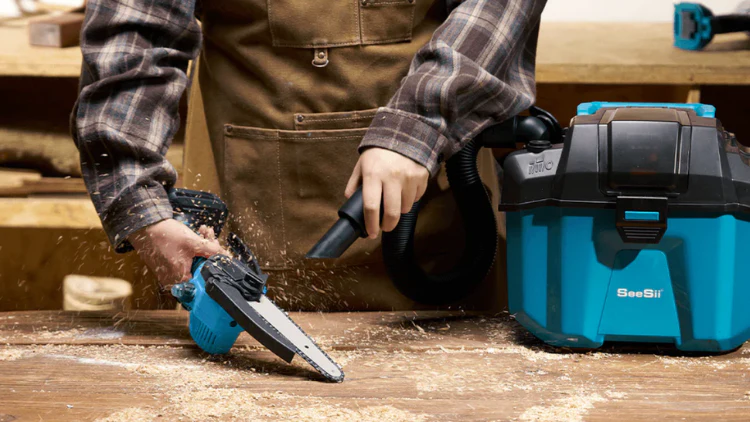
A vacuum is only as good as its attachments. Most models come with a basic hose and a utility nozzle, but investing in a few extras can transform your cleaning experience. A crevice tool is essential for getting between car seats or into tight corners in the shop. A wide floor nozzle with a squeegee insert is a game-changer for cleaning up water on concrete floors.
Extension wands save your back by allowing you to vacuum floors while standing up. If you do a lot of woodworking, look for adapters that connect your wet vac hose directly to your power tools. This captures dust at the source, keeping your lungs and your shop cleaner.
- Crevice Tool: Narrow tip for tight spots.
- Gulper Nozzle: Wide mouth for large debris like wood chips.
- Squeegee Nozzle: Features a rubber strip for drying wet floors.
- Brush Nozzle: Soft bristles for dashboards and vents.
- Muffler: Attaches to the exhaust to reduce noise (these machines are loud!).
Upgrading Your Hose
The standard hose that comes with most units is often stiff plastic that kinks easily. Upgrading to a high-quality, crush-resistant hose makes dragging the vac around much less frustrating. A longer hose also means you don’t have to move the heavy canister as often.
However, keep in mind that a very long hose can slightly reduce suction power. It is a trade-off between reach and performance. If you are detailing a car in the driveway, a 20-foot hose is a blessing. If you are sucking up heavy water from a basement sump pit, a shorter, wider hose is better to maintain maximum lift.
How to Maintain Your Wet Vac for Longevity
These machines are built tough, but they aren’t indestructible. The most common cause of failure is neglect. After using your wet vac for liquids, you absolutely must empty and dry the tank. Leaving dirty water in the tank creates a breeding ground for mold and bacteria. It will smell terrible the next time you turn it on.
Cleaning the filters is also vital. A clogged filter kills suction power and forces the motor to run hotter. If you have a reusable pleated filter, tap it against the side of a trash can to knock off the dust. You can often rinse them with water, but let them dry completely (24 hours) before using them for dry vacuuming again. If you use it wet while it’s still damp, dust will turn to mud and ruin the filter instantly.
Dealing with Odors
If your vacuum starts to smell like old socks, it likely has mildew inside. To fix this, fill the tank with water and a little bleach or disinfectant, let it sit for a bit, and then scrub it out. Wipe down the underside of the motor housing (carefully avoiding electrical parts) and wash the hose.
Sometimes debris gets stuck inside the ridges of the hose, trapping smells. You can stick a garden hose into your vacuum hose to flush it out completely. Store the vacuum with the lid slightly ajar or off completely to allow air to circulate, preventing that musty smell from building up in the dark, damp tank.
Safety Tips When Using a Wet Vac
Electricity and water are a dangerous combination, so safety is paramount. Always plug your wet vac into a GFCI (Ground Fault Circuit Interrupter) outlet when picking up liquids. This type of outlet cuts the power instantly if it detects a short, protecting you from shock.
Never use the vacuum to pick up flammable liquids like gasoline, paint thinner, or oil. The sparks from the motor could ignite the fumes, causing an explosion. Stick to water, non-flammable cleaning solutions, and standard household debris. Also, wear hearing protection. These vacuums are significantly louder than indoor vacuums, and prolonged exposure in a small room like a bathroom or garage can damage your hearing.
Handling Hazardous Dust
If you are renovating an older home, be careful about what you vacuum. Lead paint dust and silica dust (from concrete) require special handling. A standard filter is not enough to trap these microscopic particles; they will just blow right through and into the air you breathe.
For hazardous materials, you need a HEPA filter certified for that specific type of dust. In some cases, like asbestos, you should not use a regular consumer wet vac at all. You need professional abatement equipment. Always know what you are vacuuming before you hit the switch.
Top Brands and What to Look For
When shopping, you will see brands like Shop-Vac, Craftsman, Ridgid, and DeWalt. Ridgid is famous for their lifetime warranty, which is a huge plus for a tool that takes a beating. Shop-Vac is the classic brand, though ownership has changed over the years. DeWalt and Milwaukee offer fantastic cordless options that run on the same batteries as their power tools.
Cordless models are incredibly convenient for quick jobs or places without power outlets, like a storage shed. However, they usually have less power and shorter run times than corded versions. If you need to drain a flooded basement, stick to a corded model so you don’t run out of battery halfway through.
The Price vs. Performance Balance
You can get a cheap wet vac for $40, or a pro model for $200. The difference is usually in the durability of the plastic, the quality of the hose, and the quietness of the motor. Cheaper models scream; expensive ones hum. Higher-end models also tend to have better wheel casters. There is nothing more annoying than a vacuum that tips over every time you pull the hose because it has cheap, tiny wheels.
Look for a model with a drain port if you buy a large tank (10+ gallons). Lifting a bucket filled with 10 gallons of water (which weighs over 80 lbs) to dump it is back-breaking work. A drain port allows you to unscrew a cap at the bottom and let the water flow out into a floor drain or the yard.
Step-by-Step Guide: Cleaning a Liquid Spill
Let’s walk through the perfect process for tackling a big liquid mess.
- Preparation: Unplug the vacuum. Remove the top motor housing. Take out the paper filter and the dust bag.
- Setup: Install the foam filter sleeve over the filter cage. Secure the motor housing back onto the tank.
- Vacuuming: Plug in the unit. Turn it on and slowly pass the nozzle over the liquid. You will see the water rushing through the hose.
- Monitoring: Listen to the motor. If the pitch goes high, the tank is full. Turn it off immediately.
- Emptying: Unlatch the top, remove the motor, and dump the water. If you have a drain port, use that.
- Cleanup: Rinse the tank and the foam filter with fresh water. Let everything air dry before reassembling.
Tips for Efficient Water Removal
If you are drying a flat floor, use the squeegee attachment. It acts like a wiper blade, pushing water toward the suction for a bone-dry finish. If you are sucking water out of a carpet, move slowly. Give the suction time to pull moisture from deep in the fibers. Pressing down hard on the nozzle can actually help form a better seal and extract more liquid.
Troubleshooting Common Wet Vac Issues
Is your wet vac losing suction? The most common culprit is a clogged filter. Even if it looks clean, fine dust can cake into the pores. Try swapping to a fresh filter. The second most common issue is a blockage in the hose. Drop a coin through the hose; if it doesn’t come out the other end, you have a clog. Use a broom handle to gently push it out.
If the machine is spitting dust out the back, your filter is either not seated correctly, or it has a hole in it. Stop immediately and check. Also, check the connection between the hose and the tank. Sometimes the locking tab breaks or comes loose, causing an air leak that ruins suction power.
The “Blowing” Feature
Don’t forget that almost every wet vac can also blow air. By moving the hose from the intake port to the exhaust port, you turn your vacuum into a blower. This is perfect for blowing sawdust off your workbench, gathering leaves in the garage, or drying off a car after a wash. It is a simple feature that doubles the utility of the tool.
Integrating a Wet Vac into Your Smart Home
Believe it or not, wet vacs are getting smarter. While we don’t have robot wet vacs that can climb stairs yet, we do have robot mops that function similarly on a small scale. However, for the heavy-duty workshop vac, integration is about smart plugs.
You can plug your wet vac into a smart plug that monitors energy usage or allows remote turn-off. More practically, automatic switches exist that sense when you turn on a power tool (like a sander) and automatically turn on the vacuum connected to it. This “tool-actuated” switch saves you from walking back and forth to turn the vac on and off, ensuring you always have dust collection running when you are making a mess.
To read more about home gadgets and smart solutions, check out resources like Forbes Planet for the latest in home tech innovation.
Conclusion
A wet vac is more than just a garage accessory; it is a fundamental tool for home maintenance. Whether you are battling a flooded laundry room, detailing your car, or keeping a workshop dust-free, the versatility of these machines is unmatched. By understanding the different sizes, filters, and maintenance requirements, you ensure that when disaster strikes—or just a messy Saturday afternoon project—you are ready to handle it.
Invest in a good quality machine, take care of the filters, and don’t be afraid to use it for both the wet and dry messes life throws your way. It might just be the most useful purchase you make for your home this year.
Frequently Asked Questions (FAQ)
Q: Can I leave the paper filter in when vacuuming water?
A: No! The paper filter will disintegrate and clog when wet. Always remove it and use a foam sleeve or a specific wet-use filter.
Q: How often should I empty the tank?
A: Empty the tank immediately after you are done vacuuming liquids to prevent mold. For dry debris, you can wait until the tank is about 3/4 full or when you notice a drop in suction.
Q: Can I use a wet vac without a filter?
A: Only if you are pumping water outdoors where you don’t care about debris blowing out. For indoor use or dry vacuuming, never run it without a filter, or you will blow dust everywhere and damage the motor.
Q: What is the difference between a shop vac and a wet vac?
A: There is no difference technically. “Shop-Vac” is a brand name that became a generic term, like Kleenex. They refer to the same type of wet/dry vacuum cleaner.
Q: Why is my wet vac spitting water out of the exhaust?
A: This usually happens if the tank is too full and the float valve hasn’t engaged, or if the filter is soaked and not stopping the mist. Empty the tank and check your filter setup.
Related Posts



Stay Informed With the Latest & Most Important News
Previous Post
Next Post










Advertisement