

Now Reading: The Ultimate Guide to the Molcajete: Mexico’s Ancient Kitchen Tool
-
01
The Ultimate Guide to the Molcajete: Mexico’s Ancient Kitchen Tool


Key Takeaways
- The molcajete is an ancient Mexican mortar and pestle made from volcanic rock.
- It is essential for making authentic salsas, guacamole, and grinding spices.
- Proper seasoning (curing) is crucial before using a new molcajete for the first time.
- Cleaning requires special care—never use soap, just hot water and a stiff brush.
- This tool adds a unique depth of flavor to food that blenders simply cannot replicate.
Have you ever wondered why guacamole tastes so much better at an authentic Mexican restaurant? The secret usually isn’t just the avocados or the lime juice. It’s the tool they use to make it. Enter the molcajete, a heavy, three-legged bowl carved from volcanic rock that has been a staple in Mexican kitchens for thousands of years. It is much more than just a kitchen gadget; it is a bridge to history and a game-changer for flavor.
If you love cooking or just appreciate good food, understanding how to use a molcajete can transform your culinary skills. Unlike modern blenders or food processors that chop ingredients into tiny uniform pieces, this stone tool crushes them. This crushing action releases essential oils and blends flavors in a way that blades never will. In this guide, we will explore everything you need to know about this incredible tool, from its history to how you can care for one in your own home.
What Exactly Is a Molcajete?
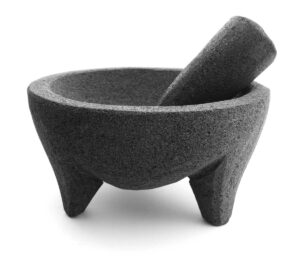
A molcajete is the traditional Mexican version of a mortar and pestle. The word itself comes from the Aztec language, Nahuatl, combining the words for “sauce” and “bowl.” While mortars and pestles exist in cultures all over the world, the Mexican version is distinct because of its material and shape. It is carved from a single piece of basalt, a type of volcanic rock. This gives it a rough, porous texture that is perfect for grinding.
The tool consists of two parts. The bowl itself, which usually has three short legs to keep it stable, is the mortar. The matching handheld grinding tool is called the tejolote (sometimes just called the pestle). Together, they form a powerful duo for crushing spices, chilies, tomatoes, and avocados. Because it is made of stone, it is incredibly durable. Many families pass their molcajete down through generations, treating it like a family heirloom.
The Difference Between a Molcajete and a Standard Mortar
You might be thinking, “I have a marble mortar and pestle, isn’t that the same?” Not quite. A marble or ceramic mortar is usually smooth. These are great for crushing dry spices into powder, but they lack the abrasive surface needed to really break down fibrous vegetables like peppers or tomatillos. The volcanic rock of a molcajete acts almost like sandpaper. It grabs the food and tears it apart, releasing flavorful oils and juices that a smooth surface would miss.
Furthermore, the porous nature of the volcanic rock means that over time, the molcajete seasons, much like a cast-iron skillet. It absorbs tiny bits of flavor from garlic, spices, and oils, which adds a subtle, complex background note to everything you make in it. This “memory of flavor” is something a stainless steel blade or a ceramic bowl simply cannot achieve.
A Brief History of the Molcajete
The history of the molcajete stretches back thousands of years, long before European explorers arrived in the Americas. Archaeological evidence suggests that these tools were used in Mesoamerica as early as 6,000 years ago. They were essential to the Aztec and Mayan civilizations, used daily to grind corn for masa and to create the spicy sauces that were central to their diet.
In ancient times, the molcajete wasn’t just for cooking; it held cultural significance. Because food was so vital to survival and community, the tools used to prepare it were revered. The design hasn’t changed much in millennia. If you buy a traditional one today, you are using essentially the same technology that an Aztec cook used to prepare a meal for their family centuries ago. It is a living piece of history on your countertop.
Why It Survived Modernization
With the invention of electric blenders in the 20th century, you might expect ancient tools to disappear. However, the molcajete survived and thrived. Why? Because convenience isn’t everything. Mexican cooks realized early on that salsa made in a blender (licuadora) tasted different—often frothy and less flavorful—than salsa made by hand in stone.
The texture achieved by hand-grinding is rustic and chunky, allowing you to taste individual ingredients while enjoying a unified flavor profile. This culinary superiority kept the molcajete alive in Mexican households. Today, it is experiencing a renaissance globally as people seek out authentic cooking methods and slow-food experiences.
How to Choose the Right Molcajete
Buying a molcajete can be tricky because there are many fakes on the market. A real one should be made of solid basalt (volcanic rock). However, many souvenir shops sell versions made of concrete and rock dust mixed together. These are dangerous to cook with because they can crumble, leaving sand and grit in your food. They often look too perfect and smooth, which is a red flag.
When shopping, look for imperfections. A genuine volcanic rock tool will have little holes and a rough texture. It should feel heavy for its size. If you scrape it with a key or a coin, it shouldn’t leave a deep scratch or produce a lot of dust immediately. Also, check the legs. On a traditional hand-carved piece, the legs might not be perfectly symmetrical, showing the marks of the chisel used by the artisan.
Table: Real vs. Fake Molcajete
|
Feature |
Authentic Volcanic Rock |
Concrete/Cement Fake |
|---|---|---|
|
Weight |
Very heavy and dense |
Lighter or oddly balanced |
|
Texture |
Rough, porous, uneven |
Smooth, uniform, sandy |
|
Pores |
Random natural air pockets |
Uniform or nonexistent |
|
Smell |
Smells like earth/stone when wet |
Smells like wet sidewalk/cement |
|
Scrape Test |
Hard to scratch; gray mark |
Scratches easily; sandy dust |
The Crucial Step: Curing Your Molcajete
You cannot simply buy a molcajete and start making guacamole immediately. Because it is made of natural rock, a new one will have loose grit and small stones inside the bowl. You must “cure” or season it to smooth out the interior and remove this debris. If you skip this step, your first few meals will be gritty and unpleasant to eat.
Curing is a labor of love. It involves grinding hard substances into the bowl repeatedly until the rock becomes smooth and stops releasing grit. This process can take a few hours or can be spread out over several days. Think of it as a bonding experience with your new tool. Once it is done, you likely won’t have to do it again for years, if ever.
Step-by-Step Curing Guide
- Soak it: Submerge the molcajete in water for at least an hour to loosen dust. Scrub it with a stiff brush (no soap!) and let it dry slightly.
- Rice grinding: Place a handful of uncooked white rice into the bowl. Add a splash of water. Use the tejolote (pestle) to grind the rice against the entire surface of the bowl.
- Check the color: The rice powder will turn gray. This is rock dust. Discard the rice, rinse the bowl, and repeat.
- Repeat: You need to keep doing this until the ground rice paste stays white. This usually takes 3 to 5 rounds of grinding.
- Final seasoning: Once the rice stays white, grind a few cloves of garlic, some coarse salt, and cumin seeds into a paste. Let this sit for 30 minutes, then rinse it out with hot water. Your tool is now ready!
Cooking Techniques: Mastering the Grind
Using a molcajete requires a bit of technique, but it is easy to learn. The motion is not just pounding; it is a combination of pressing and twisting. You want to trap the ingredients between the pestle and the rough bottom of the bowl, then twist your wrist to crush and smear them. This shearing force breaks open cell walls in vegetables and spices.
Start with the hardest ingredients first. Usually, this means dry spices like peppercorns or cumin seeds. Once those are powdered, add tough aromatics like garlic and onion. Next come the chilies, then softer vegetables like tomatoes, and finally, the softest ingredients like avocados or cilantro. This order ensures everything gets ground properly without turning into a watery mess too early.
Tips for Efficient Grinding
- Don’t overfill: Work in small batches if necessary. If the bowl is too full, ingredients will spill out the sides.
- Use the sides: Don’t just grind in the center. Push ingredients up the sides of the bowl to increase the surface area you are working with.
- Support the bowl: Hold the rim of the bowl with your non-dominant hand to keep it steady while you grind vigorously with the other.
- Keep it chunky: One of the joys of this tool is texture. You don’t always need a smooth paste; leave some chunks for a rustic feel.
Why Food Tastes Better in a Molcajete
The science behind the flavor is fascinating. When you slice garlic or basil with a knife, you are cutting through cells cleanly. When you crush them in a stone mortar, you are pulverizing the cells completely. This releases a higher concentration of enzymes and essential oils. For example, crushing garlic releases more allicin, the compound responsible for its pungent aroma and flavor.
Additionally, the stone itself plays a role. As mentioned earlier, a well-used molcajete retains a tiny amount of seasoning from previous uses. While it doesn’t make everything taste like last week’s salsa, it adds a savory depth that is hard to pinpoint but delicious to taste. It adds a layer of “sazón” (seasoning) that feels homemade and authentic.
Comparing Textures
The texture produced by a molcajete is distinctively different from a blender. A blender incorporates air, whipping salsas into a foamier, lighter consistency which can sometimes dilute the color and flavor intensity.
In contrast, stone-ground salsas are dense and rich. The ingredients are not emulsified with air; they are simply mashed together. This results in a sauce that clings better to chips and tacos. The visual appeal is also superior, with vibrant specks of charred skin and seeds visible in the mix.
Top 3 Recipes to Try First
Once your tool is cured, you need some recipes to break it in. Here are three classics that shine when made in a volcanic stone mortar.
1. Authentic Guacamole
Start by grinding 2 tablespoons of chopped white onion, 1 serrano pepper (sliced), and a pinch of coarse salt until it forms a green paste. This base is where all the flavor lives. Then, cut open 2 ripe avocados and scoop the flesh into the bowl. Gently mash them into the paste, leaving some chunks. Stir in chopped cilantro and a squeeze of lime juice. Taste and add salt if needed. Serve directly in the molcajete!
2. Salsa Roja (Roasted Red Salsa)
Roast 2 Roma tomatoes, 1 clove of garlic, and 1 jalapeño on a skillet until they are charred and soft. In the molcajete, grind the roasted garlic and a pinch of salt first. Add the roasted jalapeño and grind. Finally, add the tomatoes one by one, crushing them into the mix. If the skin is too tough, you can peel some of it off before grinding, but the char adds flavor.
3. Spice Rubs and Marinades
Don’t limit yourself to dips. Use your tool to make a wet rub for chicken or steak. Grind cumin seeds, black peppercorns, dried oregano, and garlic cloves into a rough paste. Add a splash of olive oil and orange juice. Rub this mixture onto meat before grilling for an incredible flavor crust.
Care and Maintenance: How to Clean a Molcajete
Cleaning is the part that scares most people, but it is actually very simple. The golden rule is: Never use soap. The volcanic rock is porous and will absorb the soap. If you use dish soap, your next guacamole will taste like “Fresh Rain Scent” detergent, which is definitely not delicious.
Instead, rely on hot water and friction. Because you are mostly grinding vegetables, salt, and spices, there is rarely a need for heavy chemical cleaners. Bacteria generally doesn’t thrive on the dry, salty stone surface if it is cleaned and dried properly.
Cleaning Routine
- Rinse immediately: Try to rinse the bowl right after you finish eating. Don’t let food dry and cake onto the rock.
- Scrub with hot water: Run the molcajete under the hottest tap water your hands can handle. Use a specialized kitchen brush (one you only use for this tool) to scrub out all the food particles.
- Air dry: This is critical. Turn the bowl upside down or on its side on a drying rack. Ensure it is completely dry before storing it in a cupboard to prevent mold growth.
- Lemon for odors: If your bowl smells strongly of garlic or onion, cut a lemon in half and scrub the inside of the bowl with the lemon. Rinse with hot water. The acid helps neutralize odors.
Common Mistakes to Avoid
Even experienced cooks can make mistakes with this unique tool. Here are a few pitfalls to watch out for so you can protect your investment and your food.
- Serving hot food too soon: While the rock can hold heat, sudden temperature changes (thermal shock) can crack the stone. Don’t take a freezing cold molcajete and pour boiling soup into it.
- Using it for oily nuts: While you can grind nuts, very oily substances like peanuts or sesame seeds can eventually turn rancid inside the pores of the rock if not cleaned very thoroughly. It is better to use a smooth mortar for nut butters.
- Storing it while damp: As mentioned, moisture is the enemy of stone storage. If you put it away wet, it can develop a musty smell or mold.
- Dropping the tejolote: The pestle is heavy and round. If it rolls off the counter, it can crack floor tiles or break itself. Always place it safely inside the bowl when not in use.
Where to Buy a Quality Molcajete
If you are in the United States, you can find these tools at specialty kitchen stores, Latin markets, or online. However, the best place to buy one is often a local Mexican market (supermercado) if you have one nearby. You will often find better prices and more authentic options than at high-end cooking stores.
When buying online, read reviews carefully. Look for sellers who explicitly state the origin of the stone (e.g., “Hand carved from basalt in Mexico”). Avoid listings that look too shiny or use words like “cement composite.” Expect to pay between $30 and $60 for a decent-sized, authentic one.
Using Your Molcajete as Serving Ware
One of the best features of the molcajete is its presentation value. It looks rustic, beautiful, and impressive on a dining table. Bringing out a heavy stone bowl filled with fresh green guacamole or bright red salsa instantly elevates a meal. It signals to your guests that you put effort and care into the cooking.
Furthermore, the thermal mass of the stone is useful. If you chill the bowl in the refrigerator for 30 minutes before serving, it will keep your guacamole cold for a long time. Conversely, if you warm it (gently!) in the oven, it can keep warm salsas or cheese dips at a pleasant temperature throughout the meal.
Styling Tips
- Place the molcajete on a wooden board or a thick placemat to protect your table from scratches. The feet can be rough.
- Surround the bowl with colorful tortilla chips, radishes, and lime wedges for a festive look.
- For parties, consider having two: one for a spicy red salsa and one for a mild green salsa or guacamole.
Is a Molcajete Worth the Investment?
If you cook Mexican food even once or twice a month, the answer is a resounding yes. The improvement in flavor and texture is noticeable. It is also a very affordable tool compared to high-end electric appliances. A good blender can cost hundreds of dollars; a stone mortar will last a lifetime for a fraction of that price.
Beyond the practical benefits, there is a satisfaction in using manual tools. It slows you down and connects you to the ingredients. In a world of instant gratification, taking ten minutes to grind a salsa by hand is a small act of mindfulness that results in a delicious reward.
Conclusion
The molcajete is more than just a heavy rock in the kitchen; it is a testament to the enduring power of traditional cooking methods. It commands respect—from the initial process of curing it to the careful cleaning required after every meal. In return, it gives you flavors and textures that modern technology simply cannot replicate.
Whether you are smashing perfectly ripe avocados for a party or grinding spices for a weekend barbecue, this tool will become a beloved part of your kitchen arsenal. So, find a genuine volcanic rock mortar, put in the work to season it, and get ready to taste the best salsa of your life. For more tips on lifestyle and home essentials, you might want to visit resources like Forbes Planet. Embracing these ancient traditions connects us not just to better food, but to a rich cultural history that is worth preserving in our modern homes.
FAQs
Can I put my molcajete in the dishwasher?
No! Never put a molcajete in the dishwasher. The harsh detergents and high heat can damage the seasoning, and the soap will be absorbed into the porous rock, ruining the flavor of future dishes.
How often do I need to cure my molcajete?
You typically only need to do the full rice-grinding cure once, when you first buy it. However, if you neglect it for years or if it develops a bad smell, you might want to do a quick “refresh” cure with salt and garlic to clean the surface deeply.
What size should I buy?
For a standard family of 4, a 6-inch to 8-inch diameter bowl is usually sufficient. If you host large parties often, look for a 10-inch version, but be warned—they get very heavy!
Why is my molcajete shedding sand into my food?
If it is brand new, it likely wasn’t cured enough. Go back to the rice grinding step until the rice powder stays white. If it is an old tool and still shedding large amounts of grit, it might be a low-quality fake made of concrete and sand rather than solid volcanic rock.
Can I use it for pesto?
Absolutely! While pesto is Italian (traditionally made in a marble mortar), the molcajete works wonderfully for crushing basil, garlic, and pine nuts. Just remember that the rock is porous, so clean it well afterward so your next salsa doesn’t taste like basil.
Related Posts



Stay Informed With the Latest & Most Important News
Previous Post
Next Post










Advertisement