

Now Reading: The Ultimate Guide to the Bureau of Energy Efficiency Drawing
-
01
The Ultimate Guide to the Bureau of Energy Efficiency Drawing

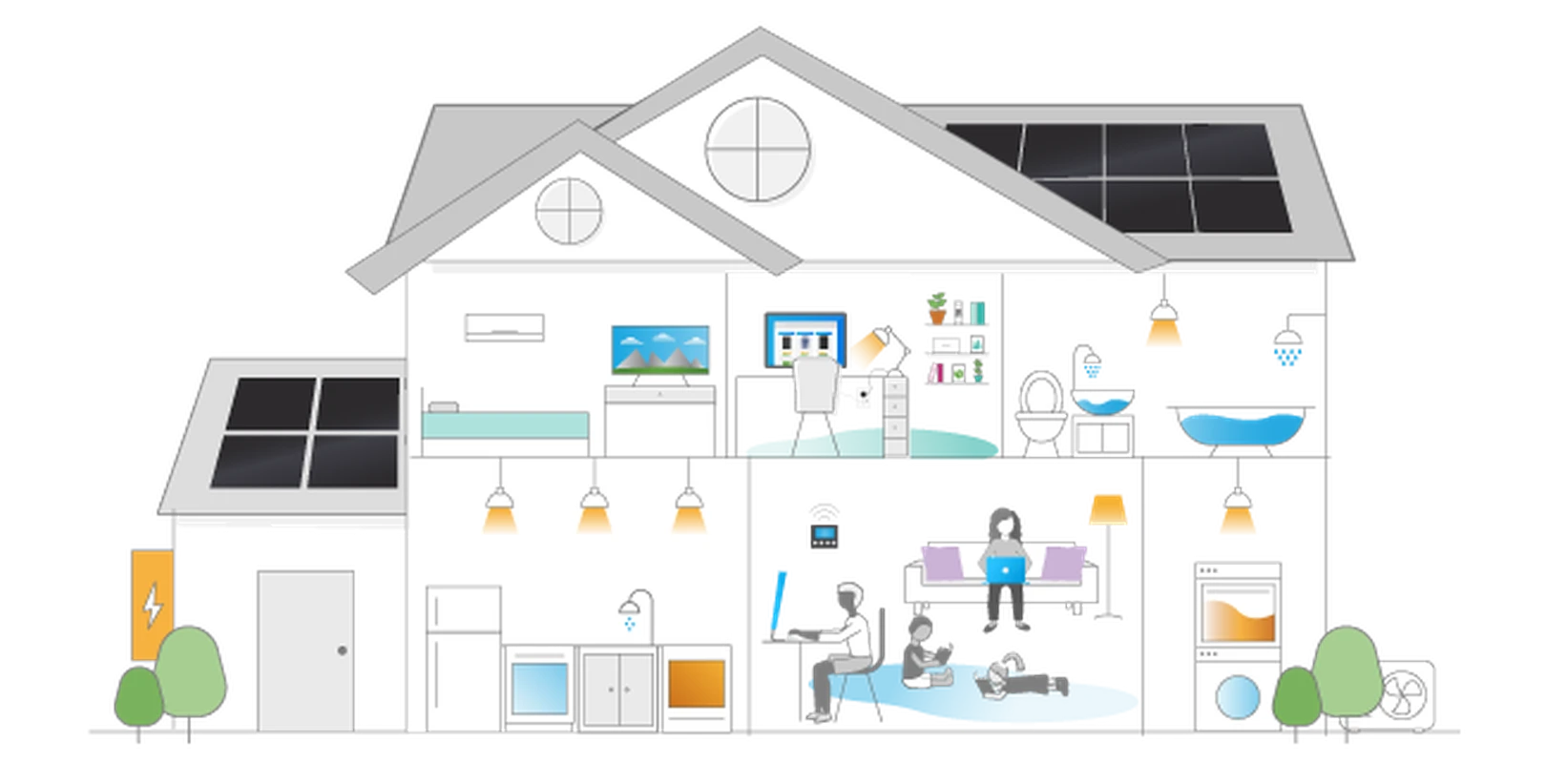
Understanding energy efficiency is more important than ever. It helps us save money, protect the environment, and build a sustainable future. A key player in this movement is the Bureau of Energy Efficiency (BEE), and one of its interesting initiatives involves a bureau of energy efficiency drawing. This concept might sound a bit technical, but it’s a fascinating area that combines design, engineering, and conservation. This guide will break down what a bureau of energy efficiency drawing is, why it’s important, and how it impacts everything from our homes to large industrial plants. We will explore the standards, the professionals involved, and the future of energy-conscious design.
Key Takeaways
- A bureau of energy efficiency drawing is a technical plan that outlines energy-saving measures in buildings or industrial processes.
- These drawings are crucial for complying with national energy conservation codes and standards set by the BEE.
- They help visualize and implement strategies like efficient lighting, HVAC systems, and building insulation.
- Professionals like certified energy auditors and architects are key to creating and interpreting these detailed plans.
- Adopting the principles from a bureau of energy efficiency drawing can lead to significant cost savings and a lower carbon footprint.
What Exactly Is a Bureau of Energy Efficiency Drawing?
At its core, a bureau of energy efficiency drawing is a detailed technical blueprint or schematic. Unlike a standard architectural drawing that focuses on layout and aesthetics, this type of drawing specifically illustrates the energy-related components and systems within a building or facility. It’s a visual representation of how a structure will achieve and maintain high levels of energy performance. Think of it as a roadmap for energy savings. This document highlights everything from the type of insulation in the walls to the placement of high-efficiency windows and the layout of the HVAC (Heating, Ventilation, and Air Conditioning) system. The main goal is to ensure the design complies with the stringent standards set by the Bureau of Energy Efficiency to minimize energy waste. These drawings are essential for new constructions and major retrofitting projects, serving as a guide for engineers, architects, and construction teams.
The Purpose Behind the Drawing
The primary purpose of a bureau of energy efficiency drawing is to provide a clear and actionable plan for implementing energy conservation measures (ECMs). It translates complex energy efficiency goals into tangible design elements. For example, it might specify the exact R-value for insulation, the U-factor for windows, or the layout for a rooftop solar panel installation. By having this detailed plan, project managers can ensure that every aspect of the construction or renovation aligns with energy efficiency targets. This document is also critical for verification and compliance. Government bodies and regulatory agencies use the bureau of energy efficiency drawing to confirm that a project meets the legal requirements for energy conservation, such as those outlined in the Energy Conservation Building Code (ECBC). It acts as a binding document that holds developers accountable for their energy performance commitments.
The Role of the Bureau of Energy Efficiency (BEE)
The Bureau of Energy Efficiency, operating under the Ministry of Power in India, is the central statutory body for promoting energy efficiency in the country. Established in 2002 under the provisions of the Energy Conservation Act, 2001, the BEE’s mission is to develop policies and strategies that reduce the energy intensity of the Indian economy. The BEE plays a pivotal role in creating awareness, providing policy recommendations, and implementing various programs across different sectors. Its initiatives range from the popular Star Labeling program for appliances to large-scale industrial efficiency schemes. The concept of a bureau of energy efficiency drawing stems directly from the BEE’s mandate to enforce and monitor energy conservation standards, ensuring that buildings and industries are designed and built with sustainability in mind from the ground up.
Key Functions of the BEE
- Standards and Labeling: Develops minimum energy performance standards for appliances and equipment and promotes the star rating system to help consumers make informed choices.
- Energy Conservation Building Codes (ECBC): Creates and updates codes for new commercial buildings to ensure they are constructed for maximum energy efficiency.
- Perform, Achieve, and Trade (PAT) Scheme: Implements a market-based mechanism to enhance energy efficiency in energy-intensive industries by setting reduction targets.
- Certification and Accreditation: Certifies energy managers and auditors who are qualified to conduct energy audits and recommend efficiency measures. This expertise is crucial for creating a valid bureau of energy efficiency drawing.
Components of a Bureau of Energy Efficiency Drawing
A comprehensive bureau of energy efficiency drawing is filled with specific details that guide the construction process. It’s much more than just lines on paper; it’s a collection of data, specifications, and plans that work together to create an energy-efficient structure. These drawings are often complex and require specialized knowledge to interpret correctly. They typically include several key layers of information, each focusing on a different aspect of the building’s energy performance. Let’s break down the essential components you would find in one of these specialized plans.
Building Envelope Details
The building envelope is the physical barrier between the conditioned interior of a building and the unconditioned exterior environment. It includes the walls, roof, foundation, windows, and doors. The bureau of energy efficiency drawing provides precise specifications for each of these elements.
- Insulation: Details the type (e.g., fiberglass, foam board), thickness, and R-value of insulation for walls, roofs, and floors.
- Windows and Glazing: Specifies the U-factor (rate of heat transfer), Solar Heat Gain Coefficient (SHGC), and Visible Transmittance (VT) for all windows and skylights.
- Air Sealing: Shows locations for air barriers and details on sealing joints and penetrations to prevent air leakage.
Mechanical Systems (HVAC)
Heating, Ventilation, and Air Conditioning systems are among the largest energy consumers in a building. The drawing will detail a highly efficient HVAC design.
- Equipment Specifications: Lists the type, size, and energy efficiency rating (e.g., SEER, EER, COP) of chillers, boilers, air handling units, and pumps.
- Ductwork Layout: Shows the design and insulation of the ductwork to minimize thermal losses and ensure efficient air distribution.
- Controls: Outlines the strategy for automated controls, including sensors, thermostats, and building automation systems (BAS) that optimize HVAC operation.
Lighting and Electrical Systems
Lighting can account for a significant portion of a building’s energy use. A bureau of energy efficiency drawing focuses on minimizing this consumption.
- Lighting Layout: Details the placement of fixtures to maximize effectiveness while minimizing the number of lights needed.
- Fixture Specifications: Specifies the use of high-efficiency lamps, such as LEDs, and provides details on their wattage and lumen output.
- Lighting Controls: Includes plans for daylighting controls, occupancy sensors, and dimmers to ensure lights are only on when needed.
The Connection to Energy Conservation Building Codes (ECBC)
The Energy Conservation Building Code (ECBC) is a critical regulation that sets minimum energy performance standards for commercial buildings. A bureau of energy efficiency drawing is essentially the practical application of the ECBC’s requirements. To get a construction permit for a new commercial building (with a connected load of 100 kW or a contract demand of 120 kVA and above), developers must submit plans that demonstrate compliance with the ECBC. The bureau of energy efficiency drawing serves as this proof. It visually and textually confirms that the building’s design—from its orientation on the site to the efficiency of its water heaters—meets or exceeds the code’s mandates. The code is structured to be flexible, allowing designers to choose from various compliance paths, such as the prescriptive method or the whole-building performance method.
How Drawings Demonstrate ECBC Compliance
Let’s look at how a drawing proves compliance using a simplified example.

|
ECBC Requirement |
Drawing Specification |
|---|---|
|
Wall Insulation |
Drawing shows a wall cross-section with “Type-X foam insulation, R-20.” |
|
Window Performance |
Window schedule table lists all windows with a U-factor of ≤ 0.35. |
|
Lighting Power Density |
Lighting plan indicates a total installed power of 0.8 watts per square foot. |
|
Occupancy Sensors |
Electrical drawing shows occupancy sensors in all conference rooms and restrooms. |
This systematic approach ensures that every element of the building is checked against the ECBC framework. Resources like those found on https://forbesplanet.co.uk/ often highlight how such integrated design approaches can lead to greener, more cost-effective buildings.
Who Creates and Uses These Drawings?
Creating a technically sound and compliant bureau of energy efficiency drawing is not a task for just anyone. It requires a team of skilled professionals with expertise in architecture, engineering, and energy management. The collaboration between these experts is key to developing a design that is both practical and highly efficient. Once created, the drawing becomes an essential tool for a wide range of stakeholders involved in the building’s lifecycle.
The Creators: A Team of Experts
- Architects: The architect is often the lead designer, responsible for integrating energy efficiency into the overall building design. They make key decisions about building orientation, window placement, and material selection.
- Mechanical Engineers: These engineers design the HVAC systems. They are responsible for sizing the equipment correctly and designing an efficient distribution system, all of which is detailed in the bureau of energy efficiency drawing.
- Electrical Engineers: They focus on the lighting and electrical systems, designing layouts with energy-efficient fixtures and controls.
- Energy Auditors/Consultants: A certified energy auditor or consultant plays a crucial role. They often review the entire design to verify its compliance with BEE standards and the ECBC. They might also perform energy modeling to predict the building’s energy consumption before it’s even built.
The Users: From Construction to Management
- Construction Teams: Builders and contractors use the drawing as their guide on-site to ensure they install the correct materials and equipment as specified.
- Building Inspectors: Government inspectors review the drawing and conduct on-site inspections to verify that the construction matches the approved plans and complies with the code.
- Facility Managers: After the building is occupied, facility managers can refer to the bureau of energy efficiency drawing to understand how the systems are designed to operate efficiently and to plan for maintenance.
Benefits of Implementing a Bureau of Energy Efficiency Drawing
Following the blueprint laid out in a bureau of energy efficiency drawing offers a multitude of benefits that extend far beyond just meeting legal requirements. These advantages impact the building owner, its occupants, and the environment at large. The initial investment in a more thoughtful, energy-conscious design pays dividends over the entire life of the building.
Financial Savings
The most direct benefit is a significant reduction in energy bills. A building designed for efficiency consumes less electricity for lighting, cooling, and heating. Over time, these operational savings can be substantial, leading to a lower total cost of ownership and a quicker return on investment. For commercial properties, lower operating costs can also translate into higher property values and more attractive rental rates.
Environmental Impact
Buildings are a major source of greenhouse gas emissions. By reducing energy consumption, buildings designed from a bureau of energy efficiency drawing have a much smaller carbon footprint. This contributes to national and global efforts to combat climate change. Efficient buildings also reduce the strain on the electrical grid, especially during peak demand periods.
Enhanced Comfort and Productivity
Energy-efficient buildings are often more comfortable for occupants. Proper insulation and high-performance windows create a stable indoor temperature, free from drafts and hot spots. Better lighting design, including the use of natural daylight, has been shown to improve occupant well-being and productivity. Good ventilation design also leads to better indoor air quality, which is beneficial for health.
The Future of Energy Efficiency in Design
The field of energy-efficient design is constantly evolving. As technology advances and our understanding of building science deepens, the standards and practices guiding the creation of a bureau of energy efficiency drawing will also become more sophisticated. The future points towards “net-zero” or “net-positive” buildings—structures that produce as much or more energy than they consume. This will require even more integrated design processes, where every component is optimized to work in harmony. We can expect to see wider adoption of smart building technologies, advanced energy modeling software, and innovative materials. The bureau of energy efficiency drawing will remain a central document in this future, evolving to include details on on-site renewable energy generation, smart grid integration, and dynamic energy management systems.
Frequently Asked Questions (FAQ)
Q1: Is a bureau of energy efficiency drawing only for new buildings?
Not exclusively. While it is a mandatory requirement for many new large commercial constructions, the principles and formats of a bureau of energy efficiency drawing are also used for major renovation and retrofitting projects. Any significant upgrade to a building’s envelope or mechanical systems should be guided by such a plan to maximize energy savings.
Q2: What is the difference between an architectural drawing and a bureau of energy efficiency drawing?
An architectural drawing focuses on the form, space, and aesthetics of a building—its floor plan, elevations, and overall look. A bureau of energy efficiency drawing is a specialized, technical overlay or a set of additional drawings that details only the energy-related systems, such as insulation specifications, HVAC design, and lighting controls, to ensure compliance with energy codes.
Q3: Who is qualified to certify a bureau of energy efficiency drawing?
Typically, a team including a registered architect and specialized engineers (mechanical, electrical) will create the drawing. A BEE Certified Energy Auditor or a professional accredited by the state’s designated agency is often required to review and sometimes certify that the plan complies with the Energy Conservation Building Code (ECBC).
Q4: How does a bureau of energy efficiency drawing help save money?
It serves as a blueprint for constructing a highly efficient building. By specifying features like superior insulation, high-performance windows, efficient HVAC systems, and LED lighting with smart controls, the drawing ensures the building will consume significantly less energy. This directly translates to lower monthly electricity and fuel bills for the lifetime of the building.
Q5: Are these drawings standardized across the country?
The drawings are based on the Energy Conservation Building Code (ECBC), which is a national code. However, individual states have the authority to modify the code to suit their local climate and conditions. Therefore, while the core principles are the same, the specific requirements detailed in a bureau of energy efficiency drawing may vary slightly from one state to another.
Related Posts



Stay Informed With the Latest & Most Important News
Previous Post
Next Post










Advertisement