

Now Reading: The Ultimate Guide to Calamariere: More Than Just a Fishing Lure
-
01
The Ultimate Guide to Calamariere: More Than Just a Fishing Lure

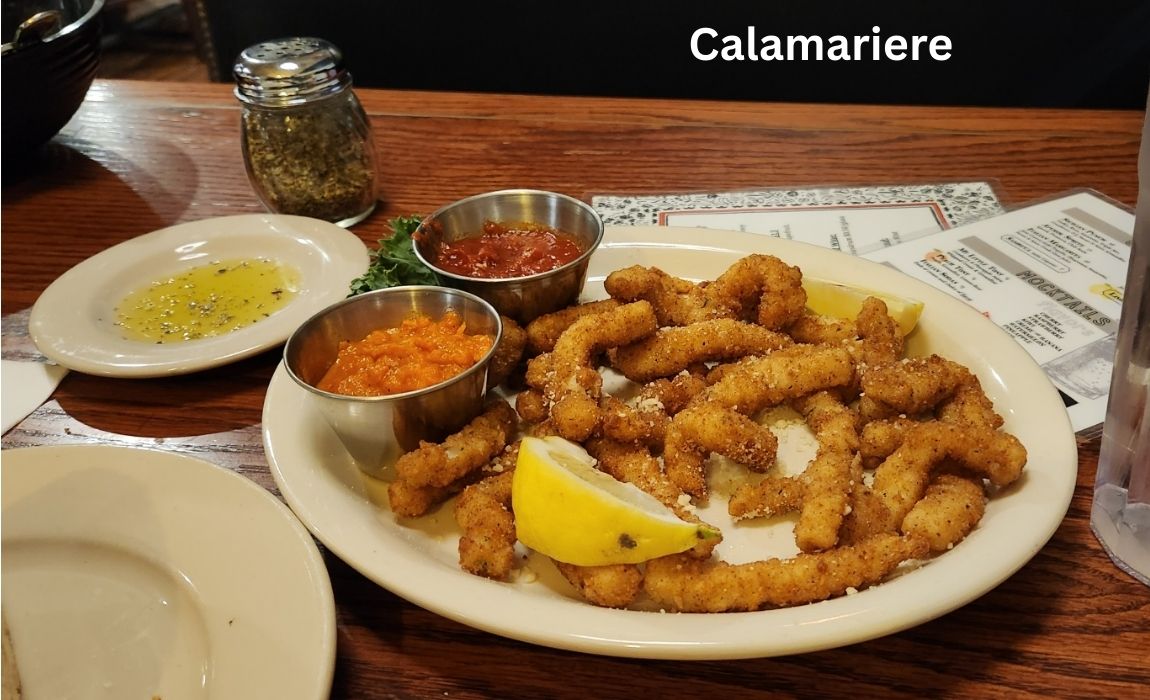
Have you ever heard the term calamariere and wondered what it meant? For many fishing enthusiasts, especially those who love chasing squid, this word is part of their everyday language. But for others, it might sound like a specialty dish at an Italian restaurant. In reality, a calamariere is a specialized fishing lure designed specifically for catching squid, also known as calamari. This guide will take you on a deep dive into the world of calamariere, exploring everything from their history and design to the best techniques for using them. Get ready to become an expert on these fascinating and effective tools that have transformed squid fishing for anglers around the globe.
Key Takeaways
- What is a Calamariere?: It’s a specific type of fishing lure, often called a squid jig, designed to attract and catch squid.
- Unique Design: Unlike traditional hooks, calamariere feature a crown of sharp, barbless pins at their base to ensnare a squid’s tentacles.
- Variety is Key: They come in countless shapes, sizes, colors, and weights to match different fishing conditions and squid behaviors.
- Technique Matters: The “Eging” technique, which involves a specific rod action, is the most popular and effective way to fish with a calamariere.
- Beyond the Lure: Successful squid fishing also depends on understanding squid behavior, choosing the right time and place, and using appropriate gear.
What Exactly is a Calamariere?
At its core, a calamariere is a squid jig. The name itself has Italian roots, directly translating to “squid catcher” or relating to the act of squid fishing. While the term might be more common in Mediterranean regions, the lure itself is used by anglers worldwide. Unlike fish, which typically bite a lure and get hooked in the mouth, squid are predators that attack their prey with their tentacles. The design of a calamariere is a brilliant solution to this unique hunting behavior. Instead of a single, curved hook, it features a circular array of sharp, upward-pointing needles or pins at its base. When a squid grabs the lure, its tentacles become entangled in this crown of hooks, securing the catch. This design is incredibly effective and minimizes injury to the squid, which is important for anglers who value the quality of their catch for the table.
These lures are much more than just a set of hooks on a weighted body. Modern calamariere are marvels of engineering, designed to mimic the appearance and movement of the small fish and shrimp that squid prey on. They are carefully balanced to sink at a specific rate, and their shapes are often hydrodynamic to create an enticing darting action when jigged. The level of detail can be astounding, with many featuring realistic 3D eyes, textured bodies that feel like prey, and finishes that shimmer and glow to attract squid in deep or murky water.
The Evolution of the Squid Jig
The concept of using a specialized tool to catch squid is not new. For centuries, coastal communities have devised ingenious ways to lure these cephalopods. Early versions were often handcrafted from wood, bone, or lead. Fishermen would carve a piece of wood into a shrimp-like shape, attach a weight to help it sink, and affix a series of sharp pins at the end. These primitive jigs were functional, but modern manufacturing has taken the calamariere to a whole new level. The biggest revolution came from Japan, where squid fishing, known as eging (from egi, the Japanese word for squid jig), is a national pastime.
Japanese manufacturers like Yamashita and Yo-Zuri pioneered many of the innovations we see today. They introduced durable plastic bodies, a vast array of colors tested for effectiveness in different water conditions, and cloth-wrapped finishes that provide a more natural texture for the squid to hold onto. They also perfected the science of lure balance and sink rates, allowing anglers to precisely control the depth and action of their calamariere. Innovations continue to this day, with features like internal “warm jackets” that hold heat to mimic the body temperature of live prey and sound chambers that create rattling noises to attract squid from a distance.
Anatomy of a Modern Calamariere
To truly appreciate these lures, it helps to understand their different parts. Each component is designed with a specific purpose in mind, working together to create a tool that is irresistible to squid.
|
Component |
Purpose |
Key Features |
|---|---|---|
|
Body |
Mimics the shape and size of prey like shrimp or small fish. |
Can be hard plastic or cloth-wrapped. Often has a curved, shrimp-like profile. |
|
Hooks |
A crown of sharp, barbless pins to entangle squid tentacles. |
Two circular tiers of hooks are common. Stainless steel for corrosion resistance. |
|
Weight |
Sinks the lure and determines its orientation and sink rate. |
Usually integrated into the nose or externally attached. Sink rate is a critical spec. |
|
Eyes |
Acts as a strike point and adds realism. |
Often large, 3D, and sometimes glow-in-the-dark. |
|
Finish/Color |
Attracts squid based on water clarity and light conditions. |
Natural patterns, bright attractors, glow, and UV-reactive paints. |
|
Feathers |
Adds movement and mimics shrimp legs or fins. |
Often found on the sides of the lure to create a more realistic silhouette. |
H3: The Importance of Body and Shape
The body of the calamariere is its foundation. Most are shaped to imitate a shrimp, which is a primary food source for many squid species. The curved back and slender profile are classic design elements. Some lures are covered in a special cloth, which serves two purposes. First, it provides a more natural, less slippery texture that encourages a squid to hold on longer after striking. Second, the cloth can absorb scent attractants, leaving a trail in the water that can draw squid in. The shape also influences the lure’s action in the water. A well-designed calamariere will dart erratically from side to side when jerked, perfectly imitating a fleeing shrimp.
H3: The Crown of Hooks
The hook set is the most defining feature of a calamariere. These “hooks” are actually a series of very sharp, straight pins arranged in one or two circular rows. This design is incredibly effective at snagging the soft tentacles of a squid without needing the squid to be hooked in the mouth. Because the pins are barbless, it’s also relatively easy to unhook the squid. The quality of these pins is crucial; they need to be sharp enough to penetrate and strong enough not to bend or break when a large squid is pulling. High-quality calamariere will use stainless steel hooks to prevent rust and maintain sharpness.
H3: Weight and Sink Rate Explained
The weight, or “sinker,” on a calamariere is not just for getting the lure down to the right depth. It is precisely positioned, usually at the nose of the lure, to control how it sinks. This is one of the most critical aspects of eging. Lures are often categorized by their sink rate, measured in seconds per meter (e.g., 3.5s/m). A faster sink rate is useful in deep water or strong currents, while a slower sink rate can be deadly in shallow areas or when squid are less aggressive, as it keeps the lure in the strike zone for longer. This controlled, nose-down descent gives the squid ample opportunity to attack what it perceives as a wounded and easy meal.
Choosing the Right Calamariere for the Job
With thousands of options on the market, picking the right calamariere can feel overwhelming. However, by considering a few key factors, you can narrow down your choices and significantly increase your chances of success. The three main variables to consider are size, color, and weight.
H3: Matching the Hatch: Size Matters
Just like in other types of fishing, “matching the hatch” is a crucial concept in squid fishing. This means choosing a calamariere size that corresponds to the size of the baitfish or shrimp that the local squid are feeding on. Squid jig sizes are designated by a number, typically ranging from 1.5 to 4.5. This number refers to the length of the jig in sun, an old Japanese unit of measurement where 1.0 is approximately one inch.
- Sizes 1.5 – 2.5: Ideal for targeting smaller squid or for fishing in early season when the squid are young. They are also great for finesse presentations when squid are being finicky.
- Sizes 3.0 – 3.5: This is the all-around, go-to size range for most situations. It effectively targets a wide range of squid sizes and is the most popular choice among anglers.
- Sizes 4.0 – 4.5: These are large jigs reserved for targeting trophy-sized squid, especially in deep water where a larger profile is needed to get noticed.
H3: The Color Conundrum
Calamariere come in a rainbow of colors, and every experienced angler has their favorites. While it can seem confusing, color selection can be simplified by thinking about water clarity and light conditions.
- Natural Colors (Brown, Green, Olive): These are excellent choices for clear water and bright, sunny days. They mimic the natural colors of shrimp and small fish.
- Bright Colors (Pink, Orange, Chartreuse): These “attractor” colors stand out in murky or stained water. Pink and orange are classic, highly effective squid colors that work in a wide variety of conditions.
- Dark Colors & Silhouettes (Black, Purple, Red): These colors create a strong silhouette and are very effective at night, dawn, and dusk when squid are hunting against the lighter surface of the water.
- Glow and UV: Many modern calamariere incorporate glow-in-the-dark paints or UV-reactive materials. Glow is fantastic for night fishing or in very deep, dark water. UV finishes are invisible to the human eye but can be highly visible to squid, giving you an edge in certain light conditions. For more insights on fishing gear and techniques, you might find valuable information on platforms like Forbes Planet.
H3: Selecting the Right Weight
The weight of your calamariere determines its sink rate and how well you can cast it. As mentioned, the sink rate is often printed on the package. The right choice depends on water depth and current.
- Shallow Water (Under 20 feet): Use a lure with a “Shallow” or “S” designation, or a standard lure with a slow sink rate (e.g., 5-6 s/m). This prevents you from constantly snagging the bottom.
- Moderate Depth (20-50 feet): A “Basic” or standard model with a sink rate of 3-4 s/m is perfect. This is the most versatile type.
- Deep Water or Strong Current: Look for a “Deep” or “D” model. These have extra weight and a faster sink rate (e.g., 2-3 s/m) to get the lure down quickly and keep it in the strike zone despite the current.
The Art of Eging: How to Fish with a Calamariere

Simply casting out a calamariere and slowly reeling it in will occasionally catch a squid, but to be truly effective, you need to learn the technique of eging. This active, engaging method is designed to mimic the panicked darting of a shrimp and trigger a squid’s predatory instincts. It requires a specific set of rod movements.
The basic technique involves a “jerk and fall” action:
- Cast Out: Cast your calamariere and let it sink to your desired depth. It’s often best to let it hit the bottom first to know where you are in the water column.
- The Jerk: With your rod tip pointed down, give it two or three sharp, upward jerks or “whips.” This is not a gentle lift; it’s a crisp action that causes the lure to dart erratically upwards and side-to-side.
- The Fall: After the jerks, quickly lower your rod tip to create slack in your line. This is the most important part. The calamariere will now sink on its own, maintaining its horizontal, prey-like posture. Almost all strikes will occur as the lure is falling.
- Wait and Watch: Keep a close eye on your line. You are looking for any subtle tick, jump, or straightening of the slack line. This indicates a squid has grabbed your lure.
- Set the Hook: When you detect a strike, don’t perform a huge, aggressive hookset like you would with a fish. A firm, sweeping lift of the rod is all that is needed to set the fine pins of the calamariere into the squid’s tentacles.
- The Retrieve: Keep steady pressure on the squid as you reel it in. The barbless hooks can come loose if you give it slack.
Essential Gear for Squid Fishing
While you can catch squid with any basic spinning rod and reel, using gear specifically designed for eging will make the experience more enjoyable and successful.
- Eging Rod: These rods are typically 7 to 9 feet long, with a light to medium-light power. Their most important feature is a soft, sensitive tip that helps you detect subtle takes, combined with a strong butt section to control the squid. The action is designed to perfectly impart the “whip” needed for the eging technique.
- Spinning Reel: A small spinning reel in the 2000 to 3000 size range is ideal. You want a reel with a smooth drag system to avoid tearing the hooks out of the squid’s soft tentacles.
- Line: Braided line is the overwhelming favorite for eging. Its lack of stretch provides a direct connection to the calamariere, allowing you to feel every subtle bump and impart the perfect darting action. A thin braid (10-15 lb test) is usually paired with a fluorocarbon leader (8-12 lb test) for abrasion resistance and near-invisibility in the water.
Where and When to Find Squid
Catching squid with your new calamariere is as much about location as it is about technique. Squid are drawn to structure and light.
- Piers and Jetties: These are classic squid fishing spots. The structure provides shelter for baitfish, which in turn attracts squid. At night, the lights on piers are a major draw, creating a feeding zone for hungry squid.
- Rocky Shorelines and Kelp Beds: These areas are natural habitats for the shrimp and small crabs that squid love to eat. Casting a calamariere around these structures can be very productive.
- Time of Day: While you can catch squid during the day, the best fishing is often at dawn, dusk, and throughout the night. Squid are aggressive nocturnal hunters and often move into shallower water to feed under the cover of darkness. Changes in tide can also trigger a bite, so pay attention to tidal charts in your area.
By understanding the design of a calamariere, choosing the right one for the conditions, and mastering the eging technique, you can unlock a new and exciting world of fishing. It’s a challenging yet rewarding pursuit that connects you directly to the predator-prey dance happening beneath the waves.
Conclusion
The calamariere is far more than a simple piece of fishing tackle; it’s a testament to the ingenuity of anglers and a specialized tool perfected over generations. From its humble origins as a piece of carved wood to the high-tech, glow-in-the-dark, and cloth-wrapped marvels of today, its purpose remains the same: to effectively and efficiently catch squid. Understanding the anatomy of the lure, from the critical sink rate determined by its weight to the enticing action of its shape, is the first step toward success. By learning to select the right size and color for the conditions and mastering the rhythmic art of eging, you can turn a slow day on the water into an exciting and productive adventure. So next time you’re near the coast, consider picking up a few calamariere and giving squid fishing a try. You might just find your new favorite pastime.
Frequently Asked Questions (FAQ)
Q1: What is the difference between a calamariere and a regular fishing lure?
A calamariere, or squid jig, is designed specifically for squid. Its main difference is the hook system. Instead of a traditional J-hook, it has a crown of sharp, barbless pins at the base designed to entangle a squid’s tentacles when it attacks the lure.
Q2: Can you catch fish on a calamariere?
While it’s possible for a fish to get snagged on the pins, it’s very rare. The design is not intended for hooking fish in the mouth. You are far more likely to catch other cephalopods like cuttlefish or octopus.
Q3: What does the number on a calamariere package (e.g., 3.0) mean?
The number represents the size of the jig in an old Japanese unit called sun. A size 3.0 is approximately 3 inches long (not including the hooks). A larger number means a larger lure. The most common and versatile sizes are 3.0 and 3.5.
Q4: Do I need a special rod and reel to use a calamariere?
While not strictly necessary, using a specialized “eging” rod and a quality spinning reel will greatly improve your experience. Eging rods are designed with the perfect action to work the lure properly and have sensitive tips to detect the subtle bites of a squid.
Q5: What is the best time of day to fish for squid?
Squid are most active during low-light conditions. The best times to fish are typically at dawn, dusk, and throughout the night, especially around lighted structures like piers and docks. They often move into shallower water to feed during these times.
Stay Informed With the Latest & Most Important News
Previous Post
Next Post











Advertisement