

Now Reading: The Surprising Story of the Ukulele History: From Island Strings to Global Sensation
-
01
The Surprising Story of the Ukulele History: From Island Strings to Global Sensation

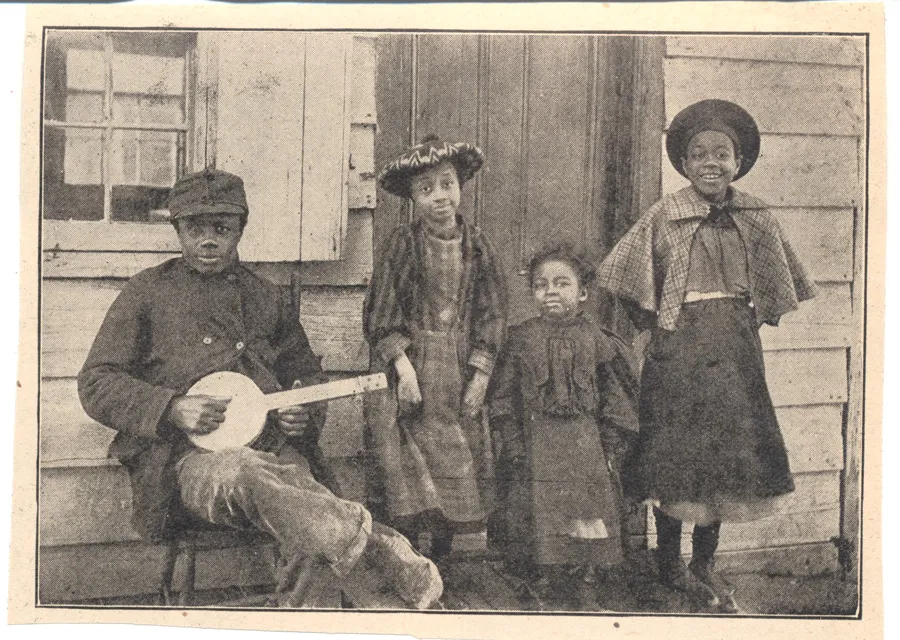
Have you ever heard the cheerful, bright sound of a ukulele? This small, four-stringed instrument often brings to mind images of Hawaiian beaches and laid-back island life. But have you ever wondered where it came from? The ukulele history is a fascinating tale of travel, innovation, and cultural exchange. It’s a journey that starts on a small island in the Atlantic, crosses the ocean to the Pacific, and eventually captures the hearts of people all over the world.
This small guitar-like instrument has a surprisingly rich and complex past. From its humble beginnings with Portuguese immigrants to its status as a symbol of Hawaiian culture and a global musical phenomenon, the ukulele’s story is as vibrant as its sound. We’ll explore its roots, meet the key figures who shaped its development, and see how it became the beloved instrument we know today.
Key Takeaways
- The ukulele originated from a Portuguese instrument called the machete de braga, brought to Hawaii by immigrants in the late 19th century.
- Hawaiian King Kalākaua, known as the “Merrie Monarch,” was a crucial patron who championed the instrument, integrating it into royal court performances and Hawaiian culture.
- The name “ukulele” is Hawaiian and is often translated as “jumping flea,” likely referring to the quick finger movements of skilled players.
- The 1915 Panama-Pacific International Exposition in San Francisco was a pivotal event that introduced the ukulele to mainland America, sparking its first wave of popularity.
- The ukulele has experienced several waves of popularity throughout its history, from the jazz age of the 1920s to the modern resurgence fueled by internet culture and artists like Jake Shimabukuro.
The Portuguese Roots: Before the Ukulele
To understand the ukulele history, we must first travel to the Madeira Islands, a Portuguese archipelago in the Atlantic Ocean. This is where the ukulele’s ancestor, the machete de braga (often just called the machete), was a popular folk instrument. The machete is a small, guitar-shaped instrument with four metal or gut strings. It has a bright, plucky sound that you would instantly recognize as a precursor to the ukulele. For centuries, it was a staple of Madeiran folk music, used to accompany songs and dances.
In the late 1800s, Hawaii’s sugar industry was booming. The vast sugar cane plantations required a large labor force, which led to a wave of immigration from around the world. Portuguese workers, particularly from the Madeira Islands and the Azores, were among those who sought new opportunities in the Hawaiian Kingdom. In 1879, a ship named the SS Ravenscrag arrived in Honolulu harbor after a long four-month journey. Aboard were hundreds of Portuguese immigrants, including three men who would become central figures in the ukulele history: Manuel Nunes, Augusto Dias, and Jose do Espirito Santo. They were skilled woodworkers and musicians, and they brought their beloved machetes with them.
Arrival in Hawaii: The “Jumping Flea” is Born
Legend has it that upon arriving in Honolulu, one of the passengers from the Ravenscrag, a musician named João Fernandes, was so overjoyed to be on solid ground that he began playing his machete right there on the docks. The Hawaiians who gathered to watch were captivated by the lively music and the player’s fast-moving fingers, which seemed to dance across the fretboard. This energetic playing style is one of the leading theories for how the instrument got its new name. In Hawaiian, ‘uku means “flea” and lele means “to jump.” So, “ukulele” translates to “jumping flea.”
Another popular theory for the name comes from a British army officer in King Kalākaua’s court, Edward Purvis. He was a small, nimble man and a talented musician who became known as ‘ukulele to the Hawaiians. Because he often played the instrument at court, his nickname may have become associated with the instrument itself. Whatever the true origin, the name stuck, and the machete began its transformation into a uniquely Hawaiian instrument. The story of its arrival and naming marks a pivotal moment in ukulele history.
The Royal Embrace: King Kalākaua and the Rise of the Ukulele
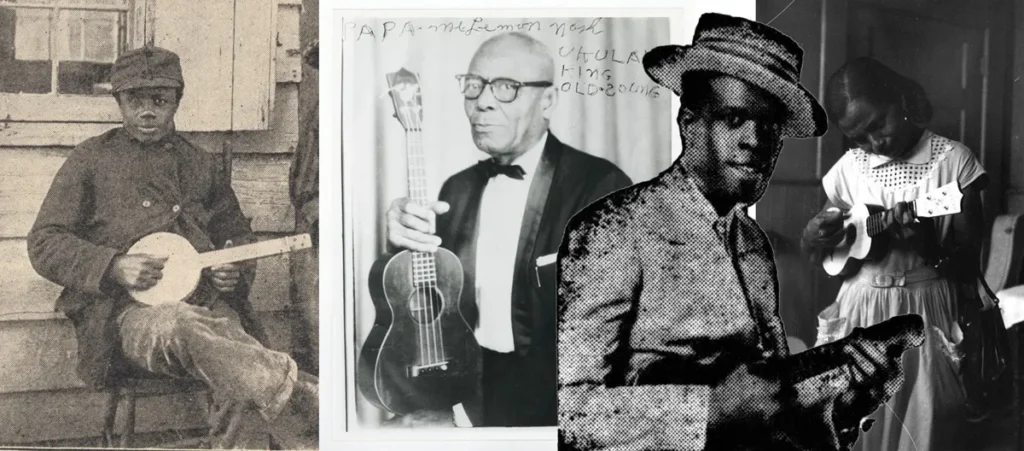
The ukulele might have remained a niche folk instrument if not for the enthusiastic support of Hawaii’s reigning monarch, King David Kalākaua. Known as the “Merrie Monarch,” King Kalākaua was a passionate patron of the arts and a key figure in the revival of traditional Hawaiian culture, including hula and music. He saw the potential in this new instrument and embraced it wholeheartedly. He learned to play it himself and encouraged its use in formal royal court gatherings and performances.
By incorporating the ukulele into the Royal Hawaiian Band and pairing it with traditional Hawaiian song and dance, King Kalākaua elevated its status from a foreign novelty to an integral part of Hawaiian national identity. This royal endorsement was crucial. It gave the ukulele legitimacy and prestige, ensuring its adoption across the islands. The King’s support cemented the instrument’s place in the heart of Hawaiian culture, a legacy that continues to define ukulele history. The instrument became a symbol of a modern, vibrant Hawaiian identity, blending new influences with cherished traditions.
The First Ukulele Makers: Nunes, Dias, and Santo
The three cabinet makers from the SS Ravenscrag—Manuel Nunes, Augusto Dias, and Jose do Espirito Santo—did not just bring the machete to Hawaii; they started building them there. Recognizing the local fascination with the instrument, they each opened their own workshops in Honolulu in the 1880s. They began crafting instruments that, while based on the machete, started to incorporate local materials and design tweaks. They often used Hawaiian koa wood, a beautiful acacia species prized for its rich color and resonant tonal qualities.
Adapting the Design
These craftsmen began modifying the instrument’s construction. They adjusted the tuning and shape, creating what we now recognize as the first true ukuleles. Manuel Nunes is often credited as the “first ukulele maker” and even put a label in his instruments proclaiming himself the “inventor” of the ukulele. While he didn’t invent it from scratch, he was certainly a pioneer in its development and popularization.
For a deeper look into how businesses grow from such humble beginnings, one might find interesting parallels in stories on platforms like forbesplanet.co.uk. The transition from a Portuguese folk instrument to a Hawaiian cultural icon was finalized in the workshops of these three innovative artisans, marking a foundational chapter in ukulele history.
|
Pioneer Ukulele Maker |
Known For |
Year Shop Opened |
|---|---|---|
|
Manuel Nunes |
Often called the “inventor” of the ukulele; one of the most prolific builders. |
c. 1884 |
|
Augusto Dias |
A skilled musician and luthier who also taught many Hawaiians how to play. |
c. 1884 |
|
Jose do Espirito Santo |
The third of the original trio of luthiers from the Ravenscrag. |
c. 1888 |
The Ukulele Travels to Mainland America
The ukulele’s journey from a Hawaiian treasure to a global star began in 1915 at a massive event in California. The Panama-Pacific International Exposition (PPIE) in San Francisco was a world’s fair celebrating the opening of the Panama Canal, but it also became a major cultural event. Hawaii hosted a pavilion that was one of the fair’s most popular attractions. The centerpiece of the Hawaiian Pavilion was a show featuring Hawaiian music and hula dancers, with the ukulele playing a starring role.
Millions of visitors to the fair were enchanted by the sweet sounds of the instrument and the romantic allure of Hawaiian culture. Performers like George E. K. Awai and his Royal Hawaiian Quartet, along with ukulele virtuoso Jonah Kumalae, became stars of the exposition. This was the first time many Americans had ever heard the ukulele, and they fell in love with it. The fair ignited a nationwide “craze” for all things Hawaiian, and the ukulele was at the forefront. This event is a landmark moment in ukulele history, launching the instrument into the American mainstream.
The First Wave of Popularity: The 1920s and Tin Pan Alley
Following the success of the PPIE, the ukulele exploded in popularity across the United States. Music publishers from New York’s Tin Pan Alley quickly capitalized on the trend, churning out sheet music for popular songs arranged for the ukulele. The instrument was affordable, portable, and relatively easy to learn, making it the perfect musical companion for the Roaring Twenties. It became a staple in jazz bands, vaudeville shows, and college dorm rooms.
Mainland American instrument manufacturers like Martin, Gibson, and Harmony began mass-producing ukuleles to meet the soaring demand. Martin, in particular, became famous for creating high-quality koa and mahogany ukuleles that are still highly sought after by collectors today. The instrument’s cheerful sound became part of the soundtrack of the era. This period solidified the ukulele’s place in American popular music and marked a major commercial peak in the early ukulele history.
Different Sizes Emerge
During this time, the standard ukulele, now known as the soprano, was joined by new sizes to offer different tones and volume levels.
- Soprano: The original and smallest size, known for its classic, bright ukulele sound.
- Concert: Developed in the 1920s, it’s slightly larger with more tension on the strings, offering a fuller sound and more room on the fretboard.
- Tenor: Also emerging in the 1920s, this size became popular with professional players for its louder volume and deeper tone.
- Baritone: Developed in the 1940s, this is the largest of the main four sizes and is tuned differently, more like the top four strings of a guitar.
A Second Life: Post-War and the Arthur Godfrey Era
After a dip in popularity during the Great Depression and World War II, the ukulele experienced a significant resurgence in the late 1940s and 1950s. This second wave of popularity was largely driven by one man: Arthur Godfrey. Godfrey was a hugely popular television and radio personality who often played his ukulele on his show, Arthur Godfrey and His Friends. He used the instrument to play simple chords while singing, showing millions of viewers how accessible and fun it could be.
Godfrey’s influence was immense. He even had a line of signature plastic ukuleles, the “Arthur Godfrey Islander,” which sold in the millions. These inexpensive but playable instruments brought the ukulele into households across America. He simplified the instrument for a mass audience, and his folksy charm made learning to play seem easy and enjoyable. For a generation of baby boomers, Arthur Godfrey and the ukulele were synonymous, marking another key chapter in the ever-evolving ukulele history.
The Quiet Years and the Modern Resurgence
The ukulele’s popularity faded again with the rise of rock and roll in the 1960s, as the electric guitar became the dominant instrument for popular music. For several decades, the ukulele was often seen as a toy or a novelty item, associated with kitschy old songs. However, dedicated players and Hawaiian cultural practitioners kept the tradition alive.
The modern revival of the ukulele began in the late 1990s and early 2000s, fueled by a new generation of incredible players and the power of the internet. A key figure in this renaissance is Jake Shimabukuro, a Hawaiian-born virtuoso. In 2006, a video of him playing a complex and passionate arrangement of George Harrison’s “While My Guitar Gently Weeps” in Central Park went viral on YouTube.
The video showcased the ukulele’s incredible potential for musical expression, shattering the perception of it as a simple strumming instrument. Millions of people saw that the ukulele could be played with the same level of artistry and technical skill as a concert violin or a classical guitar. This viral moment is a cornerstone of the modern ukulele history.
The Ukulele in the 21st Century
Today, the ukulele is more popular than ever. Its current wave of popularity is global, with ukulele clubs, festivals, and orchestras popping up all over the world. Artists like Grace VanderWaal, who won America’s Got Talent with her original songs on the ukulele, have inspired a new generation of young players. The instrument’s affordability, portability, and gentle learning curve make it incredibly appealing.
Online resources, including YouTube tutorials and digital chord charts, have made it easier than ever for beginners to learn to play. The ukulele has become a staple in classrooms, as music educators recognize its value for teaching basic musical concepts.
The instrument has come full circle, from its folk roots in Portugal to a symbol of Hawaii, a pop culture fad, and now a respected and beloved instrument played by people of all ages and skill levels worldwide. This global embrace is the latest chapter in the long and vibrant ukulele history. Its story is a testament to the power of music to connect cultures and travel across oceans and generations, a narrative well-documented across various sources, including the comprehensive information available on platforms like Wikipedia.
Frequently Asked Questions (FAQ)
Q1: Is the ukulele from Hawaii?
A: Yes and no. The ukulele was developed in Hawaii, but its ancestor, the machete, came from the Portuguese island of Madeira. Hawaiian craftsmen adapted the machete into the instrument we know as the ukulele.
Q2: Is the ukulele easy to learn?
A: The ukulele is generally considered one of the easier string instruments to learn. It has only four nylon strings, which are softer on the fingers than steel strings, and many popular songs can be played with just a few simple chords.
Q3: What’s the difference between a ukulele and a guitar?
A: The main differences are size, number of strings, and tuning. Ukuleles are much smaller, have four nylon strings, and are typically tuned G-C-E-A. Most guitars are larger, have six steel strings, and are tuned E-A-D-G-B-E.
Q4: What kind of wood are ukuleles made from?
A: Traditionally, Hawaiian ukuleles are made from koa wood, which is known for its beautiful appearance and bright, sweet tone. Today, ukuleles are made from many different woods, including mahogany, spruce, cedar, and maple, each offering a different sound quality.
Q5: Who are some famous ukulele players?
A: Beyond the historical figures, famous players include Jake Shimabukuro, Israel Kamakawiwoʻole (famous for his “Somewhere Over the Rainbow/What a Wonderful World” medley), George Formby, Grace VanderWaal, and Eddie Vedder of Pearl Jam.
Related Posts


Stay Informed With the Latest & Most Important News
Previous Post
Next Post











Advertisement