

Now Reading: The Allure of the Karambit Ruby: A Collector’s Dream
-
01
The Allure of the Karambit Ruby: A Collector’s Dream

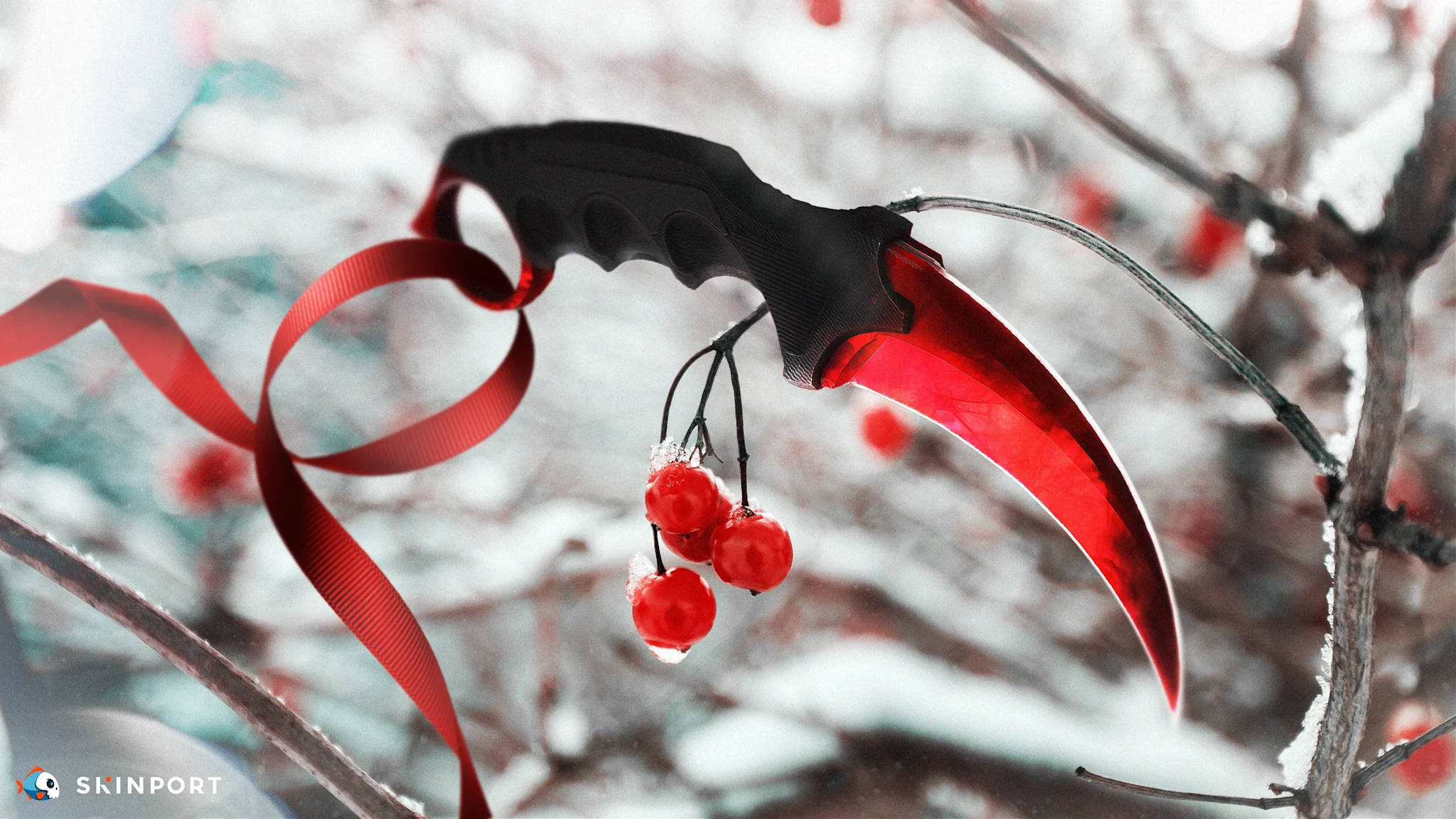
The world of tactical knives and in-game collectibles is vast and varied, but few items capture the imagination quite like the karambit ruby. This iconic blade, with its distinctive curved shape and mesmerizing gemstone finish, stands as a pinnacle of design and desirability. Whether you’re a seasoned collector, a gaming enthusiast, or simply someone who appreciates fine craftsmanship, the karambit ruby holds a special kind of appeal. It’s more than just an object; it’s a status symbol, a piece of art, and a focal point of many collections.
This guide will dive deep into everything that makes the karambit ruby so special. We will explore its origins, what defines its unique appearance, and why it has become such a sought-after item. From its valuation in different markets to its place in popular culture, you’ll gain a comprehensive understanding of this stunning blade. We’ll cover its design features, how to distinguish a genuine article, and tips for those looking to add one to their own collection.
Key Takeaways
- The karambit ruby is a highly coveted item known for its curved blade and vibrant, gem-like red finish.
- Its value is influenced by factors like its wear rating (float value), market demand, and rarity.
- The design originates from the traditional Southeast Asian karambit, a utility and self-defense tool.
- Authentication is crucial; look for specific pattern details and finish quality to avoid counterfeits.
- The karambit ruby holds significant cultural weight, particularly within the Counter-Strike gaming community.
What Exactly is a Karambit Ruby?
At its core, a karambit ruby is a specific and exceptionally rare variant of the karambit knife. The name refers to its finish, which mimics the deep, vibrant red of a flawless ruby gemstone. This isn’t just a simple coat of red paint; it’s a specialized finish that gives the blade a translucent, crystalline appearance, making it look as though it were carved directly from a giant gem. The effect is breathtaking, with light catching and refracting off its surface, creating a dynamic and luxurious look.
The base knife, the karambit, is famous for its curved, claw-like blade and a safety ring at the end of the handle. This design allows for a secure and versatile grip. When this practical, ancient design is combined with the ultra-rare ruby finish, the result is an item that is both functional in its theoretical application and stunningly beautiful as a display piece. The karambit ruby is most famous in the digital world, specifically as a high-tier cosmetic item in video games, but its allure has inspired real-world replicas sought by knife collectors globally.
The Origins of the Karambit Design
The karambit’s history is far richer and older than its modern digital fame. Originating in Southeast Asia, particularly in Indonesia and the Philippines, the karambit was first conceived as an agricultural tool. Its curved blade, inspired by the claw of a tiger, was perfect for tasks like raking, reaping, and planting. It was an extension of the hand, making everyday farm work more efficient.
Over time, this utilitarian tool was adapted for self-defense. The same features that made it great for farming—the secure grip from the safety ring and the efficient cutting power of the curved blade—also made it a formidable close-quarters weapon. It became an integral part of various martial arts, such as Pencak Silat. The transition from a humble farming implement to a respected weapon and finally to a coveted digital cosmetic like the karambit ruby showcases a fascinating evolution. Its journey is a testament to timeless design, as detailed in many historical articles and resources, some of which you can find exploring topics on sites like https://forbesplanet.co.uk/.
Understanding the “Doppler” and Ruby Phases
When discussing the karambit ruby, it’s impossible to avoid the term “Doppler.” In the context of the game Counter-Strike: Global Offensive, where this item gained its fame, the Doppler finish is a family of patterns. The karambit ruby is technically a “Doppler Phase 2” skin, but its solid, pure red appearance has earned it the standalone name. Let’s break down these phases.
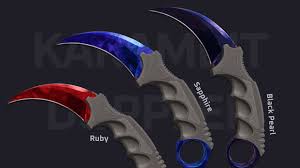
The Doppler finish is categorized into four primary phases (Phase 1-4) and three rarer, “gemstone” phases: Ruby, Sapphire, and Black Pearl.
- Phase 1 & 3: These phases are mixes of black and red, creating a “nebula” or “galaxy” pattern.
- Phase 2: This phase is predominantly pink and purple, with some black elements.
- Phase 4: This is a mix of black and blue, similar in pattern to the red phases.
The gemstone phases, however, are almost entirely one solid, vibrant color. The karambit ruby is the pure red variant, the Sapphire is pure blue, and the Black Pearl is a deep, dark mix of colors that appears almost black. These are the rarest and most valuable of the Doppler family.
Why is the Karambit Ruby So Rare?
The rarity of the karambit ruby is a combination of several factors. First, it can only be obtained by unboxing specific weapon cases in-game, and the odds of getting a knife are already incredibly low (less than 1%). On top of that, the probability of that knife having a Doppler finish is even lower. Finally, the chance of that Doppler finish being a Ruby phase is astronomically small. It is estimated that the chance of unboxing a karambit ruby is in the realm of 1 in thousands of cases.
This extreme rarity is the primary driver of its value. It is a true “grail” item for players and traders. Its scarcity ensures that it remains a status symbol, an instant indicator of luck, wealth, or dedication to the game. Owning one places a player in an elite club, making it a constant subject of desire and discussion within the community.
Factors That Determine the Value of a Karambit Ruby
Not all karambit ruby knives are created equal. Even within this ultra-rare category, there are subtle differences that can significantly impact its market value. For collectors and traders, understanding these nuances is key to making a sound investment. The primary factor is the item’s “wear” or “float value.”
In the gaming world, cosmetic items have a float value that ranges from 0.00 to 1.00. A lower float value means the item has less wear and tear, appearing pristine. A higher float value means it looks more scratched and worn. For the karambit ruby, the highest value is placed on “Factory New” condition, which corresponds to the lowest float values (typically 0.00 to 0.07). A Factory New karambit ruby will have a flawless, gleaming red surface. As the wear increases to “Minimal Wear,” “Field-Tested,” and beyond, small scratches and blemishes begin to appear, slightly dulling the finish and reducing its value.
Understanding Float Value and Its Impact
The float value is a precise, unchangeable number assigned to the item when it is first unboxed. This creates a clear hierarchy of quality.
|
Condition |
Float Value Range |
Visual Appearance |
|---|---|---|
|
Factory New |
0.00 – 0.07 |
Pristine, no visible scratches. |
|
Minimal Wear |
0.07 – 0.15 |
Minor scratches, often on the spine or tip. |
|
Field-Tested |
0.15 – 0.38 |
More noticeable scratches and wear. |
|
Well-Worn |
0.38 – 0.45 |
Significant portions of the finish are worn off. |
|
Battle-Scarred |
0.45 – 1.00 |
Heavily damaged, with large areas of wear. |
For a karambit ruby, collectors almost exclusively seek out Factory New or Minimal Wear versions. The beauty of the ruby finish is its perfect, gem-like quality, and any wear detracts from this illusion. Therefore, a karambit ruby with an extremely low float value (e.g., 0.001) can command a significant premium over one with a higher float (e.g., 0.06), even though both are considered Factory New.
The Role of Pattern Index
Another, more subtle factor is the “pattern index.” This number determines how the texture is applied to the knife model. For most Doppler phases, the pattern index creates visible variations. However, for a karambit ruby, the goal is a pure, solid red. Certain pattern indexes can result in tiny, almost imperceptible dark spots or “pixel skips” on the blade. Knives with a “clean” or “max red” pattern, where these imperfections are non-existent, are considered more desirable and can fetch higher prices among discerning collectors.
The Karambit Ruby in Popular Culture
The rise of the karambit ruby is inextricably linked to the explosion of gaming culture, esports, and live streaming over the last decade. It’s a prime example of a digital asset achieving real-world fame and value. Platforms like Twitch and YouTube have played a massive role in elevating its status.
When a popular streamer unboxes a karambit ruby live in front of thousands of viewers, the clip often goes viral. These moments are filled with genuine shock and excitement, creating a shared cultural experience for the gaming community. This repeated exposure has cemented the karambit ruby as the ultimate prize. It’s not just a skin; it’s the subject of countless videos, forum discussions, and articles. Its legendary status is self-perpetuating—the more people talk about it, the more desirable it becomes.
From Digital Skin to Real-World Collectible
The fascination with the karambit ruby hasn’t remained confined to the digital world. The demand for physical replicas has boomed. Knife manufacturers and custom artisans now produce real, functional karambits with a ruby-colored finish. These range from affordable, mass-produced models for enthusiasts to high-end, custom-made knives crafted from premium materials.
These real-world versions allow collectors to own a tangible piece of their favorite game. They serve as impressive display items and conversation starters. While they don’t carry the same market value as their digital counterparts, they satisfy the desire to hold and admire the iconic design. This crossover highlights the powerful influence of digital culture on physical consumer goods.
How to Spot a Genuine vs. a Fake Karambit Ruby
Whether you are trading for a digital karambit ruby or purchasing a physical replica, knowing how to spot a genuine article is crucial. In the digital marketplace, scams are unfortunately common, and traders may try to pass off a different, less valuable item as a ruby.
The most common trick is attempting to trade a Karambit Doppler Phase 1 or Phase 3, which have a lot of red but are mixed with black. A true karambit ruby is almost entirely red. You should always use the “Inspect in Game” feature to view the item up close. Rotate it under different lighting conditions to ensure there are no black or blue patches. Pay close attention to the spine and the area near the handle, as this is where other colors might appear on non-ruby phases.
Tips for Buying Real-World Replicas
When buying a physical karambit ruby replica, quality can vary dramatically.
- Check the Material: High-quality replicas will be made from real steel, such as stainless steel or carbon steel. Cheaper versions might be made of low-grade metal or even plastic.
- Examine the Finish: A good replica will have a durable, anodized or Cerakote finish that mimics the gemstone look. Poor-quality replicas may just have a thin layer of red paint that can easily chip or scratch.
- Look at the Craftsmanship: Inspect the overall build quality. Are the handle scales fitted properly? Is the blade centered when closed (if it’s a folding model)? Is the safety ring smooth and comfortable?
- Buy from Reputable Sellers: Purchase from well-known manufacturers or trusted resellers with good reviews. Avoid shady websites or sellers with little to no feedback.
Caring for Your Karambit Ruby
If you are one of the lucky few to own a karambit ruby, either digitally or as a physical collectible, taking care of it is important. For a digital item, “care” means protecting your account. Use strong, unique passwords and enable two-factor authentication to prevent theft. Be wary of scam attempts, such as fake trade offers or phishing links.
For a physical karambit ruby replica, proper maintenance will keep it looking its best.
- Keep it Clean: After handling, wipe the blade and handle down with a soft, clean cloth to remove fingerprints and oils.
- Prevent Rust: Even stainless steel can rust if neglected. Keep the knife dry. For carbon steel blades, apply a light coat of mineral oil or specialized knife oil to the blade to prevent oxidation.
- Store it Properly: Store your karambit in a dry place. A display case not only shows it off but also protects it from dust and moisture. If it comes with a sheath, be aware that some materials can trap moisture, so ensure the knife is completely dry before sheathing it for long periods.
Conclusion
The karambit ruby is far more than just a red-colored knife. It is a cultural icon, a digital treasure, and a testament to the power of rarity and aesthetics. Its journey from an ancient agricultural tool to a top-tier gaming cosmetic is a story of evolution and adaptation. The combination of a timeless, practical design with a stunning, rare finish has created a phenomenon that captivates both gamers and collectors.
Its value is derived not just from its beauty but from its scarcity, creating a thriving market of dedicated traders and enthusiasts. Whether you are aiming to unbox one in a game, trade for one on the market, or purchase a physical replica for your collection, the karambit ruby represents a pinnacle of design and desire. It stands as a shining example of how a virtual item can achieve legendary status and hold very real significance and value in the modern world. For those interested in the broader impact of digital trends on markets, exploring expert analysis, like those found on https://forbesplanet.co.uk/, can provide deeper insights.
Frequently Asked Questions (FAQ)
Q1: What is a karambit ruby?
A: A karambit ruby is an extremely rare and valuable variant of the karambit knife, most famously known as a cosmetic skin in the game Counter-Strike: Global Offensive. It features a solid, vibrant red finish that resembles a ruby gemstone.
Q2: Why is the karambit ruby so expensive?
A: Its high price is due to its extreme rarity. The chances of obtaining one from an in-game weapon case are astronomically low. This scarcity, combined with high demand from players and collectors, drives its value up significantly.
Q3: How can I tell a real karambit ruby from other red patterns?
A: A genuine karambit ruby is almost entirely pure red. Other similar patterns, like Doppler Phase 1 or 3, have significant amounts of black or other dark colors mixed in. Always use the in-game inspection tool to check the entire blade surface for any non-red colors before trading.
Q4: Are there real-life karambit ruby knives?
A: Yes, many knife makers and manufacturers produce physical replicas of the karambit ruby. These are real knives with a ruby-colored finish, created to meet the demand from fans and collectors who want a tangible version of the iconic item.
Q5: What is “float value” and why does it matter for a karambit ruby?
A: Float value represents the wear and tear on a digital skin, ranging from 0.00 (pristine) to 1.00 (heavily worn). For a karambit ruby, a lower float value (Factory New condition) is highly desirable as it preserves the flawless, gem-like appearance of the finish, making it more valuable.
Related Posts



Stay Informed With the Latest & Most Important News
Previous Post
Next Post











Advertisement