

Now Reading: Tankard Tankard: Your Ultimate Guide to This Timeless Mug
-
01
Tankard Tankard: Your Ultimate Guide to This Timeless Mug

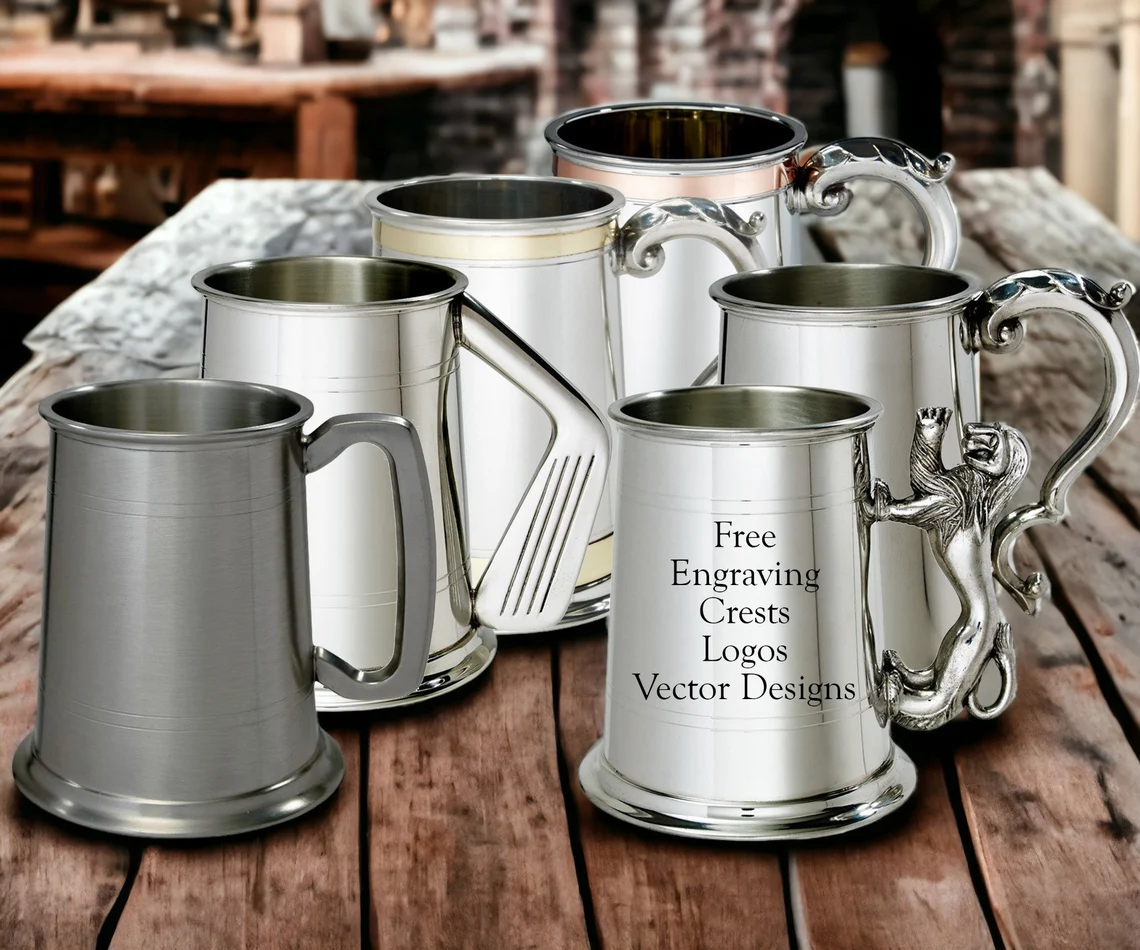
Welcome to the wonderful world of the tankard! You’ve likely seen them in movies set in medieval times, held high by celebrating heroes, or maybe you even own one yourself. The tankard tankard is more than just a drinking vessel; it’s a piece of history, a work of art, and a symbol of good times. This guide will explore everything you need to know about these fantastic mugs, from their rich history and diverse materials to their modern uses and famous namesakes. Whether you’re a collector, a history enthusiast, or just someone looking for a better way to enjoy your favorite beverage, we’ve got you covered.
Key Takeaways
- A Rich History: Tankards have been around for centuries, evolving from simple wooden mugs to ornate pieces made of pewter, silver, and even glass.
- Variety of Materials: You can find a tankard tankard made from wood, pewter, stainless steel, ceramic, and more, each offering a unique experience.
- More Than Just Beer: While traditionally used for beer and ale, modern tankards are perfect for any cold or hot beverage, from soda to coffee.
- Collectible Items: Many people collect tankards for their historical value, intricate designs, and connection to specific events or places.
- Famous Connections: The term “tankard” is also associated with notable figures and even a famous thrash metal band, adding to its cultural significance.
What Exactly Is a Tankard Tankard?
At its core, a tankard is a type of mug, typically used for drinking. What makes a tankard tankard special is its distinct features. It’s usually large, made from a single piece of material, and often comes with a handle. One of the most iconic features of many historical tankards is a hinged lid, which was originally designed to keep flies out of the drink and, some believe, to prevent the spread of disease during plagues.
Today, the definition has broadened. While you can still find traditional lidded tankards, many modern versions are lidless. They come in all shapes and sizes, from standard pint-sized mugs to the impressive giant stainless steel tankard. The defining characteristics remain its sturdy build and its connection to a sense of tradition and celebration. Whether you’re enjoying a cold one at a renaissance faire or sipping coffee at your desk, using a tankard feels a little more special than using a regular cup.
A Journey Through the History of the Tankard
The story of the tankard tankard begins hundreds of years ago. The earliest versions were carved from wood, specifically from a single piece of stave, which gave them their classic cylindrical shape. These wooden mugs were common in medieval Europe, especially in places like Germany and England, where ale and beer were dietary staples. The name “tankard” itself is thought to have originated in the 13th century.
From Wood to Pewter
As craftsmanship evolved, so did the materials used to make tankards. Pewter, an alloy of tin with small amounts of other metals, became a popular choice in the 17th and 18th centuries. Pewter was easier to shape than wood and could be engraved with intricate designs, family crests, or important dates. This made the tankard tankard a personal and often cherished possession. Many pewter tankards from this era featured glass bottoms. Legend has it that this was so a drinker could keep an eye on their surroundings, watching for unsavory characters in a tavern. Another story suggests it was a way to avoid being tricked into accepting the “King’s Shilling,” a coin dropped into a drink to forcibly conscript someone into the British navy.
The Rise of Silver and Glass
For the wealthy, silver was the material of choice. A silver tankard was a status symbol, often given as a gift for weddings, christenings, or military achievements. These were true works of art, showcasing the incredible skill of silversmiths. During the 19th century, with advancements in glassmaking, glass tankards became more common and affordable. They allowed drinkers to appreciate the color and clarity of their beer, adding a new dimension to the drinking experience. This tradition continues today, with many modern pubs serving beer in heavy, dimpled glass tankards.
Materials Matter: Choosing Your Perfect Tankard
The material of your tankard tankard affects its look, feel, and even the taste of your drink. Let’s explore some of the most popular options available today.
The Classic Wooden Tankard
There’s something undeniably rustic and charming about a wooden tankard. The Chuug wood tankard is a great modern example, bringing that old-world feel to the present day. Wooden tankards are often lined with a food-safe sealant to ensure they are waterproof and don’t impart a woody taste to your beverage. They are lightweight and durable, making them perfect for outdoor gatherings, festivals, or themed parties. Holding a wooden tankard can make you feel like you’ve stepped back in time to a Viking mead hall or a medieval tavern.
The Timeless Pewter Tankard
Pewter remains a beloved material for its classic look and satisfying weight. Modern pewter is lead-free and completely safe for drinking. It develops a beautiful patina over time, giving it a distinguished, antique appearance. Pewter tankards are often engraved for special occasions like graduations, retirements, or as awards. They are excellent at keeping drinks cold and provide a substantial, quality feel in your hand. A pewter tankard tankard is a sophisticated choice that connects directly to the golden age of these drinking vessels.
The Modern Stainless Steel Tankard
For durability and practicality, nothing beats stainless steel. A giant stainless steel tankard is perfect for those who want a vessel that can hold a large volume and withstand a bit of rough handling. Stainless steel is non-reactive, meaning it won’t affect the flavor of your drink. It’s also fantastic at insulation, keeping cold drinks cold and hot drinks hot for longer periods. You can find everything from a sleek, minimalist design to an over 20 fl oz capacity stainless steel tankard ready for any party. For the truly thirsty, an over 24 fl oz capacity giant stainless steel tankard is the ultimate choice.
Other Popular Materials
- Ceramic: Ceramic and pottery tankards (often called steins, especially in German tradition) allow for vibrant colors and detailed, raised designs. They are heavy and sturdy, making them great display pieces as well as functional mugs.
- Glass: As mentioned, glass tankards are a pub staple. The thick, often dimpled glass is durable and showcases the beverage beautifully. They are easy to clean and provide a pure taste.
- Silver: While less common for everyday use due to cost, silver tankards are still crafted as luxury items and trophies. A diamond tankard, for example, would be an exceptionally luxurious and rare piece, likely a custom creation or a historical artifact adorned with gems.
Tankard Sizes and Capacities
Not all tankards are created equal when it comes to size. The capacity you choose depends on what you plan to drink and how often you want to get up for a refill.
|
Tankard Type |
Typical Capacity (fl oz) |
Typical Capacity (ml) |
Best For |
|---|---|---|---|
|
Standard Pint |
16 – 20 |
473 – 591 |
Beer, Ale, Soda, Water |
|
Large Capacity |
20 – 24 |
591 – 710 |
Large servings, reducing refills |
|
Giant/Jumbo |
24+ |
710+ |
Parties, novelty, serious thirst |
|
Coffee Mug Style |
12 – 16 |
355 – 473 |
Hot beverages like coffee or tea |
Choosing a larger vessel like an over 20 fl oz capacity stainless steel tankard or even an over 24 fl oz capacity giant stainless steel tankard can be a fun and practical choice for social events. It’s a great conversation starter and ensures you have plenty of your favorite drink on hand.
More Than a Mug: Tankards in Popular Culture
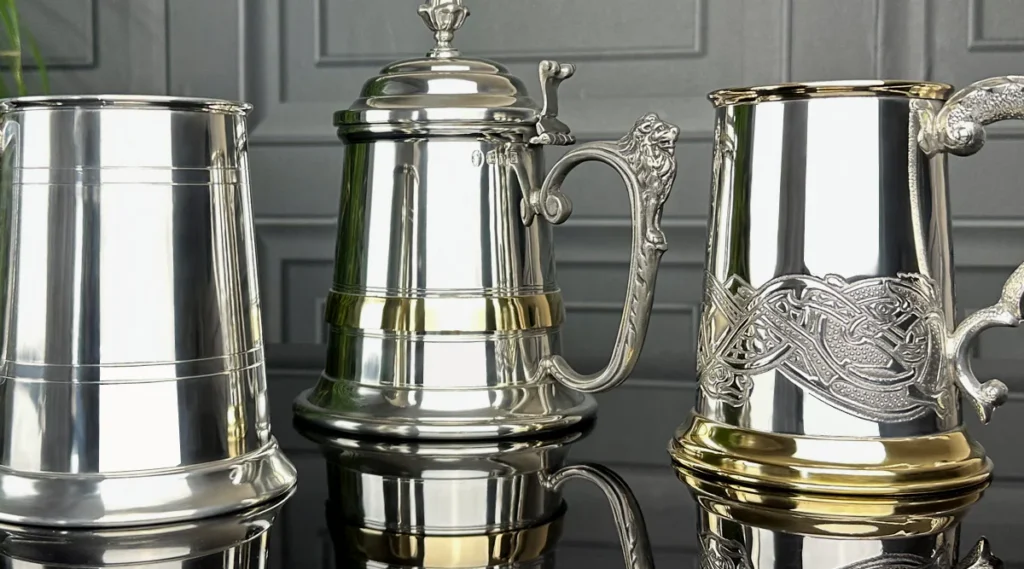
The word “tankard” has found its way into various corners of modern culture, extending beyond the drinking vessel itself. These connections add interesting layers to the story of the tankard tankard.
Ben Tankard: The Godfather of Gospel Jazz
One of the most famous people associated with the name is Ben Tankard. He is a renowned American gospel and jazz musician and producer. Known as the “Godfather of Gospel Jazz,” Ben Tankard has had an incredible career, earning numerous awards and accolades for his uplifting and soulful music. He plays the keyboard and has released many successful albums, blending the inspirational messages of gospel with the smooth, complex sounds of jazz. His success has brought the Tankard name to a global audience in the world of music, associating it with creativity and inspiration.
Tankard: The Kings of Beer
On the complete opposite end of the musical spectrum, there is the German thrash metal band, Tankard. Formed in 1982, the band is famous for its fast, aggressive music and humorous lyrics that often revolve around beer and drinking. They are considered one of the “Big Four” of German thrash metal. Their album covers are often as iconic as their music. A classic example is the Tankard Kings of Beer tankard album cover, which, true to their theme, humorously depicts scenes related to their favorite beverage. For metal fans, the word “tankard” immediately brings to mind headbanging riffs and songs celebrating the joy of a cold beer.
The Tankard Family on Television
The Tankard name also gained recognition through reality television. Ben Tankard and his family were the stars of the show “Thicker Than Water,” which followed their daily lives, businesses, and family dynamics. The show provided a glimpse into the lives of this prominent family. During the show’s run, there was public interest in various family members, and online searches sometimes included terms like melinda tankard reist police record. It’s important to approach such topics with sensitivity, as public figures often face intense scrutiny. This association, however, shows how the name “Tankard” has become part of the modern media landscape.
Caring for Your Tankard Tankard
To ensure your tankard tankard lasts a lifetime, proper care is essential. The cleaning method depends entirely on the material.
- Wood: Never put a wooden tankard in the dishwasher. Wash it by hand with mild soap and warm water. Dry it immediately and thoroughly. Occasionally, you may need to re-apply a food-safe oil or wax to maintain its condition.
- Pewter: Wash by hand with warm, soapy water and dry with a soft cloth. To maintain its shine, you can use a quality pewter polish. Avoid abrasive cleaners that could scratch the soft metal.
- Stainless Steel: This is the easiest to care for. Most stainless steel tankards are dishwasher safe. For a spotless finish, you can hand wash and dry to prevent water spots.
- Glass: Glass tankards are generally dishwasher safe, but if they have delicate paint or logos, hand washing is a safer bet.
- Ceramic: Check the manufacturer’s instructions. Many are dishwasher safe, but hand-painted or custom pieces should be washed by hand.
Proper care will not only keep your tankard looking great but will also ensure it’s always ready for your next drink. For more tips on maintaining unique household items, you can explore helpful guides like those found at Forbes Planet.
The Tankard Tankard as a Collectible and Gift
A tankard tankard makes a fantastic and thoughtful gift. It’s personal, functional, and can be tailored to the recipient’s interests. An engraved pewter tankard is a classic gift for a groomsman, a graduate, or a retiree. A giant stainless steel tankard is a fun, novelty gift for a friend who loves to host parties. For a history buff, a replica wooden or pewter tankard would be a cherished item.
Many people also enjoy collecting tankards. Some focus on a specific material, like pewter, while others collect tankards from different breweries, cities, or countries they’ve visited. Antique tankards can be valuable, especially if they are rare or made from precious metals like silver. Collecting them is a hobby that connects you to history, art, and the cultures of the world.
In conclusion, the tankard tankard is a truly remarkable object. It’s a bridge to the past, a tool for celebration in the present, and a canvas for artistry and personal expression. From the simple wooden mugs of the Middle Ages to the diverse and durable options available today, the tankard has remained a symbol of camaraderie and enjoyment. Whether you prefer a historical replica or a modern stainless steel giant, raising a tankard is about more than just drinking—it’s about participating in a tradition that has brought people together for centuries. As you can see, the history and cultural significance of these vessels are vast; you can learn even more by exploring the detailed history of the tankard on its Wikipedia page.
Frequently Asked Questions (FAQ)
Q1: What is the difference between a tankard and a stein?
A: The terms are often used interchangeably, but there are traditional differences. A tankard is typically made of metal (like pewter or silver) or wood, and may or may not have a lid. A stein is traditionally made of ceramic or stoneware, is of German origin, and almost always features a hinged lid.
Q2: Can I drink hot beverages from a tankard?
A: It depends on the material. A stainless steel, ceramic, or glass tankard tankard is perfectly fine for hot drinks like coffee or tea. However, you should not put hot liquids in a traditional pewter or wooden tankard, as the heat can damage the material or its lining.
Q3: Are old pewter tankards safe to drink from?
A: Antique pewter tankards, especially those made before the mid-20th century, may contain lead. It is generally not recommended to drink from them. Modern pewter is lead-free and perfectly safe. If you have an antique pewter tankard, it’s best to use it for display purposes only.
Q4: Why do some tankards have a glass bottom?
A: There are several theories. The most popular one is that it allowed drinkers in old English pubs to see if a “King’s Shilling” had been dropped into their drink to forcibly conscript them into the military. Another theory is that it allowed them to watch for trouble in the tavern without having to put down their drink.
Q5: What is the best material for keeping a drink cold?
A: Stainless steel and pewter are both excellent choices for keeping beverages cold. Stainless steel, especially double-walled vacuum-insulated versions, is the most effective at maintaining temperature over a long period. Pewter also chills nicely and feels pleasantly cool to the touch.
Related Posts



Stay Informed With the Latest & Most Important News
Previous Post
Next Post










Advertisement