
Now Reading: Understanding the Power and History of the Silent Majority
-
01
Understanding the Power and History of the Silent Majority

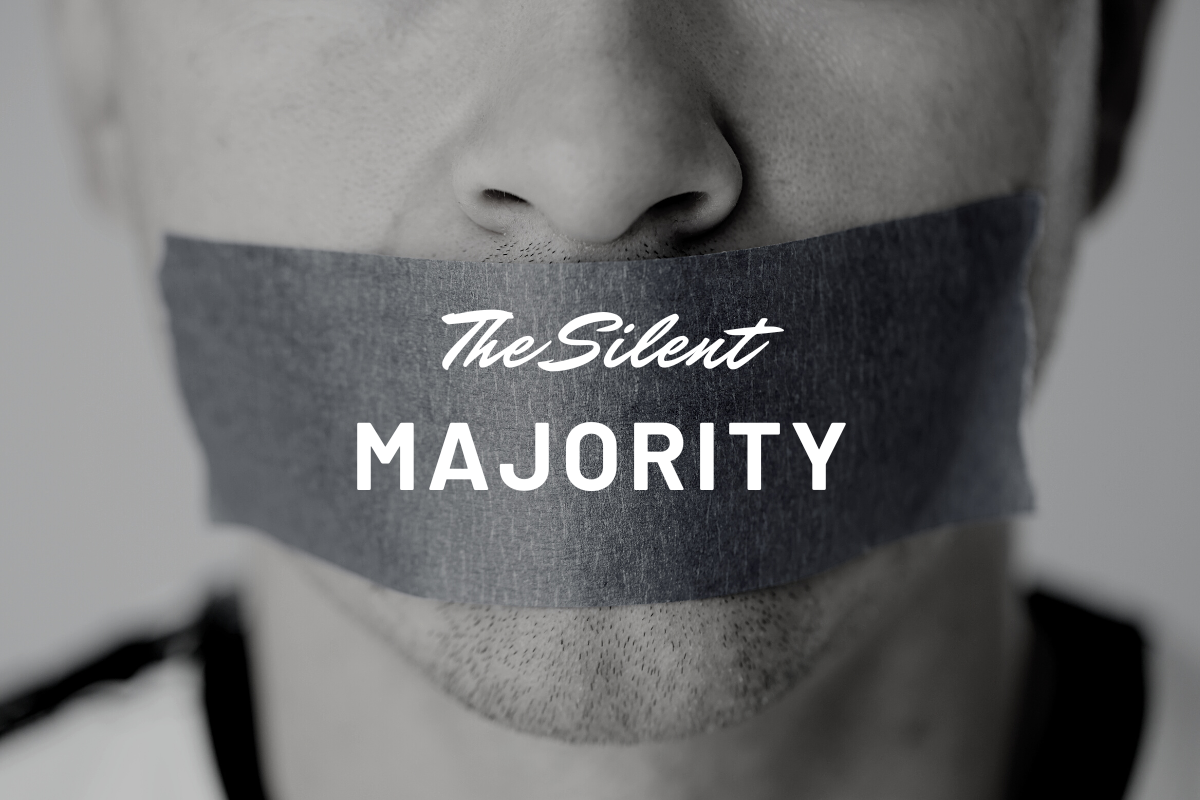
Have you ever looked at the news and felt like the loudest voices don’t represent what you or your neighbors actually think? You aren’t alone. This feeling is often connected to a very famous concept known as the silent majority. It is a term used to describe a large group of people in a country or group who do not express their opinions publicly. They aren’t the ones protesting in the streets or posting constantly on social media. Instead, they go about their daily lives, often keeping their political and social views to themselves until it is time to vote.
This article will dive deep into who these people are, where the term came from, and why they matter so much. We will explore history, modern examples, and how this quiet group shapes the world we live in. Whether you are a student of history or just curious about how society works, understanding this concept is key to understanding the real pulse of a nation.
Key Takeaways
- Definition: The silent majority refers to a large group of people who do not actively participate in public debates or demonstrations.
- Origin: While the phrase has old roots, it was popularized in modern times by President Richard Nixon in 1969.
- Impact: This group often decides elections because politicians appeal to their quiet concerns rather than the loud demands of activists.
- Modern Era: Today, the concept has evolved with social media, creating new forms of “silence” and “noise.”
What Exactly Is the Silent Majority?
When we talk about the silent majority, we are usually talking about the “average” citizens. These are the people who work 9-to-5 jobs, raise families, and generally follow the rules. They might have strong opinions, but they don’t feel the need to shout them from the rooftops. Unlike activists who might be on the news every night, members of this group prefer stability and order. They value safety, economic security, and traditional values over radical change.
It is important to understand that “silent” does not mean “absent.” Just because they aren’t making noise doesn’t mean they aren’t paying attention. In fact, politicians often spend millions of dollars trying to figure out what this group is thinking because they know that this group holds the real power in a democracy. When election day comes, the silent majority shows up, and their collective voice can be deafening at the ballot box.
Characteristics of this Group
- Non-Confrontational: They avoid public arguments about politics.
- Tradition-Oriented: They often prefer gradual change over sudden revolution.
- Working Class & Middle Class: Historically, this group is made up of blue-collar workers and suburban families.
- Patriotic: They usually have a strong sense of national pride.
The Famous 1969 Speech by Richard Nixon
The term silent majority became a household phrase on November 3, 1969. President Richard Nixon gave a televised speech addressing the nation about the Vietnam War. At the time, the country was deeply divided. There were massive protests against the war, and it seemed like everyone was angry at the government. Nixon, however, believed that the protesters did not represent the entire country. He believed there was a massive group of Americans who supported his plan to end the war honorably.
In his speech, he said, “And so tonight—to you, the great silent majority of my fellow Americans—I ask for your support.” The response was huge. The White House received tens of thousands of telegrams and letters of support. It proved Nixon’s theory correct: the people shouting on television were not the only ones with an opinion. This moment changed American politics forever, teaching leaders that they could win by appealing to the quiet middle rather than the loud extremes.
Historical Roots Before the 1960s
Although Nixon made the term famous politically, he didn’t invent the phrase silent majority. Interestingly, the term has a much older and somewhat darker meaning. In the 19th century, referring to the “majority” often meant referring to the dead. Since more people have died throughout history than are currently alive, the “silent majority” was a poetic way to talk about those who had passed away.
Over time, the meaning shifted from the dead to the living. By the early 20th century, politicians began using it to describe voters who weren’t part of the political machinery. For example, President Calvin Coolidge was known for being quiet and appealing to the average, quiet American. He understood that most people just wanted the government to let them live their lives in peace. This evolution of language shows how words can change meaning entirely depending on the cultural context of the time.
Why the Silent Majority Matters in Elections
In any democracy, winning an election is a numbers game. You need more votes than the other candidate. Activists and protesters are very visible, but they often represent the edges of the political spectrum—the far left or the far right. The silent majority, however, usually sits somewhere in the middle. They are the “swing voters” or the moderate base that decides who wins.
Campaign managers spend a lot of time analyzing data to find these voters. They look for people who might not answer polls or put bumper stickers on their cars. If a candidate focuses too much on the loud minority, they risk alienating the quiet masses. History has shown us repeatedly that when the quiet middle feels ignored or threatened, they will vote against the party in power to restore a sense of balance and normalcy.
Table: Activists vs. The Silent Group
|
Feature |
Activist Minority |
Silent Majority |
|---|---|---|
|
Visibility |
High (TV, Social Media) |
Low (Private conversations) |
|
Political Action |
Protests, Rallies |
Voting, Community work |
|
Primary Goal |
Radical/Immediate Change |
Stability/Gradual Progress |
|
Communication |
Loud, often confrontational |
Quiet, observational |
The Role of Social Media and Silence
The internet has complicated the idea of a silent majority. On platforms like X (formerly Twitter) or Facebook, algorithms reward engagement. This means the most controversial and angry posts get seen by the most people. This creates an illusion that everyone is fighting and that the country is more divided than it actually is. This is sometimes called the “loud minority” effect.
Meanwhile, the actual majority of people might look at these online fights and choose to stay quiet to avoid harassment. This is known as the “spiral of silence.” People are afraid that if they state an unpopular opinion, they will be “canceled” or attacked. So, the silent majority might be even more silent online than they are in real life. However, digital silence does not mean they agree with the loud voices; it simply means they are waiting for a safe place—like a voting booth—to express themselves.
Why People Stay Silent Online
- Fear of Conflict: Nobody wants to argue with strangers.
- Job Security: Fear that an opinion could get them fired.
- Exhaustion: People are tired of constant political noise.
- Privacy: Valuing a private life over public validation.
The “Spiral of Silence” Theory
To really understand this topic, we have to look at a sociological theory called the “Spiral of Silence.” Developed by Elisabeth Noelle-Neumann in the 1970s, this theory suggests that people are constantly scanning their environment to see which opinions are popular. If they feel their opinion is in the minority, they are less likely to speak up.
This creates a feedback loop. Because the moderate people stay quiet, the loud/radical opinions seem more popular than they really are. This makes the moderates feel even more isolated, so they stay even quieter. This theory explains why election results can sometimes be shocking. The media and the public convince themselves that “everyone” thinks one way, only to find out that the silent majority thought something completely different the whole time.
How Politicians Appeal to the Quiet Masses
Smart politicians know exactly how to talk to the silent majority. They use specific language that signals safety, tradition, and common sense. You will often hear phrases like “law and order,” “working families,” and “common sense values.” These phrases are designed to comfort the average voter who feels overwhelmed by rapid social changes.
For example, when we discuss economic policies at places like Forbes Planet, we often see that stability is preferred over high-risk strategies. Politicians will visit factories, diners, and suburban schools to show they are connected to “real” people, not just the elites in the capital city. By validating the lifestyle of the quiet middle class, politicians earn their trust and, eventually, their votes.
Examples of the Silent Majority in Action
Throughout history, there have been clear moments where the quiet public pushed back against the narrative set by the media or activists. One major example is the 1980 US election of Ronald Reagan. Much like Nixon, Reagan appealed to Americans who felt the country was losing its way. He won in a landslide because he connected with voters who felt ignored by the cultural elites.
Another example can be seen in the Brexit vote in the United Kingdom. Many polls and experts predicted that the UK would vote to remain in the European Union. However, a massive group of voters who felt left behind by globalization turned out to vote “Leave.” These voters had not been shouting on television, but they made their voices heard when it counted. These events serve as reminders that you cannot judge public opinion solely by who is holding the microphone.
Is the Silent Majority Always Conservative?
There is a common misconception that the silent majority is always conservative or Republican. While Nixon used the term to court conservative voters, the concept applies to any large group that isn’t being heard. In some cases, the quiet majority might be liberal or progressive voters who are tired of a conservative government but aren’t out protesting.
For instance, in recent years, we have seen “quiet” waves of voters supporting environmental protection or healthcare reform. These people might not identify as activists, but they vote for progressive policies because they impact their daily lives. The political leaning of this group changes depending on the era and what the current “loud” minority is advocating for. It is a fluid group, defined more by their behavior (quiet observation) than by a rigid ideology.
The Economic Concerns of the Silent Group
If you want to know what the silent majority cares about, look at their checkbooks. Economic issues are almost always the top priority for this group. They worry about inflation, the cost of gas, mortgage rates, and tuition for their children. While the news might focus on culture wars or celebrity scandals, the average person is focused on the kitchen table budget.
This pragmatic focus is why economic downturns are so dangerous for politicians. If the quiet middle class feels their quality of life is slipping, they will vote for change regardless of party loyalty. As we analyze trends at Forbes Planet, it becomes clear that financial security is the universal language of this demographic. They want a government that ensures a stable economy where hard work pays off.
Top Economic Worries
- Inflation: Rising costs of groceries and fuel.
- Housing: The ability to buy a home in a safe neighborhood.
- Taxes: Feeling that they pay too much for too little return.
- Jobs: Stability and wage growth.
Pop Culture and the Average American
Television and movies often struggle to portray the silent majority accurately. Hollywood tends to focus on extreme characters because they are more dramatic and entertaining. However, some shows capture the essence of the average American life successfully. Sitcoms that focus on family life, suburban struggles, and blue-collar jobs often resonate deeply with this audience.
When pop culture mocks traditional values or the lifestyle of the average person, it can create a backlash. The quiet majority often feels alienated by entertainment that seems to look down on them. This cultural divide is just as important as the political divide. When people feel that their culture is being respected, they are happier; when they feel insulted, they tend to withdraw further and become more skeptical of media and celebrity culture.
Myths and Misconceptions
There are several myths about the silent majority that need to be debunked.
- Myth: They are uneducated.
-
- Fact: This group includes people with PhDs, trade certificates, and high school diplomas. Intelligence is not defined by how loud you are.
- Myth: They all look the same.
-
- Fact: The quiet majority is diverse. It includes people of all races, religions, and backgrounds who share a desire for stability.
- Myth: They don’t care.
-
- Fact: They care deeply, but they express it through private action and voting rather than public performance.
The Future of the Silent Majority
Will the silent majority remain silent forever? As technology changes, the way this group interacts with the world might change too. We are seeing the rise of “alternative” media channels where people feel safer expressing their views. Podcasts and private group chats are becoming the new town squares for people who don’t want to post on public social media.
However, the fundamental nature of this group is unlikely to change. Most people simply do not have the time or energy to be full-time political activists. They have jobs to do and children to raise. As long as there is a difference between the “political class” and the “working class,” there will always be a large, quiet group of people watching, waiting, and eventually voting to correct the course of the nation.
How to Engage with the Silent Majority
If you are a leader, a marketer, or just someone who wants to understand your community, you need to know how to engage with this group. The key is listening. Because they don’t shout, you have to ask. Surveys, town halls, and one-on-one conversations are the best tools.
Avoid using jargon or aggressive language. The silent majority responds to respect and practical solutions. They want to know how you will fix the pothole on their street, lower their taxes, or improve their child’s school. If you can address these practical needs without dragging them into a cultural battle, you will win their support.
Conclusion
The concept of the silent majority is more than just a political slogan from the 1960s. It is a description of the backbone of society—the millions of people who quietly keep the world moving. They drive the trucks, teach the classes, build the homes, and pay the taxes. While they may not make the headlines, their influence is undeniable.
Understanding this group reminds us that the loudest voice in the room is not always the most important one. In a world that is increasingly noisy and chaotic, the power of the quiet, observing majority is a stabilizing force. Whether through elections or economic shifts, the silent majority eventually has the final say.
Frequently Asked Questions (FAQ)
Q: Who coined the phrase “silent majority”?
A: While the phrase was used historically to refer to the dead, President Richard Nixon popularized its modern political meaning in a famous 1969 speech regarding the Vietnam War.
Q: Is the silent majority a specific political party?
A: Not necessarily. While often associated with conservative politics due to Nixon’s usage, the group refers to any large segment of the population that is not politically active or vocal, regardless of their party affiliation.
Q: Why do people stay in the “silent” group?
A: Many people avoid political conflict, fear social backlash (cancel culture), or simply prioritize their personal lives, families, and jobs over public activism.
Q: Does the silent majority decide elections?
A: Yes, very often. Because they represent the large middle ground of voters, their swing towards one candidate or another usually determines the winner of national elections.
Q: How does social media affect this group?
A: Social media can make the “silent” group even quieter. The “spiral of silence” theory suggests that when people see aggressive opposing views online, they are less likely to post their own opinions, even if they are in the majority.
Stay Informed With the Latest & Most Important News
Previous Post
Next Post







Advertisement