

Now Reading: Self Cleaning Street Light Palm Oil Project: A Bright Future
-
01
Self Cleaning Street Light Palm Oil Project: A Bright Future

Key Takeaways
- Efficiency Boost: Self-cleaning lights maintain maximum brightness without manual cleaning.
- Cost Savings: Reduced labor costs for maintenance, especially in remote palm oil plantations.
- Durability: Designed to withstand the harsh, humid, and dusty environments of palm oil production.
- Sustainability: Solar-powered options reduce the carbon footprint of agricultural operations.
- Innovation: Smart sensors and automated cleaning arms keep solar panels debris-free.
Have you ever thought about how difficult it is to keep lights on in the middle of a dense plantation? Imagine miles of roads, humidity, dust, and sticky residues. This is exactly where standard street lights fail and where innovation steps in. We are going to explore a fascinating solution known as the self cleaning street light palm oil project. This technology isn’t just about illumination; it is about solving a massive maintenance headache in the agricultural industry.
In this guide, we will break down exactly how these lights work, why they are essential for palm oil estates, and the incredible benefits they bring to the table. Whether you are an engineer, a plantation manager, or just someone who loves cool tech, this deep dive will shed some light on a very specific but crucial innovation.
What Is a Self Cleaning Street Light Palm Oil Project?
To understand the solution, we first have to understand the problem. Palm oil plantations are often located in tropical regions near the equator. These areas are known for heavy rainfall, high humidity, and lots of dust. When you install standard solar street lights in these environments, dust, bird droppings, and even organic residue from the palm trees settle on the solar panels.
A self cleaning street light palm oil project refers to the implementation of specialized lighting systems equipped with automated cleaning mechanisms. These mechanisms, usually robotic brushes or wipers, sweep across the solar panel surface at regular intervals. By doing this, they ensure that the panel absorbs maximum sunlight to charge the batteries, keeping the lights bright all night long. Without this self-cleaning feature, the efficiency of the light could drop by 50% in just a few weeks due to dirt accumulation.
The Problem with Standard Lights in Plantations
Why can’t we just use regular lights? That is a great question. In a typical city street, a little dust isn’t a huge deal. The rain might wash it off, or a maintenance crew can come by with a truck once a year. However, a palm oil plantation is a completely different beast. These estates can span thousands of acres, often in remote areas with poor road access.
Sending a maintenance crew to manually clean hundreds of street lights deep in a plantation is expensive and dangerous. Standard lights accumulate dirt quickly in these environments. Once the solar panel is covered in grime, it stops charging the battery effectively. This leads to lights that flicker and die halfway through the night. A self cleaning street light palm oil project eliminates this issue entirely by automating the maintenance process, ensuring safety and visibility without the constant need for human intervention.
How the Cleaning Mechanism Works
The magic of these lights lies in their simplicity. Most self-cleaning units use a smart, motorized system. Attached to the solar panel is a lightweight, durable brush or wiper blade, similar to what you might see on a car windshield but designed for industrial use.
The system is programmed to activate at specific times—usually early in the morning and late in the afternoon. When the timer goes off, the motor pushes the brush across the surface of the panel, sweeping away dust, leaves, and bird droppings. Some advanced versions of the self cleaning street light palm oil project even use rain sensors. If it detects rain, it might skip a cycle to save energy, or use the rainwater to help scrub the panel clean. This automation ensures the panel operates at peak efficiency every single day.
Energy Efficiency and Battery Life
One of the biggest advantages of these systems is energy management. In a solar lighting system, energy is finite. You only have the sun’s energy from that day to power the light through the night. If your panel is 30% blocked by dirt, you are losing 30% of your potential battery charge.
By implementing a self cleaning street light palm oil project, estate managers ensure that the batteries are getting a full charge. This extends the lifespan of the battery significantly. Batteries that are constantly undercharged tend to degrade faster. With clean panels, the Lithium-ion or LiFePO4 batteries used in these lights can last for 5 to 7 years, providing a reliable source of light for security and operations within the plantation.
Battery Lifespan Comparison
|
Feature |
Standard Solar Light |
Self-Cleaning Solar Light |
|---|---|---|
|
Daily Charge Rate |
60-80% (due to dust) |
98-100% |
|
Battery Stress |
High (frequent deep discharge) |
Low (consistent full charge) |
|
Maintenance Need |
Monthly Cleaning |
Automated Daily Cleaning |
|
Estimated Lifespan |
2-3 Years |
5-7 Years |
Why Palm Oil Estates Need Better Lighting
Safety is a huge concern in agriculture. Palm oil harvesting is labor-intensive and often involves working in low-light conditions, especially during early morning shifts. Without proper lighting, the risk of accidents increases dramatically. Workers need to see where they are walking to avoid snakes, thorny debris, and uneven terrain.
Furthermore, security is a major factor. Large estates are prone to theft. Fresh fruit bunches (FFB) are valuable, and dark corners of a plantation are easy targets for thieves. A self cleaning street light palm oil project ensures that critical checkpoints, worker housing areas, and main roads remain well-lit. Consistent lighting acts as a strong deterrent against theft and vandalism, protecting the company’s assets and the safety of its workforce.
The Role of Solar Power in Agriculture
Agriculture is going green, and solar power is leading the charge. Using grid-tied electricity in a sprawling plantation is often impossible. Running cables for miles through a dense forest is too expensive and environmentally damaging. Solar street lights are the perfect off-grid solution.
However, solar is only as good as the panel’s ability to see the sun. This is why the self cleaning street light palm oil project is such a game-changer for green agriculture. It makes solar viable in dirty environments. By adopting this technology, palm oil companies can reduce their reliance on diesel generators, which are noisy, polluting, and expensive to refuel. It is a step toward a more sustainable and eco-friendly production process.
Cost Analysis: Initial Investment vs. Long Term
Let’s talk about money. It is true that a self-cleaning light costs more upfront than a standard solar street light. You are paying for the motor, the smart controller, the brush mechanism, and a more robust design. However, smart business owners look at the Total Cost of Ownership (TCO).
When you factor in the cost of labor to clean standard lights, the cost of replacing batteries that fail early, and the fuel cost for maintenance trucks, the standard lights become very expensive very quickly. A self cleaning street light palm oil project usually pays for itself within two years. After that point, you are essentially getting free lighting with minimal maintenance costs. For a large estate with 500 lights, the savings can be massive over a ten-year period.
Durability in Tropical Climates
The environment in a palm oil plantation is harsh. We aren’t just talking about rain; we are talking about intense UV radiation, high temperatures, and humidity levels that can corrode metal in months. The equipment used in a self cleaning street light palm oil project is built differently.
These lights typically use aluminum alloy housings that are resistant to corrosion. The electronics are sealed in IP65 or IP67 rated boxes to prevent moisture ingress. Even the brushes are made from UV-resistant materials so they don’t crumble in the sun. This industrial-grade durability ensures that the investment lasts. You aren’t buying a cheap garden light; you are buying a piece of industrial infrastructure designed to survive the jungle.
Smart Monitoring and IoT Integration
The modern self cleaning street light palm oil project is often part of the Internet of Things (IoT). This means the lights can “talk” to a central computer or a smartphone app. Managers can see exactly how much energy each light is generating and consuming.
If a light fails, the system sends an alert immediately. This is a huge improvement over the old way, where you wouldn’t know a light was broken until someone drove past it at night and noticed it was dark. With IoT, managers can also adjust the brightness levels remotely or change the cleaning schedule based on the weather forecast. It adds a layer of control that improves the efficiency of the entire operation.
Installation Challenges and Solutions
Installing lights in remote areas is never easy. The ground might be soft, requiring special concrete foundations. The locations might be shaded by growing palm trees, requiring taller poles to clear the canopy.
Successful implementation of a self cleaning street light palm oil project requires careful planning. Engineers need to conduct a sun path analysis to ensure the panels get enough light. They also need to space the poles correctly to ensure there are no dark spots on the road. Proper planning prevents poor performance. Experienced contractors know how to navigate the logistical challenges of transporting heavy poles and batteries into the heart of a plantation.
Impact on Worker Morale
We often forget the human element. Living and working on a remote plantation can be isolating. When the sun goes down, it gets incredibly dark. Having reliable street lights improves the quality of life for the workers and their families who live on the estate.
A well-lit community area allows for social interaction in the evenings. It makes people feel safer walking to the bathroom or the local shop. The self cleaning street light palm oil project contributes directly to worker retention. When workers feel safe and have decent living conditions, they are more likely to stay with the company long-term, reducing turnover rates and training costs.
Environmental Benefits Beyond Energy
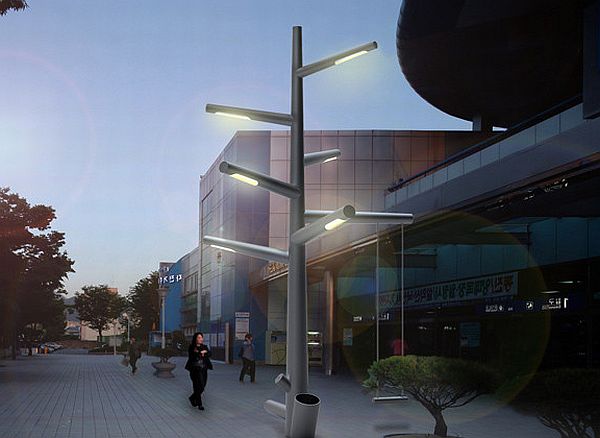
Aside from saving energy, these lights help the local ecosystem in other ways. Traditional wired street lights often require trenching to lay cables, which disrupts the root systems of the palms and other local flora. Solar lights require no trenching.
Furthermore, because the self cleaning street light palm oil project reduces the need for maintenance vehicles driving around, it lowers the carbon emissions associated with the estate’s fleet. Less driving means less fuel burned and less soil compaction on the unpaved plantation roads. It is a holistic approach to environmental stewardship that aligns with modern sustainability goals in the agricultural sector.
Selecting the Right Supplier
Not all self-cleaning lights are created equal. Since this is a specialized product, it is crucial to choose a supplier with experience in the agricultural sector. You need a partner who understands the specific challenges of the self cleaning street light palm oil project.
Look for suppliers who offer warranties on the cleaning mechanism, not just the light itself. Ask about the availability of spare parts like replacement brushes. Check if they use high-quality LED chips and reputable battery brands. A cheap light might save money today, but if the motor burns out in three months, it becomes a liability. Quality manufacturing is non-negotiable in this industry.
Future Trends in Plantation Lighting
The technology is constantly evolving. We are starting to see “all-in-one” designs where the solar panel, battery, LED, and cleaning arm are integrated into a single, sleek unit. This makes installation even faster.
There is also research into hydrophobic coatings for solar panels that repel water and dirt, potentially working alongside the self cleaning street light palm oil project to create a super-efficient system. As battery technology improves, we might see smaller, lighter units that store even more power, allowing for brighter lights that can run for several rainy days in a row without recharging.
Conclusion
The evolution of agricultural infrastructure is moving toward automation and sustainability. The self cleaning street light palm oil project is a perfect example of how specific problems—like dust and remote maintenance—can drive innovative solutions. By adopting these smart lighting systems, palm oil estates can improve safety, reduce operational costs, and boost their environmental credentials.
It is no longer just about putting a bulb on a pole; it is about intelligent energy management. For any modern plantation looking to optimize its operations, this technology is not just a luxury; it is a necessity. For more insights on global business trends and sustainable innovations, you can visit https://forbesplanet.co.uk/. As we look toward the future, technologies like these will continue to light the path forward. For a broader understanding of how these systems fit into the global energy picture, you can read more about Solar street lights.
Frequently Asked Questions (FAQ)
Q1: How often does the self-cleaning mechanism work?
A: Typically, the system is programmed to clean twice a day: once in the morning and once in the evening. However, smart systems can be adjusted based on local conditions.
Q2: Does the cleaning brush need to be replaced?
A: Yes, but they are very durable. The brushes used in a self cleaning street light palm oil project are usually made of automotive-grade materials and last for several years before needing replacement.
Q3: Can these lights withstand heavy tropical storms?
A: Absolutely. They are designed with high wind resistance and waterproof ratings (IP65 or higher) specifically to survive tropical climates.
Q4: Is it difficult to install these lights?
A: No, they are generally easier to install than wired lights because there is no trenching or cabling required. They are “plug and play” once the pole is erected.
Q5: Why is the keyword “self cleaning street light palm oil project” important?
A: It identifies a specific industrial application. Regular self-cleaning lights exist, but those specified for palm oil projects are built to handle higher humidity and organic debris.
Stay Informed With the Latest & Most Important News
Previous Post
Next Post











Advertisement