

Now Reading: Riverbank Collapse Iford Playing Fields: What Happened?
-
01
Riverbank Collapse Iford Playing Fields: What Happened?

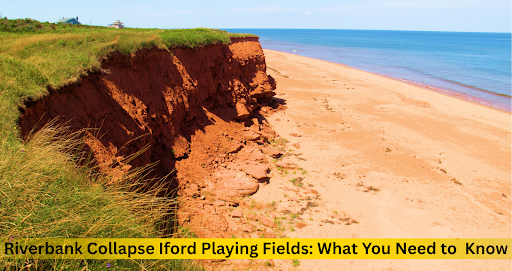
A beautiful day at the park quickly turned into a scene of concern when a significant riverbank collapse iford playing fields occurred. This event has raised many questions about safety, environmental factors, and what happens next for this beloved community space. The incident, which saw a large section of the riverbank give way, has understandably worried local residents and park visitors. In this article, we will explore the details of what happened, delve into the potential causes behind such a collapse, and discuss the broader implications for the area and similar riverside locations. We’ll break down the science, the community impact, and the steps being taken to address the situation, providing a clear and comprehensive overview for everyone affected.
Key Takeaways
- A significant section of the riverbank next to the Iford Playing Fields collapsed, causing public concern.
- The collapse was likely caused by a combination of factors, including soil erosion, high water levels, and human activity.
- Immediate safety measures were put in place, with authorities cordoning off the area to prevent accidents.
- The long-term solution involves ecological assessments and complex engineering work to stabilize the bank.
- This event highlights the dynamic and powerful nature of river systems and the importance of proactive riverbank management.
Understanding the Iford Playing Fields Incident
The riverbank collapse iford playing fields was a startling event for the local community. Eyewitnesses reported a sudden and dramatic slump of earth, trees, and vegetation into the adjacent river. The collapse occurred along a stretch of the bank that is popular with walkers, families, and dog owners, making the incident particularly alarming. Thankfully, no injuries were reported, but the sheer scale of the landslip immediately highlighted a potential public safety risk. Local authorities and emergency services responded swiftly, securing the area and beginning their initial assessments. The immediate focus was on ensuring public safety by preventing access to the unstable edge and evaluating the risk of further collapses along the river. This incident serves as a stark reminder of the powerful forces of nature at work, even in seemingly peaceful urban green spaces.
The Immediate Aftermath and Safety Measures
In the hours following the riverbank collapse iford playing fields, the primary concern was public safety. Officials quickly established a perimeter around the affected zone, using temporary fencing and warning signs to keep people away from the unstable ground. This was a critical first step, as the soil and surrounding area remained highly volatile, with a real possibility of further sections giving way.
Engineers and environmental experts were called to the scene to conduct a preliminary visual inspection. Their goal was to understand the immediate stability of the remaining bank and identify any obvious triggers for the collapse. These initial observations are crucial for planning the next steps, including more detailed geological surveys. The local council also issued public statements, urging residents to stay clear of the area and providing updates on the situation through their official channels and social media. This transparent communication helped manage public anxiety and ensure everyone was aware of the potential dangers.
What Causes a Riverbank to Collapse?
Riverbank collapses are natural geological events, but they can be accelerated by several factors. Understanding these causes is key to preventing future incidents like the riverbank collapse iford playing fields. At its core, a collapse happens when the forces pulling the bank downward (gravity, water pressure) overcome the forces holding it together (soil strength, plant roots).
This delicate balance can be disrupted by three main categories of factors: fluvial erosion (the power of the water itself), geotechnical weaknesses (the composition of the bank), and external influences (both natural and human-made). A river’s current is constantly working to wear away the base of the bank. When the base is undercut, the upper part of the bank loses its support and can fall. Heavy rainfall can also saturate the soil, making it heavier and less stable. Let’s explore these causes in more detail.
The Role of Soil Erosion and Water Flow
Soil erosion is a primary driver of riverbank instability. The process, known as fluvial erosion, happens in a few ways:
- Scouring: Fast-flowing water, especially during floods or high-flow periods, can scoop out soil from the base (or “toe”) of the riverbank. This undercutting action leaves the upper bank unsupported, making it vulnerable to collapse.
- Shear Stress: The force of the water moving parallel to the bank exerts a “drag” on the soil particles. Over time, this constant force can pull away individual grains of sand, silt, and clay, gradually weakening the bank’s structure.
- Wave Action: Wind and boat traffic can create waves that crash against the bank, dislodging soil in a similar way to scouring. While less of a factor on smaller rivers, it can contribute to erosion over time.
The riverbank collapse iford playing fields likely experienced significant toe scouring from high water levels in the preceding weeks or months, which created the perfect conditions for a large-scale failure.
Impact of Heavy Rainfall and Saturation
Water doesn’t just erode from the outside; it can also weaken a riverbank from within. Heavy or prolonged rainfall plays a critical role in this process through soil saturation. When the ground becomes saturated, the empty spaces between soil particles fill with water. This has two major effects:
- Increased Weight: Water is heavy. A saturated bank weighs significantly more than a dry one, increasing the downward gravitational force acting on it.
- Reduced Cohesion: The water pressure in the soil (pore water pressure) pushes the soil particles apart, reducing the internal friction and cohesion that holds them together. The bank essentially becomes weaker and more “lubricated.”
This combination of added weight and reduced strength is a recipe for disaster. A bank that might be stable when dry can easily fail when saturated, leading to the kind of rotational slump seen in the riverbank collapse iford playing fields.
Human Activities and Their Contribution
While natural processes are the main culprits, human activities can significantly worsen the problem. Urbanization near rivers often alters the natural landscape in ways that increase the risk of collapse. For instance, removing deep-rooted native vegetation from riverbanks to create lawns or paths eliminates a critical natural stabilizer. Plant roots act like a net, holding the soil together.
Adding weight to the top of a riverbank by constructing buildings, paths, or even just piling up materials can increase the stress on the soil. Furthermore, changes to water drainage, such as routing stormwater directly into the river, can cause sudden surges in water flow that accelerate erosion at the base of the bank. Understanding these human factors is an important part of developing sustainable solutions for river management, a topic often explored on platforms like https://forbesplanet.co.uk/.
Environmental Impact of the Collapse
The riverbank collapse iford playing fields has immediate and long-term consequences for the local ecosystem. The most obvious impact is the loss of habitat. Trees, shrubs, and grasses that lined the bank were lost in the collapse, displacing birds, insects, and small mammals that relied on that vegetation for food and shelter.
The collapse also dumps a large amount of sediment—soil, clay, and sand—into the river. This sudden influx, known as a sediment plume, can have several negative effects. It clouds the water, reducing the sunlight that aquatic plants need to grow. This sediment can also smother fish spawning grounds on the riverbed, harming fish populations. The change in the river’s shape can also alter water flow patterns downstream, potentially causing new erosion problems elsewhere. Re-establishing the ecological balance will be a slow and careful process.
Loss of Flora and Fauna
The vegetation along a riverbank is more than just scenery; it’s a thriving ecosystem. The collapse at Iford Playing Fields resulted in the direct loss of mature trees and established undergrowth. These plants provided crucial services: their roots stabilized the soil, their leaves offered shade that kept the water cool for fish, and they served as a vital corridor for wildlife moving along the river.
Birds that nested in the trees, insects that lived in the foliage, and small animals that burrowed in the bank were all displaced or lost. This habitat fragmentation can make it harder for wildlife populations to survive and thrive. Restoring this lost habitat will require planting native species that are well-suited to a riverside environment and giving them time to mature, a process that could take many years.
Effects on River Water Quality
The sudden introduction of tons of soil into the river drastically impacts water quality. This effect is known as increased turbidity, which is just a scientific way of saying the water becomes muddy and cloudy. High turbidity is harmful to aquatic life for several reasons:
- Blocks Sunlight: Cloudy water prevents sunlight from reaching aquatic plants, hindering photosynthesis and disrupting the base of the food web.
- Clogs Gills: Suspended sediment can clog the gills of fish, making it difficult for them to breathe and causing them significant stress.
- Smothers Riverbed: As the sediment settles, it can cover the gravel beds that fish like trout and salmon use for laying their eggs, leading to reproductive failure.
Monitoring water quality downstream from the riverbank collapse iford playing fields will be essential to understand the full extent of the ecological damage.
Engineering and Restoration Efforts
Fixing a major riverbank collapse is a complex and Riverbank Collapse Iford Playing Fields: What Happened?. The process goes far beyond simply pushing the dirt back into place. Engineers and environmental scientists must work together to design a solution that is both stable and ecologically friendly. The first step is a thorough investigation, including taking soil samples and mapping the riverbed, to fully understand why the bank failed.
Based on this analysis, a range of solutions can be considered. These are often categorized into “hard” and “soft” engineering techniques. Hard engineering involves using man-made materials like concrete walls or rock armor, while soft engineering uses natural materials like plants and logs to create a more natural, living shoreline. Often, the best solution is a hybrid approach that combines the strength of hard materials with the ecological benefits of soft techniques.
Short-Term vs. Long-Term Solutions
When addressing the riverbank collapse iford playing fields, authorities must consider both immediate and future needs.
|
Solution Type |
Examples |
Pros |
Cons |
|---|---|---|---|
|
Short-Term |
Fencing, warning signs, temporary stabilization with plastic sheeting. |
Quick to implement, prevents immediate danger. |
Does not solve the underlying problem, can be an eyesore. |
|
Long-Term |
Re-grading the slope, installing rock armor (riprap), planting deep-rooted vegetation. |
Provides a permanent and stable solution, can enhance habitat. |
Expensive, time-consuming, requires extensive planning and permits. |
The short-term goal is always public safety. However, the focus quickly shifts to designing a long-term repair that will prevent a recurrence. This requires careful planning to ensure the solution is durable, cost-effective, and environmentally responsible for the community and the river ecosystem.
Hard Engineering: Walls and Riprap
Hard engineering solutions offer robust and immediate stability. One common method is using riprap, which involves placing large, angular rocks along the base and slope of the bank. These rocks are heavy enough to resist the force of the water and protect the underlying soil from erosion. They are effective but can be visually harsh and offer little ecological value.
Another option is a retaining wall made of concrete, steel, or timber. These walls provide a strong vertical barrier against the river’s current. While highly effective for stabilization, traditional retaining walls can destroy the natural interface between land and water, eliminating shallow-water habitat that is vital for young fish and other aquatic life. For this reason, modern engineering often seeks to integrate these hard solutions with more natural elements.
Soft Engineering: A Greener Approach
Soft engineering focuses on working with nature to stabilize the bank. This approach is often preferred for its environmental benefits and more natural appearance. Techniques include:
- Bioengineering: This involves using live plants, such as willows and dogwoods, often embedded in biodegradable matting. As the plants grow, their roots form a dense network that binds the soil together, creating a strong, living wall.
- Re-grading: The steep, unstable bank is cut back to a gentler, more stable slope. This newly graded slope is then heavily planted with native grasses, shrubs, and trees to prevent surface erosion.
- Log Revetments: Strategically placed logs can be used to deflect the river’s current away from the vulnerable parts of the bank, reducing erosive forces.
These methods help restore ecological function, provide habitat for wildlife, and create a much more aesthetically pleasing result than hard engineering alone. A successful restoration of the riverbank collapse iford playing fields will likely involve a thoughtful combination of these green techniques.
Community and Recreational Impact
The Iford Playing Fields are more than just a patch of grass; they are a vital hub for the community. The riverbank collapse iford playing fields has disrupted the daily life of many residents. The affected area was part of a popular walking and jogging route, and its closure has forced people to find alternative paths. For families, it means a loss of accessible green space where children could play near the river.
The incident also impacts organized sports and local clubs that use the fields. While the playing surfaces themselves may not have been directly damaged, access restrictions and safety concerns can lead to the cancellation of games and practices. There is also an emotional impact; the collapse has created a sense of unease and loss for a cherished local landmark. The community’s connection to this space is strong, and its partial closure is felt by many.
Safety for Park Visitors
The primary impact on the community is the concern for safety. A park should be a place where people can relax without worrying about sudden dangers. The collapse has understandably made some visitors nervous about using areas near the river, even those that have not been officially closed. Rebuilding public confidence will be just as important as rebuilding the bank itself.
Clear and continuous communication from local authorities is key. People need to know which areas are safe, what is being done to fix the problem, and when they can expect full access to be restored. The installation of permanent, more robust fencing and clear signage will also help reassure the public that the situation is being managed responsibly.
Future of Recreation at Iford
Looking ahead, the riverbank collapse iford playing fields will inevitably change how the area is used. The restoration project presents an opportunity to not just repair the damage but also enhance the park. For example, the new design could include a dedicated riverside path set back a safe distance from the water’s edge.
There may also be a chance to create new ecological features, like a small wetland area or an observation deck, that allow people to safely enjoy the river and its wildlife. Any redesign will need to balance the community’s desire for recreational access with the engineering requirements for a stable, resilient riverbank. Public consultation during the design phase will be crucial to ensure the final plan meets the needs and desires of the people who use and love the park.
Frequently Asked Questions (FAQ)
1. Was anyone hurt in the riverbank collapse iford playing fields?
Fortunately, there were no reported injuries from the collapse. Emergency services and local authorities responded quickly to secure the area and ensure public safety.
2. Is it still safe to visit the Iford Playing Fields?
Large portions of the park remain open and safe to use. However, the area immediately surrounding the collapse has been cordoned off and is strictly off-limits. Visitors should pay close attention to all warning signs and fencing.
3. What caused the riverbank to collapse?
While a formal investigation is ongoing, collapses like this are typically caused by a combination of factors. These include natural soil erosion from the river’s current, soil saturation from heavy rain making the bank heavy and weak, and potentially the loss of stabilizing vegetation.
4. How long will it take to repair the riverbank?
Repairing a major riverbank collapse is a long process. It involves detailed site investigation, engineering design, securing environmental permits, and then the physical construction. It could take many months, or even over a year, before the work is fully complete.
5. What can be done to prevent this from happening again?
Future prevention involves a combination of engineering and environmental management. This may include reinforcing the base of the bank with rocks (riprap), re-grading the slope to make it less steep, and planting deep-rooted native vegetation to help hold the soil together. Ongoing monitoring of riverbanks is also a key preventative measure.
Conclusion
The riverbank collapse iford playing fields serves as a powerful and visible reminder of the dynamic relationship between our communities and the natural environment. While alarming, the incident has highlighted the resilience of the local community and the responsiveness of local authorities. The path forward involves a careful and considered approach, blending robust engineering with ecological sensitivity to not only repair the damage but to create a safer, more resilient, and environmentally richer riverside for the future.
This event underscores the importance of proactive river management and the need to respect the power of our waterways. As the restoration process unfolds, it offers a valuable opportunity for education and community engagement, ensuring that the Iford Playing Fields can continue to be a cherished public space for generations to come. The lessons learned here can inform how other communities manage their own precious riverside parks, a subject further explored in environmental sections of publications like https://forbesplanet.co.uk/.
Related Posts



Stay Informed With the Latest & Most Important News
Previous Post
Next Post
Previous Post

Next Post










Advertisement