

Now Reading: Your Complete Guide to a Successful Repair GUXIF304 Model Project
-
01
Your Complete Guide to a Successful Repair GUXIF304 Model Project

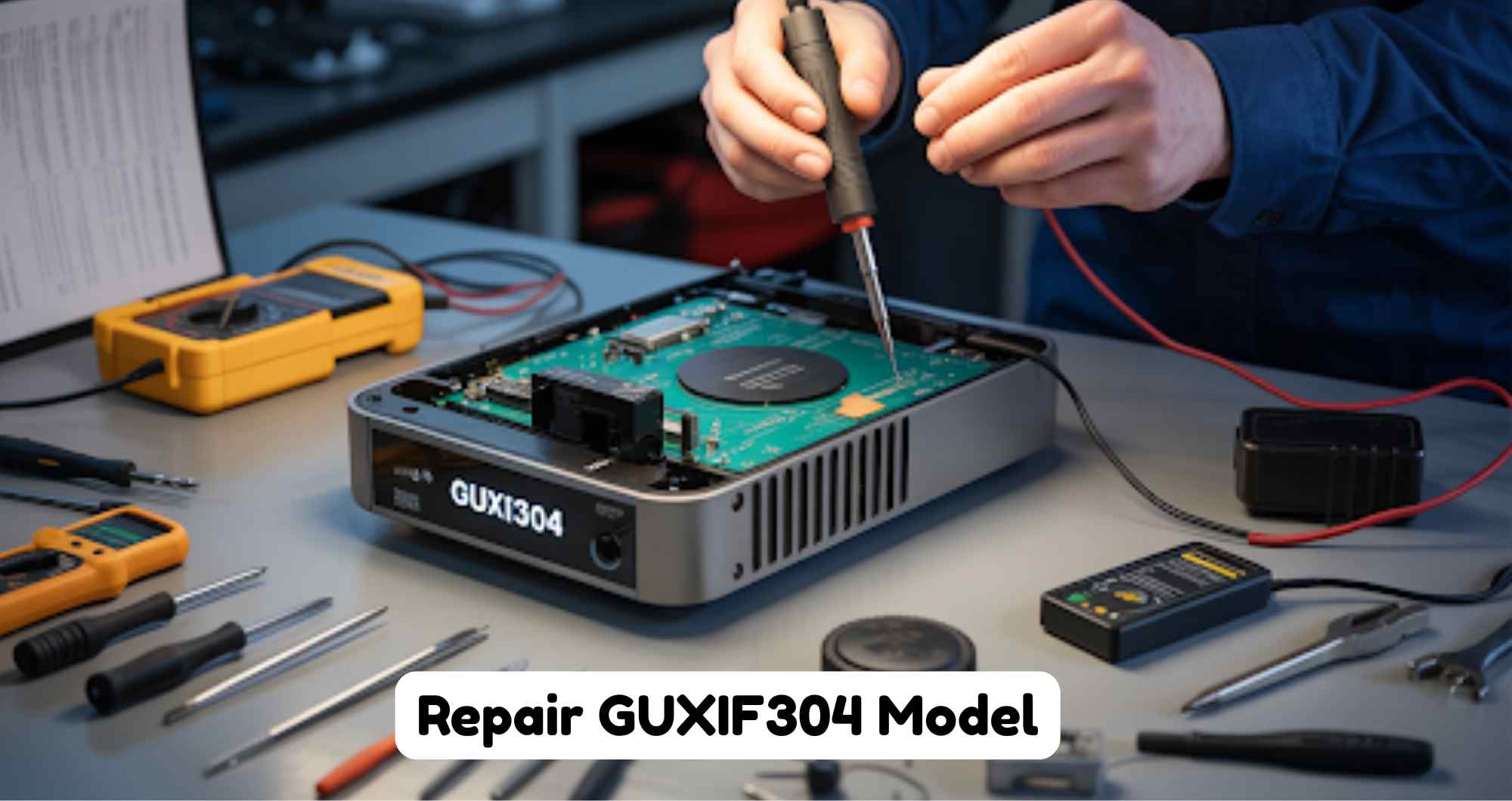
Dealing with a malfunctioning GUXIF304 model can be a frustrating experience. Whether this device is a crucial part of your daily routine or a key component in your workshop, getting it back in working order is a top priority. This guide is designed to walk you through the entire process, from initial diagnosis to final testing. We will provide clear, step-by-step instructions to help you successfully complete your repair guxif304 model project. You don’t need to be a professional technician to tackle many of the common issues. With the right tools, a bit of patience, and this comprehensive guide, you can restore your device to its former glory and save on costly repair bills.
Key Takeaways
- Safety First: Always disconnect the GUXIF304 model from any power source before starting repairs.
- Gather the Right Tools: Having the correct tools on hand makes the repair process smoother and safer.
- Diagnose Before You Act: Properly identifying the problem is the most critical step in any repair.
- Follow a Methodical Approach: Work through the troubleshooting steps systematically to avoid missing the root cause.
- Document Your Process: Taking photos or notes can be invaluable during reassembly.
- Know When to Call a Pro: Some complex repairs are best left to experienced technicians.
Understanding the GUXIF304 Model Before You Begin
Before you can effectively repair guxif304 model units, it’s essential to understand what you’re working with. The GUXIF304 is known for its robust design and advanced features, but like any sophisticated piece of equipment, it has specific components that are prone to wear and tear. Familiarizing yourself with its main systems—the power supply unit, the central processing board, and the input/output interface—will give you a significant advantage. The power supply is responsible for converting electrical current, the processing board acts as the brain, and the I/O interface manages all external connections. Knowing how these parts interact is the first step toward diagnosing issues accurately. For instance, a complete power failure often points to the power supply, whereas erratic behavior might suggest a problem with the processing board.
The Importance of a User Manual
Your best friend in any repair guxif304 model task is the official user manual. This document contains a wealth of information, including detailed schematics, component lists, and manufacturer-approved troubleshooting steps. If you’ve misplaced your physical copy, a digital version is often available on the manufacturer’s website. The manual provides critical specifications, such as voltage requirements and operating temperatures, which are vital for a safe and successful repair. It can also help you identify parts by their official names, making it much easier to order replacements. Don’t underestimate this resource; it was created by the engineers who designed the device and is the most reliable source of information you can find.
Safety First: Essential Precautions for Your Repair
Attempting to repair guxif304 model devices without taking the proper safety precautions can lead to personal injury or further damage to the unit. The single most important rule is to always disconnect the device from any power source before opening the casing. This means unplugging it from the wall outlet and removing any internal batteries if applicable. Electricity can be dangerous, and even a small residual charge can cause a significant shock or short-circuit sensitive electronic components. Working on a de-energized device is non-negotiable. It’s also a good idea to work in a well-lit, clean, and dry area. This minimizes the risk of losing small screws and ensures you can see what you are doing clearly.
Using Personal Protective Equipment (PPE)
While you may not be dealing with heavy machinery, using some basic Personal Protective Equipment (PPE) is a smart practice. Safety glasses are highly recommended to protect your eyes from flying debris, especially if you are soldering or using compressed air to clean components. An anti-static wrist strap is another crucial piece of gear. The GUXIF304 model contains sensitive microelectronics that can be easily destroyed by a small discharge of static electricity from your body. Wearing a wrist strap grounded to the device’s metal chassis will safely dissipate any static buildup, protecting the delicate internal circuits from accidental damage during your repair guxif304 model project.
Gathering the Necessary Tools for the Job
Having the right tools ready before you start can make the difference between a frustrating afternoon and a smooth, successful repair. You don’t necessarily need a professional-grade toolkit, but a few essential items are a must for any repair guxif304 model task. The specific tools will depend on the nature of the repair, but a good starter set will cover most common issues.
Basic Toolkit for GUXIF304 Model Repair:
- Screwdriver Set: A set of Phillips head and flathead screwdrivers in various sizes is essential for opening the casing and removing components. A precision set with smaller heads is particularly useful for electronic devices.
- Pliers: Needle-nose pliers are perfect for gripping small wires and components in tight spaces.
- Multimeter: This is an invaluable diagnostic tool for checking voltages, continuity, and resistance. It’s the best way to test if power is flowing correctly.
- Soldering Iron: For any repairs involving the circuit board, a soldering iron and solder are necessary to remove and replace components like capacitors or resistors.
- Anti-Static Wrist Strap: As mentioned, this protects the device’s electronics from static discharge.
- Isopropyl Alcohol and Cotton Swabs: Ideal for cleaning circuit boards and contacts without leaving residue.
- Compressed Air: A can of compressed air is great for blowing dust and debris out of hard-to-reach areas.
Step 1: Diagnosing Common Problems with the GUXIF304 Model
The first active step to repair guxif304 model issues is a thorough diagnosis. Guesswork can lead you down the wrong path, wasting time and money. Start by observing the symptoms carefully. Is the device completely dead? Are there any error messages on the display? Is it making unusual noises? These clues are critical for narrowing down the potential causes. A systematic approach is best. Begin with the most straightforward potential problems and work your way toward more complex ones. For example, if the device won’t turn on, the first thing to check is the power source and cable, not the internal processing board. This methodical process, often called a “troubleshooting tree,” is how professionals efficiently pinpoint faults.
Common Issues and Their Likely Causes
To help you get started, here is a table of common GUXIF304 model problems and their most probable causes. Use this as a starting point for your diagnosis.
|
Symptom |
Potential Cause |
Initial Troubleshooting Step |
|---|---|---|
|
Unit will not power on |
Faulty power cord, dead outlet, or failed internal power supply unit (PSU). |
Test the outlet with another device. Inspect the power cord for damage. Use a multimeter to check the PSU output. |
|
Display is blank or distorted |
Loose or damaged display cable, failing display backlight, or graphics processing issue. |
Open the unit and reseat the display cable. Check for visible damage to the display panel. |
|
Device is unresponsive or frozen |
Software glitch, overheating, or a failing central processing board. |
Perform a hard reset. Check if cooling fans are spinning and vents are clear. |
|
Unusual clicking or grinding noises |
Failing cooling fan, hard drive issue (if applicable), or a foreign object inside the unit. |
Listen closely to locate the source of the noise. Check the fan for obstructions. |
|
Input/Output ports not working |
Damaged ports, driver issues, or a fault on the main logic board. |
Inspect ports for physical damage. Test with multiple known-good cables and devices. |
Step 2: Addressing Power-Related Failures
Power issues are among the most frequent problems you’ll encounter. If your GUXIF304 model is completely dead, the power supply unit (PSU) is a prime suspect. The PSU’s job is to convert the AC power from your wall outlet into the specific DC voltages the device’s components need to operate. A failure here will prevent anything from working. Before you decide to repair guxif304 model power systems, confirm that the outlet and the power cord are functioning correctly. Plug another device into the same outlet and, if possible, try a different power cord with your GUXIF304. If these simple checks don’t solve the problem, it’s time to look at the internal power supply. This usually involves opening the device’s casing to access the PSU.
How to Test and Replace the Power Supply Unit
Once you have opened the device, you can visually inspect the PSU for any signs of damage, such as burnt components, bulging capacitors, or a distinct smell of burnt electronics. These are clear indicators of a failed unit. If there are no visible signs, you can use a multimeter to test the output. With the device unplugged, disconnect the PSU from the mainboard. Refer to your user manual or an online schematic to identify the correct voltage pins on the PSU connector. Carefully plug the PSU back into the wall (but not the mainboard) and use your multimeter to measure the DC voltage outputs. If the readings are zero or significantly lower than the specified values, the PSU has failed and needs to be replaced. Replacement is usually a matter of unscrewing the old unit, unplugging its connectors, and installing the new one in its place.
Step 3: Fixing Display and Interface Issues
When the GUXIF304 model powers on but the screen remains blank or shows a distorted image, the problem likely lies with the display system. This could be as simple as a loose internal cable or as complex as a failed display panel. The most common point of failure is the connection between the display and the main logic board. Over time, vibrations or minor impacts can cause this cable to become partially dislodged. The first step in this type of repair guxif304 model task is to open the unit and carefully reseat the display connector. Make sure it is pushed in firmly and the locking tab, if present, is secured. While you are inside, inspect the cable for any signs of crimping, tearing, or other damage.
Troubleshooting Unresponsive Ports
If you find that USB, audio, or other external ports are not working, the troubleshooting process is similar. First, rule out external factors by testing with different cables and accessories that you know are working. Also, inspect the ports themselves for any debris or bent pins that might be causing a bad connection. You can use a small plastic pick and a can of compressed air to carefully clean them. If the ports are clean and undamaged, the issue might be software-related, such as a missing or corrupt driver. Check the manufacturer’s website for updated drivers for your GUXIF304 model. If a driver update doesn’t help, the problem may be a hardware fault on the mainboard, which could require more advanced repair skills.
Step 4: Solving Overheating and Performance Problems
Is your GUXIF304 model running slower than usual, freezing, or shutting down unexpectedly? These are classic signs of overheating. Modern electronics generate a lot of heat, and they rely on a cooling system—typically composed of heatsinks and fans—to dissipate it. Over time, dust and debris can clog the cooling vents and coat the fan blades, severely reducing their effectiveness. When the internal temperature rises too high, the device will automatically slow itself down (a process called thermal throttling) or shut off completely to prevent permanent damage. A crucial part of routine maintenance and a common step in any repair guxif304 model effort is to clean the cooling system thoroughly.
Cleaning the Cooling System and Replacing Fans
To clean the cooling system, you must first open the device casing. Use a can of compressed air to blow dust out of the fan, the heatsink fins, and all air vents. Hold the fan blades in place with a finger while you do this to prevent them from over-spinning, which could damage the fan motor. For a deeper clean, you can use cotton swabs lightly dampened with isopropyl alcohol to wipe down the fan blades and accessible parts of the heatsink. If the fan is making grinding or rattling noises, or if it doesn’t spin at all, its motor has likely failed. In this case, the fan will need to be replaced. Fans are typically inexpensive and can be found by searching for the part number printed on the fan’s sticker.
Advanced Repair: Working on the Main Logic Board
For the more adventurous DIYer, some problems may require working directly on the main logic board. This is where the most critical components, like the CPU and memory, reside. Tasks like replacing a faulty capacitor or resoldering a broken connection fall into this category. This type of repair guxif304 model work requires a steady hand, a good soldering iron, and some experience with electronics. One of the most common board-level repairs is replacing swollen or leaking capacitors. These are small cylindrical components that can fail over time, especially in the power regulation section of the board, leading to instability or a complete failure to power on.
A Note on Component-Level Repair
Component-level repair is a delicate process. You need to correctly identify the failed component, desolder it from the board without damaging the surrounding traces, and solder a new component with the exact same specifications in its place. This is an advanced repair that carries a high risk of causing irreversible damage if done incorrectly. If you are not confident in your soldering skills, it is often wiser to seek professional help. However, for those willing to learn, there are many excellent tutorials and guides online that teach basic soldering techniques. As with any repair, success comes from careful preparation and patience. For additional insights into technology and electronics, resources like Forbes Planet can offer valuable information.
When to Call a Professional Technician
While this guide empowers you to handle many common issues, it’s also important to recognize your limits. Certain repairs are best left to professionals who have the specialized tools and experience to do the job safely and effectively. If you’ve performed all the basic troubleshooting steps and are still unable to diagnose the problem, it’s time to consider calling for help. Likewise, if the required repair involves complex, board-level soldering or requires expensive diagnostic equipment, a professional service is your best bet. Attempting a repair beyond your skill level can turn a fixable problem into a permanent one. Don’t be afraid to admit when a job is too big—it’s the smart choice.
Conclusion: Bringing Your GUXIF304 Model Back to Life
Successfully completing a repair guxif304 model project is an incredibly rewarding experience. It not only saves you money but also gives you a deeper understanding of the technology you use every day. By following a structured approach—starting with safety, gathering the right tools, diagnosing the problem methodically, and executing the repair with care—you can overcome many of the common failures that affect the GUXIF304 model. Remember to use your user manual, document your steps, and never hesitate to stop if you feel out of your depth. With the knowledge from this guide, you are well-equipped to tackle your next repair and keep your devices running smoothly for years to come.
Frequently Asked Questions (FAQ)
Q1: Is it safe for me to open my GUXIF304 model?
A1: Yes, it is generally safe to open the GUXIF304 model as long as you take the critical precaution of disconnecting it from all power sources first. This includes unplugging it from the wall and removing any batteries. Using an anti-static wrist strap is also highly recommended to protect the internal electronics.
Q2: Will I void my warranty if I repair guxif304 model myself?
A2: In many cases, opening the device casing will void the manufacturer’s warranty. If your GUXIF304 model is still under warranty, it is almost always better to go through the official repair service. Self-repair is best for devices that are out of warranty.
Q3: Where can I find replacement parts for my GUXIF304 model?
A3: Replacement parts can often be purchased directly from the manufacturer’s website or from authorized third-party suppliers. Online marketplaces also carry a wide variety of components. To ensure you get the right part, use the specific part number, which is usually printed on the component itself.
Q4: My GUXIF304 model got wet. What should I do?
A4: If your device gets wet, immediately disconnect all power. Do not attempt to turn it on. Open the casing as much as possible to allow air to circulate and let it dry completely for at least 48-72 hours. You can place it in a dry area with a fan blowing on it. If it still doesn’t work after thoroughly drying, it will likely need professional service to assess for corrosion or short circuits.
Q5: What is the most common failure on a GUXIF304 model?
A5: While this can vary, some of the most common issues are power-related failures (due to the PSU) and overheating problems caused by dust accumulation in the cooling system. Both of these are relatively straightforward for a DIY repair.
Stay Informed With the Latest & Most Important News
Previous Post
Next Post










Advertisement