

Now Reading: Transform Your Home with Pyntekvister: The Ultimate Guide to Decorative Branches
-
01
Transform Your Home with Pyntekvister: The Ultimate Guide to Decorative Branches

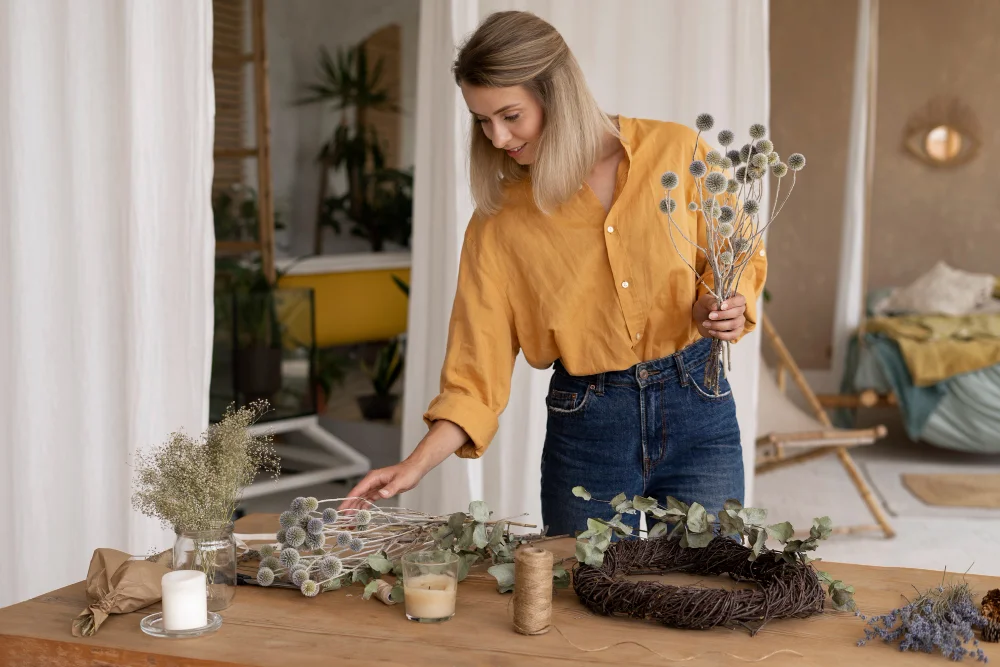
Introduction
Have you ever walked into a beautifully styled home and noticed how a simple vase of branches instantly adds warmth and elegance? In Scandinavian design, this concept is central to creating a cozy atmosphere. While Americans love their floral arrangements, there is a growing trend borrowing from Nordic traditions known as pyntekvister. These decorative twigs are more than just sticks in a jar; they are a versatile design element that brings nature indoors, regardless of the season.
Using pyntekvister allows you to embrace minimalism without sacrificing character. Whether you are decorating for Easter with colorful feathers or setting up a winter wonderland with frosted branches, these natural elements are incredibly adaptable. This guide will walk you through everything you need to know about selecting, styling, and preserving these beautiful decorative accents. By the end, you’ll be ready to transform any corner of your home with the simple, rustic charm of decorative branches.
Key Takeaways
- Definition: Pyntekvister are decorative twigs or branches used in home styling.
- Versatility: They can be used year-round, not just for holidays.
- DIY Friendly: You can forage them yourself or buy them pre-treated.
- Cost-Effective: A budget-friendly way to update your decor.
- Sustainability: A natural, biodegradable alternative to plastic decorations.
What Are Pyntekvister and Why Are They Trending?
When we talk about pyntekvister, we are essentially discussing the art of using branches, twigs, and sprigs for ornamental purposes. Originating from Scandinavian traditions where winters are long and fresh flowers can be scarce, people turned to what was available: hardy branches. In countries like Norway, these are staples in households, especially during Easter and Christmas.
The trend has crossed the ocean to the United States because of the rising popularity of “Hygge” and “Japandi” design styles. Both styles emphasize natural materials, sustainability, and bringing the outdoors in. Pyntekvister fit perfectly into this aesthetic. They offer height, texture, and sculptural shapes that soft flowers simply cannot provide. Plus, they last much longer than a bouquet of roses, making them a practical choice for busy homeowners who want style without constant maintenance.
The Cultural Significance
In Norway, “fastelavnsris” (birch branches decorated with feathers) are a specific type of pyntekvister used before Easter. Historically, these had symbolic meanings related to fertility and warding off evil spirits. Today, they are purely decorative, signaling the arrival of spring even when snow is still on the ground. Understanding this background adds a layer of depth to your decor; you aren’t just putting sticks in a vase, you are participating in a tradition of welcoming light and life.
Choosing the Right Type of Pyntekvister for Your Home
Not all twigs are created equal. When selecting pyntekvister for your space, you need to consider the vibe you want to achieve. Some branches are sturdy and thick, perfect for hanging heavy ornaments, while others are delicate and wispy, ideal for a minimalist look.
If you are looking for drama, curly willow is a fantastic choice. Its twisting, turning form creates visual interest all on its own. For a more structural, modern look, birch branches are the go-to standard. They have a lovely bark texture and are generally straight enough to stand tall in a large floor vase. If you want softness, pussy willow branches with their fuzzy catkins are a classic spring choice that adds texture without color.
Popular Types of Decorative Branches
|
Branch Type |
Best Season |
Characteristic Feature |
Styling Tip |
|---|---|---|---|
|
Curly Willow |
All Year |
Spiraled, twisted shape |
Great for solo display in glass vases |
|
Birch |
Winter/Spring |
White/papery bark |
Ideal for floor vases or hanging heavy ornaments |
|
Pussy Willow |
Spring |
Fuzzy, soft buds |
Mix with tulips or daffodils |
|
Dogwood |
Spring/Summer |
Red or yellow bark |
Adds a pop of color to neutral rooms |
|
Forsythia |
Early Spring |
Bright yellow flowers |
Force bloom indoors for early color |
|
Cherry Blossom |
Spring |
Pink/White petals |
Needs water; creates a romantic vibe |
How to Forage and Prepare Your Own Pyntekvister
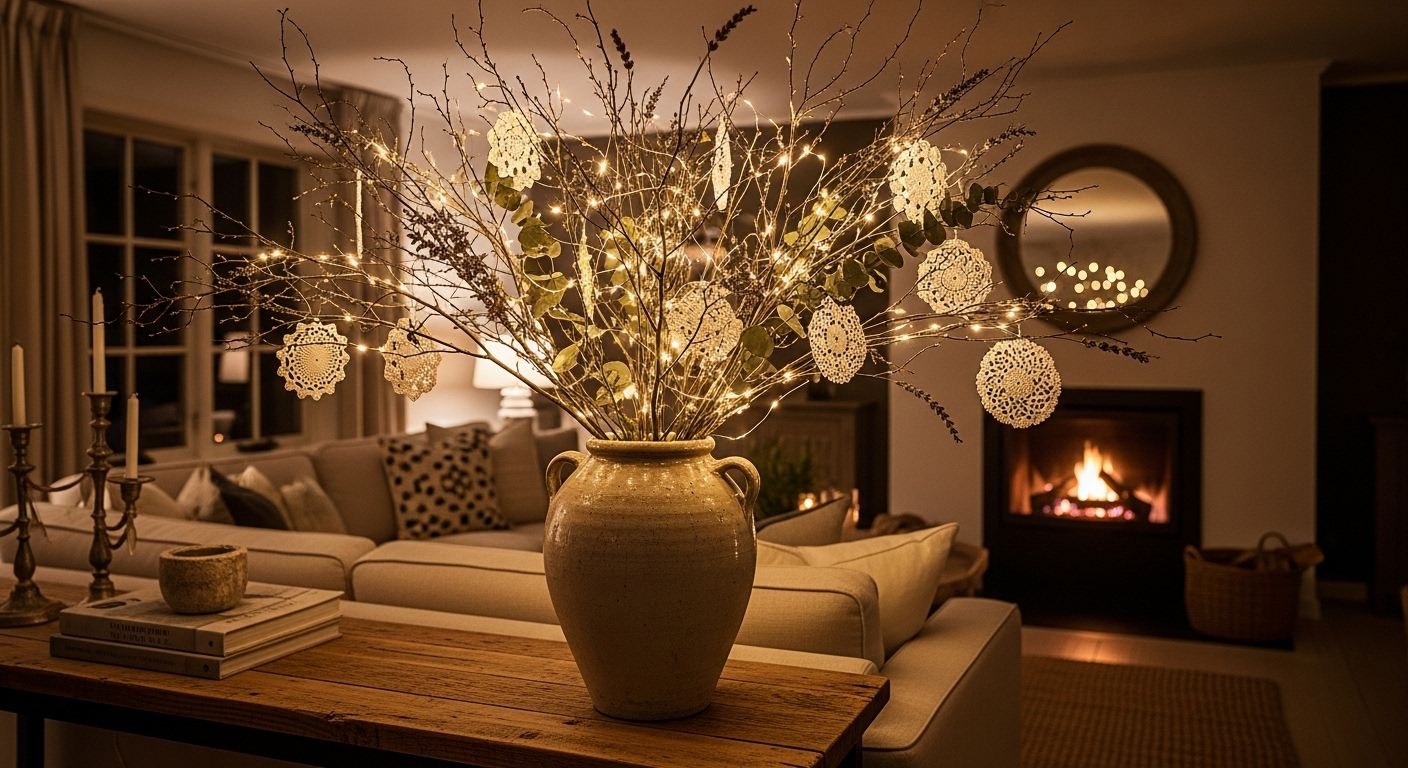
One of the best things about pyntekvister is that they can be free! If you have access to a garden or woods, you can forage your own. However, there is a right way and a wrong way to do this. You should always respect nature and only take what you need. Never cut branches from public parks where it is prohibited, or from private property without permission.
When cutting, use sharp pruning shears to make a clean cut. This is healthier for the tree. Look for branches with interesting shapes or budding leaves. Once you bring them inside, the preparation is key. If you want them to dry out and last forever, simply place them in a dry vase. If you want to “force” them to bloom (like forsythia or cherry blossoms), you need to smash the bottom inch of the stem with a hammer and place them in warm water. This helps the woody stem absorb moisture.
Cleaning and Preserving
Before bringing any pyntekvister indoors, inspect them for bugs. You don’t want to accidentally invite a colony of ants into your dining room. You can gently wash the branches with a mild soap solution and let them dry. For longevity, some people spray their dry branches with a clear matte varnish. This seals the bark and prevents it from flaking off over time, keeping your arrangement looking fresh for years.
Styling Pyntekvister for the Spring Season
Spring is perhaps the most popular time for pyntekvister. After a long, gray winter, we crave signs of life. In the Scandinavian tradition, this is when you would decorate birch branches with colorful feathers, painted eggs, or paper ornaments. This setup creates a festive, joyful centerpiece for Easter brunch.
To achieve this look, gather a bundle of birch twigs—about 5 to 7 branches usually works well. Place them in a stable, heavy vase. If the vase is clear, you might want to add stones to the bottom to hide the cut ends and add stability. Then, drape lightweight decorations on the smaller offshoots. Pastel colors like pale yellow, soft pink, and baby blue look stunning against the dark brown or white bark of the twigs.
Forcing Blooms Indoors
Another magical spring trick with pyntekvister is forcing blooms. By cutting branches from flowering trees or shrubs about 4-6 weeks before they would naturally bloom outside, you can trick them into flowering indoors. The warmth of your house wakes them up. Apple blossoms, magnolias, and lilacs are excellent candidates for this. Just remember to change the water every few days to keep bacteria at bay.
Creating a Cozy Winter Atmosphere with Pyntekvister
Winter decor doesn’t have to be just pine trees and garlands. Pyntekvister offer a sophisticated alternative to traditional holiday greenery. Bare branches sprayed with faux snow or glitter can look incredibly chic and modern. They capture the stark beauty of the winter landscape.
For a winter look, consider using “frosted” branches. You can buy these pre-made, or do it yourself with a little spray adhesive and Epsom salts. Place these sparkling branches in a tall cylinder vase filled with white fairy lights. The result is a soft, glowing installation that lights up a dark corner. It’s perfect for the period after Christmas when you take down the tree but the house feels too empty.
Minimalist Christmas Decor
If you prefer a minimalist Christmas, swap the big tree for a large branch of pyntekvister. Hang your most precious glass baubles on it. The open structure of the branch allows each ornament to be seen clearly, unlike on a dense fir tree where things get lost in the needles. This is also a great solution for small apartments where floor space is at a premium.
Pyntekvister for Everyday Minimalist Decor
You don’t need a holiday to display pyntekvister. In fact, they are a staple of everyday minimalist decor. The key here is restraint. You aren’t trying to create a lush bouquet; you are highlighting the sculptural form of the wood. A single, dramatic branch in a ceramic vase can be a piece of art.
Look for vases with narrow necks which help hold heavy branches upright. Earthy tones for the vase—like terracotta, slate grey, or matte black—complement the natural wood tones of the pyntekvister. This look works exceptionally well on entry consoles, mantels, or kitchen islands. It adds height to your vignette without blocking sightlines, which is important for conversation areas.
Mixing Materials
Combine your pyntekvister with other natural textures. Place a branch arrangement on a linen runner, next to a beeswax candle. The contrast between the rough bark, the soft fabric, and the warm light creates a sensory experience that feels grounded and calming. This is the essence of creating a sanctuary at home.
DIY Projects: Customizing Your Pyntekvister
If you are crafty, pyntekvister are a blank canvas. You can paint them to match any color scheme. Spray painting dried branches gold, silver, or copper instantly turns them into glamorous decor suitable for weddings or New Year’s Eve parties.
Another fun project is wrapping branches. You can wrap sections of the twigs in colorful yarn or embroidery thread. This adds a pop of color and a handmade touch that feels very bohemian. It’s a great activity to do with kids, too. You can turn a simple walk in the woods into an afternoon craft session.
Hanging Decor
Don’t just think about vases. A large, sturdy piece of pyntekvister can be suspended from the ceiling horizontally. This creates a “branch chandelier.” You can hang tea light holders, dried flowers, or seasonal decorations from it. It makes a stunning focal point above a dining table and changes the entire architecture of the room.
Where to Buy High-Quality Pyntekvister
While foraging is great, sometimes you want a specific look that doesn’t grow in your backyard. Fortunately, many retailers now stock pyntekvister. Home decor stores, craft stores, and even garden centers are good places to look.
When buying, check the flexibility of the stems. If they snap too easily, they might be too brittle and old. You want branches that still have a little “give” or are thick enough to be durable. Online marketplaces are also excellent for finding exotic varieties like bleached ruscus or preserved eucalyptus, which pair beautifully with traditional twigs.
Sustainable Shopping
When purchasing pyntekvister, try to find sources that practice sustainable harvesting. Some companies specialize in pruning invasive species or using byproducts from the forestry industry. Supporting these businesses ensures that your decor choice is environmentally responsible.
The Role of Pyntekvister in Event Styling
Event planners love pyntekvister for their cost-effectiveness and high impact. Weddings, baby showers, and corporate events often feature large branch installations. They fill vertical space in high-ceilinged venues without costing a fortune in fresh flowers.
For a wedding, tall vases filled with cherry blossoms or white birch branches create an avenue effect down the aisle. They provide a romantic canopy without obstructing the view of the guests. For rustic weddings, combining pyntekvister with mason jars and wildflowers is a classic look that never goes out of style.
Centerpieces
On tables, keep pyntekvister arrangements either very tall (above eye level) or low. A sprawling branch that runs the length of a rectangular table, interwoven with candles, makes for a dramatic, low-profile centerpiece. This allows guests to talk across the table easily while still enjoying the decor.
Troubleshooting Common Pyntekvister Problems
Even though they are low maintenance, things can go wrong with pyntekvister. The most common issue is mold. If you put branches in water, the water must be changed regularly. If the water gets cloudy, bacteria are growing, which can rot the stems and smell bad.
Another issue is brittleness. Over time, branches in a dry environment (like a heated home in winter) can become very fragile. If you are storing them for next year, place them in a sturdy box where they won’t get crushed. Do not store them in damp basements, as they will absorb moisture and could warp or mold.
Insects
As mentioned earlier, bringing nature inside means potentially bringing bugs inside. If you notice tiny holes in your pyntekvister or see “sawdust” around the vase, you might have wood-boring insects. In this case, it is best to discard the branches immediately to prevent them from moving to your furniture. Freezing branches for 24 hours before styling can kill any hidden pests.
Combining Pyntekvister with Fresh Flowers
You don’t have to choose between twigs and blooms. Pyntekvister act as a wonderful support structure for fresh flowers. In professional floristry, this is called an “armature.” Instead of using floral foam (which is bad for the environment), you can create a grid of twigs inside the vase to hold soft-stemmed flowers in place.
Aesthetically, the contrast is beautiful. The rough, dark texture of pyntekvister highlights the delicate, soft petals of roses, peonies, or lilies. It makes the arrangement look more organic and “garden-gathered” rather than stiff and store-bought.
Seasonal Pairings
- Spring: Pussy willow with tulips.
- Summer: Curly willow with sunflowers.
- Autumn: Oak branches with dried hydrangeas.
- Winter: Birch branches with amaryllis.
Pyntekvister for Kids: Crafts and Learning
Using pyntekvister is a great way to teach children about nature. You can go on a nature walk to collect them, identifying different trees along the way. Once home, the decorating possibilities are endless.
For Easter, kids can blow out eggs and paint them to hang on the branches. For Halloween, they can attach paper bats or cotton “spiderwebs” to make a spooky tree. These activities improve fine motor skills and encourage creativity. Plus, it gives them a sense of pride to see their artwork displayed prominently in the living room.
Safe Crafting
Ensure that the pyntekvister you choose for kids don’t have sharp thorns (avoid hawthorn or wild rose branches). Birch and willow are usually safe choices. Also, make sure the vase is heavy enough that it won’t tip over if a child bumps the table.
Why Pyntekvister is a Sustainable Choice
In a world increasingly concerned with climate change, our decor choices matter. Plastic decorations often end up in landfills. Pyntekvister, being natural wood, are 100% biodegradable. When you are tired of them, they can be composted or used as kindling for a fire.
Furthermore, because they are durable, you don’t need to buy fresh replacements weekly like you do with cut flowers. This reduces the carbon footprint associated with transporting flowers from warm climates to the US. Choosing local pyntekvister is one of the most eco-friendly decor decisions you can make.
As we explore sustainable living, resources like Forbes Planet offer great insights into how small changes in our lifestyle can have a positive impact on the environment. Integrating natural decor is a small but meaningful step in that direction.
Frequently Asked Questions (FAQs)
1. How long do pyntekvister last?
If kept dry, decorative branches can last indefinitely. If you put them in water to keep leaves green or force blooms, they will last about 2-4 weeks, similar to fresh flowers.
2. Can I paint fresh branches?
It is better to let them dry out for a few weeks before painting. Fresh wood has moisture inside that can prevent paint from adhering properly.
3. What does “pyntekvister” mean?
It is a Norwegian word. “Pynt” relates to decoration or ornament, and “kvister” means twigs or branches. So, it literally translates to “decorative twigs.”
4. Do I need to put water in the vase?
Only if the branches have fresh buds, flowers, or leaves that you want to keep alive. For dried, bare branches, no water is needed (and avoiding water prevents rot).
5. Are pyntekvister safe for pets?
Most branches are safe, but some common plants can be toxic to cats and dogs if chewed on (like Holly, Yew, or certain fruit tree branches). Always identify the tree species and check if it is pet-safe before bringing it indoors.
Conclusion
Embracing the trend of pyntekvister is about more than just following a fad; it is about simplifying your environment and connecting with nature. Whether you are preparing a festive Easter display, creating a moody winter corner, or simply adding a touch of height to your coffee table, these decorative branches are the perfect solution.
They are inexpensive, sustainable, and incredibly versatile. By following the tips in this guide—from foraging safely to styling with confidence—you can elevate your home decor with ease. So next time you are outside, look at the trees a little differently. That fallen branch might just be the missing piece your living room needs.
Key Takeaways Summary
- Pyntekvister brings a touch of Nordic nature into American homes.
- You can style them for any season: bright for spring, cozy for winter.
- Always prepare your branches properly to avoid bugs and mold.
- They are a perfect, sustainable alternative to plastic decor.
- Mixing branches with other elements like lights or flowers adds depth to your design.
Stay Informed With the Latest & Most Important News
Previous Post
Next Post











Advertisement