
Now Reading: Orange Shirt Day 2025 Every Child Matters: A Guide to Understanding and Action
-
01
Orange Shirt Day 2025 Every Child Matters: A Guide to Understanding and Action

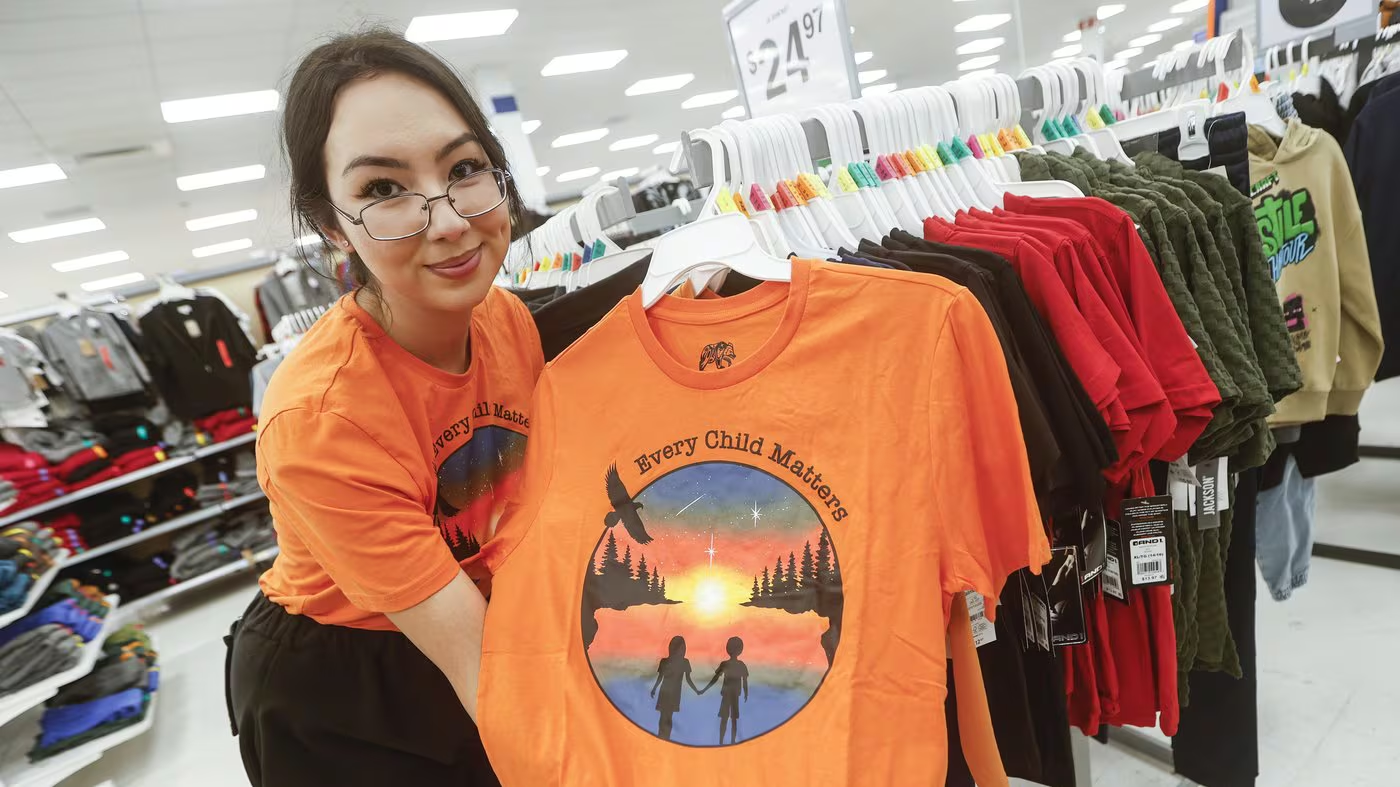
Orange Shirt Day is more than just a date on the calendar. It represents a movement toward healing, understanding, and acknowledging a painful history that many people are only just beginning to fully grasp. As we look forward, preparing for orange shirt day 2025 every child matters means educating ourselves on why we wear orange and what it symbolizes for Indigenous communities across North America. This day is an invitation to listen to stories of survival and to commit to a future where every child is treated with dignity and respect.
The phrase “Every Child Matters” is not just a slogan; it is a powerful affirmation of the value of Indigenous children who were lost to the residential school system and those who survived but carry the scars. By participating in these events, we help ensure that the mistakes of the past are never repeated. This article will guide you through the history, significance, and ways you can meaningfully participate in this important day of remembrance.
Key Takeaways
- Understand the Origins: Learn the story of Phyllis Webstad and her orange shirt.
- Significance of the Date: Why September 30th was chosen for this observance.
- How to Participate: Actionable ways to support orange shirt day 2025 every child matters.
- Educational Resources: Books and films to deepen your understanding.
- The Residential School System: A look at the history behind the movement.
- Reconciliation: What it means and how you can contribute.
The Story Behind the Orange Shirt
Phyllis Webstad’s Experience
The movement began with the story of a young girl named Phyllis Webstad. In 1973, Phyllis was six years old and excited to go to school for the first time. Her grandmother took her shopping and bought her a shiny new orange shirt, which she loved. However, when she arrived at the St. Joseph Mission Residential School in British Columbia, her clothes were taken away, including her beloved orange shirt. She never saw it again. This experience made her feel like she didn’t matter, setting the foundation for the message we share today.
Phyllis’s story is heartbreaking, but it is also a catalyst for change. It highlights how the residential school system stripped Indigenous children of their identity and culture. Her bravery in sharing her story has allowed millions of people to understand the personal impact of these schools. When we talk about orange shirt day 2025 every child matters, we are honoring Phyllis and the thousands of other children who had similar experiences.
Why the Color Orange?
The color orange has become a symbol of the stripping away of culture, freedom, and self-esteem experienced by Indigenous children over generations. Phyllis has stated that the color orange always reminded her of that day at the mission school when her feelings didn’t matter, and no one cared. Today, we have reclaimed this color. Instead of representing loss, it now represents hope, reconciliation, and a commitment to a better future.
Wearing orange on September 30th is a visual reminder of our collective responsibility to foster reconciliation. It is a way to say that we see the survivors, we hear them, and we stand with them. As we approach orange shirt day 2025 every child matters, wearing this color is a simple yet profound act of solidarity that sparks conversations and raises awareness in our communities.
Understanding the Residential School System
A Dark Chapter in History
Residential schools were government-sponsored religious schools established to assimilate Indigenous children into Euro-Canadian culture. The system forcibly separated children from their families for extended periods and forbade them to acknowledge their Indigenous heritage and culture or to speak their own languages. The impact was devastating, leading to loss of culture, language, and family bonds.
The last residential school did not close until the late 1990s, meaning this is not ancient history; it is a recent reality for many people living today. Understanding this context is crucial for grasping the importance of orange shirt day 2025 every child matters. It helps us see why healing is a long process and why acknowledging the truth is the first step toward reconciliation.
The Impact on Survivors and Families
The trauma experienced in residential schools did not end when the schools closed. Survivors often struggle with the emotional and psychological scars left by their experiences. This trauma is often intergenerational, meaning it affects the children and grandchildren of survivors as well. The disruption of family systems and parenting models has had lasting effects on Indigenous communities.
Support and understanding from the broader public are essential. When we recognize orange shirt day 2025 every child matters, we are acknowledging this ongoing pain. We are validating the experiences of survivors who were told for so long that their stories didn’t matter. It is a time to show compassion and to advocate for the support systems needed to help communities heal.
Statistics of the Residential School System
To fully understand the scale of what happened, it is helpful to look at the numbers.
|
Statistic |
Description |
|---|---|
|
Number of Schools |
Over 130 residential schools operated across Canada. |
|
Children Attended |
Approximately 150,000 First Nations, Inuit, and Métis children attended. |
|
Estimated Deaths |
Thousands of children died while attending these schools (exact numbers are still being investigated). |
|
Years of Operation |
The system operated for over 160 years, from the 1830s to 1996. |
The Significance of September 30th
Why This Date?
September 30th was chosen because it is the time of year when Indigenous children were historically taken from their homes to residential schools. It is a time of year associated with sadness and separation for many families. By reclaiming this date, Indigenous communities have turned a time of tragedy into a time of remembrance and education.
It is also a time when schools are in session, which provides an excellent opportunity to teach children about this history. Integrating orange shirt day 2025 every child matters into school curriculums ensures that the next generation grows up with a better understanding of the past. It fosters empathy and ensures that the slogan “Every Child Matters” becomes a core value in our society.
National Day for Truth and Reconciliation
In Canada, September 30th is now recognized federally as the National Day for Truth and Reconciliation. This designation elevates the importance of the day, making it a statutory holiday for federal employees and federally regulated workplaces. It signals that the government recognizes the harm done and is committed to the path of reconciliation.
While it is a Canadian observance, the message has spread globally, including to the United States, which had its own system of boarding schools for Native Americans. The themes of orange shirt day 2025 every child matters resonate across borders because the treatment of Indigenous peoples is a shared history in North America.
Preparing for Orange Shirt Day 2025
Education is Key
The most important way to prepare is to educate yourself. Don’t wait until September 30th to start learning. Read books by Indigenous authors, watch documentaries, and listen to podcasts. Understanding the nuances of Indigenous history and culture prevents the day from becoming performative. It ensures that your participation is grounded in genuine knowledge and respect.
Schools and workplaces should plan their activities well in advance. This might include inviting Indigenous speakers, organizing book clubs, or planning fundraising events for Indigenous charities. The goal of orange shirt day 2025 every child matters is to create meaningful engagement, not just to wear a different colored shirt for a day.
Buying an Official Shirt
If you plan to wear an orange shirt, try to purchase one from an Indigenous-owned business or an official organization where the proceeds go to support survivors and reconciliation efforts. Many retailers sell orange shirts, but not all of them donate the profits to the cause. Being a conscious consumer is a small but significant way to show support.
Look for designs created by Indigenous artists. These shirts often feature beautiful artwork that tells a story or conveys a powerful message. Wearing these designs helps amplify Indigenous voices and supports the artists financially. When you search for gear for orange shirt day 2025 every child matters, take the extra time to verify the seller.
Checklist for Purchasing a Shirt
- Is the seller Indigenous-owned?
- Do proceeds go to a registered charity or non-profit?
- Is the design created by an Indigenous artist?
- Is the organization transparent about where the money goes?
How Schools Can Participate
Classroom Activities
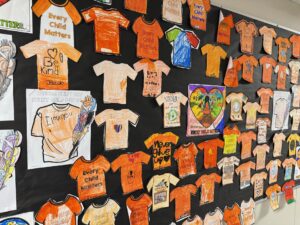
Teachers play a vital role in sharing the message of Orange Shirt Day. For younger students, activities can include reading age-appropriate books like Phyllis’s Orange Shirt and doing art projects that focus on kindness and inclusion. It is important to handle the topic gently but truthfully, focusing on the concept that every child is special and should be loved.
For older students in middle and high school, discussions can be more in-depth. They can research the history of residential schools, study the Truth and Reconciliation Commission’s Calls to Action, and discuss current issues facing Indigenous communities. Incorporating orange shirt day 2025 every child matters into history, social studies, and even literature classes provides a holistic view of the subject.
School-Wide Assemblies
Hosting a school-wide assembly is a powerful way to unite the student body in observance. This could involve a moment of silence, presentations by students, or a guest speaker from a local Indigenous community. It is crucial to approach local elders or knowledge keepers with respect and offer appropriate protocol (such as an honorarium or tobacco) if inviting them to speak.
These assemblies serve as a public declaration of the school’s commitment to reconciliation. They create a shared experience that students will remember. When planning for orange shirt day 2025 every child matters, ensure that Indigenous students in the school feel supported and safe, as the topics discussed can be triggering.
How Workplaces Can Participate
Corporate Responsibility
Businesses and organizations have a role to play in reconciliation as well. Corporate participation can go beyond just encouraging employees to wear orange. It can involve reviewing company policies to ensure they are inclusive, providing diversity training that includes Indigenous history, and supporting Indigenous businesses through procurement.
Management can organize “Lunch and Learn” sessions where employees watch a documentary or discuss a relevant article. Recognizing orange shirt day 2025 every child matters in the workplace signals to employees and clients that the organization values social responsibility and human rights.
Supporting Indigenous Charities
A tangible way for workplaces to contribute is through financial support. Companies can match employee donations to the Orange Shirt Society or other Indigenous charities. Fundraising events like bake sales, charity runs, or auctions can be fun team-building activities that also serve a greater purpose.
Donating to organizations that support survivors, language revitalization, or Indigenous youth programs makes a direct impact. It moves the support from symbolic to practical. When your company engages with orange shirt day 2025 every child matters, make sure the focus remains on giving back to the community.
The Role of Allies
Listening and Learning
Being an ally involves active listening. It means creating space for Indigenous voices to be heard without interjecting or centering your own feelings. It involves acknowledging that you may benefit from systems that have oppressed others and committing to using your privilege to advocate for change.
Learning is a continuous journey. It doesn’t stop after September 30th. Allies should strive to stay informed about Indigenous issues year-round. This commitment to ongoing education is what gives substance to the observance of orange shirt day 2025 every child matters.
meaningful Actions for Allies
- Amplify Indigenous Voices: Share content from Indigenous creators on social media.
- Vote Responsibly: Support political candidates who prioritize Indigenous rights.
- Speak Up: Challenge stereotypes or racist comments when you hear them in your daily life.
- Visit Cultural Centers: Support local Indigenous museums and cultural centers.
Connecting with the Community
Local Events and Gatherings
Many communities host walks, powwows, or gatherings on September 30th. Attending these events is a great way to show support and learn more about the local Indigenous culture. It is an opportunity to meet neighbors, hear stories, and participate in collective healing.
Check your local community listings as the date approaches. If there are no events in your area, consider organizing a small gathering or walk yourself. Grassroots movements are often how awareness spreads. Celebrating orange shirt day 2025 every child matters locally strengthens community bonds.
Using Social Media for Good
Social media is a powerful tool for raising awareness. Use hashtags like #EveryChildMatters and #OrangeShirtDay to join the global conversation. Share photos of yourself and your friends wearing orange, but always accompany them with a meaningful caption that explains why you are participating.
Avoid performative posting. Instead, share resources, facts, or stories that have impacted you. Use your platform to educate others. When posting about orange shirt day 2025 every child matters, remember that the goal is to spread the message of reconciliation and remembrance.
Resources for Further Learning
To deepen your understanding, here are some resources you can explore. These cover various aspects of Indigenous history and the residential school system.
- Books: Seven Fallen Feathers by Tanya Talaga, The Inconvenient Indian by Thomas King.
- Films: Indian Horse, We Were Children.
- Websites: The National Centre for Truth and Reconciliation.
- External Link: For broader news and insights, you can visit Forbes Planet.
You can also find detailed information on the residential school system and related history on Wikipedia. A good starting point is the page on the Canadian Indian residential school system.
FAQ
What is the main message of Orange Shirt Day?
The main message is that every child matters. It emphasizes that Indigenous children have value and that their culture and identities should be celebrated, not erased. It acknowledges the harm caused by residential schools and commits to reconciliation.
Is Orange Shirt Day a holiday in the USA?
While it is not a federal holiday in the USA like it is in Canada, it is widely observed by many communities, schools, and organizations, especially those near Native American communities or with an interest in Indigenous rights. The sentiments behind orange shirt day 2025 every child matters are relevant across North America.
Can I wear an orange shirt if I am not Indigenous?
Yes, absolutely. Wearing an orange shirt is an act of solidarity and allyship. It shows that you acknowledge the history and support the survivors. It is encouraged for everyone to participate.
Where does the money for the shirts go?
If you buy from an official source or an Indigenous artist, the money typically goes to support the Orange Shirt Society, survivor support programs, or Indigenous cultural revitalization projects. Always check the vendor before buying.
How can I explain this to my young child?
Start with the simple concept that everyone is special and that a long time ago, some children were not treated nicely at school and had their favorite clothes taken away. Focus on kindness, fairness, and the importance of listening to others’ feelings.
Moving Forward: Beyond 2025
A Continuing Journey
Reconciliation is not a destination; it is a journey. Observing orange shirt day 2025 every child matters is one step on that path. As we look to the future, we must ensure that the momentum continues. We need to keep having difficult conversations and pushing for systemic change.
The hope is that one day, the disparities facing Indigenous peoples—in health, education, and justice—will be eliminated. Until then, we must keep wearing our orange shirts, keep listening, and keep advocating.
Commitment to Action
Let this coming year be a time of renewed commitment. Whether you are a student, a teacher, a parent, or a business leader, you have a sphere of influence. Use it to promote understanding and kindness.
Let the slogan “Every Child Matters” be a guiding principle in how we interact with one another. By honoring the past and working for a better future, we give meaning to orange shirt day 2025 every child matters and ensure that the spirit of reconciliation grows stronger with each passing year.
Conclusion
Orange Shirt Day serves as a vital reminder of a painful past and a beacon of hope for a more inclusive future. It challenges us to confront the hard truths of the residential school system and to actively participate in healing. By understanding the story of Phyllis Webstad, educating ourselves and our communities, and wearing orange with purpose, we contribute to a world where every child truly matters.
As we prepare for orange shirt day 2025 every child matters, let us do so with open hearts and minds. Let us commit to being better allies and neighbors. The journey of reconciliation belongs to all of us, and every step we take together brings us closer to a society built on mutual respect and understanding. Remember to support Indigenous businesses, keep learning, and never forget the children who didn’t make it home.
Related Posts


Stay Informed With the Latest & Most Important News
Previous Post
Next Post









Advertisement