
Now Reading: MLK Day 2026: Honoring a Legacy of Change
-
01
MLK Day 2026: Honoring a Legacy of Change

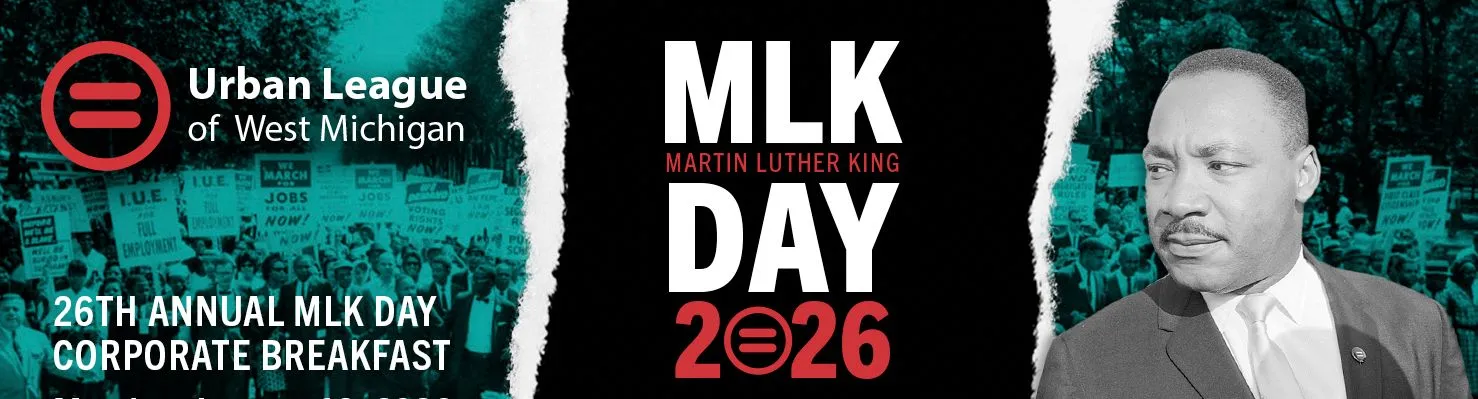
Martin Luther King Jr. Day is more than just a day off from work or school. It’s a time for reflection, service, and education. It’s a day dedicated to honoring the life and enduring legacy of one of America’s greatest civil rights leaders. As we look ahead to MLK Day 2026, it’s a perfect opportunity to understand the significance of this federal holiday, explore the history behind it, and discover meaningful ways to celebrate Dr. King’s vision for a more just and equal society. This day calls on us to remember his powerful message of peace, nonviolence, and unity, and to consider how we can apply his teachings in our own lives and communities.
This article will guide you through the history, significance, and various ways you can participate in MLK Day 2026. Whether you’re a student, a community organizer, or simply someone looking to learn more, you’ll find valuable information and inspiration here. We’ll cover everything from the date of the holiday to volunteer opportunities and educational resources that bring Dr. King’s dream to life for a new generation.
Key Takeaways
- Date and Significance: MLK Day is observed on the third Monday of January each year. In 2026, it falls on Monday, January 19.
- A Hard-Fought Holiday: The journey to make MLK Day a national holiday was a long and challenging one, spanning 15 years of advocacy and debate.
- More Than a Day Off: The holiday is designated as a national day of service, encouraging Americans to volunteer and improve their communities.
- Celebrating the Legacy: Meaningful ways to observe MLK Day 2026 include participating in service projects, attending commemorative events, and educating yourself and others about the Civil Rights Movement.
- Continuing the Dream: Dr. King’s work is far from over. The day serves as an annual reminder of the ongoing fight for equality, justice, and human rights for all.
When is MLK Day 2026?
Every year, Martin Luther King Jr. Day is celebrated on the third Monday of January. This date was chosen to fall near Dr. King’s birthday, which is January 15. It’s a day that anchors the beginning of the year with a profound sense of purpose and reflection.
For your calendar, MLK Day 2026 will be observed on Monday, January 19, 2026.
This placement in January is significant. It comes after the holiday season and before Black History Month in February, creating a dedicated time for the nation to focus on civil rights and the contributions of Black Americans. Planning for MLK Day 2026 can start early, whether you’re organizing a community event, finding a volunteer project, or simply scheduling time to engage with educational materials about Dr. King’s life. Marking your calendar now ensures you have the opportunity to make the day meaningful and impactful.
The History Behind Martin Luther King Jr. Day
The establishment of Martin Luther King Jr. Day as a federal holiday was not a simple or quick process. It was the result of a persistent, 15-year-long effort by dedicated activists, politicians, and everyday citizens who believed Dr. King’s contributions to America deserved national recognition. The journey began just four days after his assassination in 1968, when Congressman John Conyers of Michigan introduced the first bill to create a federal holiday in Dr. King’s honor. However, the bill languished in Congress for years, facing significant opposition.
Critics argued against the holiday for various reasons, including the cost of another paid federal holiday and objections to Dr. King’s nonviolent but confrontational activism and his opposition to the Vietnam War. Despite these hurdles, the movement gained momentum. The King Center in Atlanta, led by Coretta Scott King, spearheaded a massive public campaign. She testified before Congress, organized marches, and rallied support from unions, religious groups, and civic organizations. The turning point came with the help of musician Stevie Wonder, whose hit song “Happy Birthday” became an anthem for the movement. He and Coretta Scott King presented a petition with six million signatures in favor of the holiday to Congress in 1982. This overwhelming public support was impossible to ignore.
Finally, in 1983, the bill passed both the House and the Senate. President Ronald Reagan, who had initially been hesitant, signed it into law on November 2, 1983. The first national observance of Martin Luther King Jr. Day took place on January 20, 1986. Even then, it took until the year 2000 for all 50 states to officially recognize the holiday, with New Hampshire being the last to adopt it. This long struggle mirrors the very fight for civil rights that Dr. King himself led—a testament to perseverance and the power of collective action.
Who Was Dr. Martin Luther King Jr.?
Dr. Martin Luther King Jr. was a Baptist minister, a social activist, and one of the most prominent leaders in the American Civil Rights Movement from the mid-1950s until his assassination in 1968. Born in Atlanta, Georgia, he grew up in a segregated society, experiencing firsthand the injustices of racial discrimination. Inspired by his faith and the nonviolent teachings of Mahatma Gandhi, Dr. King championed a strategy of nonviolent civil disobedience to protest and dismantle segregation and racism. His leadership was foundational to many of the movement’s most significant achievements.
His Role in the Civil Rights Movement
Dr. King’s leadership came to national prominence during the 1955 Montgomery Bus Boycott, a protest sparked by Rosa Parks’ refusal to give up her seat to a white man. He was chosen to lead the boycott, which lasted for 381 days and ended with the Supreme Court ruling that segregation on public buses was unconstitutional. This victory established Dr. King as a leading voice for civil rights and a master of nonviolent strategy.
Following this success, he co-founded the Southern Christian Leadership Conference (SCLC) in 1957, serving as its first president. The SCLC organized and supported protests, voter registration drives, and other civil rights activities across the South. Dr. King’s powerful oratory skills and unwavering commitment to nonviolence inspired millions and drew national and international attention to the plight of African Americans. His most famous speech, “I Have a Dream,” delivered during the 1963 March on Washington for Jobs and Freedom, is a landmark of American rhetoric and a powerful expression of his vision for an integrated and unified nation.
Lasting Impact and Legacy
Dr. King’s efforts were instrumental in the passage of landmark legislation, including the Civil Rights Act of 1964 and the Voting Rights Act of 1965. These laws outlawed segregation in public accommodations and dismantled legal barriers that had prevented African Americans from voting. In 1964, at the age of 35, he became the youngest person to receive the Nobel Peace Prize for his work to end racial inequality through nonviolent resistance.
His legacy extends far beyond these legislative victories. Dr. King’s philosophy of nonviolence continues to influence activists and social movements around the world. His writings, sermons, and speeches are studied for their moral clarity and their profound insights into justice, equality, and community. He taught that injustice anywhere is a threat to justice everywhere and called for a “beloved community” where all people could live together in peace and harmony. Observing MLK Day 2026 is a way to honor this incredible legacy and recommit to building that beloved community.
The Significance of the “I Have a Dream” Speech
Arguably the most iconic moment of the Civil Rights Movement, Dr. Martin Luther King Jr.’s “I Have a Dream” speech is a masterpiece of rhetoric that continues to resonate decades later. Delivered on August 28, 1963, from the steps of the Lincoln Memorial to a crowd of over 250,000 people, the speech was the defining moment of the March on Washington for Jobs and Freedom. It was a powerful call for an end to racism and a vision for a future where people would be judged not “by the color of their skin, but by the content of their character.”
The speech masterfully weaves together historical references, biblical allusions, and deeply personal aspirations. Dr. King began by referencing the Emancipation Proclamation, noting that 100 years later, the Negro was still not free. He described the “promissory note” of the Declaration of Independence—a promise of life, liberty, and the pursuit of happiness—that America had defaulted on for its citizens of color. The first half of the speech was a powerful indictment of the nation’s failure to live up to its founding ideals.
However, the speech is most remembered for its soaring, improvisational conclusion. Urged on by gospel singer Mahalia Jackson, who shouted, “Tell them about the dream, Martin!” Dr. King shifted from his prepared text. He began to paint a vivid picture of his dream for America—a dream of racial harmony, where former slaves and former slave owners could sit together at the table of brotherhood. This hopeful, forward-looking vision transformed the speech from a political address into a secular sermon, inspiring a nation and becoming a symbol of the movement’s moral authority. As we approach MLK Day 2026, revisiting this speech is a powerful way to reconnect with the core principles of the fight for equality.
A National Day of Service: The Meaning of the Holiday
In 1994, Congress passed legislation designating Martin Luther King Jr. Day as a national day of service. Led by former Pennsylvania Senator Harris Wofford and Atlanta Congressman John Lewis, a civil rights icon who worked alongside Dr. King, the effort aimed to transform the holiday from a passive “day off” into an active “day on.” The official theme of the day became “A Day On, Not a Day Off,” encouraging all Americans to honor Dr. King’s legacy by volunteering their time to serve their communities.
This designation aligns perfectly with Dr. King’s life and teachings. He believed deeply in the power of service, famously stating, “Everybody can be great…because anybody can serve.” He saw service as a powerful tool for social change, a way to build bridges between communities and empower individuals to improve their own circumstances. By dedicating the day to volunteerism, the holiday becomes a living memorial to his vision of a “beloved community,” where people care for one another and work together for the common good.
For MLK Day 2026, there are countless ways to participate in this day of service. Opportunities range from cleaning up local parks and community centers to working at food banks, mentoring young people, or participating in voter registration drives. National and local organizations like AmeriCorps, the NAACP, and the Urban League often organize large-scale service projects. You can find opportunities in your area by visiting the AmeriCorps MLK Day of Service website or checking with local non-profits, churches, and community centers. Engaging in service on this day is a tangible way to honor Dr. King’s spirit and make a positive impact.
How to Celebrate and Honor Dr. King on MLK Day 2026
Observing MLK Day 2026 can take many forms, from active community service to quiet personal reflection. The goal is to engage with Dr. King’s legacy in a way that is meaningful to you. Here are some ideas to help you plan a purposeful day.
Participate in a Community Service Project
As a national day of service, volunteering is one of the most popular and impactful ways to celebrate.
- Find Local Opportunities: Check websites like AmeriCorps’ MLK Day of Service portal or VolunteerMatch to find projects near you.
- Organize Your Own: Gather friends, family, or coworkers for a neighborhood cleanup, a donation drive for a local shelter, or to help an elderly neighbor with yard work.
- Think Beyond the Day: Consider making service a regular part of your life, not just a once-a-year activity.
Attend Commemorative Events
Many cities and towns host events to honor Dr. King.
- Parades and Marches: Look for unity parades or marches in your community that celebrate diversity and recommit to the ideals of justice.
- Vigils and Services: Religious institutions and community groups often hold special services, interfaith gatherings, or candlelight vigils with readings from Dr. King’s work.
- Performances and Exhibitions: Check local museums, theaters, and cultural centers for special exhibitions, concerts, or plays related to Dr. King and the Civil Rights Movement. For example, some might feature guest speakers on related topics, much like the experts featured on platforms such as
https://forbesplanet.co.uk/.
Educate Yourself and Others
Learning is a powerful form of observance.
- Read His Words: Pick up a collection of Dr. King’s speeches and writings, like “A Testament of Hope” or his “Letter from Birmingham Jail.”
- Watch Documentaries: Watch acclaimed films like “King: A Filmed Record… Montgomery to Memphis,” “Eyes on the Prize,” or “Selma.”
- Visit a Museum: If possible, visit the National Civil Rights Museum in Memphis, Tennessee, or The King Center in Atlanta, Georgia. Many local museums also have relevant exhibits.
- Talk to Your Family: Use the day to have conversations with children and family members about Dr. King, the Civil Rights Movement, and the importance of equality and justice.
MLK Day Events and Activities Across the US
From coast to coast, cities across the United States will host a wide array of events for MLK Day 2026. While specific events will be announced closer to the date, we can look at past celebrations to get an idea of what to expect.
|
City |
Typical Events and Activities |
Where to Look for Information |
|---|---|---|
|
Atlanta, GA |
Commemorative services at Ebenezer Baptist Church, events at The King Center, service projects, and a unity march. |
The King Center, local news outlets. |
|
Washington, D.C. |
Wreath-laying ceremony at the MLK Memorial, musical tributes at the Kennedy Center, peace walk, and a city-wide parade. |
National Park Service, local government websites. |
|
Memphis, TN |
Events at the National Civil Rights Museum, including speakers, performances, and service opportunities. |
National Civil Rights Museum website. |
|
Philadelphia, PA |
The largest MLK Day of Service in the nation, with thousands of volunteers participating in hundreds of projects. |
Global Citizen’s Greater Philadelphia MLK Day of Service. |
|
Los Angeles, CA |
One of the nation’s largest kingdom day parades, along with festivals, service projects, and educational programs. |
Kingdom Day Parade official website. |
These are just a few examples. Nearly every major city and many smaller communities will have their own unique celebrations. To find what’s happening near you for MLK Day 2026, start checking the websites of your local government, libraries, museums, and community centers in late 2025 and early 2026.
Teaching the Next Generation About Dr. King’s Dream
It is crucial to pass on the legacy of Dr. Martin Luther King Jr. to younger generations. His message of peace, perseverance, and equality is timeless, but it must be taught in a way that is accessible and engaging for children and teens. MLK Day 2026 provides a perfect opportunity for parents and educators to start these important conversations. The key is to move beyond a simplified narrative and present Dr. King as a complex, courageous, and strategic leader who challenged the status quo.
For Younger Children (Ages 4-8)
With young kids, focus on the core concepts of fairness, kindness, and friendship.
- Use Picture Books: Read age-appropriate books like “Martin’s Big Words” by Doreen Rappaport or “I Am Martin Luther King, Jr.” by Brad Meltzer. These books break down complex ideas into simple, powerful messages.
- Focus on Friendship: Use simple activities, like a “friendship chain” made of paper links or drawing pictures of people of all colors holding hands, to illustrate the idea of unity.
- Talk about Fairness: Discuss what it means to be fair and why it’s important to treat everyone with respect, regardless of what they look like.
For Older Children and Teens (Ages 9+)
With older kids, you can delve deeper into the historical context and the complexities of the Civil Rights Movement.
- Discuss the “I Have a Dream” Speech: Read or listen to the speech together. Discuss what Dr. King’s dream was and ask them what their dreams are for a better world.
- Explore Primary Sources: Introduce them to Dr. King’s “Letter from Birmingham Jail” to understand his philosophy on nonviolent protest and civil disobedience.
- Connect to Current Events: Talk about how Dr. King’s work relates to modern-day issues of social justice and inequality. This helps them see that his dream is still a work in progress.
- Encourage Action: Help them find a service project or a way to get involved in their community, showing them they have the power to be agents of change.
By taking the time to teach the next generation, we ensure that Dr. King’s dream not only survives but continues to inspire action for years to come.
Conclusion: Carrying the Dream Forward in 2026 and Beyond
As we prepare to observe MLK Day 2026, it’s clear that this holiday is much more than a historical commemoration. It is a call to action. It challenges each of us to look at our communities and our nation and ask, “What can I do to help fulfill the dream?” Dr. King’s work was not finished in his lifetime, and the pursuit of a more just, equitable, and peaceful world is an ongoing journey. This day provides a powerful anchor, a moment to pause, reflect on our progress, and recommit to the path ahead.
Whether you choose to honor Dr. King through service, education, or quiet reflection, the most important thing is to engage with his legacy in a meaningful way. Let MLK Day 2026 be a day where we not only remember a great man but also embody the principles for which he stood. Let it be a “day on,” where we actively work to build bridges, fight injustice, and serve others. By doing so, we keep his dream alive and take our own small steps toward creating the “beloved community” he envisioned for us all.
Frequently Asked Questions (FAQ)
1. Why is MLK Day on a Monday?
The holiday is set on the third Monday of January due to the Uniform Monday Holiday Act of 1968. This act was designed to create more three-day weekends for federal employees, which was believed to increase retail sales and travel. Placing MLK Day on a Monday ensures it’s part of a long weekend, providing more opportunities for travel to commemorative events, participation in service projects, and extended family time.
2. Was MLK Day always a popular idea?
No, the campaign to make Dr. King’s birthday a federal holiday was a long and difficult 15-year struggle. There was significant opposition in Congress, and it took a massive public pressure campaign, including a petition with six million signatures and Stevie Wonder’s song “Happy Birthday,” to finally get the bill passed in 1983.
3. Is MLK Day celebrated outside of the United States?
Yes, several other countries and cities honor Dr. King. For example, the city of Hiroshima, Japan, holds a special banquet in his honor, associating his message of peace with their own mission as a city that experienced nuclear devastation. Toronto, Canada, and many other places also have events. While it is a U.S. federal holiday, Dr. King’s message of human rights has universal appeal.
4. What does “a day on, not a day off” mean?
This slogan was created to promote the idea of MLK Day as a national day of service. Instead of simply taking the day off from work, the goal is to be “on” by actively participating in volunteer work and community service. It’s a way to honor Dr. King’s legacy through action and to make a positive impact in your community.
5. How can I find volunteer opportunities for MLK Day 2026?
The best place to start is the AmeriCorps website, which has a dedicated portal for finding MLK Day of Service projects. You can also check with local chapters of organizations like the NAACP, the Urban League, United Way, or search on platforms like VolunteerMatch. Local city government websites, libraries, and community centers will also post opportunities as MLK Day 2026 gets closer.
Stay Informed With the Latest & Most Important News
Previous Post
Next Post









Advertisement