

Now Reading: Mastering the Manual: The Ultimate Guide to Switching 2nd Gear Smoothly
-
01
Mastering the Manual: The Ultimate Guide to Switching 2nd Gear Smoothly

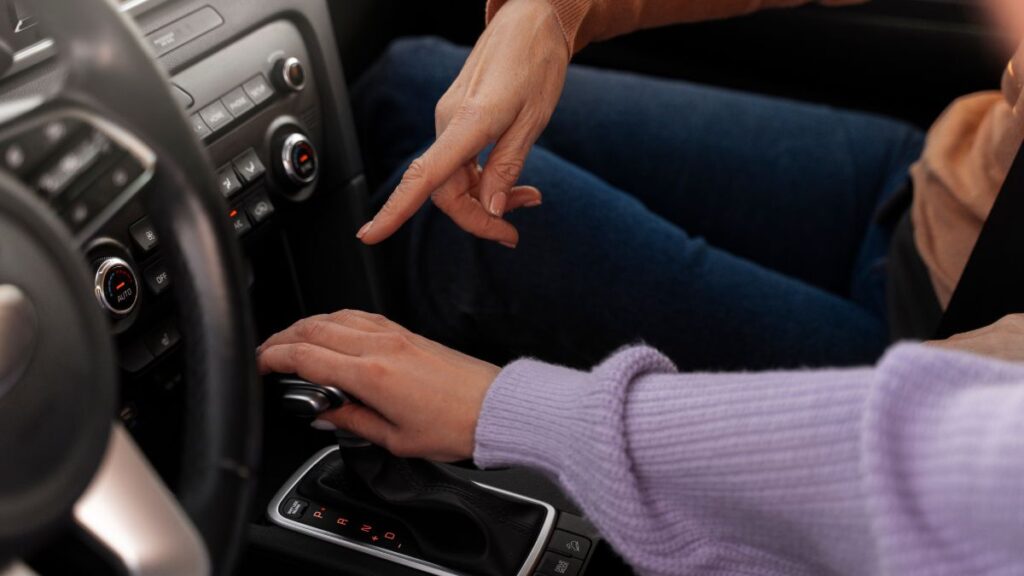
Driving a manual transmission car is a dying art in some parts of the world, but for enthusiasts and practical drivers alike, it remains an essential skill. There is a unique connection between the driver and the machine when you are in total control of the gears. However, that connection can feel a little jerky when you are first learning. The most common hurdle for beginners isn’t starting the car—it’s the transition from first to second gear.
In this comprehensive guide, we will dive deep into the mechanics and techniques required for smooth shifting. We will focus heavily on the specific action of switching 2nd, exploring why this specific gear change causes so many headaches and how you can master it like a pro. Whether you are a teenager getting your first license or an adult looking to learn a new skill, this guide is for you.
Key Takeaways:
- Understanding why the transition to second gear is often the roughest.
- Learning the correct RPM range for switching 2nd.
- Tips for avoiding gear grinding and engine stalling.
- How to maintain your transmission for longevity.
The Mechanics Behind Manual Transmissions
To understand why shifting gears can be tricky, we first need to look at what is happening under the hood. A manual transmission is a complex system of gears that transfers power from the engine to the wheels. Unlike an automatic car, which decides when to shift for you, a manual requires you to physically disconnect the engine from the wheels using the clutch pedal.
When you press the clutch, you are interrupting the flow of power. This allows you to move the gear stick from one position to another. The gears inside the transmission are spinning at different speeds. Synchronizers (or synchros) help match these speeds so the gears can mesh together without grinding. Understanding this mechanical dance is crucial for mastering the timing of switching 2nd smoothly.
Why Switching 2nd is the Hardest Shift for Beginners
Ask any driving instructor, and they will tell you the same thing: the shift from first to second gear is where students struggle the most. First gear is designed solely to get the heavy metal box of your car moving from a standstill. It has a lot of torque but very little speed range. Second gear, however, is a driving gear. It is meant for gaining speed.
The gap in “gear ratios” between first and second is usually the widest in the entire transmission. This means the engine speed (RPM) has to drop significantly more when switching 2nd than it does when shifting into third or fourth. If you rush this shift, the car jerks because the engine speed hasn’t dropped enough. If you wait too long, the car slows down too much, and you lurch forward. Finding that “Goldilocks” zone is the key to comfort.
Perfecting Your Timing on the Road
Timing is everything. You can’t just memorize a specific speed because every car is different. A small Honda Civic will require different timing than a Ford Mustang. Generally, you want to listen to the engine. When the engine starts to sound a bit loud or “whiny,” it is usually telling you it is ready for the next gear.
For most passenger cars, you will look at the tachometer (the dial that shows RPMs). Usually, between 2,500 and 3,000 RPM is the sweet spot for switching 2nd. If you shift too early (short-shifting), the engine might struggle and vibrate (lug). If you shift too late, you are wasting fuel and making the ride uncomfortable for your passengers.
Step-by-Step: The Physical Motion
Let’s break down the physical action. It sounds simple, but muscle memory takes time to build.
- Accelerate in First: Smoothly bring the car up to about 10-15 mph.
- Clutch In, Gas Off: Simultaneously press the clutch pedal all the way to the floor and lift your right foot off the accelerator.
- The Shift: Move the gear stick from the top-left position (1st) straight down to the bottom-left position (2nd).
- The Pause: This is the secret. Pause for a split second in neutral or just before engaging second gear to let the RPMs drop.
- Clutch Out, Gas On: Slowly release the clutch while gently applying the gas.
By focusing on that slight pause, you allow the heavy internal parts of the transmission to slow down, making switching 2nd feel like butter.
Common Mistakes When Learning to Shift
We have all been there. You are at a traffic light, the light turns green, and panic sets in. Here are the most common errors beginners make during this critical transition:
- Rushing the Gear Stick: Yanking the stick down too fast can beat the synchronizers, resulting in a terrible grinding noise.
- Dumping the Clutch: Releasing the clutch pedal too instantly causes the car to buck like a bronco.
- Holding the Gear Stick Too Tight: This is known as the “death grip.” You don’t need to strangle the gear stick. Use an open palm to guide it gently.
- Looking at the Gear Stick: Keep your eyes on the road! You need to learn where the gears are by feel, not by sight.
Troubleshooting: Why is My Car Jerking?
If your head is bobbing back and forth every time you change gears, something is off with your technique. The jerk usually happens because of a mismatch in speed. When switching 2nd, the engine speed needs to match the transmission speed.
If the car jerks forward (you feel thrown into your seat belt), you released the clutch too late, and the engine RPMs dropped too low. The wheels effectively had to speed the engine up.
If the car jerks backward (you feel pressed into the seat), you likely released the clutch too early while the RPMs were still too high. The engine forced the wheels to speed up abruptly.
The Role of RPMs (Revolutions Per Minute)
Your tachometer is your best friend when learning. While experienced drivers go by sound and feel, beginners should glance at the RPMs. As mentioned earlier, the drop in RPMs is significant when switching 2nd.
|
Gear Change |
Typical RPM Drop |
Difficulty Level |
|---|---|---|
|
1st to 2nd |
1000 – 1500 RPM |
High |
|
2nd to 3rd |
800 – 1000 RPM |
Medium |
|
3rd to 4th |
500 – 800 RPM |
Low |
|
4th to 5th |
< 500 RPM |
Very Low |
Table: Average RPM drops during upshifts in a standard passenger vehicle.
This table illustrates why switching 2nd requires more patience. You have to wait longer for that 1500 RPM drop than you do for the 500 RPM drop into 5th gear.
Dealing with Hills and Inclines
Hills add a layer of complexity to manual driving. Gravity is working against you. When you are going uphill, your car loses speed much faster the moment you press the clutch. This means you cannot afford that “polite pause” we discussed earlier.
When driving uphill, you need to rev the engine slightly higher in first gear—perhaps to 3,500 or 4,000 RPM—before switching 2nd. This extra momentum ensures that by the time you complete the shift, the car hasn’t slowed down too much, and the engine is still in its power band to keep climbing the hill.
Advanced Techniques: Rev Matching
Once you have mastered the basics, you might hear about “rev matching.” This is primarily used when downshifting (going from a higher gear to a lower one), but the concept helps understand transmission mechanics.
When you are slowing down and switching 2nd from 3rd gear (for a tight turn, for example), you need to “blip” the throttle. This means giving the gas pedal a quick tap while the clutch is down. This raises the engine RPMs to match the lower gear, ensuring a seamless transition. While not strictly necessary for daily driving, it saves wear on your clutch and makes for a smoother ride.
Safety Considerations in Heavy Traffic
Driving a stick shift in stop-and-go traffic can be tiring. This is where your left leg gets a workout. The constant cycle of first-neutral-first or first-second-first requires concentration.
When in heavy traffic, avoid the temptation to ride the clutch (keeping your foot resting on the pedal). This wears out the throw-out bearing. Instead, leave plenty of space in front of you so you can coast in first gear without constantly switching 2nd and stopping again. It’s safer and better for your car.
How Weather Conditions Affect Shifting
Believe it or not, cold weather affects your transmission fluid. On a freezing winter morning, the oil inside your gearbox is thick and sluggish. You might find that switching 2nd feels stiff or resistant until the car warms up.
During these cold starts, be extra gentle. Do not force the gear stick. Give the synchros a little extra time to do their job. Once the transmission fluid warms up and thins out, the shifts will return to their normal, smooth feel.
Maintenance Tips for Your Gearbox
A manual transmission is generally robust, but it isn’t invincible. Regular maintenance is key to keeping that shift into second gear smooth.
- Change Transmission Fluid: Check your owner’s manual. Most manufacturers recommend changing this fluid every 30,000 to 60,000 miles. Old fluid loses its ability to lubricate, making shifts notchy.
- Check Clutch Fluid: Most modern cars use a hydraulic clutch. If the fluid is low or dirty, engaging gears becomes difficult.
- Listen for Noises: If you hear a crunch every time you are switching 2nd, your synchronizer ring for that gear might be worn out. This is a mechanic’s job to fix.
Is “Switching 2nd” Relevant to Other Fields?
While we have focused on cars, the concept of a secondary switch or position applies elsewhere. For instance, in home wiring, you might encounter a scenario involving a 3-way switch setup where you are essentially switching 2nd locations for a light control. Or perhaps in sports, a coach is “switching 2nd” basemen.
However, the principles of transition remain the same. Whether you are dealing with mechanical gears or electrical circuits, ensuring a smooth transition from the primary state to the secondary state is vital for system stability. For more insights on technology and lifestyle transitions, you can visit resourceful sites like Forbes Planet. They often cover a wide array of topics that help you navigate modern complexities.
Improving Your Driving Habits
Bad habits are hard to break. If you have been driving for years and still dread switching 2nd, it is time to reset your muscle memory. Go to an empty parking lot. Practice starting and shifting into second, then stopping. Do this repeatedly.
Focus on your feet. Are you pivoting your heel or lifting your whole leg? Generally, lifting the leg allows for more precise control of the clutch pedal. Wear thin-soled shoes so you can feel the pedal feedback better.
Frequently Asked Questions (FAQ)
Q: Why does my car grind only when switching 2nd?
A: The synchronizer for 2nd gear wears out the fastest because it is the most frequently used shift under high stress. If it grinds, your synchro might be failing, or you are shifting too fast for the cold fluid.
Q: Can I skip gears, like going from 1st to 3rd?
A: Yes, you can, but it requires the engine to work harder. It is generally better to go through the gears sequentially to keep the engine in its optimal power band.
Q: Is it bad to rest my hand on the gear stick?
A: Yes! Even the slight weight of your hand can push the shift forks against the spinning collar, causing premature wear. Keep both hands on the wheel after you finish switching 2nd.
Q: At what speed should I switch to second gear?
A: It varies by car, but typically between 10 mph and 15 mph is standard for most passenger vehicles.
Conclusion
Mastering the manual transmission is a journey of coordination and patience. While the action of switching 2nd gear presents the biggest challenge for new drivers, it is also the most rewarding to get right. That feeling when you slide the stick down, release the clutch, and the car continues to accelerate without a single bump or jerk is pure satisfaction.
Remember to respect the mechanics of your vehicle. Give the transmission time to synchronize, listen to your engine rather than just staring at the gauges, and practice smooth inputs with your hands and feet. With time and practice, switching 2nd will become second nature, and you will wonder why you ever found it difficult in the first place. Safe driving
Stay Informed With the Latest & Most Important News
Previous Post
Next Post









Advertisement