

Now Reading: Mary Janes: The Timeless Shoe That Never Goes Out of Style
-
01
Mary Janes: The Timeless Shoe That Never Goes Out of Style


Mary Janes have a unique place in the world of footwear. With their classic closed toe, low heel, and signature strap across the instep, they are instantly recognizable. These shoes have graced the feet of everyone from schoolchildren to high-fashion models, proving their enduring appeal across generations.
But what is it about this simple design that has captured hearts for over a century? This article will walk you through the history, evolution, and lasting legacy of the iconic Mary Janes shoe. We will explore how they transitioned from a child’s sensible shoe to a symbol of rebellion, high fashion, and timeless style. Get ready to rediscover why Mary Janes are more than just a pair of shoes; they are a piece of cultural history.
Key Takeaways
- A Storied History: Mary Janes originated from a comic strip character in the early 1900s and were initially popular as children’s footwear for both boys and girls.
- Cultural Significance: Over the decades, the shoe has been adopted by various subcultures, from 1920s flappers and 1960s mods to 1990s grunge and modern high-fashion circles.
- Versatile Style: The classic design has been endlessly reinterpreted, with variations in heel height, strap configuration, material, and color, making it adaptable to countless personal styles.
- Enduring Popularity: Despite changing fashion trends, Mary Janes have remained a consistent presence, celebrated for their blend of comfort, practicality, and chic aesthetic.
The Origin Story: Where Did Mary Janes Come From?
The tale of the Mary Janes shoe begins not in a designer’s studio, but on the pages of a comic strip. In 1902, the Brown Shoe Company, a prominent American footwear manufacturer, sought a clever way to advertise its new line of children’s shoes. They found their inspiration in the popular comic strip Buster Brown, created by Richard F. Outcault. The strip featured the mischievous Buster and his sweet-natured sister, Mary Jane. Both characters wore the same style of buckled-strap shoes.
The company’s marketing move was brilliant. They acquired the rights to use the characters for their advertising campaign. They even hired actors to portray Buster Brown and his dog, Tige, at the 1904 St. Louis World’s Fair, creating a nationwide sensation. The shoes were officially named after the character, and the name “Mary Janes” stuck. Initially, they were designed for children, worn by both boys and girls for their sturdy construction and secure fit, which was perfect for active play. The simple, functional design quickly became a staple in children’s wardrobes across America and beyond.
From Playground to High Fashion: The Evolution of a Classic
While Mary Janes started as footwear for children, their journey into adult fashion is a fascinating story of reinvention. The shoe’s simple charm and practical design allowed it to be adopted and adapted by different generations and subcultures, each time taking on a new meaning.
The Roaring Twenties and the Flapper Era
The 1920s marked the first major transition for Mary Janes into adult fashion. The “flapper” girls of the Jazz Age rejected the restrictive styles of the Victorian era in favor of shorter hemlines, bobbed hair, and a more liberated lifestyle. They needed shoes that were suitable for dancing the Charleston all night long. The traditional Mary Janes, with their secure strap and modest heel, were the perfect choice. They were comfortable, stylish, and stayed on the feet during energetic dances. This era saw the shoes embellished with finer materials like satin and decorated with beads or embroidery, elevating them from a simple shoe to a fashionable accessory.
The Swinging Sixties and Mod Culture
The 1960s brought another resurgence for Mary Janes, this time in the heart of London’s “Swinging Sixties” mod scene. Supermodel Twiggy, known for her pixie cut and wide-eyed look, frequently wore flat, patent leather Mary Janes, pairing them with mini-skirts and colorful tights. This look defined a generation of youth who embraced a modern, streamlined aesthetic. The shoe’s innocent, child-like quality provided a stark contrast to the revolutionary fashion of the time, creating a look that was both sweet and subversive. The popularity of Mary Janes during this period cemented their status as a versatile fashion staple that could be both classic and cutting-edge.
The 90s Grunge and Punk Scene
Fast forward to the 1990s, and the Mary Janes shoe underwent another radical transformation. This time, it was embraced by the grunge and punk subcultures. Figures like Courtney Love of the band Hole famously wore scuffed-up, clunky versions of the shoe, often paired with babydoll dresses, ripped tights, and smeared lipstick. This “kinderwhore” aesthetic played with themes of innocence and rebellion. The sweet, traditional shoe was reappropriated as a symbol of defiance and angst. This era introduced chunkier soles, thicker straps, and more rugged materials, giving the classic Mary Janes a harder, edgier look that resonated with the counter-culture movement of the decade.
The Defining Features of Mary Janes
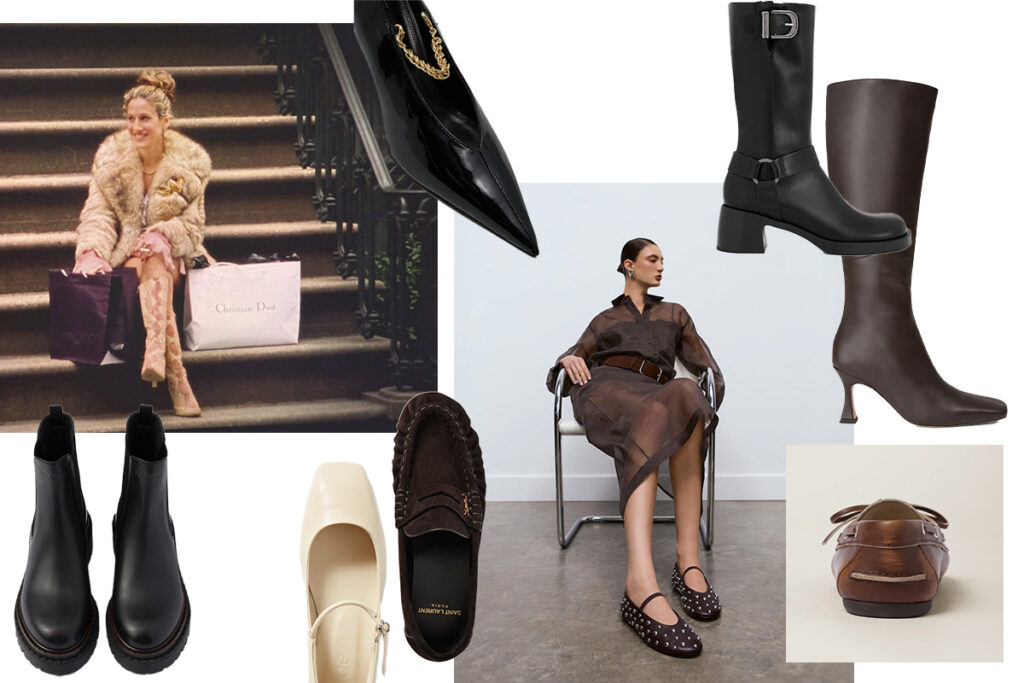
What exactly makes a shoe a “Mary Jane”? While the style has seen countless variations, a few core features define this iconic footwear. Understanding these elements helps explain their timeless appeal and adaptability.
The Signature Strap
The most defining characteristic of Mary Janes is the single strap that fastens across the instep (the top part of the foot). This strap is what sets it apart from other shoe styles like pumps or loafers. Traditionally, it fastens with a buckle, but modern versions may use buttons, Velcro, or elastic. This strap is not just a decorative element; it provides security and support, ensuring the shoe stays firmly on the foot. This practical feature is a large part of why they were originally designed for active children and later adopted by dancers. The placement and thickness of the strap can vary, creating different looks.
The Toe and Heel
Classic Mary Janes feature a rounded, closed toe box. This contributes to their comfortable, practical feel and gives them a somewhat innocent, doll-like appearance. While the rounded toe is traditional, designers have experimented with pointed, square, and almond-shaped toes to give the style a more contemporary or sophisticated edge.
The heel height is another variable feature.
- Flats: The original Mary Janes were flat or had a very low, block heel. This style remains popular for its comfort and casual appeal.
- Mid-Heels: A modest block or kitten heel offers a bit of height while maintaining comfort, making them suitable for work or everyday wear.
- Platforms and High Heels: Modern fashion has introduced high-heeled and platform Mary Janes, which blend the classic strap design with a more dramatic, fashion-forward silhouette. These are often seen on runways and in high-fashion contexts.
How to Style Mary Janes in the Modern Wardrobe
The versatility of Mary Janes is one of their greatest strengths. Whether your personal style is classic, edgy, preppy, or minimalist, there’s a way to incorporate this timeless shoe into your look.
For a Casual, Everyday Look
For a relaxed and comfortable outfit, you can’t go wrong with a pair of flat leather or canvas Mary Janes. They pair perfectly with cropped jeans or straight-leg trousers, creating a chic, slightly retro vibe. Try them with a simple t-shirt and a cardigan for an effortless weekend look. In warmer weather, they look great with shorts or a casual sundress. Adding a pair of socks—whether ankle-length or knee-high—can add a playful, preppy touch that nods to the shoe’s schoolgirl origins.
For the Office or Professional Settings
Mary Janes can be a wonderful alternative to standard pumps or loafers for the workplace. A pair with a low to medium block heel in a neutral color like black, navy, or nude is both professional and stylish. They provide more support and comfort than many other dress shoes, which is a bonus for long days on your feet. Pair them with tailored trousers, a pencil skirt, or a structured dress for a polished and sophisticated look. For a more creative office environment, you could even experiment with a pair in a bold color like red or a rich texture like velvet. Some sources like those found on https://forbesplanet.co.uk/ often highlight how classic pieces can be modernized for professional wear.
For a Dressy or Formal Occasion
Believe it or not, Mary Janes can be dressed up for parties, weddings, and other formal events. Look for styles made from luxurious materials like satin, velvet, or patent leather. Embellishments such as jewels, bows, or intricate buckles can elevate the shoe and make it feel more special. A high-heeled or platform Mary Jane can add glamour and sophistication to a cocktail dress or an elegant gown. The strap provides extra stability, making them a more comfortable option for a long night of dancing compared to traditional stilettos.
Comparing Mary Jane Styles
With so many variations available today, choosing the right pair of Mary Janes can feel overwhelming. The table below breaks down some popular styles and their best uses.
|
Style Type |
Heel Height |
Common Materials |
Best For |
|---|---|---|---|
|
Classic Flat |
Flat or < 1 inch |
Leather, Canvas |
Everyday wear, casual outfits, travel |
|
Heeled |
1-3 inches |
Patent Leather, Suede |
Office wear, semi-formal events |
|
Platform |
2-5 inches |
Leather, Faux Leather |
Fashion-forward looks, parties, nights out |
|
T-Strap |
Varies |
Leather, Satin |
Vintage-inspired outfits, dancing |
|
Multi-Strap |
Varies |
Leather, Patent Leather |
Edgy and modern styles, adding detail |
This comparison highlights how a simple change in heel height or strap configuration can completely alter the character of the Mary Janes shoe, making it suitable for a wide array of occasions and personal tastes.
Mary Janes in Pop Culture
The presence of Mary Janes in film, television, and music has been instrumental in securing their iconic status. Whenever they appear on screen, they often carry symbolic weight, representing innocence, nostalgia, or a character’s specific personality.
In Lewis Carroll’s Alice’s Adventures in Wonderland, the titular character is almost always depicted wearing a pair of classic black Mary Janes with her blue dress. This imagery has become so iconic that the shoes are synonymous with childhood curiosity and fantasy. Similarly, Dorothy from The Wizard of Oz wears magical slippers, but in many early illustrations and adaptations, her shoes resemble sparkling red Mary Janes.
On television, characters like Blair Waldorf in Gossip Girl frequently wore heeled and preppy-style Mary Janes, cementing them as a staple of the “Upper East Side” aesthetic. In contrast, the character of Wednesday Addams is famous for her gothic take on the shoe, pairing black Mary Janes with black socks and a black dress, a look that has been emulated for decades. These appearances in pop culture continuously reintroduce the shoe to new generations, each time with a fresh context.
Conclusion
From a simple comic strip illustration to a global fashion phenomenon, the journey of the Mary Janes shoe is a testament to the power of timeless design. Its ability to adapt and be reinterpreted by each new generation is remarkable. Whether they are seen as a symbol of childhood innocence, 1920s liberation, 60s mod cool, or 90s rebellion, Mary Janes have proven to be much more than just a shoe. They are a cultural artifact, a canvas for self-expression, and a comfortable, stylish companion. As fashion continues to evolve, one thing is certain: the classic, strap-adorned silhouette of the Mary Jane will continue to walk its way through the decades, forever securing its place as an icon of style.
Frequently Asked Questions (FAQ)
Q1: Are Mary Janes still in style in 2025?
Absolutely! Mary Janes are a timeless style that regularly cycles back into high fashion. In recent years, designers on major runways have reintroduced the style in both classic and updated forms, including chunky platforms and delicate, heeled versions. They are considered a classic staple that can be worn regardless of fleeting trends.
Q2: Can adults wear Mary Jane shoes?
Yes, of course! While they originated as children’s shoes, Mary Janes have been a staple of adult fashion for over a century. With a vast range of styles available, from flat and casual to high-heeled and formal, there is a pair of Mary Janes suitable for every age and occasion.
Q3: What is the difference between a Mary Jane and a T-strap shoe?
The main difference lies in the strap configuration. A classic Mary Janes shoe has a single strap that goes directly across the instep. A T-strap shoe has that same strap, but it is connected to another strap that runs vertically down the center of the foot, forming a “T” shape. Both styles offer a vintage feel and a secure fit.
Q4: How do I make Mary Janes comfortable?
Mary Janes are generally known for being comfortable, but to ensure the best fit, look for pairs made from soft, flexible materials like genuine leather that will mold to your foot. Ensure the strap is not too tight, and choose a heel height you are comfortable with. Adding an insole can provide extra cushioning and support for all-day wear.
Q5: What kind of socks should I wear with Mary Janes?
This is a matter of personal style! For a classic, schoolgirl look, try them with white ankle or knee-high socks. For a more modern or edgy feel, you could pair them with sheer, patterned, or fishnet socks. Of course, wearing them with no-show socks or no socks at all is also a perfectly stylish option, especially in warmer weather.
Stay Informed With the Latest & Most Important News
Previous Post
Next Post









Advertisement