

Now Reading: La Palma: The Beautiful Island of Stars and Volcanoes
-
01
La Palma: The Beautiful Island of Stars and Volcanoes

Welcome to a journey to one of the most stunning and unique islands in the Atlantic Ocean! We’re talking about La Palma, a gem in Spain’s Canary Islands. Often called “La Isla Bonita” (The Beautiful Island), it’s a place of dramatic contrasts, from lush green forests to stark volcanic landscapes. It’s a destination that offers adventure, relaxation, and some of the clearest night skies on Earth. Whether you’re a nature lover, a hiker, a stargazer, or just someone looking for a peaceful escape, this island has something special for you. This guide will walk you through everything that makes La Palma an unforgettable destination, from its volcanic heart to its charming towns and incredible natural beauty.
Key Takeaways
- A Hiker’s Paradise: La Palma is renowned for its extensive network of hiking trails that wind through diverse landscapes, including ancient forests and volcanic craters.
- Stargazing Capital: Due to its clear skies and protected environment, the island is one of the world’s best locations for astronomy, home to major international observatories.
- Volcanic Wonders: The island’s landscape is shaped by volcanic activity, most recently the 2021 eruption, offering a unique look at the power of nature.
- Rich Culture and History: Discover charming colonial towns, traditional festivals, and a unique island culture influenced by centuries of history.
- Sustainable Tourism: La Palma is a UNESCO Biosphere Reserve, focusing on preserving its natural beauty and promoting responsible travel.
Getting to Know La Palma
La Palma is one of the seven main Canary Islands, a Spanish archipelago located off the northwestern coast of Africa. It’s not as famous as its neighbors Tenerife or Gran Canaria, and that’s a big part of its charm. The island has managed to avoid mass tourism, preserving its authentic character and pristine environment. Its entire territory has been designated a UNESCO Biosphere Reserve since 2002, a testament to its commitment to sustainability and conservation.
The island’s landscape is incredibly diverse for its size. In a single day, you can travel from sunny black sand beaches on the coast, up through dense, prehistoric-feeling laurel forests, and into the high-altitude, rocky world of its volcanic peaks. The capital city, Santa Cruz de La Palma, is a picturesque port with well-preserved colonial architecture, while smaller towns and villages dot the dramatic coastline and lush hillsides. It’s this combination of raw nature and quiet, historic charm that makes La Palma so captivating.
The Geography of a Volcanic Island
The geography of La Palma is defined by its volcanic origins. The island is essentially a massive volcanic cone rising over 6,500 meters (21,325 feet) from the ocean floor, with its highest point, Roque de los Muchachos, reaching 2,426 meters (7,959 feet) above sea level. This dramatic topography creates a wide range of microclimates, which is why the scenery can change so drastically from one part of the island to another.
The northern part of La Palma is generally older, greener, and wetter, thanks to the trade winds that bring moisture-laden clouds. This is where you’ll find the lush laurel forests. The southern part of the island is younger, drier, and more volcanically active. The Cumbre Vieja ridge, a chain of volcanic craters, runs down the southern half of the island and is a constant reminder of the powerful geological forces at play. This unique geography not only creates stunning landscapes but also supports a rich diversity of plant and animal life, much of which is unique to the island.
The Volcanic Heart of La Palma
Volcanoes are the architects of La Palma. The island exists because of countless eruptions over millions of years that built it up from the seabed. This volcanic nature is visible everywhere, from the black sand on the beaches to the massive craters that dominate the skyline. Understanding this volcanic heart is key to appreciating the island’s raw power and beauty.
The most prominent volcanic feature is the Caldera de Taburiente, a massive erosion crater that forms a huge basin in the northern part of the island. It was once thought to be a single volcanic crater, but geologists now understand it was formed by erosion and massive landslides. Today, it’s a national park and a paradise for hikers. In the south, the Cumbre Vieja volcanic ridge is a younger and more active area. This ridge has been the site of all the historical eruptions on La Palma, including the most recent one in 2021.
The 2021 Cumbre Vieja Eruption
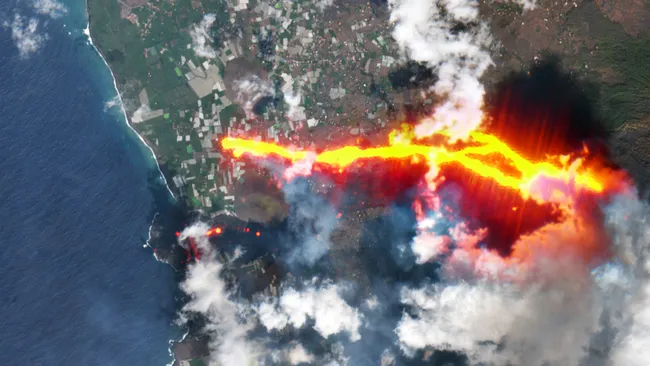
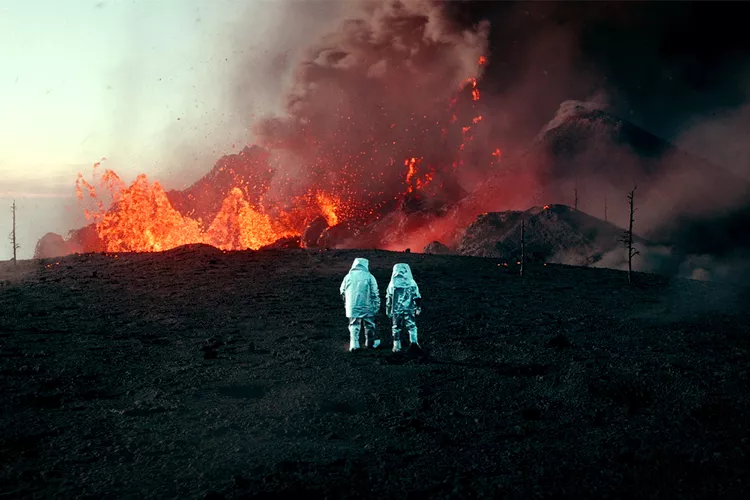
In September 2021, the world turned its attention to La Palma as a new volcano, now officially named Tajogaite, erupted on the Cumbre Vieja ridge. For 85 days, lava flows, ash clouds, and seismic activity dramatically altered the landscape. The eruption was a powerful and destructive event, destroying thousands of homes and creating a new peninsula of land, or fajana, as lava poured into the Atlantic Ocean.
While devastating for many residents, the eruption also provided a rare opportunity for scientists to study volcanic processes in real-time. Today, the area is slowly recovering. The newly formed lava fields, still cooling in some places, stand as a stark and powerful monument to nature’s force. For visitors, the post-eruption landscape offers a unique and humbling experience, a chance to witness the beginning of a new chapter in the island’s geological story. Visiting the affected areas (safely and with respect) provides a profound perspective on the resilience of both nature and the local community.
A Paradise for Hikers and Nature Lovers
If you love the outdoors, La Palma is a dream destination. The island is crisscrossed by over 1,000 kilometers (620 miles) of well-marked trails, known as senderos. These paths take you through an astonishing variety of landscapes, making it one of Europe’s premier hiking spots.
You can walk along coastal paths with breathtaking ocean views, trek through ancient, misty laurel forests that feel like a scene from Jurassic Park, or challenge yourself with high-altitude hikes across volcanic ridges. The island’s trail network is incredibly well-organized, with routes for all fitness levels, from gentle strolls to strenuous multi-day treks. The GR 130 and GR 131 are two long-distance trails that offer the ultimate La Palma hiking experience, with one circumnavigating the island and the other traversing its volcanic spine.
Must-Do Hikes on La Palma
Caldera de Taburiente National Park
This is the crown jewel of hiking on La Palma. The park is centered around the immense Caldera de Taburiente, a crater nearly 8 kilometers (5 miles) in diameter with walls towering up to 2,000 meters (6,560 feet). The main trail takes you down into the heart of the caldera, following a riverbed past waterfalls and pools perfect for a refreshing dip. The park is a sanctuary for the Canary Island pine tree, which has an incredible ability to resist fire. Hiking here is a full-day commitment but rewards you with some of the most spectacular scenery in the Canary Islands.
The Route of the Volcanoes (Ruta de los Volcanes)
This famous trail follows the crest of the Cumbre Vieja ridge in the south. It’s a challenging high-altitude hike that takes you across a chain of volcanic craters, offering panoramic views of both sides of the island. The landscape is otherworldly, with black volcanic soil, vibrant green pine trees, and the deep blue ocean stretching out below. This route is part of the larger GR 131 trail and gives you a real sense of walking on the island’s dynamic, volcanic spine.
The Forests of Los Tilos
For a completely different experience, head to the northeast of La Palma and the forest of Los Tilos. This is one of the most important laurel forests in the archipelago, a remnant of the subtropical forests that covered much of Europe millions of years ago. Walking here feels like stepping back in time. The air is cool and damp, and the dense canopy of trees creates a magical, green-tinged light. There are several trails, including an easy one that leads to a beautiful waterfall, making it accessible for everyone.
The Island of Stars: Stargazing on La Palma
La Palma isn’t just beautiful by day; it’s spectacular by night. The island is world-renowned for the quality of its night sky. This is due to a combination of high altitude, clear, stable air, and minimal light pollution. The island takes this natural advantage seriously, with a “Sky Law” that regulates lighting to protect the darkness.
This has made La Palma a top destination for both professional astronomers and amateur stargazers. The sky is so clear that the Milky Way can be seen with astonishing detail, and constellations pop out with incredible clarity. Several companies offer guided stargazing tours, where you can use powerful telescopes to explore distant galaxies, nebulae, and planets. It’s a magical experience that connects you to the cosmos in a profound way. It’s no wonder that a number of outlets, from scientific journals to publications like those found on https://forbesplanet.co.uk/, often highlight the island’s unique astronomical conditions.
Roque de los Muchachos Observatory
Perched at the highest point of the island, the Roque de los Muchachos Observatory is one of the most important astronomical observatories in the Northern Hemisphere. It’s home to a collection of massive telescopes operated by various European countries. The site was chosen for its pristine atmospheric conditions, which allow for exceptionally sharp and clear images of the universe.
While the observatory is a professional research facility, visitors can sometimes arrange guided tours during the day to learn about the telescopes and the groundbreaking science being conducted there. Even if you can’t tour a telescope, driving up to the viewpoint near the observatory is an adventure in itself. At 2,426 meters, you are literally above the clouds, and the views over the Caldera de Taburiente and across the ocean are absolutely breathtaking.
|
Feature |
Description |
Importance |
|---|---|---|
|
Altitude |
2,426 meters (7,959 ft) |
Above most clouds and atmospheric distortion. |
|
Clear Skies |
Protected by the “Sky Law” |
Minimizes light pollution for darker nights. |
|
Location |
Atlantic Ocean |
Stable air currents (laminar flow) reduce “twinkling.” |
|
Major Telescopes |
Gran Telescopio Canarias (GTC) |
One of the world’s largest optical telescopes. |
Charming Towns and Rich Culture
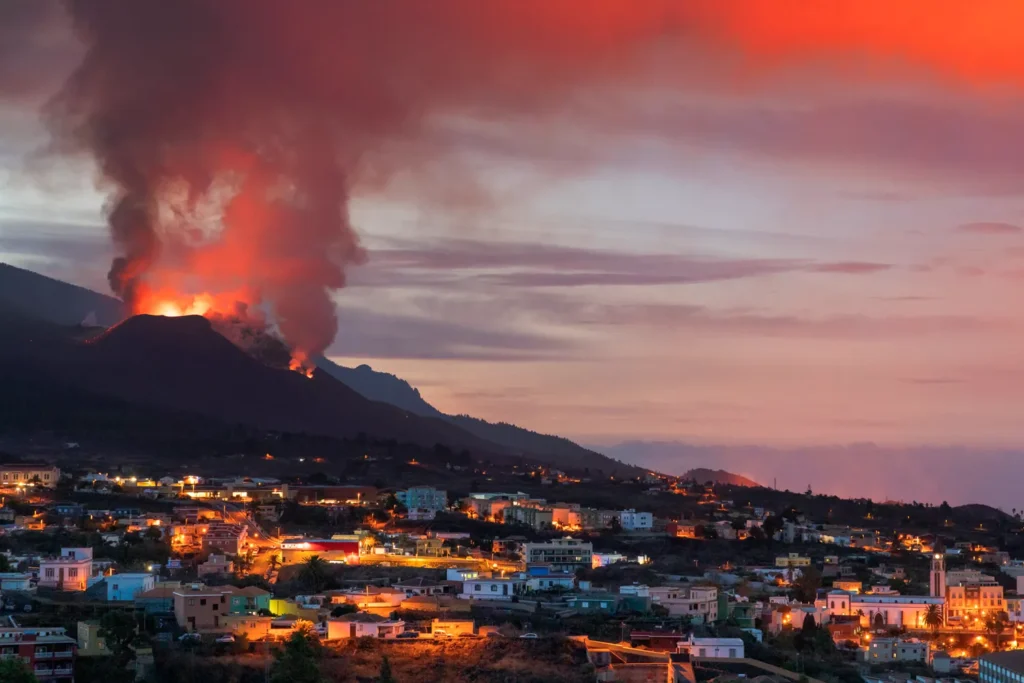
Beyond its natural wonders, La Palma has a rich cultural side. Its towns and villages are full of history and charm, with traditional Canarian architecture featuring colorful buildings and intricately carved wooden balconies.
Santa Cruz de La Palma
The island’s capital is a beautiful port city that feels like a step back in time. Its main street, Calle O’Daly, is lined with Renaissance-era buildings. The Avenida Marítima is famous for its row of traditional houses with stunning wooden balconies overlooking the ocean. The city is a joy to explore on foot, with hidden plazas, old churches, and a replica of Columbus’s ship, the Santa María, which houses the Naval Museum. It’s a peaceful and picturesque capital, perfect for a leisurely afternoon of exploration.
The Black Sand Beaches
La Palma is a volcanic island, and its beaches reflect that. Instead of golden sand, you’ll find striking black sand beaches, created from eroded volcanic rock. These beaches have a unique beauty and are often less crowded than those on other islands.
- Puerto Naos: Located on the sunny west coast, this is one of the largest and most popular beaches, with a lively promenade and plenty of amenities.
- Charco Verde: A small, sheltered cove just south of Puerto Naos, known for its calm waters and therapeutic mud.
- Playa de Nogales: A wild and dramatic beach on the northeast coast, backed by towering cliffs. It’s a favorite spot for surfers but requires caution due to strong currents.
- Echentive Beach: This beach was newly formed during the 1971 Teneguía eruption. It features natural thermal pools, or charcos, where volcanically heated water mixes with the sea.
FAQ: Your Questions About La Palma Answered
1. When is the best time to visit La Palma?
La Palma is a year-round destination thanks to its mild climate. Spring (April-June) and autumn (September-October) are often considered ideal, with pleasant temperatures perfect for hiking. Summer is warmer and sunnier, especially on the coasts, while winter can be cooler and wetter, particularly in the north and at higher altitudes.
2. Is La Palma safe to visit after the 2021 eruption?
Yes, it is completely safe. The volcanic activity has ceased, and the island has returned to normal. The newly formed volcanic area is a point of interest, but all tourist areas, towns, and infrastructure are operating as usual.
3. Do I need to rent a car?
Renting a car is highly recommended. While there is a public bus system (guaguas), having your own vehicle gives you the freedom and flexibility to explore the island’s remote trails, viewpoints, and villages at your own pace. The roads are winding but well-maintained.
4. What should I pack for a trip to La Palma?
Layers are key! You’ll need light clothing for the sunny coasts (swimsuit, shorts, t-shirts), but also warmer layers (fleece, jacket) for the mountains, where it can get chilly, even in summer. Sturdy hiking shoes are a must. Don’t forget sunscreen, a hat, and sunglasses, as the sun is strong.
5. What is the local food like?
Canarian cuisine is simple, fresh, and delicious. Be sure to try papas arrugadas (wrinkly potatoes) with mojo sauces (red and green pepper sauces). Fresh fish is abundant, as is goat cheese. For a sweet treat, try bienmesabe, a sweet almond cream.
Conclusion: Why La Palma Should Be Your Next Adventure
La Palma is an island that truly touches the soul. It offers a rare combination of dramatic natural beauty, authentic culture, and a peaceful atmosphere that is hard to find. It’s a place where you can hike through landscapes that feel prehistoric, gaze into the depths of the universe from a mountaintop, and relax on a unique black sand beach, all in one trip. The island’s commitment to preserving its environment makes a visit here feel meaningful and responsible.
Whether you come for the epic hikes, the world-class stargazing, or simply to unwind in a beautiful and tranquil setting, La Palma delivers an unforgettable experience. It’s an island that invites you to slow down, connect with nature, and appreciate the powerful and beautiful world we live in. This Isla Bonita is waiting to be explored.
Related Posts



Stay Informed With the Latest & Most Important News
Previous Post
Next Post










Advertisement