

Now Reading: Koriandri: Your Ultimate Guide to This Versatile Herb
-
01
Koriandri: Your Ultimate Guide to This Versatile Herb


Have you ever tasted a dish so fresh and vibrant it made you wonder what magical ingredient was used? Chances are, you’ve experienced the unique flavor of koriandri. This incredible herb, known by different names around the world, is a staple in countless cuisines. It brings a bright, citrusy punch to everything from zesty salsas to rich, aromatic curries. But koriandri is so much more than just a garnish. It’s a plant where every part—from its delicate leaves and hardy stems to its earthy seeds and intricate roots—offers a world of culinary possibility.
This guide will take you on a journey to explore everything about koriandri. We will uncover its fascinating history, learn how to grow it in your own garden, and discover the amazing health benefits packed into this leafy green. Get ready to fall in love with the fresh, complex, and utterly delightful world of koriandri.
Key Takeaways
- Koriandri refers to the entire plant, Coriandrum sativum, with the leaves often called cilantro and the seeds called coriander.
- It is a fundamental ingredient in global cuisines, including Mexican, Indian, Thai, and Middle Eastern dishes.
- The plant is rich in vitamins (A, C, K), minerals, and antioxidants, offering numerous health benefits.
- Growing koriandri is relatively simple, as it can be cultivated in gardens or pots with well-drained soil and adequate sunlight.
- Proper storage is key to preserving its freshness; wrapping the stems in a damp paper towel and refrigerating is a popular method.
What Exactly is Koriandri?
When people talk about koriandri, they are referring to the plant Coriandrum sativum. What makes this herb particularly interesting is its dual personality in the kitchen. In many parts of the world, especially the Americas, the fresh leaves of the plant are known as “cilantro,” a name borrowed from Spanish. The dried seeds, on the other hand, are called “coriander.” However, in the UK and other regions, “coriander” is used to describe both the leaves and the seeds. To keep things simple and explore all its facets, we’ll use the term koriandri to encompass the entire plant.
This herb is a member of the Apiaceae family, which also includes parsley, carrots, and celery. It has a very distinct appearance, with bright green, feathery leaves that look a lot like flat-leaf parsley. This resemblance can sometimes cause confusion at the grocery store! The seeds are small, round, and light brown, possessing a completely different flavor profile from the leaves. While the leaves are citrusy and pungent, the seeds are warm, spicy, and nutty. This versatility is precisely why koriandri is celebrated in kitchens worldwide.
A Glimpse into the History of Koriandri
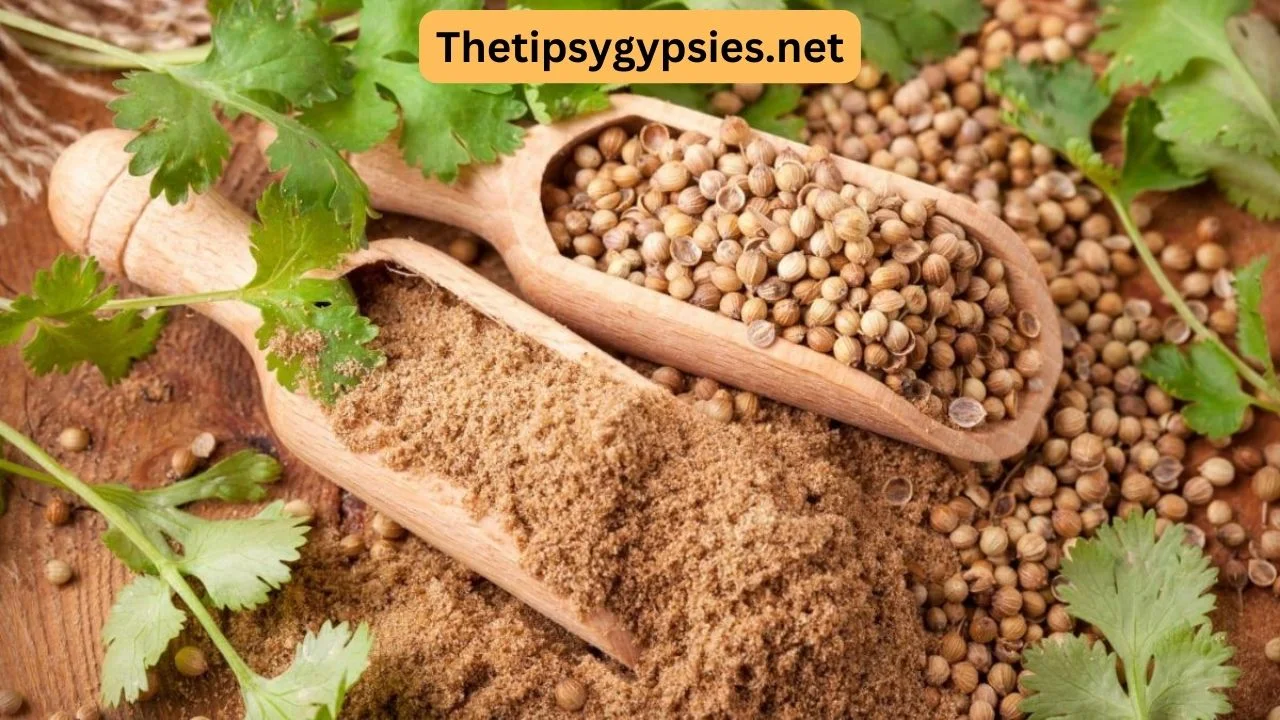
The story of koriandri is as rich and flavorful as the herb itself. Its use dates back thousands of years, with seeds discovered in ancient Egyptian tombs, including that of Tutankhamun, suggesting it was valued in the afterlife. Ancient texts, such as the Bible, mention it, and it was widely cultivated by the ancient Greeks and Romans. They used koriandri not only for its culinary properties but also for its medicinal benefits, believing it could aid digestion and serve as an aphrodisiac. They even used its pungent aroma in perfumes and its preservative qualities for meat.
From the Mediterranean, the herb traveled along ancient trade routes, making its way across Europe, into the Middle East, and eventually to Asia. Each culture that adopted koriandri integrated it into its unique culinary traditions. The Spanish and Portuguese explorers are credited with introducing it to Mexico and Peru in the 16th century, where it quickly became an indispensable part of Latin American cuisine. Its journey continued to North America, where it was among the first herbs cultivated by early colonists. This long and storied history has cemented koriandri as a truly global herb, cherished by civilizations for millennia.
The Unique Flavor Profile of Koriandri
The taste of koriandri is one of the most debated topics in the culinary world. For most people, the leaves (cilantro) have a bright, fresh, and slightly citrusy flavor with peppery undertones. It’s this distinct taste that lifts dishes like guacamole, salsa, and pho to another level. However, for a portion of the population, the experience is vastly different. Due to a specific genetic variation, some people perceive the taste of koriandri leaves as overwhelmingly soapy or metallic. This is caused by their sensitivity to certain aldehyde compounds present in the leaves, which are also byproducts of soap-making.
The seeds of the koriandri plant offer a completely different experience. When whole, they have a mild, earthy scent. But once they are toasted and ground, they release a wonderfully warm, spicy, and nutty aroma with hints of citrus and floral notes. This flavor is a cornerstone of many spice blends, including garam masala and curry powders. The roots of the koriandri plant are also edible and provide an even more intense and concentrated version of the leaves’ flavor. They are often pounded into a paste and used as a base for Thai curries and soups.
Nutritional Benefits: More Than Just Flavor
Beyond its ability to enhance food, koriandri is a powerhouse of nutrition. The fresh leaves are packed with an impressive array of vitamins and minerals. They are an excellent source of vitamin K, which is essential for blood clotting and bone health, and vitamin A, crucial for vision and immune function. The leaves also provide a significant amount of vitamin C, a powerful antioxidant that supports the immune system and skin health. This makes adding a sprinkle of fresh koriandri to your meal a simple and effective way to boost your nutrient intake.
The seeds of the koriandri plant also come with their own set of health benefits. They are a good source of dietary fiber, which aids digestion and promotes a healthy gut. Additionally, they contain important minerals like iron, magnesium, and manganese. Research has suggested that compounds in koriandri may have antioxidant, anti-inflammatory, and cholesterol-lowering properties. These qualities contribute to its long history of use in traditional medicine systems for treating various ailments, from digestive issues to anxiety.
How to Grow Koriandri in Your Own Garden
Growing your own koriandri is a rewarding experience that provides you with a fresh, continuous supply of this wonderful herb. It’s a relatively easy plant to cultivate, suitable for both beginner and experienced gardeners. You can grow it in a garden bed, a raised bed, or even in pots on a balcony or sunny windowsill.
Choosing the Right Conditions
Koriandri prefers a spot that receives full sun, but it can also tolerate partial shade, especially in hotter climates. In fact, some afternoon shade can prevent the plant from “bolting,” which is when it flowers and goes to seed prematurely, often due to heat stress. It thrives in well-drained soil with a neutral pH. Before planting, it’s a good idea to enrich the soil with some compost or other organic matter to provide the necessary nutrients for healthy growth. If you’re planting in a container, make sure it has drainage holes to prevent the roots from becoming waterlogged.
Planting and Germination
You can plant koriandri seeds directly into the garden or pot. It’s best to sow them about a quarter-inch deep and space them a few inches apart. For a continuous harvest of leaves, it’s recommended to practice succession planting—sow a new batch of seeds every 2 to 3 weeks. The seeds typically take about 7 to 14 days to germinate. Keep the soil consistently moist but not soggy during this period. Once the seedlings emerge and develop a few true leaves, you can thin them out to give each plant enough space to grow, usually about 6 to 8 inches apart.
Care and Maintenance
Water your koriandri plants regularly, ensuring the soil stays evenly moist. Avoid overwatering, as this can lead to root rot. Since you are growing the plant for its leaves, you want to encourage lush, leafy growth. One way to do this is by pinching off the tops of the main stems once the plant is about 6 inches tall. This encourages the plant to become bushier. Keep an eye out for pests like aphids. If you spot any, they can often be washed off with a strong spray of water or treated with an insecticidal soap.
Harvesting and Storing Koriandri for Maximum Freshness
Harvesting koriandri correctly ensures you get the most flavor and extends the life of your plant. You can start harvesting the leaves once the plant is about 4-6 inches tall.
How to Harvest the Leaves
For a continuous supply, use the “cut and come again” method. Snip the outer leaves from the base of the plant, leaving the inner leaves to continue growing. This allows the plant to keep producing new foliage for several weeks. Try not to take more than one-third of the plant at any one time to avoid stressing it. You can harvest individual leaves as needed or cut entire stems. For a larger harvest, you can cut the entire plant down to about an inch above the soil line, and it will often regrow for a second, smaller harvest.
Storing Fresh Koriandri
Fresh koriandri leaves are delicate and can wilt quickly if not stored properly. One of the best methods is to treat them like a bouquet of flowers. Place the bunch of koriandri, stems down, in a jar or glass with an inch of water. Cover the leaves loosely with a plastic bag and store it in the refrigerator. This can keep the leaves fresh for up to two weeks. Alternatively, you can wrap the stems in a damp paper towel, place the bunch in a zip-top bag, and refrigerate.
|
Storage Method |
Duration |
Best For |
|---|---|---|
|
Jar with Water (Fridge) |
Up to 2 weeks |
Keeping leaves crisp and fresh |
|
Damp Paper Towel (Fridge) |
7-10 days |
Simple, space-saving storage |
|
Freezing in Ice Cubes |
Up to 3 months |
Preserving for soups & stews |
|
Drying |
Up to 6 months |
Long-term (flavor changes) |
Harvesting the Seeds
If your goal is to harvest koriandri seeds (coriander), you need to let the plant bolt and flower. After the small, delicate white or pale pink flowers fade, small green seeds will form. Allow these seeds to mature and turn brown on the plant. Once they are dry, cut the entire seed head, place it in a paper bag, and hang it in a cool, dry place. The seeds will fall off as they dry completely. You can then store them in an airtight container for up to a year.
Koriandri in Global Cuisine
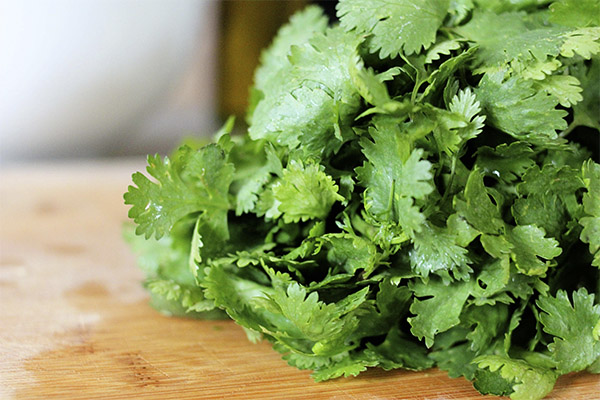
The versatility of koriandri is on full display in the vast number of cuisines that have embraced it. It’s a true culinary chameleon, able to adapt and enhance a wide range of dishes.
Latin American Cuisine
In Mexico and other parts of Latin America, fresh koriandri (cilantro) is essential. It’s the soul of fresh salsas like pico de gallo, a key component in guacamole, and a vibrant garnish for tacos, burritos, and soups like pozole. Its bright, zesty flavor cuts through rich and spicy foods, providing a perfect balance.
Asian Cuisine
Across Asia, koriandri plays a pivotal role. In Thai cooking, the roots, stems, and leaves are all used. The roots are pounded with garlic and peppercorns to create a fragrant paste that serves as the base for many curries and soups. In Vietnamese cuisine, fresh leaves are a staple herb in pho and bánh mì. Indian cuisine uses both the fresh leaves and the dried seeds extensively. Fresh koriandri garnishes almost every curry and dal, while ground coriander seed is a fundamental spice in countless masalas.
Middle Eastern and European Cuisine
In the Middle East, koriandri leaves are used in salads and sauces, while the seeds flavor meats and stews. In some parts of Europe, especially Portugal, the fresh leaves are popular in seafood dishes and soups. Its global reach is a testament to its appealing and adaptable flavor. Learning about its diverse applications can inspire new ideas in your own cooking, as discussed on sites like https://forbesplanet.co.uk/ which often explore global food trends.
The Science Behind the Soapy Taste
The “cilantro-soap” debate is a fascinating example of how genetics can influence our perception of taste. For the estimated 4-14% of the population who dislike koriandri, the herb has a pungent, soapy flavor. Scientific studies have traced this phenomenon to a group of olfactory receptor genes, specifically one called OR6A2. This gene is responsible for detecting the scent of aldehyde chemicals.
Aldehydes are organic compounds found in both koriandri leaves and as a byproduct of the soap-making process. People with the specific variation of the OR6A2 gene are highly sensitive to these aldehydes, causing their brains to interpret the flavor of koriandri as soapy. Interestingly, the prevalence of this genetic trait varies among different ethnic groups. It appears to be more common in people of East Asian, Caucasian, and African descent, and less common in populations where the herb is a culinary staple, such as those of Hispanic or Middle Eastern descent. This suggests that continuous cultural exposure might play a role in flavor preference over generations.
Conclusion
From ancient tombs to modern kitchens, koriandri has proven to be one of the world’s most beloved and versatile herbs. Its unique ability to provide two distinct flavors from a single plant—the fresh, citrusy leaves and the warm, spicy seeds—makes it an indispensable ingredient across a multitude of cultures. Beyond its culinary uses, koriandri is packed with nutrients that offer a range of health benefits, making it a valuable addition to any diet. Whether you are enjoying it in a vibrant salsa, a fragrant curry, or growing it in your own backyard, koriandri offers a world of flavor and history in every bite.
Its journey through time and across continents has woven it into the very fabric of global cuisine. The plant, Coriandrum sativum, is a testament to how a simple herb can connect different cultures and generations through the universal language of food. For a deeper dive into the botanical family and history of this fascinating plant, you can find more information on its Wikipedia page. Exploring the many facets of koriandri is a delicious adventure that can bring new life and excitement to your cooking.
Frequently Asked Questions (FAQ)
Q1: What is the difference between koriandri, cilantro, and coriander?
A1: They all come from the same plant, Coriandrum sativum. “Koriandri” is a general term for the plant. In the US, “cilantro” refers to the fresh leaves and stems, while “coriander” refers to the dried seeds. In many other parts of the world, like the UK, “coriander” is used for both the leaves and seeds.
Q2: Why does koriandri taste like soap to some people?
A2: This is due to a genetic variation. Some people have a specific olfactory receptor gene (OR6A2) that makes them highly sensitive to aldehyde compounds present in the leaves. Since these compounds are also found in soap, their brain perceives the taste as soapy.
Q3: Can I eat the stems and roots of the koriandri plant?
A3: Absolutely! The stems are full of flavor and are great chopped up and added to dishes along with the leaves. The roots have an even more intense flavor and are a key ingredient in many Thai curry pastes and soups.
Q4: How can I prevent my koriandri plant from bolting?
A4: Bolting (flowering prematurely) is often caused by heat stress. To prevent it, provide your plant with some afternoon shade, keep the soil consistently moist, and harvest the leaves regularly. Planting in cooler months also helps.
Q5: What is the best way to store fresh koriandri leaves?
A5: One of the best methods is to place the bunch in a jar with about an inch of water, cover the leaves loosely with a plastic bag, and refrigerate. This can keep them fresh for up to two weeks.
Related Posts



Stay Informed With the Latest & Most Important News
Previous Post
Next Post











Advertisement