
Now Reading: Heads Up Seven Up: The Ultimate Guide to the Classic Classroom Game
-
01
Heads Up Seven Up: The Ultimate Guide to the Classic Classroom Game


Do you remember sitting in elementary school, heart pounding, waiting for a gentle tap on your thumb? If you grew up in the United States, chances are you spent many rainy day recesses playing heads up seven up. It is one of those timeless games that requires zero equipment, just a room full of people and a little bit of mystery. Whether you were the one with your head down trying to peek at shoes, or the one sneaking around the classroom trying not to giggle, the nostalgia is real.
In this guide, we are going to dive deep into everything about this beloved pastime. We will cover the official rules, how to win, why teachers love it just as much as students, and even some fun variations you might not have heard of. Whether you are a teacher looking for a quiet activity or just someone walking down memory lane, stick around. We are bringing the magic of the classroom back to life.
Key Takeaways
- Zero Equipment: You don’t need dice, boards, or electricity to play.
- Quiet Engagement: It is the perfect game for calming down a rowdy group.
- Deduction Skills: Players use listening and observation to guess who tapped them.
- Versatility: You can adapt the rules for different age groups and settings.
What Is Heads Up Seven Up?
heads up seven up is a traditional children’s game often played in schools, typically inside a classroom. It is a game of deduction, stealth, and guessing. The beauty of the game lies in its simplicity. It involves a group of players who put their heads down on their desks and extend one thumb up. A smaller group of “pickers” or “it” players roam the room, tapping the thumbs of the seated players.
The goal for the seated players is to guess which person tapped their thumb. If they guess correctly, they get to swap places with the person who picked them, becoming one of the “it” players for the next round. It sounds simple, but the strategy involved in moving silently and keeping a poker face makes it incredibly engaging. It is often used by teachers as a “quiet game” to settle a class down after recess or before dismissal.
Unlike tag or dodgeball, this game doesn’t require running or physical exertion, making it safe for indoor play. It relies heavily on social interaction and observation. Players have to listen for footsteps, look for clues like shoe color (if they are cheating a little!), or analyze the body language of the pickers to make a correct guess.
Why Is It Called “Heads Up Seven Up”?
The name heads up seven up comes from the core mechanics of the game. The “Heads Up” part refers to the instruction given by the teacher or moderator at the end of the picking phase, telling everyone to lift their heads. The “Seven Up” portion traditionally refers to the number of pickers—usually seven students are chosen to be “it” at the front of the room.
However, the number seven isn’t a strict rule. In smaller classes, you might play “Heads Up Four Up” or even just use three pickers. The rhyming nature of the name makes it catchy and easy for kids to remember. It has become a cultural staple in American schools, passed down from generation to generation of students and teachers.
Sometimes, the game is simply called “Seven Up,” but the full rhyming title is the most recognized version. The phrase acts as a command, signaling the different phases of the game. It creates a rhythm that keeps the game moving smoothly from the resting phase to the guessing phase.
How to Play: Step-by-Step Rules
Learning how to play heads up seven up takes about two minutes, which is why it is so popular. The game cycle is short, meaning kids don’t have to wait long for their turn, and it can be stopped at any moment if the bell rings. Here is a breakdown of the standard rules used in most classrooms across the country.
1. Setting Up the Game
To start, everyone sits at their desk or in a circle on the floor. A moderator, usually the teacher or a selected student, chooses seven players to come to the front of the room. These seven players are the “pickers.” The moderator then says, “Heads down, thumbs up!” This is the signal for the rest of the class to put their heads on their desks, cover their eyes so they cannot see, and extend one thumb upward on the desk.
2. The Picking Phase
Once the room is quiet and all heads are down, the seven pickers quietly move around the room. Each picker must choose one seated student. To choose someone, the picker gently pushes down the student’s raised thumb. Once a thumb is pressed, the seated student lowers their thumb to signal they have been picked, but they must keep their head down and eyes covered.
3. The Big Reveal
After every picker has chosen a student and returned to the front of the room, the moderator calls out, “Heads up, seven up!” This is the cue for everyone to lift their heads. The students who were picked (whose thumbs were pressed down) stand up. The rest of the class remains seated to watch the guessing phase.
4. The Guessing Phase
Now comes the fun part. Each standing student gets one guess to identify who tapped their thumb. They look at the seven pickers standing at the front of the room and try to deduce who it was. If they guess correctly, they swap places with that picker. The picker returns to their seat, and the guesser becomes a picker for the next round. If they guess incorrectly, they sit back down, and the picker keeps their spot for another round.
The Role of Strategy in a Simple Game
You might think a game played by seven-year-olds doesn’t involve strategy, but you would be wrong. heads up seven up is actually a fantastic introduction to game theory and psychology. Players quickly learn that winning requires more than just random guessing; it requires observation and deception.
For the pickers, the strategy is all about stealth. They need to walk softly to avoid their footsteps giving away their location. Some clever players will walk to one side of the room, make noise, and then quickly double back to pick someone on the other side. Others will pick their best friends because they think their friend won’t suspect them, or conversely, avoid their friends entirely to throw them off the scent.
For the guessers, the strategy involves “cheating” within the bounds of honor. While they are supposed to have their eyes covered, many kids learn to peek through their arms to see the color of the picker’s shoes or pants. If they play honestly, they rely on auditory cues. Did the footsteps sound heavy or light? Did the person smell like the scented markers the girl in the front row was using? These tiny details become crucial clues.
Psychological Tactics
Pickers also use psychological tactics. When standing at the front of the room during the reveal, a picker might stare intensely at someone they didn’t pick to confuse the guessers. Or, they might look completely disinterested. Learning to keep a “poker face” is a valuable social skill that this game teaches implicitly. If a picker giggles when a name is called, they give themselves away immediately.
Why Teachers Love Heads Up Seven Up
Teachers have a secret weapon for rainy days and restless Friday afternoons, and it is heads up seven up. While the students view it as a fun reward, teachers view it as a classroom management tool. It is one of the few games that actually encourages silence. To play effectively, the room must be quiet so pickers can sneak around.
It also serves as a great transition activity. If the class is high-energy after lunch, this game brings the energy level down, requiring students to sit still and focus. It resets the classroom atmosphere from chaotic to controlled without the teacher having to yell or discipline anyone. The incentive to be quiet is built into the game mechanics—if you are loud, you ruin the game.
Furthermore, it requires absolutely no preparation. A teacher doesn’t need to print worksheets, move furniture, or set up technology. It can be started and stopped instantly. If there are five minutes left before the dismissal bell—too short for a lesson but too long to just sit there—heads up seven up fills the gap perfectly.
Educational Value
Believe it or not, there are educational benefits.
- Deductive Reasoning: Students must use logic to eliminate suspects.
- Observation: Paying attention to non-verbal cues.
- Social Skills: Learning to win and lose graciously.
- Patience: Waiting for your turn and staying quiet.
Variations of the Game
While the classic version is beloved, sometimes it is fun to mix things up. Over the years, different regions and schools have developed their own “house rules” for heads up seven up. These variations can make the game harder, faster, or just more silly depending on the group you are playing with.
The “Tag” Variation
In some versions, instead of just pressing a thumb, the picker gently taps the person on the shoulder or head. This is often used in younger grades where fine motor skills (like finding a thumb in a dark room) might be tricky, or if kids are resting their heads on their arms in a way that hides their thumbs. It simplifies the physical interaction but keeps the guessing mechanic the same.
The “Clue” Variation
To make the game easier for the guessers, the teacher might allow a “clue.” If the guesser is stumped, they can ask one yes-or-no question to the group of pickers, such as “Is the person who picked me wearing glasses?” or “Is the person a boy?” This adds a layer of logic puzzle to the game and can prevent the same seven pickers from staying at the front for the whole game.
Elimination Mode
For a faster game, you can play “Elimination.” If a picker gets caught (guessed correctly), they are out of the game entirely and return to their seat, but they are not replaced. The game continues with fewer and fewer pickers until only one champion picker remains. This version raises the stakes and makes survival the goal for the people at the front.
Heads Up Seven Up vs. Other Classroom Games
How does this classic stack up against other rainy-day favorites? Let’s compare heads up seven up to two other titans of the classroom: “Four Corners” and “Silent Ball.”
Comparison Table
|
Feature |
Heads Up Seven Up |
Four Corners |
Silent Ball |
|---|---|---|---|
|
Energy Level |
Low (Calm) |
High (Movement) |
Medium (Focus) |
|
Noise Level |
Silent |
Moderate |
Silent |
|
Equipment |
None |
None |
One soft ball |
|
Primary Skill |
Deduction/Observation |
Luck/Listening |
Hand-eye coordination |
|
Best For |
Calming a class down |
Burning off energy |
Focus and reflexes |
As you can see, heads up seven up occupies a unique niche. It is the best choice when the goal is to lower the energy in the room. Four Corners involves walking or running to corners of the room, which can get rowdy. Silent Ball involves throwing, which carries a risk of knocked-over water bottles. Our featured game is the safest bet for a controlled environment.
Common Disputes and How to Solve Them
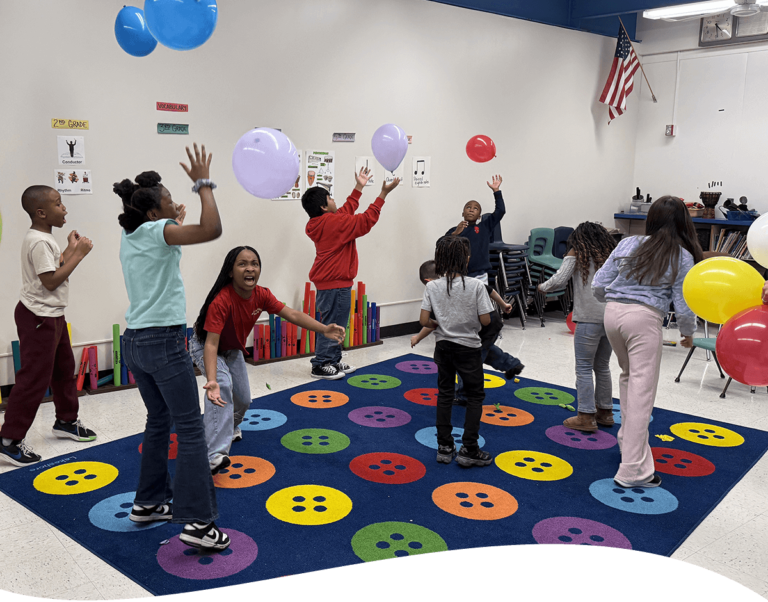
No game is without its controversies, especially when played by competitive elementary schoolers. heads up seven up has a few common points of friction that teachers or moderators often have to referee.
“I Saw His Shoes!”
Peeking is the biggest issue. Since the students have their heads on their desks, it is very easy to look through the gap in their arms. This is technically cheating. To solve this, strict teachers might disqualify anyone caught peeking. A more fun solution is for pickers to take off their shoes before moving, or for the teacher to dim the lights to make visual clues harder to spot.
“She Picked Me Two Times in a Row!”
Sometimes, pickers target their friends repeatedly. This can be boring for the rest of the class. A good house rule to implement is that you cannot pick the same person twice in a row. This ensures that everyone gets a chance to play and prevents favoritism from ruining the fun.
Two Thumbs Down?
Occasionally, two pickers might accidentally pick the same person. If a student feels two taps, they should immediately raise their hand (while keeping their head down) to signal the error. One of the pickers must then go choose someone else. This avoids confusion during the guessing phase when two people might be standing up for the same “victim.”
Why Nostalgia Matters
Why are we writing about a children’s game? Because heads up seven up represents a shared cultural experience. In an era where kids are glued to iPads and video games, there is something wholesome about a game that requires human interaction and imagination. It connects us to a simpler time in our lives.
Many adults today have fond memories of the thrill of the tap. It was a safe way to interact with crushes (did he pick me because he likes me?) or navigate social hierarchies in the classroom. Revisiting these games helps us understand the importance of unstructured play. It reminds us that fun doesn’t require high-tech graphics or expensive subscriptions.
If you are looking for more interesting content on lifestyle, gaming, and general knowledge, you should check out Forbes Planet. They cover a wide range of topics that spark curiosity, much like this game does.
Adapting the Game for Adults
Believe it or not, heads up seven up can be a hilarious icebreaker for adult corporate retreats or parties. It sounds silly, but the mechanics of deception and deduction work just as well for 30-year-olds as they do for 10-year-olds.
The Office Version
Imagine playing this in a conference room. It breaks down professional barriers and forces colleagues to read each other’s body language. It can be a great way to start a long meeting or a training session. The stakes are lower, but the laughter is usually louder. You can even add prizes for correct guesses, like coffee vouchers or leaving work 15 minutes early.
The Party Version
At a casual house party, this game can be a fun throwback. It works best later in the evening when people are tired of standing around. It brings everyone together in one room and focuses the group’s attention. Plus, watching your adult friends try to tiptoe silently across a creaky floor is comedy gold.
Safety and Inclusivity
One of the best things about heads up seven up is its inclusivity. It is accessible to almost everyone. Students with physical disabilities who might not be able to play tag or sports can fully participate in this game. Being “it” only requires moving around the room, which can be done with mobility aids, and being a guesser requires no movement at all.
For students with sensory processing issues who might get overwhelmed by the noise of other games, the quiet nature of this game is a relief. It provides a structured, predictable environment. Teachers can easily modify the rules to accommodate any specific needs, ensuring that no child feels left out.
Modifications for Accessibility
- For mobility impairments: Pickers can point to students instead of walking to them, and a designated “tapper” (like the teacher) does the physical tapping.
- For hearing impairments: The game relies on visual cues during the reveal, so it is naturally accessible. The teacher can use light signals (flickering the lights) instead of voice commands for “Heads Down” and “Heads Up.”
The Origin Story
Pinpointing the exact origin of heads up seven up is difficult. It is considered a folk game, meaning it was passed down orally and through practice rather than through a commercial product or rulebook. It likely evolved from older parlor games played in the 19th or early 20th century.
Some theories suggest it originated in the United States in the 1950s, coinciding with the baby boom generation entering schools. The game’s popularity surged because of overcrowded classrooms; teachers needed activities that could keep 30+ students occupied simultaneously without chaos. It has since spread to other English-speaking countries, sometimes under different names, but the core mechanics remain remarkably consistent.
Top Tips for Winning
Want to be the champion of your next game? Here are some pro tips to master heads up seven up, whether you are a picker or a guesser.
Tips for Pickers
- The Double Back: Walk past your target, make noise walking away, and then reach back to tap them.
- Shoe Swap: If possible, swap shoes with another picker before the round starts (if the teacher allows it!). This confuses peekers.
- Cold Hands: If your hands are cold, try to warm them up. A cold tap is a distinct sensory clue that gives you away.
- Randomize: Don’t stick to a pattern. If you always pick people in the first row, people will catch on.
Tips for Guessers
- Listen to Breathing: Sometimes you can hear exactly where someone is standing by their breathing.
- Shadow Watch: If the lights are on, look for shadows moving across the floor near your desk.
- Eliminate the Impossible: If you heard footsteps on the left, but three pickers came from the right, you can eliminate those three immediately.
- Check the Knees: When pickers return to the front, sometimes they look tired or relieve tension in their legs. Look for shifts in posture.
Frequently Asked Questions (FAQ)
Here are some common questions people ask about this classic game.
Q: Can you play with fewer than seven people?
A: Absolutely. You can play “Heads Up Three Up” or “Heads Up One Up” if you have a small group. The name changes, but the fun stays the same.
Q: What happens if nobody guesses correctly?
A: If no one guesses correctly, the same group of pickers usually goes again for another round. Alternatively, the teacher might pick a whole new group to give everyone a turn.
Q: Is peeking allowed?
A: Officially, no. Peeking ruins the integrity of the game. However, in the chaotic world of elementary school, “strategic peeking” is often part of the unofficial meta-game.
Q: How long does a game last?
A: A single round takes about 3-5 minutes. Teachers usually play for 15-20 minutes, allowing for 3 or 4 rounds.
Q: Is this game played outside the USA?
A: Yes, though it might have different names. In the UK, a similar game is sometimes called “Heads Down, Thumbs Up.”
Conclusion
heads up seven up is more than just a way to kill time; it is a rite of passage. It teaches us about silence, observation, and the thrill of the unknown. In a world that is becoming increasingly digital and noisy, the simplicity of putting your head on a desk and waiting for a tap on the thumb is surprisingly refreshing.
Whether you are a teacher looking for a management tool or an adult reminiscing about the “good old days,” the legacy of this game is undeniable. It proves that you don’t need batteries or WiFi to have fun—just a few friends and a little bit of mystery. So, next time you have a group of people and a quiet room, why not give it a try? You might be surprised at how much fun you still have.
For more information on the history of traditional children’s games, you can visit this Wikipedia page.
Related Posts


Stay Informed With the Latest & Most Important News
Previous Post
Next Post










Advertisement