
Now Reading: Goojara: Your Guide to the World of Digital Entertainment
-
01
Goojara: Your Guide to the World of Digital Entertainment

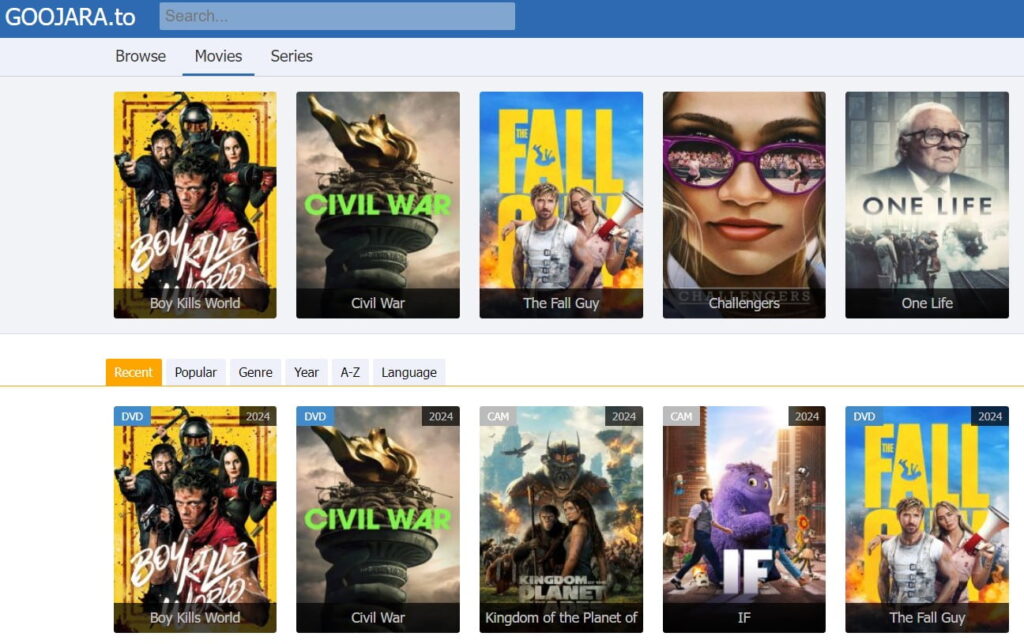
In an era defined by digital access, finding ways to enjoy movies and TV shows has become a central part of our daily lives. Platforms and services are constantly evolving, offering new ways to connect with content. One name that often comes up in conversations about online streaming is goojara. This guide will explore what goojara is, how it functions, and the important considerations to keep in mind when navigating the vast world of online entertainment.
We’ll break down everything from its features to the legal and security aspects you need to be aware of. Understanding these details helps you make informed choices about how you access your favorite content online.
Key Takeaways
- What is Goojara?: Goojara is a well-known name associated with websites that provide access to a vast library of movies and TV series for streaming.
- Content Availability: These platforms typically host a wide range of content, from classic films to the latest releases and episodes, across many genres.
- Legal & Ethical Concerns: Accessing copyrighted material through unofficial sources like Goojara can have legal consequences and raises ethical questions about supporting creators.
- Security Risks: Using such sites can expose users to cybersecurity threats like malware, intrusive ads, and potential data privacy issues.
- Safer Alternatives: Numerous legal and safe streaming services offer high-quality content while protecting users and compensating creators fairly.
Unpacking What Goojara Is
The term goojara refers to a series of websites that have become popular for streaming movies and television shows directly through a web browser. Unlike subscription-based services, these sites typically offer content without requiring a user account or payment. This ease of access is a primary reason for their popularity. Users can often find a massive collection of titles, ranging from blockbuster hits to independent films and TV series from around the globe.
The core function of a goojara website is to act as a directory or search engine for media files hosted elsewhere. When a user clicks on a movie or show, the site’s player connects to a third-party server where the video file is stored and begins streaming it. This model allows the site to offer a large volume of content without hosting the files directly, a common practice among similar streaming platforms. The user interface is generally straightforward, designed for quick searching and browsing to help users find what they want to watch with minimal effort.
The Evolution of Online Streaming
The concept of streaming media isn’t new, but its accessibility has changed dramatically. In the early days, slow internet speeds made watching a full-length movie online a frustrating, buffer-filled experience. Today, with advancements in broadband technology, high-definition streaming is standard. This technological leap paved the way for services that offer instant access to entertainment.
The journey from physical media like DVDs to digital streaming has been rapid. While major subscription platforms led the charge, a parallel ecosystem of free streaming sites also grew. Platforms like goojara emerged to fill a perceived gap, offering content that might not be available in certain regions or is spread across multiple paid services. This evolution reflects a broader trend in how we consume media, prioritizing convenience and immediate availability.
How Do Goojara Websites Work?
At its heart, a goojara website operates as an aggregator. It doesn’t own or store the movies and TV shows you see listed on its pages. Instead, it scours the internet for links to video files hosted on various third-party servers and presents them in an organized, searchable library. When you select a title to watch, the website embeds a video player that pulls the stream from that external source. This is why you might sometimes encounter multiple links or “mirrors” for a single movie; each link points to a different server hosting the same content.
This system allows the site to maintain a massive and constantly updated library without the immense cost and legal burden of hosting the files itself. The website’s interface is built to look and feel like a legitimate streaming service, with search bars, category filters, and curated lists. However, the backend mechanics are fundamentally different. The primary role of the goojara site is to connect the user to the content, not to host it.
The Technology Behind the Stream
The streaming process on a site like goojara relies on a few key technologies. When you press play, the embedded player initiates a request to the third-party server. The server then sends the video data to your device in small packets. Your device’s video player decodes these packets and plays them in sequence, creating a continuous stream. To ensure a smooth experience, the player often “buffers” by downloading the next few seconds of video ahead of time.
This is different from downloading, where you save the entire file to your device before you can watch it. Streaming allows for instant playback. The quality of the stream—whether it’s standard definition (SD), high definition (HD), or 4K—depends entirely on the source file on the third-party server. A goojara site will often provide links to various quality options if they are available.
The Range of Content on Goojara
One of the main draws of any goojara platform is the sheer volume and variety of its content library. These sites often boast thousands of titles, covering nearly every genre imaginable. From action-packed blockbusters and heartfelt dramas to mind-bending sci-fi and laugh-out-loud comedies, the selection is typically vast. This includes not only movies but also complete seasons of popular television series, often with new episodes added shortly after they air.
Moreover, these platforms frequently provide access to international content that may not be licensed for streaming in the United States. This can include foreign films, anime series, and TV shows from other countries, making it a resource for those seeking entertainment beyond mainstream American productions. The library is usually organized with categories for genre, release year, and popularity, making it easier for users to discover new things to watch or find specific titles.
Movies Available
The movie selection on a goojara site is often extensive. You can typically find:
- Latest Releases: Movies that are currently in theaters or have just been released on digital platforms.
- Classic Films: A deep catalog of older movies, from Hollywood’s golden age to cult classics.
- Independent Cinema: A variety of indie films that may not get a wide theatrical release.
- International Movies: Films from Bollywood, Europe, Asia, and other parts of the world.
TV Show Offerings
Similarly, the television library is robust, usually featuring:
- Ongoing Series: New episodes of currently airing shows, often available within hours of their broadcast.
- Complete Series: Full runs of popular TV shows that have concluded, perfect for binge-watching.
- Reality TV & Documentaries: A wide selection of non-fiction content.
Is Using Goojara Legal? Understanding the Gray Area
This is the most critical question for any user, and the answer is complex. In the United States and many other countries, copyright laws protect creative works like movies and TV shows. These laws give the creators and distributors exclusive rights to copy, share, and display their work. When you watch content on a platform that does not have a license from the copyright holder, you are likely participating in copyright infringement.
While the websites themselves, like goojara, may not host the content, they facilitate access to it. This act of linking to unauthorized copies is a legal gray area, but authorities are increasingly targeting such activities. For the end-user, streaming copyrighted material without permission is also technically a violation of copyright law. While prosecution of individual streamers is rare, it’s not impossible. The primary legal risk often falls on the website operators, but users are not entirely without risk.
The Copyright Dilemma
Copyright is designed to ensure that creators—writers, directors, actors, and production studios—are compensated for their work. When content is viewed through unauthorized channels, this revenue stream is disrupted. This is the core of the ethical debate surrounding sites like goojara. While users may see it as a harmless way to watch a movie, the cumulative effect can impact the entertainment industry’s ability to fund new projects.
Many people use these sites because of regional restrictions or the high cost of subscribing to multiple services to access all the content they want to watch. This has led to ongoing discussions about reforming content distribution models to make media more accessible legally. For a deeper look into the business side of global trends, you can find interesting articles on platforms like Forbes Planet.
Security Risks Associated with Goojara
Beyond the legal questions, using free streaming sites like goojara comes with significant security risks. These websites are often funded through aggressive advertising, and not all of these ads are safe. Here’s a breakdown of the potential dangers:
|
Risk Type |
Description |
How to Protect Yourself |
|---|---|---|
|
Malware |
Malicious software that can be downloaded to your device without your knowledge. It can steal data, damage your system, or install ransomware. |
Use a reputable antivirus program and keep it updated. Avoid clicking on suspicious download buttons. |
|
Phishing |
Scams designed to trick you into giving up personal information like passwords, credit card numbers, or bank details. |
Be wary of pop-ups that claim you’ve won a prize or that your computer is infected. Never enter personal information on a site linked from a pop-up. |
|
Intrusive Pop-ups |
Aggressive pop-up ads can redirect you to malicious websites or try to install unwanted software. |
Use a good pop-up blocker. If a pop-up appears, close it without clicking on any of its content. |
|
Data Tracking |
These sites may use trackers to collect data about your browsing habits, which can then be sold to third parties. |
Use a VPN (Virtual Private Network) to encrypt your internet traffic and mask your IP address. |
These risks are real and can lead to serious consequences, including identity theft and financial loss. The “free” nature of the content comes at a hidden cost: your digital security.
How to Stay Safer on Free Streaming Sites
If you choose to visit a website like goojara, taking precautions is essential. First and foremost, a robust antivirus and anti-malware suite is non-negotiable. It acts as your first line of defense against malicious downloads. Second, a pop-up blocker is crucial for preventing redirects to harmful sites.
Perhaps the most effective tool for enhancing your privacy and security is a VPN. A VPN encrypts your internet connection, making it unreadable to third parties, and hides your IP address, which helps protect your location and identity. While no method is foolproof, these tools can significantly reduce your exposure to the risks inherent in using unofficial streaming platforms.
Safe and Legal Alternatives to Goojara
Fortunately, there are many excellent, legal alternatives for watching movies and TV shows. These services not only provide a safe and high-quality viewing experience but also ensure that the people who create the content are paid for their work.
Subscription-Based Services (SVOD):
- Netflix: Known for its vast library of original content and licensed movies and shows.
- Hulu: A great option for current-season TV shows from major networks, plus a library of movies and originals.
- Disney+: The home for everything from Disney, Pixar, Marvel, Star Wars, and National Geographic.
- Max (formerly HBO Max): Offers a premium selection of HBO originals, Warner Bros. films, and content from the Discovery networks.
- Amazon Prime Video: Included with an Amazon Prime membership, it has a large rotating library of movies and TV shows, plus its own originals.
Ad-Supported Free Services (AVOD):
- Tubi: A completely free service with a surprisingly large library of movies and TV shows, supported by ads.
- Pluto TV: Owned by Paramount, it mimics live television with hundreds of “channels” of curated content, as well as on-demand options.
- The Roku Channel: Offers a mix of free movies, TV shows, and live news, available on Roku devices and other platforms.
- Crackle: One of the older free streaming services, it offers a rotating selection of Hollywood movies and original content.
These legal services provide peace of mind, superior streaming quality, and customer support—features you won’t find on sites like goojara.
Conclusion
The allure of a platform like goojara, with its promise of free and unlimited entertainment, is undeniable. It offers a seemingly endless library of movies and TV shows at your fingertips. However, this convenience comes with significant trade-offs. The legal and ethical implications of accessing copyrighted content without permission are important considerations, as is the very real threat to your cybersecurity from malware, phishing scams, and intrusive ads.
While the choice of how to access media is ultimately a personal one, it’s crucial to weigh the benefits against the risks. The digital landscape is filled with safe, legal, and high-quality alternatives that support the creative industry and protect you from harm. By opting for legitimate services, you can enjoy your favorite movies and shows with the confidence that you are doing so securely and responsibly.
Frequently Asked Questions (FAQ)
Q1: Is Goojara a real app?
A: Goojara is primarily known as a series of websites, not a standalone application that you would find in official app stores like the Google Play Store or Apple App Store. Any apps claiming to be official may be unauthorized third-party versions and could pose security risks.
Q2: Do I need to create an account to use Goojara?
A: Typically, goojara websites and similar free streaming platforms do not require users to register or create an account. You can usually start watching content just by visiting the site and clicking on a title.
Q3: Is streaming on Goojara the same as downloading?
A: No, they are different. Streaming involves watching the content in real-time as it is sent to your device, without storing a permanent file. Downloading means saving the entire video file to your device’s hard drive. Both activities can constitute copyright infringement if done without permission from the copyright holder.
Q4: Can using Goojara give my computer a virus?
A: Yes, it is possible. Free streaming sites like goojara are often laden with malicious ads, pop-ups, and fake download buttons that can lead to malware, spyware, or other viruses being installed on your device. Using strong antivirus software and a pop-up blocker is highly recommended.
Q5: Why are some movies on Goojara in low quality?
A: The video quality on goojara depends on the source file it is linking to. Often, for new movies still in theaters, the only available versions are low-quality “cam” recordings made in a cinema. Higher quality versions usually become available once the movie is officially released on Blu-ray or digital platforms.
Related Posts


Stay Informed With the Latest & Most Important News
Previous Post
Next Post










Advertisement