

Now Reading: Flower Sea 2025: Your Ultimate Guide to Blooming Spectacles
-
01
Flower Sea 2025: Your Ultimate Guide to Blooming Spectacles

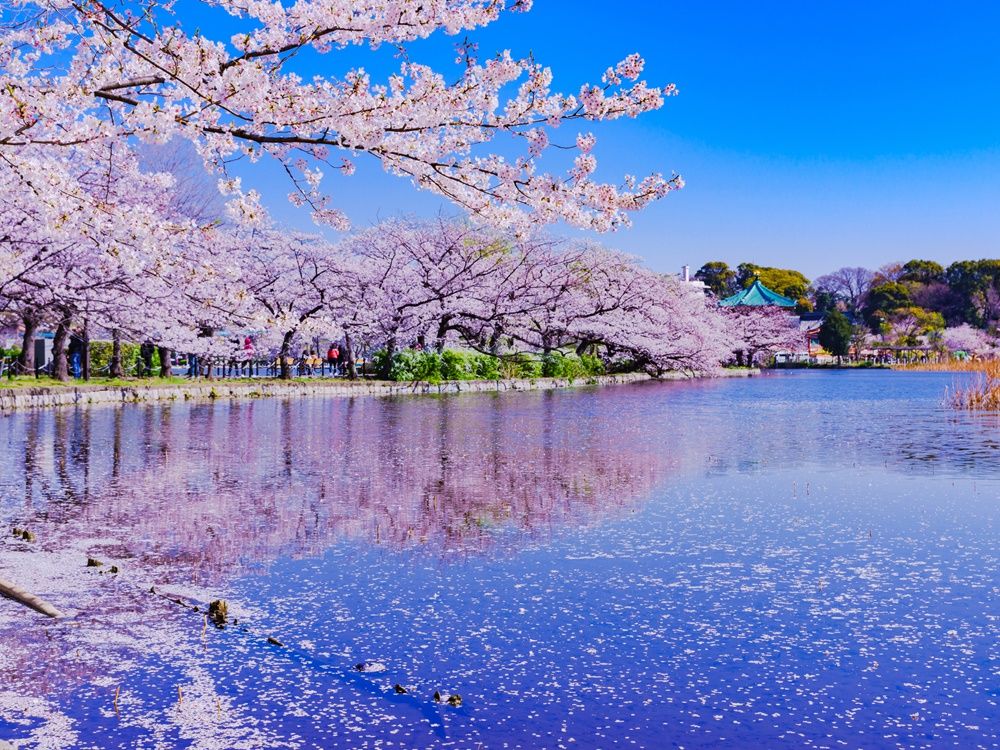
Imagine standing in the middle of a vibrant, endless ocean of petals, where the colors stretch as far as your eyes can see. This isn’t a dream; it is the reality of visiting a “flower sea.” As we look forward to the upcoming travel season, the concept of a flower sea 2025 is gaining massive popularity among nature lovers, photographers, and families looking for the perfect getaway. Whether you are planning to visit famous tulip fields in Europe, cherry blossoms in Asia, or wildflower superblooms in the United States, 2025 promises to be a spectacular year for floral tourism.
In this comprehensive guide, we will explore everything you need to know about chasing the best blooms. From the top destinations to visit to tips on how to capture that perfect photo, we have you covered. We will also dive into gardening trends if you want to create your own mini flower sea 2025 right in your backyard. Let’s embark on this colorful journey together!
Key Takeaways
- Top Destinations: Discover where to find the most stunning flower seas around the world in 2025.
- Planning Tips: Learn the best times to visit to ensure you catch peak blooms.
- Photography Advice: Get simple tips to take professional-looking photos of vast floral landscapes.
- Gardening Trends: Find out how to plant your own wildflower meadow for the coming year.
- Eco-Friendly Travel: Understand how to visit these delicate ecosystems responsibly.
What is a Flower Sea?
A “flower sea” is a term often used to describe a vast, continuous landscape covered in blooming flowers. It creates the illusion of an ocean made of petals. This phenomenon can occur naturally, like the famous wildflower superblooms in California, or it can be man-made, such as the carefully cultivated fields in the Netherlands or Japan. When we talk about flower sea 2025, we are looking at the specific forecasts and festival schedules for the upcoming year.
These landscapes are not just beautiful to look at; they are vital for our ecosystem. They support pollinators like bees and butterflies and help maintain healthy soil. Visiting a flower sea is a sensory experience. You don’t just see the colors; you smell the fragrances and hear the gentle buzz of nature at work. It is a peaceful escape from the hustle and bustle of daily life, offering a chance to reconnect with the natural world.
The Magic of Seasonality
The most critical factor in experiencing a flower sea is timing. Unlike a museum or a monument, a flower sea is a living, breathing entity that changes day by day. A field that is green one week might be a blazing carpet of orange poppies the next. The flower sea 2025 season will kick off early in the year with spring bulbs and continue through autumn with cosmos and sunflowers.
Understanding seasonality helps you manage your expectations. Weather patterns play a huge role. A particularly rainy winter might lead to an epic spring bloom, while a drought could mean a quieter year for wildflowers. Keeping an eye on weather reports and local bloom trackers is essential for catching the peak of the season.
Top Global Destinations for a Flower Sea 2025
If you are ready to book your tickets, you need to know where the best shows will be. The world is full of incredible spots, but some places are legendary for their floral displays. For the flower sea 2025 season, we have curated a list of must-visit locations that range from iconic tourist hubs to hidden gems.
The Netherlands: The Classic Tulip Experience
No list of flower seas is complete without mentioning the Netherlands. Keukenhof Gardens and the surrounding bulb fields in Lisse are the gold standard for floral tourism. In 2025, millions of tulips, daffodils, and hyacinths will bloom from late March to mid-May. The sight of neat, colorful rows stretching to the horizon is truly iconic.
To get the most out of your Dutch flower sea 2025 trip, consider renting a bicycle. Cycling through the flat landscape allows you to see the fields up close at your own pace. While Keukenhof is the main attraction, the countryside offers free views of commercial fields that are just as stunning. Remember to respect the farmers and stay on the paths!
Japan: Beyond the Cherry Blossoms
While Japan is famous for sakura (cherry blossoms), it is also home to incredible flower seas that bloom later in the year. Hitachi Seaside Park is a prime example. In spring, the park is covered in millions of baby blue eyes (Nemophila), creating a blue flower sea 2025 that blends seamlessly with the sky and ocean.
In autumn, the same park turns a deep crimson with burning bush (Kochia). Another spectacular spot is the Ashikaga Flower Park, known for its wisteria tunnels. Walking beneath hanging purple flowers feels like stepping into a fairy tale. Japan’s attention to detail ensures that these parks are immaculately maintained, offering a perfect experience for visitors.
United States: Wildflower Superblooms
For those in the US, you don’t need a passport to see a flower sea 2025. California is famous for its desert superblooms. Places like Anza-Borrego Desert State Park and the Antelope Valley California Poppy Reserve can explode with color if the winter rains are sufficient. These are natural events, so they are a bit unpredictable, which adds to the excitement.
Texas is another hotspot, particularly for bluebonnets. Driving through the Hill Country in spring offers mile after mile of blue and purple fields. Unlike the manicured gardens of Europe or Japan, these American flower seas are wild and rugged. They remind us of the raw power of nature to create beauty in unexpected places.
Planning Your Flower Sea 2025 Trip
Planning a trip centered around nature requires a bit more flexibility than a standard vacation. Blooms don’t run on a strict schedule; they run on nature’s clock. To catch the best flower sea 2025, you need to be prepared and informed. Here are some essential tips to help you plan the perfect itinerary.
Best Time to Visit by Region
Timing is everything. Arriving a week too early means seeing green buds; arriving a week too late means seeing wilted petals. Here is a general breakdown of when to expect peak blooms in major regions:
|
Region |
Flower Type |
Peak Season (Est. 2025) |
|---|---|---|
|
Netherlands |
Tulips |
Mid-April |
|
Japan |
Nemophila (Blue Eyes) |
Late April – Early May |
|
California, USA |
Poppies / Wildflowers |
March – April |
|
Provence, France |
Lavender |
Late June – July |
|
Texas, USA |
Bluebonnets |
Late March – Mid-April |
|
South Africa |
Wildflowers (Namaqualand) |
August – September |
Note: Always check local bloom reports a few weeks before your trip.
Booking Accommodations Early
Because the window for peak bloom is short, everyone tries to visit at the same time. This means hotels and flights can get expensive and book out quickly. For popular destinations like the tulip fields in Holland or the lavender fields in France, it is smart to book your accommodation at least six months in advance for your flower sea 2025 adventure.
If you want to save money and avoid the biggest crowds, look for accommodations in smaller towns just outside the main tourist hubs. You often get a more authentic experience and better rates. Plus, you might stumble upon a local flower field that isn’t in the guidebooks!
Photography Tips for Capturing the Blooms
We all want that stunning Instagram photo where we are surrounded by flowers. Capturing the scale and beauty of a flower sea 2025 can be tricky, though. Sometimes photos just don’t do justice to what your eyes are seeing. Here are some simple tips to elevate your photography game, whether you are using a DSLR or a smartphone.
Lighting is Key
The best light for flower photography is usually during the “golden hour”—shortly after sunrise or just before sunset. The light is soft, warm, and creates long shadows that add depth to the landscape. Taking photos at high noon often results in harsh shadows and washed-out colors.
Early morning is particularly magical for a flower sea 2025 shoot because there are fewer people. You might even catch some morning mist hovering over the flowers, adding a dreamy quality to your images. If you can’t make it early or late, try to shoot on a cloudy day. Clouds act as a giant softbox, diffusing the sunlight evenly.
Angles and Perspective
Don’t just stand at eye level and snap a picture. To capture the feeling of being immersed in a flower sea 2025, try getting low to the ground. Shooting from a low angle makes the flowers look taller and the field look denser. You can also try shooting through some flowers in the foreground to create a blurry frame around your subject.
On the flip side, getting a high vantage point allows you to show the vastness of the field. Some flower parks have observation decks or hills specifically for this purpose. Drone photography is amazing for patterns, but be careful—many parks strictly forbid drones to protect the peace and nature.
Creating Your Own Flower Sea 2025 at Home
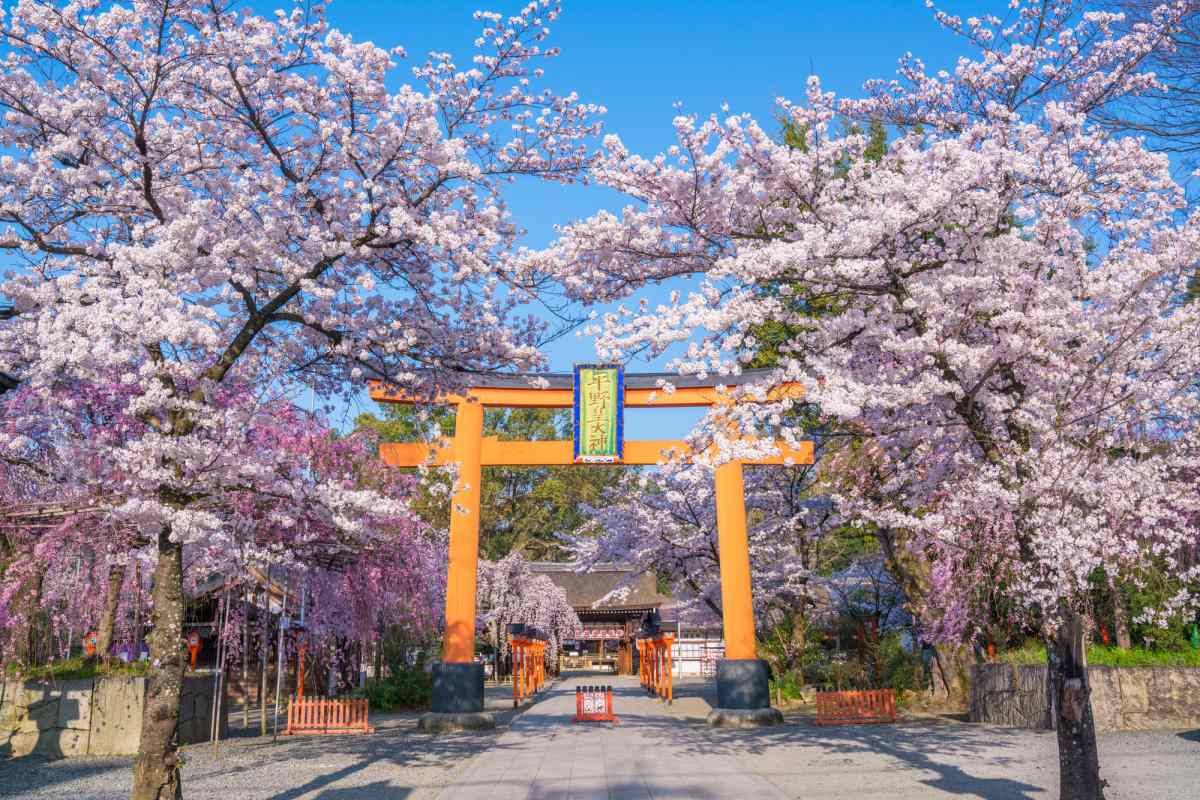
Not everyone can travel across the globe to see flowers. The good news is that you can bring the flower sea 2025 experience to your own backyard. Turning a patch of lawn into a wildflower meadow is a growing trend that is beautiful, low-maintenance, and great for the environment.
Choosing the Right Seeds
The first step is selecting the right plants for your climate. Native wildflowers are the best choice because they are adapted to your local weather and soil. They require less water and fertilizer than exotic plants. Look for “pollinator mixes” at your local garden center.
If you want to replicate a specific look, like a field of sunflowers or cosmos, you can buy bulk seeds. For a true flower sea 2025 effect, you need to plant densely. Don’t be stingy with the seeds! The goal is to have the flowers support each other and crowd out any weeds.
Planting and Maintenance
- Preparation: Clear the area of grass and weeds. Rake the soil to loosen it up.
- Sowing: Scatter your seeds evenly over the soil. Mixing seeds with sand can help you spread them more easily.
- Watering: Keep the soil moist until the seeds germinate. Once established, most wildflowers are drought-tolerant.
- Enjoying: Sit back and watch your personal flower sea 2025 grow!
Maintaining a wildflower patch is easier than a manicured lawn. You generally only need to mow it once a year, usually in late autumn after the flowers have dropped their seeds for the next season. It is a lazy gardener’s dream come true.
The Environmental Impact of Flower Tourism
As we celebrate the beauty of nature, we must also talk about protecting it. Massive influxes of tourists can damage the very landscapes they come to admire. When visiting a flower sea 2025, it is crucial to practice responsible tourism.
Don’t Trample the Blooms
This is the golden rule: Do not walk into the flower fields. It might be tempting to step into the middle of the tulips for the perfect selfie, but doing so crushes the plants and compacts the soil, killing future blooms. Farmers lose money, and nature gets damaged.
Many locations now have designated paths or “photo spots” where you can get the shot without destroying the flowers. Please stick to these areas. The beauty of a flower sea 2025 is its perfection; footprints and broken stems ruin that perfection for everyone else.
Leave No Trace
The principles of “Leave No Trace” apply to flower fields just as they do to national parks. Carry out all your trash, don’t pick the flowers, and be mindful of wildlife. If you are visiting a wild superbloom, remember that you are a guest in a fragile ecosystem.
By being a respectful visitor, you ensure that these beautiful places remain open to the public. Many sites have had to close permanently because tourists refused to follow the rules. Let’s make sure the flower sea 2025 remains accessible for everyone to enjoy.
Fashion and Trends: Dressing for the Flower Sea
Believe it or not, what you wear can impact your experience and your photos. Floral tourism has sparked its own mini-fashion trends. People want to look their best against the stunning backdrops. Here is what to consider for your flower sea 2025 wardrobe.
Colors that Pop
When choosing an outfit, think about contrast. If you are visiting a field of red poppies, wearing red might make you blend in too much. White or cream colors look classic and stand out beautifully against almost any flower color.
Pastel colors work well for spring blooms like cherry blossoms or tulips. For sunflower fields, denim or white looks crisp and fresh. Avoid busy patterns; a solid color dress or shirt usually photographs better against the busy texture of a flower sea 2025.
Practical Footwear
You will be walking—a lot. And you will likely be walking on dirt, grass, or mud. High heels are generally a bad idea unless you are strictly staying on paved paths. Comfortable sandals, sneakers, or cute boots are much better options.
If you are visiting a farm, it might be dusty or muddy depending on the weather. Don’t wear your brand-new white sneakers if it rained the day before! Being comfortable allows you to explore further and enjoy the flower sea 2025 without painful feet.
Technology and the Flower Sea Experience
Technology is changing how we find and experience flowers. From apps that identify plants to live webcams, tech is a helpful tool for the modern flower hunter.
Bloom Tracker Apps
Several apps and websites now track bloom progress in real-time. For the flower sea 2025 season, look for regional apps. For example, there are specific apps for tracking cherry blossoms in Japan or fall foliage in New England. These tools rely on user reports and satellite data to give you accurate predictions.
Social media is also a powerful real-time tracker. Searching location tags on Instagram or TikTok can show you exactly what a field looks like today. This can save you from driving hours only to find a field that has already been harvested or hasn’t bloomed yet.
Virtual Tours
If you cannot travel, virtual tours are becoming incredibly sophisticated. Many major gardens, like Keukenhof, offer 360-degree virtual walks on their websites. While it doesn’t replace the smell and breeze, it is a wonderful way to see a flower sea 2025 from your living room.
This is also a great planning tool. You can virtually “walk” through a park to scout out the best spots before you even arrive. It helps you maximize your time on the ground.
Flower Festivals to Watch in 2025
Beyond just visiting fields, attending a flower festival adds a layer of culture and celebration to your trip. These events often feature parades, food, music, and art, all centered around the blooms.
The Rose Parade (USA)
Kicking off the year on New Year’s Day, the Tournament of Roses Parade in Pasadena, California, is the ultimate celebration of flowers. Every float is covered entirely in organic materials—flowers, seeds, bark, and leaves. It is a moving flower sea 2025 that rolls down the street.
Chelsea Flower Show (UK)
For serious garden enthusiasts, the RHS Chelsea Flower Show in London is the event of the year. While it isn’t a vast field, the show gardens are dense, artistic displays that set the trends for the world. It is where you go to see the highest level of horticultural art.
Chiang Mai Flower Festival (Thailand)
Held in February, this festival transforms the city of Chiang Mai into a vibrant display of yellow and white chrysanthemums and the damask rose. The parade floats are intricate and massive, rivaling those in Pasadena. It is a wonderful way to experience Thai culture alongside a stunning flower sea 2025.
Tips for Families with Kids
Visiting a flower field can be a magical experience for children, but it also presents some challenges. Kids can get bored, tired, or tempted to run wild. Here is how to keep the trip fun for everyone.
Engagement Activities
Turn the visit into a treasure hunt. diverse color or a specific type of bug. Bringing a magnifying glass allows them to see the pollen and petals up close. This educational approach keeps them engaged with the flower sea 2025 without them feeling like they are just being dragged around for photos.
Preparation is Key
Bring snacks, water, and sun protection. Flower fields are often open spaces with little shade. A hungry, sunburned child is not a happy traveler. Also, plan for bathroom breaks; agricultural fields often have limited facilities.
Explain the rules beforehand. Teach them why we don’t pick the flowers. Most kids are very empathetic to nature if you explain that the flowers are “sleeping” or “eating sunlight” and shouldn’t be disturbed.
Hidden Gems: Underrated Flower Spots
If you want to avoid the crowds of the famous spots, consider these lesser-known destinations for your flower sea 2025 journey.
- Castelluccio di Norcia, Italy: Located in the Apennine Mountains, this lentil flowering event (La Fioritura) creates a mosaic of colors on a high plateau. It is breathtaking and less commercial than other European spots.
- Halle Forest, Belgium: Known as the “Blue Forest,” this wood becomes carpeted in bluebells in spring. It feels magical and moody, different from the bright open fields of tulips.
- Lupin Fields, New Zealand: around Lake Tekapo in November (spring in the Southern Hemisphere), wild lupins bloom in shades of pink, purple, and blue against the backdrop of mountains and turquoise water.
Exploring these hidden gems allows you to enjoy the serenity of a flower sea 2025 without fighting for elbow room. You can find more travel inspiration and tips at places like https://forbesplanet.co.uk/, which often features unique destination guides.
Conclusion
The allure of a flower sea 2025 is undeniable. It speaks to our deep connection with nature and our appreciation for fleeting beauty. Whether you are wandering through the precise rows of Dutch tulips, marveling at the wild chaos of a California superbloom, or simply cultivating a patch of joy in your own garden, flowers have the power to uplift our spirits.
As you plan your adventures for the coming year, remember to travel responsibly, embrace the unpredictability of nature, and take a moment to simply breathe it all in. The world is blooming—don’t miss it.
FAQs
1. When is the best time to see a flower sea 2025?
The best time depends on the location and flower type. Generally, spring (March-May) is peak season for tulips and wildflowers in the Northern Hemisphere, while summer (June-August) is great for lavender and sunflowers.
2. Can I walk into the middle of the flower fields?
No, you should generally stay on designated paths. Walking into the fields damages the crops and ruins the view for others. Always follow local signs and rules.
3. What is a “superbloom”?
A superbloom is a rare event where an unusually high number of wildflowers bloom at the same time, usually in desert landscapes, due to specific weather conditions like heavy winter rains.
4. Are flower fields free to visit?
It varies. Many wild superblooms are in public parks and are free (though parking fees may apply). Cultivated fields like Keukenhof or private farms usually charge an admission fee.
5. How do I take good photos in a flower sea?
Use the “golden hour” lighting (sunrise/sunset), try low angles to make the field look fuller, and wear solid colors that contrast with the flowers.
**6. Where can I find blue
Stay Informed With the Latest & Most Important News
Previous Post
Next Post









Advertisement