

Now Reading: Everything You Need to Know About Your Child’s 1sr Communion
-
01
Everything You Need to Know About Your Child’s 1sr Communion

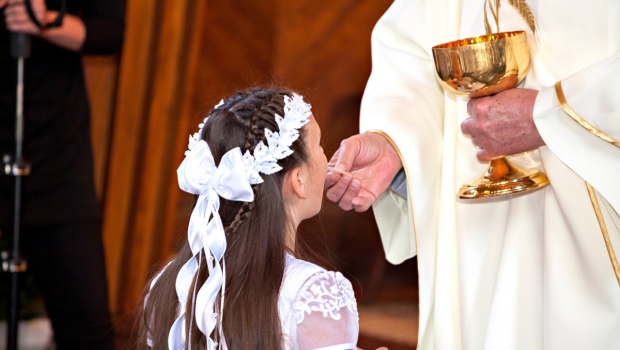
Key Takeaways
- Understanding the Sacrament: Learn the deep spiritual meaning behind the 1sr communion and why it is a pivotal moment in a child’s religious life.
- Preparation Essentials: Discover how to prepare your child mentally and spiritually, including attending classes and discussing faith at home.
- Party Planning Made Easy: Get practical tips on budgeting, choosing venues, and organizing a celebration that honors the occasion without breaking the bank.
- Etiquette and Attire: Find out what boys and girls typically wear and what guests should know about attending the ceremony.
Introduction
Is your family approaching a major milestone in your child’s spiritual journey? For many Catholic families and other Christian denominations, the 1sr communion is a day filled with immense joy, tradition, and community spirit. It marks the first time a young person receives the Eucharist, symbolizing their deeper entry into the faith. While it is a solemn religious event, it is also a time for family gatherings, white dresses, smart suits, and memorable celebrations.
Navigating the preparations for a 1sr communion can feel overwhelming if you don’t know where to start. From ensuring your child understands the significance of the sacrament to organizing a reception that feeds all your aunts and uncles, there is a lot to manage. This guide is here to walk you through every step of the process with a friendly, helping hand. We will cover everything from the spiritual prep to the party planning, ensuring your child’s big day is as stress-free and meaningful as possible. Let’s dive into making this special day truly unforgettable.
What is a 1sr Communion?
The 1sr communion is one of the most significant occasions in the life of a Roman Catholic child, as well as for children in some Anglican and Lutheran traditions. It is considered a sacrament, which is a visible sign of an inward grace. Specifically, this event marks the first time a person receives the Eucharist—the body and blood of Jesus Christ. Most children undergo this rite of passage around the age of seven or eight, which the Church considers the “age of reason.” At this age, children are believed to be capable of understanding the difference between ordinary bread and the consecrated host.
This event is not just a single day on the calendar; it is usually the culmination of months, or sometimes years, of religious education. Families often look forward to the 1sr communion with as much anticipation as a wedding or a baptism. It serves as a public declaration of faith and a step toward full membership in the church community. While the focus is often on the ceremony itself, understanding the definition and history helps parents and children appreciate why everyone makes such a big fuss over this beautiful tradition. It connects the child to the history of the Last Supper and the core beliefs of their religion.
The Spiritual Significance of the Sacrament
When we talk about the spiritual weight of a 1sr communion, we are talking about a profound mystery of faith. Ideally, this isn’t just about wearing a pretty dress or a sharp suit; it is about the soul. For believers, receiving the Eucharist is an act of unity with God. It is a moment where the child invites Jesus into their heart in a very physical and spiritual way. This sacrament is one of the three Sacraments of Initiation, along with Baptism and Confirmation, which lay the foundations of every Christian life.
Parents play a crucial role in emphasizing this spiritual significance. In the hustle of booking photographers and ordering cakes, the true meaning can sometimes get lost. It is important to remind the child that the 1sr communion is the start of a lifelong relationship with the Eucharist. It is a source of spiritual nourishment that they can return to every week for the rest of their lives. Many families find that this period reawakens their own faith, as they must explain complex theological concepts to their second-graders in simple, loving terms. It is a time for the whole family to reflect on what their faith means to them and how they live it out in their daily lives.
Preparing Your Child for Their Special Day
Preparation is key to a successful and meaningful 1sr communion. This preparation happens on two fronts: the logistical side and the spiritual side. Logistically, you need to coordinate with your parish, fill out forms, and perhaps provide baptismal certificates. Spiritually, your child needs to be ready to receive the sacrament with reverence. This usually involves enrolling them in a religious education program, often called CCD or catechism, if they do not attend a Catholic school.
Beyond the classroom, preparation at home is vital. You can help by practicing the prayers they need to know, such as the “Our Father” and the “Hail Mary.” It is also helpful to practice the physical act of receiving communion. You can use a small cracker at home to show them how to cup their hands or open their mouth to receive the host respectfully. This rehearsal reduces anxiety, so when the actual 1sr communion moment arrives, your child feels confident and focused on the spiritual experience rather than worrying about messing up the mechanics.
Catechism and Classes
Almost every parish requires children to attend specific classes before their 1sr communion. These classes are designed to teach the fundamental doctrines of the faith at a level a seven-year-old can grasp. The curriculum typically covers the story of Jesus, the meaning of the Mass, and the importance of forgiveness, often tied to the Sacrament of Reconciliation (Confession), which usually happens a few months before the big day.
Teachers and catechists work hard to make these lessons engaging, often using crafts, songs, and stories. As a parent, supporting this education is crucial. Ask your child what they learned in class each week. If they bring home worksheets or activity books, sit down and do them together. This involvement shows your child that you value what they are learning. It also ensures that there are no surprises when the director of religious education checks to see if the children are ready. Completion of these classes is usually mandatory to participate in the 1sr communion ceremony.
Talking About Faith at Home
While classes provide the textbook knowledge, the home is where faith becomes real. Talking about faith at home helps your child internalize what the 1sr communion is all about. You don’t need to be a theologian to have these conversations. Simple discussions at the dinner table or during bedtime prayers can make a huge impact. You might share stories about your own First Communion—what you remember, how you felt, and what it meant to you.
Encourage your child to ask questions. They might ask, “Does the bread really taste like Jesus?” or “Why do we have to dress up?” Answer these honestly and gently. Frame the event as a celebration of love. You can say that the 1sr communion is like a special family dinner with God’s family. Reading children’s Bibles or books specifically about the sacrament can also be a great way to bond and learn together. The goal is to make faith a natural, comfortable part of their life, not just something that happens inside the church building on Sunday mornings.
Choosing the Perfect Outfit for 1sr Communion
Choosing the attire for a 1sr communion is one of the most exciting parts of the planning process for many families, though it can also be a source of stress. The outfit symbolizes purity and the solemnity of the occasion. Traditionally, the clothing is white, echoing the white garments worn during Baptism. This visual connection reminds everyone that the sacraments are linked. While style is important, modesty and comfort should be the top priorities. You want your child to look their best, but you also want them to be able to sit, kneel, and walk without fidgeting or tripping.
When shopping, it is wise to check with your specific parish regarding their dress code. Some churches are very strict, requiring shoulders to be covered or prohibiting certain types of shoes, while others are more relaxed. Whatever you choose, remember that this outfit will be immortalized in photos for decades. It’s often best to lean toward timeless styles rather than passing trends. Whether you buy brand new, find a vintage piece, or use a family heirloom, the outfit for the 1sr communion makes the child feel set apart and special for this holy encounter.
Traditional Attire for Boys
For boys, the standard attire for a 1sr communion is a suit. While white suits are traditional in some cultures and symbolize purity, navy blue or black suits are also very common and acceptable in many parishes today. A crisp white dress shirt is a must, often paired with a tie or a sacramental sash. The sash usually bears religious symbols like a chalice, grapes, or wheat, marking the specific occasion.
Comfort is crucial for boys who might not be used to wearing formal wear. Ensure the shoes are broken in before the big day to avoid blisters or discomfort during the long Mass. Some families opt for a vest instead of a full jacket if the weather is warm. An arm band with a chalice symbol is another traditional accessory seen in many European and Hispanic cultures. Ultimately, the goal is for him to look respectful and neat. A fresh haircut a few days before the ceremony adds the final touch to his 1sr communion look.
Traditional Attire for Girls
For girls, the dress code for a 1sr communion often resembles a miniature wedding dress, symbolizing her status as a “bride of Christ” or simply reflecting the purity of the soul. White is the non-negotiable color in almost all traditions. The dresses can range from simple A-line cotton dresses to elaborate satin gowns with lace, beading, and tulle. Accessories often include white gloves, a veil or a floral wreath for the head, and white dress shoes.
When selecting a dress, consider the length and the fit. It shouldn’t be so long that she trips while walking up the altar steps. If the dress is sleeveless, you might need a bolero jacket or a shawl for the church ceremony to adhere to modesty guidelines. Veils are a beautiful tradition, but make sure it is pinned securely so it doesn’t fall off during the service. Many mothers enjoy the process of shopping for this dress, creating a bonding memory that enhances the joy of the 1sr communion preparation.
Planning the Celebration Party
Once the Mass is over, it is time to celebrate! Planning the party for a 1sr communion can range from a simple brunch at home to a large banquet at a catering hall. The scale of the party depends entirely on your budget, your culture, and your personal preference. The main goal is to gather family and friends to share in the joy of the child’s achievement. It is a time for food, gifts, and creating memories.
When planning, keep the child in mind. After a long, stressful ceremony where they had to sit still and be quiet, they will likely want to run around and play. A party that is too formal might be boring for the guest of honor. Try to balance adult conversation time with kid-friendly activities. Whether you are hosting a backyard BBQ or a sit-down dinner, the theme should be light, joyful, and centered around the 1sr communion. Decorations often feature religious symbols like crosses, doves, or chalices, utilizing a color palette of white, gold, and silver or pastels.
Selecting a Venue
Choosing the right venue sets the tone for your 1sr communion celebration. If you have a large family and a decent budget, renting a private room at a restaurant or a local banquet hall can save you a lot of stress regarding setup and cleanup. This allows you to relax and enjoy the company of your guests. Look for venues that are close to the church to minimize travel time for guests between the ceremony and the reception.
On the other hand, hosting the party at home is a very popular and intimate option. It is cost-effective and allows for a more relaxed atmosphere. If you choose this route, consider your space constraints. Do you have enough seating? Will you need to rent a tent if you are planning to be outdoors? Backyard parties are wonderful for spring communions, allowing children to play on the grass. Whatever venue you choose for the 1sr communion, make sure to book it well in advance, as dates in May and June fill up quickly due to graduations and weddings.
Creating a Guest List
The guest list for a 1sr communion can be tricky. Should you invite the whole class, or just family? Typically, these events are more family-centric than birthday parties. Immediate family, grandparents, godparents, and aunts and uncles are the core group. Close family friends who have played a role in the child’s life are also standard additions.
If you have a limited budget or space, it is perfectly acceptable to keep the list small. You are not obligated to invite the child’s entire school class or sports team. However, if your child has a best friend who is also celebrating their 1sr communion on the same day, you might consider a joint party to share costs and double the fun. When sending out invitations, be clear about whether children are invited or if it is an adults-only reception (though for a communion, excluding kids is rare). Send invites out at least six weeks in advance so guests can prioritize this important date.
Gift Ideas for 1sr Communion Candidates
Gift-giving is a standard part of the 1sr communion etiquette. Guests often struggle with what to buy for an eight-year-old that is appropriate for the occasion. Cash is the most common gift, often placed in a specialized religious card. It allows the child (or parents) to save for the future. However, physical gifts are also cherished, especially those that serve as keepsakes of the spiritual milestone.
When looking for a gift, think about items that will last. While toys are great for birthdays, a 1sr communion gift usually carries a bit more weight. Books, jewelry, and religious art are top choices. If you are a godparent or a grandparent, you might want to give something personalized. The goal is to give something that the child can look back on years later and remember the special day they received the Eucharist for the first time.
Religious Gifts
Religious gifts are the most appropriate choice for a 1sr communion. A classic gift is a high-quality Rosary beads set, perhaps made of glass, crystal, or wood. You can even have them personalized with the child’s initials. Another timeless option is a Bible. Look for a youth Bible that is easy to read but sturdy enough to last into their teen years. Writing a dedication on the inside cover adds a lovely personal touch.
Other religious gift ideas include a crucifix for their bedroom wall, a statue of their patron saint, or a prayer book. Religious jewelry is also very popular; a delicate cross necklace or a saint medal is something a child can wear daily. These items serve as constant reminders of their faith and the commitment they made during their 1sr communion.
Keepsake Gifts
If you want to steer away from strictly religious items, keepsake gifts are a wonderful alternative. These are items that commemorate the date and the event. Picture frames are a huge hit—look for frames engraved with “My First Communion” or the date. Photo albums where the child can store pictures from the day are also practical and sentimental.
Music boxes, engraved jewelry boxes, or snow globes with a communion theme are sweet gifts for girls. For boys, a nice watch or a keepsake compass can be a great choice. You might also consider savings bonds or contributions to a college fund as a “keepsake” for their future. Regardless of the item, the thought behind the gift honoring their 1sr communion is what matters most.
1sr Communion Traditions Around the World
The 1sr communion is a global event, celebrated wherever Catholicism and Christianity exist, but the traditions can vary wildly. In many Latin American countries, the celebration is enormous, often rivaling weddings in size and scope. It is common to have a “padrino” or “madrina” (godparent) who sponsors the event and buys the outfit. The feast often includes traditional foods, music, and dancing late into the night.
In parts of Europe, like Ireland and Italy, the 1sr communion is a major cultural milestone. Schools often prepare the children together, and the entire class receives the sacrament in a single mass. In the Philippines, the event is also a massive family affair, deeply woven into the social fabric. While the core religious sacrament is the same everywhere—receiving the Body of Christ—the cultural wrappings of food, dress, and party customs make each celebration unique. Learning about these differences can be a fun way to broaden your child’s understanding of the universal church.
Common Etiquette for Guests and Family
For guests attending a 1sr communion, knowing the proper etiquette helps things run smoothly. First and foremost, arrive at the church early. These masses are often packed, and you don’t want to be standing in the back or disrupting the service by walking in late. Dress modestly and respectfully for a church setting—avoid overly casual wear like flip-flops or shorts.
During the Mass, non-Catholic guests should know that they are generally not permitted to receive the Holy Communion. When it is time for communion, they can remain in their seats or, in some parishes, approach the altar with their arms crossed over their chest to receive a blessing instead. Photography is another big etiquette point. Many churches forbid flash photography during the mass to maintain sanctity. It is best to wait for the designated photo time after the ceremony. Respecting these rules ensures the focus remains on the children and the sacrament of the 1sr communion.
Capturing the Moment: Photography Tips
Photos are the best way to preserve the memories of a 1sr communion. Whether you hire a professional or rely on your smartphone, having a plan is essential. If hiring a pro, book them months in advance. Many photographers offer “communion portrait sessions” a few weeks before the actual day. This is a great idea because you can take relaxed, beautiful portraits in the outfit without the rush and stress of the actual ceremony morning.
On the day of the event, try to get the mandatory family shots done before the ceremony if possible, or immediately after while everyone is still looking fresh. Capture the details: the hands holding the rosary, the shoes, the back of the dress, the candle. Don’t forget candid shots of the child laughing with cousins or hugging grandparents. These unposed moments often capture the joy of the 1sr communion better than the stiff, formal portraits.
Budgeting for the Big Event
It is easy for costs to spiral out of control when planning a 1sr communion. Between the outfit, the party, the gifts, and the church donation, the bill adds up fast. Setting a budget early is the best way to avoid financial stress. Decide what your top three priorities are—maybe it is the dress, the photographer, and the cake—and allocate your funds there. Be willing to compromise on other areas.
You can find great resources and budgeting tips for family events on lifestyle websites. For example, sites like Forbes Planet often discuss smart lifestyle choices and planning, which can be helpful when organizing family milestones. Remember, the amount of money you spend does not correlate to the spiritual value of the day. A simple, loving celebration is just as meaningful as a lavish one.
Saving Money on Decor
Decorations for a 1sr communion party don’t have to cost a fortune. The Dollar Store is your friend here. You can find white tablecloths, plates, and napkins for a fraction of the cost of party rental places. DIY centerpieces are also a great money-saver. Simple mason jars filled with baby’s breath or white daisies look elegant and appropriate.
You can also print your own banners and signage using free templates online. Balloons are an inexpensive way to fill space and add color. Instead of buying expensive floral arrangements, consider using potted plants that can be replanted later or given away as favors. With a little creativity, you can create a beautiful atmosphere for the 1sr communion without blowing your budget.
Affordable Catering Options
Food is usually the biggest expense. To save money on a 1sr communion party, consider a potluck style gathering where close family members bring a dish. If that feels too casual, a “cake and punch” reception is perfectly acceptable, especially if the mass ends in the mid-afternoon. You are not obligated to serve a full three-course meal.
Another option is to order catering trays from a local deli or supermarket instead of a high-end caterer. Italian dishes like pasta and meatballs are generally cost-effective and feed a crowd easily. A taco bar is another fun, affordable, and kid-friendly option. By focusing on simple, comforting foods, you can keep bellies full and costs down.
The Role of Godparents in this Sacrament

Godparents have a special seat at the table during a 1sr communion. While their primary role began at Baptism, the First Communion is a checkpoint in their duty to help raise the child in the faith. Godparents often sit with the family in the reserved pews and may be asked to bring up the gifts (bread and wine) during the offertory procession.
Beyond the ceremony, godparents often give a significant gift, such as a religious medal or a savings bond. They should make an extra effort to be present and supportive, perhaps by taking the child out for a special lunch or helping them practice their prayers. Their presence signifies the continuity of spiritual guidance from infancy to the age of reason. It is a day for godparents to reaffirm their commitment to their godchild’s spiritual life.
Frequently Asked Questions About 1sr Communion
What is the best age for a 1sr communion?
Most children receive the sacrament around age 7 or 8, typically in the second grade. This is considered the “age of reason.”
Can a non-Catholic child have a 1sr communion?
Generally, no. In the Catholic Church, one must be baptized Catholic to receive Communion. Other denominations have their own rules and versions of the rite.
How long does the ceremony last?
A typical First Communion Mass lasts about 90 minutes to 2 hours, depending on the number of children receiving the sacrament.
Is it mandatory to have a party?
No, a party is not mandatory. It is a cultural tradition, not a religious requirement. A simple family meal is sufficient.
What should I write in a 1sr communion card?
Messages should be congratulatory and spiritual. Examples: “May God bless you on your special day,” or “Congratulations on receiving your First Holy Communion.”
Do I need to buy a gift if I am just a friend?
It is polite to bring a small gift or a card with a modest monetary gift, but it is not strictly required.
Table: Quick Planning Timeline
|
Timeline |
Task |
|---|---|
|
6 Months Before |
Enroll child in religious ed; Set date with church; Set budget. |
|
3 Months Before |
Buy outfit (allow time for alterations); Book venue/caterer. |
|
2 Months Before |
Send invitations; Book photographer. |
|
1 Month Before |
Finalize menu; Order cake; Check outfit fit. |
|
1 Week Before |
Haircuts; Final headcount; Rehearse with child. |
|
The Day Before |
Iron clothes; Relax; Early bedtime! |
Conclusion
The 1sr communion is a beautiful milestone that blends spiritual deepening with family joy. It is a day where your child steps forward in their faith, supported by the love of their family and community. While the planning—from the dress shopping to the menu selection—can seem like a lot of work, it is all part of honoring the significance of the moment.
By focusing on the true meaning of the sacrament and preparing your child with love and patience, you ensure that the day remains holy and happy. Don’t let the stress of logistics overshadow the beauty of the Eucharist. Take a deep breath, follow our tips, and enjoy this once-in-a-lifetime celebration. Whether it’s a grand party or a quiet family dinner, the memories of your child’s 1sr communion will be cherished forever. For more historical context on the sacrament, you can read about the First Communion on Wikipedia.
Related Posts



Stay Informed With the Latest & Most Important News
Previous Post
Next Post










Advertisement