

Now Reading: Everything You Need to Know About the Crip Walk History and Moves
-
01
Everything You Need to Know About the Crip Walk History and Moves


Have you ever seen a dancer gliding across the floor, their feet moving in intricate, V-shaped patterns, and wondered what that style was called? Chances are, you were watching a variation of the crip walk. This dance move, often just called the “C-Walk,” has a long and complex history that stretches back decades. It started on the streets of Los Angeles and eventually made its way into music videos, school talent shows, and dance battles all over the world.
While it is now seen as a popular dance move in hip-hop culture, its roots are much deeper and more serious. Understanding the crip walk requires looking at where it came from, why it was created, and how it transformed from a gang-related signal into a mainstream dance phenomenon. In this article, we will explore the origins, the mechanics of the movement, and the cultural significance of this iconic walk.
Key Takeaways
- The crip walk originated in the 1970s in Los Angeles.
- It began as a symbolic set of movements for gang members but evolved into a dance.
- The move gained massive popularity in the late 90s and early 2000s through hip-hop music videos.
- There are distinct variations, including the Clown Walk and Crown Walk, which focus on dance rather than gang affiliation.
- Performing the original version in certain neighborhoods can still be controversial or dangerous.
What Exactly is the Crip Walk?
The crip walk is a specific type of footwork-based movement that originated in Southern California. At its core, it involves moving your feet in a way that spells out letters or creates specific rhythmic patterns, often focusing on a “V” shape with the heels and toes. It isn’t just about hopping around; it requires balance, rhythm, and a lot of practice to make it look smooth. When people perform it well, it looks like they are gliding effortlessly over the pavement.
Historically, this wasn’t just a dance for fun. It started as a way for members of the Crips gang in Los Angeles to signal each other, show pride in their neighborhood, or disrespect rivals. Over time, however, the visual appeal of the footwork caught the eye of dancers and choreographers. Today, when you see it on TikTok or YouTube, it is usually being performed as a creative expression rather than a gang signal, though the history remains attached to the name.
The Origins in 1970s Los Angeles
To understand the crip walk, we have to go back to the 1970s in South Central Los Angeles. This was a time of significant social change and turmoil. It was during these years that the Crips gang was formed. The walk emerged from this environment as a form of non-verbal communication. It wasn’t originally done to music; it was done in silence or to the ambient sounds of the street. It was a way for members to identify themselves to others without saying a word.
In the early days, the movements were slower and more deliberate than the fast-paced versions we see today. It was often performed at gatherings or parties within the community. The specific movements were a kind of code. Because it was so localized to specific neighborhoods in L.A., it remained underground for many years before the rest of the world ever caught a glimpse of it. It was a local secret, known only to those living in or near those communities.
From the Streets to MTV: The Mainstream Explosion
The late 1980s and early 1990s saw the rise of West Coast hip-hop. Rappers like Ice-T, Snoop Dogg, and groups like N.W.A. brought the culture of Los Angeles to a global audience. As the music became popular, so did the visual elements of the culture, including the crip walk. Suddenly, kids in suburbs, other states, and even other countries were seeing this unique footwork on their television screens.
The real turning point likely came with the release of specific music videos in the late 90s. Artists like Xzibit and Kurupt featured the walk prominently. When Snoop Dogg performed the walk in the video for “Drop It Like It’s Hot,” it cemented the move in pop culture history. People who had no connection to gang life began to imitate the moves simply because they looked cool. This marked the beginning of the separation between the “street” version and the “commercial” version of the dance.
Breaking Down the Basic Mechanics
Learning the crip walk is not as easy as it looks. It requires a lot of coordination between your heels and toes. The fundamental movement involves pivoting on your heels and toes to create a V-shape. One foot moves forward while the other pivots, and then they switch. It creates a zig-zag pattern on the floor. If you try it without warming up, you might find yourself tripping over your own feet!
The movement is primarily focused on the lower body. The upper body usually stays relaxed, often leaning back slightly or moving in rhythm with the feet. The hands might be used to accentuate the beat, but the focus is always on the shoes. This is why footwear is so important in this style of dance; flat-soled sneakers usually work best to allow for the necessary pivoting and sliding motions required to pull off a clean walk.
The Importance of the “V” Movement
The “V” is the foundation of the entire dance. To do this, a dancer stands with their feet together. They then pivot on their heels so their toes go out, forming a V. Then, they pivot on their toes to bring the heels out, forming an inverted V. This opening and closing motion is repeated and combined with stepping forward, backward, or sideways. It is this repetitive pivoting that gives the crip walk its signature look.
Mastering the V movement takes time. Beginners often feel stiff, but experienced dancers make it look fluid, like liquid. The key is to keep your weight centered so you can shift quickly from your heels to your toes without losing balance. Once you have the V shape down, you can start adding variations, like the shuffle, the heel-toe, and the spin, which all rely on that basic pivoting mechanic.
Variations: The Shuffle and The Spin
Once the basic V movement is mastered, dancers often incorporate the shuffle. This involves dragging one foot across the floor while the other pivots. It adds a level of complexity and speed to the dance. The shuffle makes the dancer appear to be floating or sliding across the floor, similar to the moonwalk but with a more jagged, rhythmic feel. It allows for covering more ground and interacting with the space around you.
Another popular variation is the spin. This is exactly what it sounds like—spinning on the toe or heel of one foot while maintaining the rhythm. This move requires excellent balance and core strength. Dancers will often transition from a fast shuffle directly into a spin to accentuate a beat in the music. These variations turn the basic walk into a full-fledged dance routine that can be improvised to match any hip-hop track.
Common Mistakes for Beginners
- Too much arm movement: Flailing arms distract from the footwork.
- Stiff knees: You need to bend your knees to pivot smoothly.
- Looking down: Professional dancers look forward, not at their feet.
- Rushing: Speed comes later; accuracy is key in the beginning.
Cultural Controversy and Misunderstandings
Despite its popularity as a dance move, the crip walk remains controversial. For many people, it is impossible to separate the dance from its origins in gang culture. In some schools across the United States, the dance has been banned because administrators worry it signals gang affiliation or could lead to violence. This is a valid concern in areas where gang activity is a real issue.
It is important to be aware of the context. Doing this dance in certain neighborhoods in Los Angeles or other cities with gang presence can be seen as disrespectful or even a challenge. It carries weight and meaning beyond just “cool moves.” While a teenager in a rural town might see it as just a TikTok trend, someone else might see it as a symbol of a violent history. This duality makes the crip walk a unique cultural artifact—it is both a party dance and a serious symbol.
The Clown Walk vs. The Crip Walk
Because of the negative connotations associated with the name “Crip,” a new variation emerged called the “Clown Walk.” This style took the basic mechanics of the crip walk—the V-steps and shuffles—and made them faster, more energetic, and completely removed the gang signs. The Clown Walk is purely about dance battles, entertainment, and athletic ability.
Clown Walking often involves face paint (like a clown) and is associated with “Krumping,” another intense style of street dance. The Clown Walk allowed dancers to enjoy the technical challenge of the footwork without the dangerous baggage of the gang association. It became a way for youth in inner cities to express themselves positively and avoid gang life while still participating in the local culture.
School bans and Social Stigma
As mentioned earlier, schools have had a complicated relationship with this dance. In the early 2000s, as the dance peaked in popularity, many high schools updated their dress codes and conduct handbooks to specifically forbid “gang-related dancing,” explicitly targeting the crip walk. Teachers and principals were often unsure if a student was just dancing or actually signaling gang involvement.
This led to debates about freedom of expression versus school safety. For many students, it was just a dance they saw on TV. They didn’t understand the deeper implications. Today, the stigma has faded slightly as the dance has become more vintage and less prevalent than modern trends, but the history ensures that it is never viewed as entirely neutral in educational or professional settings.
Notable Music Videos Featuring the Walk
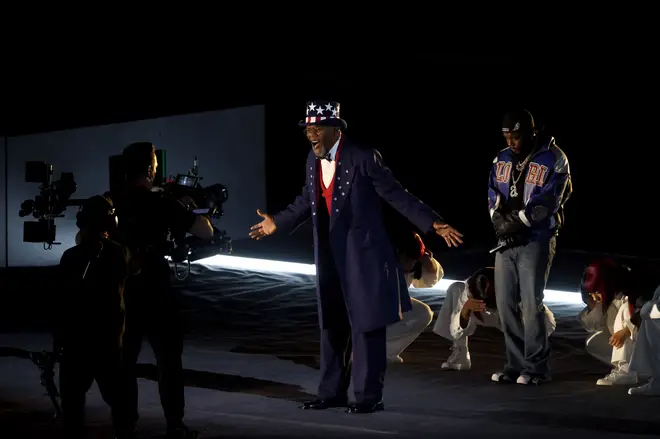
Music videos were the primary vehicle that transported the crip walk from the streets to the global stage. Without MTV and BET playing these videos on rotation, the dance might have remained a regional secret. Certain videos are considered iconic in the history of the dance, showcasing the best examples of the footwork performed by artists who grew up in the culture.
Watching these videos is often the best way for new dancers to learn the rhythm and style. Unlike a tutorial, which breaks down the steps, a music video shows the “swag” and attitude required to pull it off. The attitude is just as important as the foot placement. You have to look relaxed and confident, not frantic or worried about your next step.
Snoop Dogg: The Global Ambassador
Snoop Dogg is arguably the most famous person to perform the crip walk. He has done it on stage, in videos, and even during the Super Bowl Halftime Show. His version is smooth, laid-back, and instantly recognizable. Because he is such a massive global celebrity, his endorsement of the move normalized it for millions of fans.
When Snoop performs the walk, it feels celebratory. He often does it at the end of shows or during the chorus of his biggest hits. For many fans, seeing Snoop dance is a highlight of the performance. He helped transition the move from a signal of intimidation to a signal of West Coast pride and party culture.
Xzibit and West Coast Influence
Another major figure in popularizing the walk was Xzibit. His hit song “Get Your Walk On” was practically an anthem for the movement. The video featured dozens of people performing the crip walk in various locations, emphasizing the community aspect of the dance. Xzibit’s energetic style contrasted with Snoop’s laid-back approach, showing that there was room for personal expression within the framework of the dance.
Other artists like WC (from Westside Connection) were also instrumental. WC was known for doing the walk on stage during live concerts, often highlighting intricate variations that dazzled the crowd. These artists ensured that West Coast hip-hop had a distinct visual identity that separated it from the East Coast and Southern hip-hop scenes of the time.
How to Respectfully Engage with the Culture
If you are interested in learning the crip walk as a dance form, respect is key. It is important to acknowledge where it came from. Ignoring the history is a form of cultural erasure. When you learn the moves, you are participating in a culture that was born out of struggle and resilience in marginalized communities.
Treating it purely as a joke or a meme can be offensive. If you are recording yourself for social media, it’s worth adding a caption or context that shows you appreciate the art form. Also, be mindful of where you perform it. As noted before, context matters. It’s a dance, but it’s a dance with a heavy history.
Do’s and Don’ts for Dancers
|
Category |
Do’s |
Don’ts |
|---|---|---|
|
Learning |
Do practice the basic V-step first. |
Don’t try to speed up before you have balance. |
|
Context |
Do understand the history of the dance. |
Don’t perform it in gang-territory neighborhoods. |
|
Style |
Do develop your own smooth rhythm. |
Don’t use gang hand signs while dancing. |
|
Attire |
Do wear flat sneakers for better movement. |
Don’t wear specific gang colors if unsure. |
|
Respect |
Do treat it as an art form. |
Don’t mock the culture or origins. |
The Role of Social Media Today
Today, social media platforms like TikTok and Instagram have given the crip walk a second life. A new generation of dancers is discovering the footwork and mixing it with modern songs. Sometimes they call it the “C-Walk,” and sometimes they mix it with other styles like shuffling or cutting shapes.
This digital evolution has further detached the dance from its gang origins for the younger generation. For a 14-year-old on TikTok, it is just a cool footwork challenge. However, comment sections often serve as history lessons, where older users educate the younger ones about what the dance actually represents. This digital dialogue keeps the history alive even as the dance evolves.
Is the Crip Walk Still Relevant?
You might wonder if a dance from the 70s and 90s still matters today. The answer is yes. Trends in hip-hop are cyclical. Just as fashion from the 90s has come back into style, so have the dance moves. The crip walk is a staple of West Coast identity. Whenever West Coast hip-hop is celebrated, the walk is there.
Furthermore, the technical aspect of the dance—the footwork—has influenced other dance styles. Elements of the C-Walk can be seen in modern shuffling and breakdancing. It set a standard for intricate footwork that continues to inspire choreographers today. It is a piece of living history that connects the past to the present.
Influence on Modern Footwork Dances
If you look at modern dance styles like the Melbourne Shuffle or various forms of electronic dance music (EDM) dancing, you can see similarities to the crip walk. The emphasis on heel-toe pivoting and gliding is a shared technique. While the music and the vibe are different, the mechanics of how the human body moves across the floor remain similar.
Dancers who study hip-hop history often learn the C-Walk as part of their training. It helps with balance, rhythm, and foot coordination. It is considered a fundamental skill in the street dance curriculum, much like learning the “Running Man” or the “Robot.” It is a classic that commands respect in the dance community.
Staying Power in Pop Culture
The fact that we are still talking about and writing articles about the crip walk proves its staying power. It survived the 70s, exploded in the 90s, and persists in the 2020s. It has appeared in video games (like Grand Theft Auto), movies, and countless viral videos.
It has become a symbol of coolness and defiance. Even if people don’t know the full history, they recognize the move. It has transcended its specific local origins to become a globally recognized symbol of American urban culture.
Conclusion
The crip walk is far more than just a series of dance steps; it is a cultural phenomenon with a rich, complex, and sometimes dark history. From its beginnings as a gang signal in South Central Los Angeles to its status as a worldwide dance craze performed by superstars, it has undergone a massive transformation. It serves as a reminder of how art and culture can emerge from difficult circumstances and how local traditions can influence the entire world.
For anyone interested in learning the walk, the key is to approach it with respect and patience. Master the basics, understand the context, and enjoy the rhythm. Whether you are watching old-school music videos or scrolling through modern TikToks, the intricate V-shaped footwork of the crip walk remains mesmerizing to watch. If you’re looking for more insights into cultural trends and lifestyle topics, you can explore more at Forbes Planet.
Frequently Asked Questions (FAQ)
1. Is it illegal to do the Crip Walk?
No, it is not illegal to perform the dance moves. However, some schools or private venues may ban it due to its gang associations. Additionally, performing it in certain neighborhoods where gang activity is high could be dangerous or misinterpreted.
2. Can anyone learn the Crip Walk?
Yes, anyone can learn the physical movements of the dance. It requires practice, balance, and coordination. There are many tutorials available online that break down the steps for beginners.
3. What is the difference between the C-Walk and the Clown Walk?
The C-Walk (Crip Walk) has roots in gang culture and is often slower and more deliberate. The Clown Walk is a faster, more energetic derivation focused purely on dance and competition, stripped of gang affiliation.
4. Why do dancers focus on the V-shape?
The V-shape is the mechanical foundation of the dance. It allows the dancer to pivot and move smoothly across the floor. It also historically mimicked the writing of letters on the ground.
5. What is the best music for Crip Walking?
Classic West Coast hip-hop from the 1990s, particularly G-Funk tracks with a steady, bouncy beat, is considered the traditional soundtrack for the dance. Artists like Snoop Dogg, Dr. Dre, and WC are great choices.
Stay Informed With the Latest & Most Important News
Previous Post
Next Post










Advertisement