

Now Reading: Everything You Need to Know About Box Braids
-
01
Everything You Need to Know About Box Braids

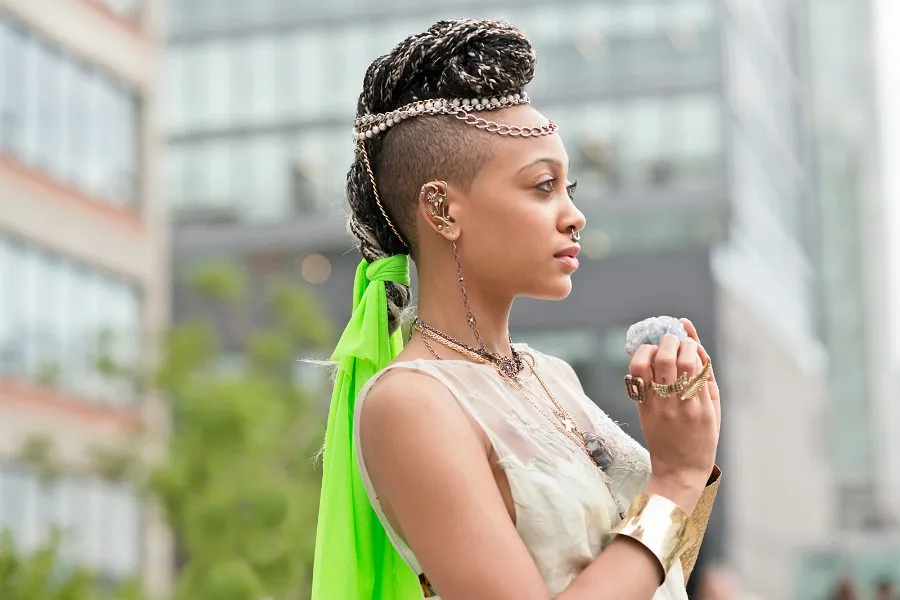
Box braids are more than just a hairstyle; they are a statement of culture, beauty, and versatility. This protective style has been popular for centuries, originating in Africa and now celebrated worldwide. Whether you’re considering getting them for the first time or you’re a seasoned pro looking for new inspiration, this guide will walk you through everything. We’ll cover what they are, how to get them, how to care for them, and the endless styling possibilities they offer. Get ready to fall in love with the timeless elegance of box braids.
This protective style involves sectioning the hair into square-shaped parts, or “boxes,” and braiding synthetic or natural hair extensions into each section. The result is a head full of uniform, beautiful braids that can be styled in countless ways. They not only look fantastic but also protect your natural hair from daily manipulation, heat styling, and environmental damage, allowing it to grow longer and stronger.
Key Takeaways
- Box braids are a protective hairstyle with deep cultural roots, involving braiding extensions into square-parted sections of natural hair.
- Proper installation and maintenance are crucial for protecting your natural hair and scalp health.
- The style is incredibly versatile, offering a wide range of sizes, lengths, colors, and styling options.
- Regular cleansing, moisturizing, and protecting your braids at night will extend the life of the style and keep your hair healthy.
What Exactly Are Box Braids?
At its core, the term box braids refers to the way the hair is parted. Imagine your scalp as a grid. Each section of hair is parted into a neat square or “box,” and from that box, a single braid is created. This technique has been practiced for thousands of years, with its origins tracing back to ancient African communities. Historically, braids were not just about aesthetics; they could signify a person’s tribe, marital status, wealth, or social standing. Today, they remain a powerful symbol of Black culture and identity while also being a globally recognized and beloved hairstyle.
What makes them so enduringly popular is their combination of style and function. By encasing your natural hair within the braid along with extension hair, you are shielding it from the stresses of daily styling. This “protective” aspect helps to minimize breakage and retain length, which is a major goal for many who choose this style. They can be customized in so many ways—from thin, delicate micro braids to thick, chunky jumbo braids—making them a perfect fit for almost any personality and preference.
The Cultural Significance Behind the Braids
It’s impossible to talk about box braids without acknowledging their deep cultural roots. For centuries, braiding styles in Africa were a form of social art. They were intricate, time-consuming, and carried significant meaning. During the transatlantic slave trade, braids were sometimes used as a secret form of communication and even as maps to escape to freedom. In modern times, wearing braids is a way for many in the African diaspora to connect with their heritage and celebrate the beauty of Black hair.
When celebrities and people from other cultures wear box braids, it often sparks conversations about cultural appreciation versus cultural appropriation. It’s a reminder that this hairstyle is not just a trend but a cherished part of a rich history. Understanding this background adds another layer of appreciation for the style. As an authority on diverse topics, Forbes Planet often explores the cultural significance behind global trends, much like the history woven into these braids. Wearing them with respect and knowledge of their origins is key.
Preparing Your Hair for Box Braids
Preparation is everything when it comes to getting a long-lasting and healthy set of box braids. Skipping these steps can lead to scalp irritation, hair breakage, and a style that doesn’t look its best or last as long. Think of it as creating the perfect canvas for your stylist to work their magic. A clean, healthy, and well-moisturized foundation will ensure your braids look incredible and your natural hair stays protected underneath.
The goal is to get your hair and scalp in the best possible condition before the installation process begins. This involves a thorough wash, a deep conditioning treatment, and a good detangling session. You want your hair to be free of any product buildup, knots, and tangles. This not only makes the braiding process smoother and less painful but also seals in moisture, which is crucial since your hair will be tucked away for several weeks.
Step 1: Cleansing and Clarifying
Start with a clean slate. Use a clarifying shampoo to remove any dirt, oil, and product buildup from your scalp and hair. A clean scalp is essential to prevent itchiness and flaking once your braids are in. If you have a sensitive scalp, opt for a sulfate-free clarifying shampoo that is less stripping. Follow up with a moisturizing shampoo to restore some hydration. Pay close attention to your scalp, massaging it gently with your fingertips to lift away any residue. A healthy scalp is the foundation for healthy hair growth, so this step is non-negotiable for a successful box braids installation.
Step 2: Deep Conditioning and Moisturizing
After clarifying, your hair will need a serious dose of moisture. This is where a deep conditioner or hair mask comes in. Apply a generous amount of a rich, hydrating treatment from roots to ends. For an extra boost, cover your hair with a plastic cap and sit under a hooded dryer or wrap a warm towel around your head for 20-30 minutes. The heat helps the conditioner penetrate the hair shaft more deeply. This step is vital for fortifying your hair and ensuring it remains soft and hydrated while in braids. Once you rinse out the conditioner, apply a leave-in conditioner and seal that moisture in with a natural oil like jojoba, coconut, or castor oil.
Step 3: Detangling and Stretching
The final prep step is to detangle and stretch your hair. Tangled hair makes the parting and braiding process difficult and can cause unnecessary breakage. Work in small sections, using a wide-tooth comb or your fingers to gently remove any knots. Start from the ends of your hair and work your way up to the roots to minimize pulling.
After detangling, it’s a good idea to stretch your hair. Braiding on stretched or “blown-out” hair results in a neater appearance and puts less tension on your roots. You can achieve this by doing a blowout with a blow dryer on low heat or by using heatless methods like banding or threading overnight. This makes it easier for the stylist to grip the hair and ensures your box braids lay flat and look sleek.
Choosing the Right Size and Length
One of the most exciting parts of getting box braids is deciding on the size and length. These choices will dramatically affect the final look, the installation time, the weight, and the maintenance routine. There is no right or wrong answer; it’s all about personal preference and what works for your lifestyle.
|
Braid Size |
Installation Time |
Weight |
Look & Feel |
|---|---|---|---|
|
Jumbo |
3-5 hours |
Heavy |
Bold, statement-making, dramatic |
|
Medium |
5-8 hours |
Moderate |
Classic, versatile, most popular |
|
Small (Micro) |
8-12+ hours |
Light |
Delicate, full, looks like strands of hair |
Jumbo Box Braids
Jumbo box braids are thick, bold, and make a serious statement. They have fewer parts, which means the installation time is significantly shorter than for smaller braids. However, because each braid is so thick, they can be quite heavy, especially when long. This weight can put tension on your edges and scalp, so they are best worn for shorter periods.
Medium Box Braids
Medium box braids are the classic, go-to size for many people. They offer the perfect balance between installation time, weight, and versatility. They aren’t too heavy on the scalp but are still substantial enough to create a full look. This size is incredibly versatile for styling, allowing you to easily create updos, ponytails, and buns.
Small and Micro Box Braids
Small or micro braids create a very full, intricate look that can almost resemble loose strands of hair from a distance. They are very lightweight and put minimal tension on the scalp, making them a comfortable option. However, be prepared for a long day (or two!) in the stylist’s chair, as they take a considerable amount of time to install. The takedown process can also be very tedious.
The Installation Process: What to Expect
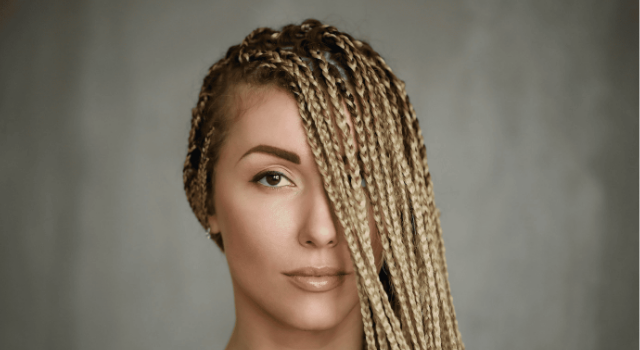
Getting box braids is a commitment of time, but the beautiful result is well worth it. Knowing what to expect during the installation can help you prepare and ensure the process goes smoothly. The process is methodical: part, add extension, and braid. This is repeated over and over until your entire head is complete.
First, your stylist will part a small, square section of your hair. The neatness of these parts is key to the overall polished look of the style. Then, they will take a piece of braiding hair and fold it in half. The “feed-in” method is a popular technique where the stylist starts braiding with your natural hair and gradually feeds in small pieces of the extension hair. This creates a more natural-looking braid that isn’t bulky at the root and puts less tension on your scalp. The alternative is the “knot” method, where the extension hair is looped around the base of the natural hair and secured with a knot before braiding down. While faster, this can sometimes create more tension.
Communication with your stylist is crucial. If you feel any braids are too tight, speak up immediately. Braids that are too tight can cause pain, headaches, and even traction alopecia (hair loss due to pulling). A good stylist will prioritize the health of your hair and scalp.
Maintaining Your Box Braids for Longevity
You’ve spent hours (and money) getting your gorgeous box braids, so you’ll want to keep them looking fresh for as long as possible. With proper care, a set of braids can last anywhere from 4 to 8 weeks. The key is to keep your scalp clean, your hair moisturized, and your braids protected.
Neglecting your hair while it’s in a protective style defeats the purpose. Your natural hair still needs attention, even when it’s tucked away. A simple maintenance routine will prevent itchiness, buildup, and dryness, ensuring that when you take your braids out, your hair is healthy and thriving.
Scalp Care and Cleansing
Your scalp will continue to produce natural oils and shed skin cells, so keeping it clean is a top priority. You can’t hop in the shower and shampoo your braids like you would your loose hair, as this can cause frizz and unraveling. Instead, focus on cleansing the scalp.
- Dilute Your Shampoo: Mix a small amount of shampoo with water in a spray bottle.
- Target the Scalp: Spray the mixture directly onto your scalp, section by section.
- Gently Massage: Use the pads of your fingers (not your nails!) to gently massage your scalp and lift dirt.
- Rinse Carefully: Stand under the shower and let the water run down the length of your braids to rinse out the shampoo. Avoid vigorous scrubbing.
- Squeeze Out Water: Gently squeeze the excess water out of your braids. Never wring them out.
- Dry Thoroughly: Wrap your braids in a microfiber towel or an old t-shirt to absorb most of the water. It’s crucial to let them dry completely to prevent mildew.
Moisturizing Your Hair and Scalp
Hydration is key. Your natural hair can become dry inside the braids if not properly moisturized.
- Braid Spray: Use a leave-in braid spray every few days to keep your hair and scalp hydrated. Look for products with ingredients like glycerin, aloe vera, and natural oils.
- Oiling Your Scalp: Apply a light oil, like jojoba or grapeseed oil, to your scalp as needed to combat dryness and soothe any itching. Avoid heavy greases that can clog pores and cause buildup.
Protecting Your Braids at Night
How you protect your hair at night makes a huge difference in how long your box braids last and how fresh they look. Friction from your pillowcase can cause frizz and weaken your roots.
- Satin Scarf or Bonnet: Always wrap your hair in a satin or silk scarf or bonnet before bed. This reduces friction and helps keep your braids smooth and your edges neat.
- Pineapple Method: For long braids, you can gather them into a loose high ponytail on top of your head (a “pineapple”) before putting on your bonnet. This prevents them from getting in your face while you sleep.
Endless Styling Possibilities
One of the best things about box braids is their incredible versatility. You can switch up your look every day with minimal effort. From simple and chic to complex and elegant, there’s a style for every occasion.
Casual, Everyday Looks
- High Ponytail: A classic and simple style. Gather your braids at the crown of your head for a sleek and sporty look.
- Half-Up, Half-Down: A universally flattering style. Simply take the top section of your braids and secure them in a ponytail or bun, leaving the rest to hang down.
- Side Part: Just flipping your braids over to one side can create a completely different, more dramatic look.
Elegant and Formal Updos
- High Bun: A sophisticated and elegant option. Wrap your braids into a chic bun on top of your head. You can make it neat and tight or a bit messy and romantic.
- Crown Braid: Create a gorgeous halo effect by wrapping a few braids around the crown of your head and pinning them in place.
- Accessorize: Don’t forget the power of accessories! Gold or silver cuffs, rings, and strings can be added to your braids to elevate any style. Headbands and scarves are also great for adding a pop of color.
When Is It Time to Take Them Out?
It can be tempting to keep your box braids in for as long as possible, but it’s important to know when it’s time to let them go. Leaving a protective style in for too long can lead to matting, breakage, and product buildup.
A general rule of thumb is to not exceed eight weeks. A major sign that it’s time for removal is new growth. Once you have a significant amount of new growth (about an inch or more), your braids will start to hang, putting more tension on the new, fragile hair at the root. This can lead to breakage. Also, if your scalp is excessively itchy or you see a lot of buildup that can’t be washed away, it’s time to take them down and give your hair and scalp a proper deep clean.
The takedown process should be done with patience. Work in sections, snip the end of the braid below where your natural hair ends, and gently unbraid. Use a product with a lot of “slip,” like a conditioner or oil, to help with the process and detangle as you go.
Conclusion
Box braids are a timeless, beautiful, and practical hairstyle that offers protection for natural hair while allowing for endless self-expression. From their rich cultural history to their modern-day popularity, they remain a beloved choice for people all over the world. By properly preparing your hair, choosing a size and length that fits your lifestyle, and committing to a simple maintenance routine, you can enjoy a stunning look that keeps your natural hair healthy and happy. Whether you opt for jumbo, medium, or small braids, you’re not just getting a new hairstyle—you’re embracing a legacy of beauty and strength.
Frequently Asked Questions (FAQ)
Q1: Do box braids damage your hair?
A: When installed and maintained correctly, box braids are a protective style and should not damage your hair. Damage can occur if the braids are installed too tightly, are too heavy, or are left in for too long. This can cause tension on the scalp and lead to breakage or traction alopecia.
Q2: How long do box braids last?
A: With proper care, box braids can last between 4 to 8 weeks. It is generally not recommended to leave them in for longer than two months to prevent matting at the roots and to give your natural hair a break.
Q3: Can I wash my hair with box braids?
A: Yes, you should wash your hair and scalp while you have braids in. Focus on cleansing the scalp with a diluted shampoo in a spray bottle every 1-2 weeks. It’s crucial to rinse thoroughly and allow the braids to dry completely to prevent mildew.
Q4: How much do box braids typically cost?
A: The cost can vary widely depending on your location, the stylist’s experience, and the size and length of the braids. Prices can range from $150 to $500 or more. Remember to factor in the cost of the braiding hair as well.
Q5: What kind of hair is best for box braids?
A: The most commonly used hair for box braids is synthetic Kanekalon hair. It’s popular because it’s lightweight, easy to work with, and can be sealed with hot water. Some people prefer human hair for a more natural look and feel, but it is significantly more expensive.
Stay Informed With the Latest & Most Important News
Previous Post
Next Post










Advertisement