

Now Reading: Black Seed Oil Benefits: A Guide to This Ancient Remedy
-
01
Black Seed Oil Benefits: A Guide to This Ancient Remedy

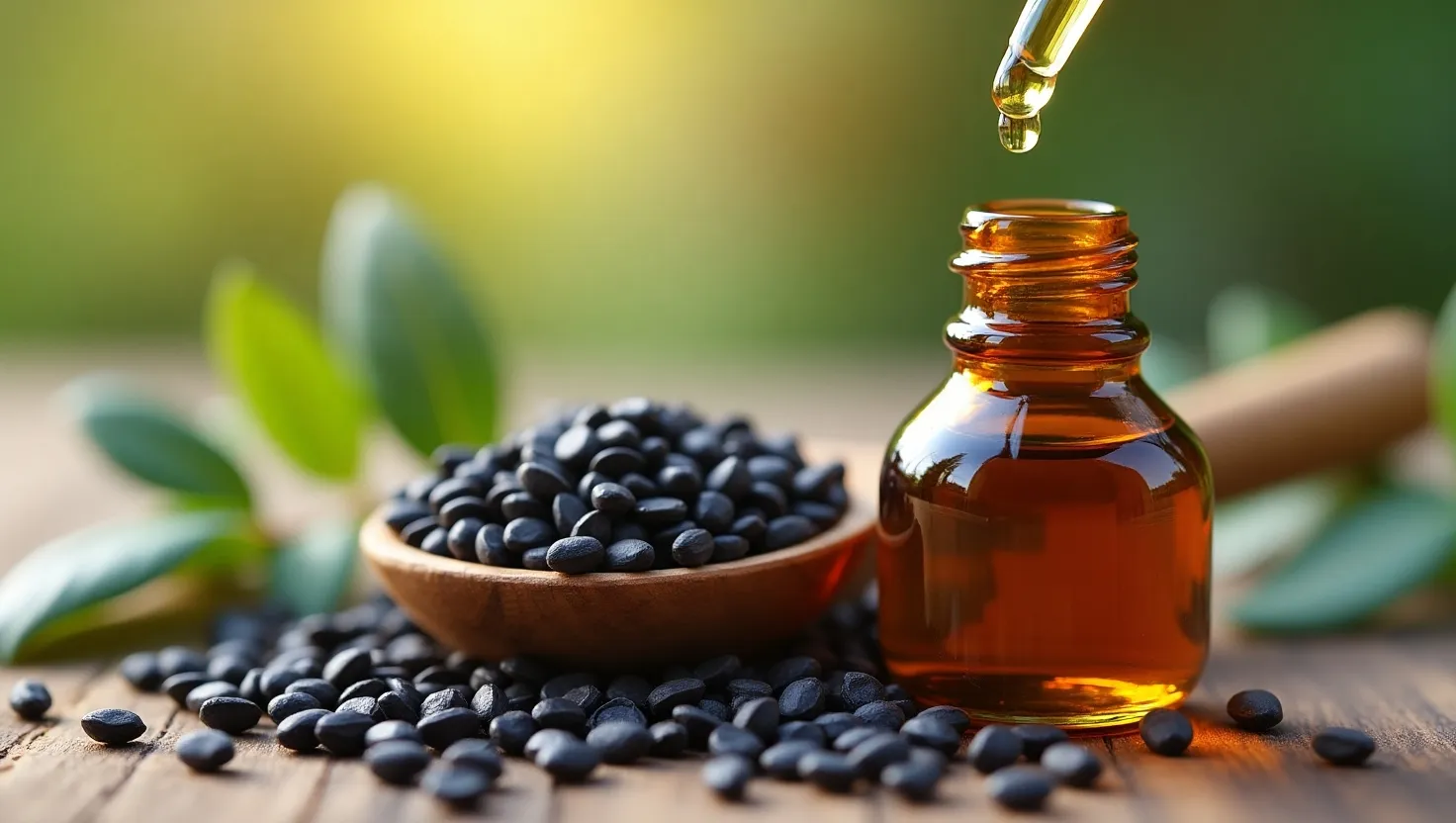
Have you ever heard of an ancient spice that was so prized it was found in the tomb of an Egyptian pharaoh? Meet Nigella sativa, a small flowering plant whose seeds are the source of a powerful oil. Often called black seed oil, black cumin seed oil, or kalonji oil, this substance has been used for thousands of years in traditional medicine. Today, modern science is beginning to explore the many black seed oil benefits that people have sworn by for centuries. From supporting your immune system to enhancing skin health, this natural oil packs a surprising punch.
This article will walk you through everything you need to know. We will explore the historical uses of black seed oil, dive deep into its science-backed health advantages, and discuss how you can safely add it to your daily routine. Get ready to uncover the secrets of this remarkable natural remedy.
Key Takeaways
- Rich in Thymoquinone: Black seed oil’s primary active compound, thymoquinone, is a powerful antioxidant and anti-inflammatory agent responsible for many of its health benefits.
- Immune System Support: The oil can help modulate and strengthen the immune system, making it more effective at fighting off illnesses.
- Skin and Hair Health: Topically and internally, black seed oil can improve conditions like acne and eczema, moisturize the skin, and promote stronger hair.
- Metabolic Health: Studies suggest it may help with weight management, improve blood sugar levels, and support healthy cholesterol.
- Versatile Use: It can be consumed as a liquid or in capsules, and also applied directly to the skin and hair for targeted benefits.
What Exactly Is Black Seed Oil?
Black seed oil is extracted from the seeds of Nigella sativa, a plant native to Eastern Europe, Western Asia, and the Middle East. These tiny black seeds have a slightly bitter, peppery flavor and are sometimes used as a spice in cooking, similar to cumin or oregano. However, their true power is unlocked when they are cold-pressed to extract their potent oil. The resulting oil is a concentrated source of phytochemicals, which are natural compounds produced by plants that have protective or disease-preventing properties. For centuries, cultures across the globe have used this oil to treat a wide array of ailments, from simple headaches to more complex conditions.
The most important of these compounds is thymoquinone. This is the star player responsible for most of the black seed oil benefits. Thymoquinone is a powerful antioxidant, meaning it helps protect your cells from damage caused by unstable molecules called free radicals. It also has strong anti-inflammatory properties. This combination of antioxidant and anti-inflammatory action is why black seed oil is being studied for so many different health applications. Think of it as nature’s multi-tool for wellness, capable of addressing issues at a cellular level.
The Historical Significance of Black Seed
The use of black seed is not a new health trend. Its history dates back over 3,000 years. Archaeologists even discovered a container of black seed oil in the tomb of the Egyptian pharaoh Tutankhamun, suggesting it was considered a valuable substance needed for the afterlife. Ancient Egyptian queens like Nefertiti and Cleopatra were also said to have used the oil for beauty, applying it to their skin and hair to maintain a youthful appearance. In ancient Greek medicine, physicians like Hippocrates and Dioscorides documented its use for digestive troubles and general malaise.
This reverence for black seed continued through the ages. In Islamic tradition, it is regarded as a “blessed seed,” with the Prophet Muhammad reportedly stating that it is a “cure for every disease except death.” This powerful endorsement solidified its place in traditional Arabic and Unani medicine, where it was used for respiratory conditions, inflammation, pain, and digestive issues. This long and storied history provides a fascinating backdrop to the modern scientific research that is now validating many of these traditional uses and uncovering even more black seed oil benefits.
Top 10 Black Seed Oil Benefits for Your Health
While traditional anecdotes are compelling, modern science seeks to understand the “how” and “why” behind these benefits. Researchers have conducted numerous studies on Nigella sativa and its oil, and the results are promising. Let’s explore the top science-backed black seed oil benefits.
1. Powerful Antioxidant Properties
Every day, your body is exposed to free radicals from pollution, UV rays, and even normal metabolic processes. These molecules cause oxidative stress, which damages cells and contributes to aging and chronic diseases. Black seed oil is packed with antioxidants, most notably thymoquinone, which neutralize these harmful free radicals. By protecting your cells from damage, antioxidants play a crucial role in maintaining overall health and preventing illness. Regular consumption of black seed oil can help boost your body’s natural defense system against oxidative stress, supporting long-term wellness and vitality. This protective effect is one of the most fundamental black seed oil benefits.
2. Boosting the Immune System
A strong immune system is your body’s first line of defense against bacteria, viruses, and other pathogens. Black seed oil has been shown to have immunomodulatory effects, meaning it can help regulate and support immune function. It doesn’t just “boost” the immune system blindly; it helps balance it. For people with overactive immune responses, such as those with autoimmune conditions, it can help calm the system. For others, it can enhance the activity of immune cells like T-cells and natural killer cells, which are responsible for fighting off infections and destroying compromised cells. This balancing act makes black seed oil a valuable ally for maintaining a resilient and responsive immune system throughout the year.
3. Reducing Inflammation
Inflammation is a natural response to injury or infection. However, chronic inflammation can contribute to a host of diseases, including heart disease, diabetes, and arthritis. The thymoquinone in black seed oil is a potent anti-inflammatory agent. It works by inhibiting the production of pro-inflammatory chemicals in the body, such as prostaglandins and leukotrienes. Several studies have demonstrated this effect. For example, research on individuals with rheumatoid arthritis, an autoimmune condition characterized by joint inflammation, found that supplementing with black seed oil helped reduce markers of inflammation and oxidative stress, leading to decreased joint swelling and morning stiffness. This makes exploring black seed oil benefits a promising avenue for managing inflammatory conditions.
4. Supporting Respiratory Health
Black seed oil has a long history of use for respiratory ailments like asthma, bronchitis, and allergies. Its anti-inflammatory properties are key here. In asthma, inflammation causes the airways to swell and narrow, making breathing difficult. Thymoquinone can help relax the airway muscles and reduce this inflammation, acting as a natural bronchodilator. Studies have shown that people with asthma who take black seed oil may experience improvements in symptoms and lung function. Similarly, for seasonal allergies, the oil can help reduce symptoms like sneezing, itchy eyes, and nasal congestion by modulating the immune system’s response to allergens.
5. Enhancing Skin Health and Appearance
The benefits of black seed oil extend to your body’s largest organ: the skin. Its antibacterial and anti-inflammatory properties make it effective for various skin conditions.
For Acne and Eczema
For acne-prone skin, black seed oil can help reduce the bacteria that contribute to breakouts and calm the inflammation that causes red, painful pimples. A lotion prepared with black seed oil was found to significantly reduce acne lesions after two months of use. For eczema, a condition characterized by dry, itchy, and inflamed skin, the oil’s moisturizing and anti-inflammatory effects can provide soothing relief. Applying it topically can help restore the skin barrier, reduce itching, and calm flare-ups.
As a Natural Moisturizer
Rich in fatty acids, black seed oil is also an excellent natural moisturizer. It helps to lock in moisture, leaving the skin feeling soft and hydrated without clogging pores. This makes it suitable for both dry and oily skin types, as it helps to balance oil production.
6. Promoting Healthy Hair and Scalp
Just as it benefits the skin, black seed oil can also work wonders for your hair. Its combination of antioxidants and antimicrobial properties helps maintain a healthy scalp environment, which is essential for strong hair growth. It can help address issues like dandruff and scalp irritation. Furthermore, the oil is believed to strengthen hair follicles, which may help reduce hair thinning and shedding. Many people incorporate black seed oil into their hair care routine by mixing it with a carrier oil (like coconut or olive oil) and using it as a scalp massage treatment or a hair mask to promote shinier, stronger, and healthier-looking hair.
7. Aiding in Weight Management
The battle with weight management is complex, but black seed oil may offer some support. Research suggests that it can have a modest but positive effect on body weight, body mass index (BMI), and waist circumference. It is thought to work through several mechanisms, including reducing appetite, boosting metabolism, and improving blood sugar control. While it’s not a magic bullet for weight loss, incorporating black seed oil into a healthy lifestyle that includes a balanced diet and regular exercise could provide an extra edge. Its ability to reduce inflammation, which is often elevated in individuals with obesity, is another one of the key black seed oil benefits in this area.
8. Supporting Metabolic Health
Metabolic syndrome is a cluster of conditions—including high blood pressure, high blood sugar, excess body fat around the waist, and abnormal cholesterol levels—that increase the risk of heart disease and type 2 diabetes. Several black seed oil benefits are related to improving these markers.
Blood Sugar Regulation
Studies have indicated that black seed oil can help improve blood sugar control. It may enhance insulin sensitivity, meaning your cells are better able to use glucose from your blood for energy. Research in individuals with type 2 diabetes has shown that supplementation can lead to reductions in fasting blood sugar and HbA1c levels, a marker of long-term blood sugar control.
Cholesterol and Blood Pressure
Black seed oil may also support heart health by improving cholesterol levels. It has been shown to lower levels of “bad” LDL cholesterol and triglycerides while having a positive effect on “good” HDL cholesterol. Additionally, some studies suggest it can have a modest blood pressure-lowering effect in individuals with mild hypertension.
|
Health Marker |
Potential Effect of Black Seed Oil |
|---|---|
|
Fasting Blood Sugar |
Lowered |
|
HbA1c (Long-term Sugar) |
Reduced |
|
LDL (“Bad”) Cholesterol |
Lowered |
|
Triglycerides |
Lowered |
|
Blood Pressure |
Modestly Reduced |
9. Potential for Brain Health (Neuroprotection)
Emerging research is beginning to explore the neuroprotective properties of black seed oil. The antioxidant and anti-inflammatory effects of thymoquinone may help protect brain cells from damage. Oxidative stress and inflammation are implicated in neurodegenerative diseases like Alzheimer’s and Parkinson’s. While research is still in its early stages and primarily conducted in labs, studies have shown that thymoquinone can help protect neurons from toxicity. There is also evidence suggesting it may improve memory and cognition. This is an exciting area of ongoing research that could unlock significant future black seed oil benefits.
10. Supporting Liver and Kidney Function
The liver and kidneys are vital organs responsible for filtering toxins from your body. The antioxidant properties of black seed oil can help protect these organs from damage caused by medications, alcohol, and other harmful substances. Animal studies have shown that black seed oil can safeguard the liver from injury and improve its function. Similarly, it has demonstrated protective effects on the kidneys, helping to prevent damage and preserve their filtering capabilities. By supporting the health of these crucial detoxification organs, black seed oil contributes to overall systemic health and well-being.
How to Use Black Seed Oil
With so many potential benefits, you might be wondering how to incorporate black seed oil into your routine. There are a few different ways to use it, depending on your goals.
- Oral Consumption: The most common way to take black seed oil is orally. It is available in liquid form or as capsules. The liquid oil has a strong, pungent taste that some people find unpleasant. To make it more palatable, you can mix it with honey, lemon juice, or yogurt. The typical dosage is 1-2 teaspoons per day. Capsules offer a convenient, taste-free alternative.
- Topical Application: For skin and hair benefits, you can apply the oil directly. For skin conditions like acne or eczema, apply a small amount to the affected area. For general skin moisturization, you can mix a few drops into your regular lotion. For hair, massage the oil into your scalp and through your hair, leave it on for 30 minutes to an hour, and then shampoo it out.
- In Food: The seeds themselves can be used as a spice. You can lightly toast them to bring out their flavor and sprinkle them on salads, bread, or stir-fries.
It is always best to start with a small dose to see how your body reacts and consult with a healthcare professional before beginning any new supplement regimen. For more insights on integrating natural wellness practices, resources like Forbes Planet can offer a broader perspective on sustainable health.
Potential Side Effects and Precautions
Black seed oil is generally considered safe for most people when used in moderation. However, there are a few potential side effects and precautions to keep in mind.
- Digestive Upset: Some people may experience mild digestive issues like an upset stomach, nausea, or bloating, especially when first starting to take the oil.
- Allergic Reactions: In rare cases, some individuals may have an allergic reaction, resulting in a rash when applied to the skin. It’s wise to do a patch test on a small area of skin first.
- Medical Conditions: If you are pregnant, breastfeeding, or have a medical condition (especially a bleeding disorder or low blood pressure), you should consult your doctor before using black seed oil. It may slow blood clotting and lower blood pressure.
- Medication Interactions: Black seed oil can interact with certain medications, including blood thinners and blood pressure drugs. Always talk to your healthcare provider to ensure it won’t interfere with your current medications.
Conclusion
From the tombs of pharaohs to modern laboratories, black seed oil has proven to be a remarkably resilient and versatile natural remedy. Its power lies in its rich composition of active compounds, particularly the antioxidant and anti-inflammatory hero, thymoquinone. The extensive list of black seed oil benefits—ranging from bolstering the immune system and calming inflammation to enhancing skin radiance and supporting metabolic health—makes it a compelling supplement for anyone interested in natural wellness.
While it is not a cure-all, the scientific evidence supporting its traditional uses continues to grow. By understanding its benefits, proper usage, and safety precautions, you can make an informed decision about whether this ancient oil deserves a place in your modern health toolkit. Whether taken as a daily supplement or used topically for skin and hair, black seed oil offers a natural way to support your body’s health and vitality from the inside out.
Frequently Asked Questions (FAQ)
Q1: What does black seed oil taste like?
A: Black seed oil has a very distinct taste. It is often described as strong, pungent, peppery, and slightly bitter. Many people find the taste unpleasant on its own, which is why it’s often mixed with honey, juice, or taken in capsule form.
Q2: How long does it take to see the benefits of black seed oil?
A: This varies greatly depending on the individual and the benefit being sought. Some people may notice improvements in energy or allergy symptoms within a few weeks. For other benefits, such as improvements in skin, weight, or metabolic markers, it may take several months of consistent use to see noticeable results.
Q3: Can I take black seed oil every day?
A: Yes, for most people, taking a small daily dose (e.g., 1-2 teaspoons or the equivalent in capsules) of black seed oil is considered safe. However, it’s always best to start with a lower dose and consult with a healthcare professional, especially if you plan to use it long-term or have underlying health conditions.
Q4: Is black seed oil the same as black cumin seed oil?
A: Yes. Black seed oil, black cumin seed oil, and kalonji oil are all different names for the oil extracted from the seeds of the Nigella sativa plant. Be careful not to confuse it with regular cumin (Cuminum cyminum) or black sesame, which are different plants entirely.
Q5: Which is better: black seed oil liquid or capsules?
A: Neither is inherently “better”; it comes down to personal preference. The liquid oil may be absorbed slightly faster by the body, but the taste can be a major drawback. Capsules are convenient, portable, and eliminate the taste issue completely, making them an easier choice for many people to stick with consistently. Both forms can deliver the black seed oil benefits effectively.
Related Posts



Stay Informed With the Latest & Most Important News
Previous Post
Next Post









Advertisement