

Now Reading: Baker’s Waterfall: Sri Lanka’s Misty Marvel
-
01
Baker’s Waterfall: Sri Lanka’s Misty Marvel

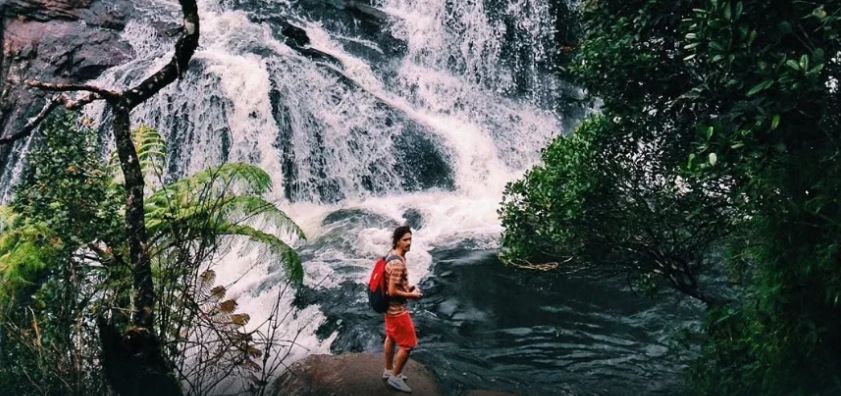
Nestled in the heart of Sri Lanka’s stunning Horton Plains National Park, a place of cloud forests and rolling grasslands, lies a true natural spectacle: Baker’s Waterfall. This breathtaking cascade is more than just a beautiful sight; it’s a destination that captures the wild, untamed spirit of the island’s hill country. For travelers seeking adventure, tranquility, and a deep connection with nature, a visit to Baker’s Waterfall is an unforgettable experience. This guide will walk you through everything you need to know to explore this misty marvel, from its fascinating history to the practical details of your trip.
Key Takeaways
- Location: Baker’s Waterfall is located inside Horton Plains National Park in the Nuwara Eliya District of Sri Lanka.
- Best Time to Visit: The ideal time to visit is during the dry season, from January to April, for clearer trails and better weather.
- The Hike: The journey to the waterfall involves a scenic but moderately challenging 9.5 km loop trail that also includes World’s End.
- Significance: Named after the famous British explorer Sir Samuel Baker, the waterfall is a key attraction in a UNESCO World Heritage Site.
- What to Bring: Sturdy hiking shoes, layered clothing, water, snacks, and a camera are essential for a comfortable and enjoyable visit.
The Allure of Baker’s Waterfall
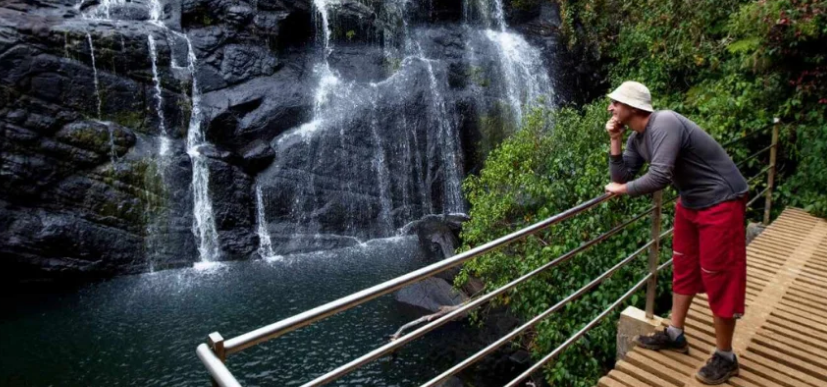
What makes Baker’s Waterfall so special? It’s not just its height or volume, but the entire atmosphere surrounding it. The waterfall cascades down a rocky escarpment in multiple streams, creating a wide, frothy veil of water that plunges into a deep, cool pool below. The water is sourced from the Belihul Oya, one of Sri Lanka’s many vital rivers.
The falls are framed by a lush canopy of giant ferns and rhododendron trees, which bloom in vibrant shades of red and pink, adding a splash of color to the verdant landscape. The constant mist from the falls nourishes this unique ecosystem, making the area feel like a lost world. The sound of the rushing water is a powerful, meditative roar that drowns out everything else, allowing you to be fully present in the moment. This combination of sights, sounds, and the fresh, cool mountain air makes the experience truly immersive.
Who Was Sir Samuel Baker?
The waterfall gets its name from a prominent figure in British colonial history, Sir Samuel White Baker. An avid explorer, big-game hunter, and naturalist, Baker is credited with discovering the falls during one of his expeditions in the mid-19th century. While he is more famously known for his explorations of the Nile River in Africa, his time in Sri Lanka left a lasting mark.
He was captivated by the island’s natural beauty and established a European agricultural settlement in Nuwara Eliya. Naming the waterfall after him was a tribute to his adventurous spirit and his appreciation for the rugged landscapes of the hill country. Today, the name Baker’s Waterfall serves as a historical reminder of the colonial era and the explorers who documented many of the island’s natural wonders for the Western world.
Planning Your Visit: The Best Time to Go
Timing is everything when planning a trip to Horton Plains and Baker’s Waterfall. The weather in Sri Lanka’s hill country can be unpredictable, with conditions changing rapidly from sunny and clear to misty and rainy.
Dry Season (January to April)
This is widely considered the best time to visit. During these months, the weather is generally dry and sunny, offering clear views and safer, less slippery trails. The mornings are crisp and cool, perfect for hiking. With less rainfall, the paths are more manageable, and you have a better chance of seeing the panoramic vistas at World’s End without them being obscured by mist. This period also sees the rhododendrons in full bloom, painting the plains in beautiful colors. The waterfall itself will still be flowing impressively, fed by the region’s consistent water sources.
Shoulder Seasons (May to September)
The shoulder seasons can be a bit of a gamble. You might experience a mix of sunny days and afternoon showers. The crowds are typically smaller during this time, which can be a significant advantage if you prefer a quieter experience. If you decide to visit during these months, it’s wise to start your hike early in the morning to avoid the afternoon rain. The landscape is often at its most lush and green following the rains, offering a different kind of beauty. Just be prepared with rain gear and be extra cautious on potentially muddy and slippery sections of the trail leading down to Baker’s Waterfall.
Monsoon Season (October to December)
Visiting during the heavy monsoon season is generally not recommended. The trails can become treacherous, muddy, and extremely slippery, especially the steep descent to Baker’s Waterfall. Heavy mist and fog often roll in, obscuring all views, including the waterfall itself and the famous drop at World’s End. The risk of leeches is also much higher during this wet period. While the waterfall will be at its most powerful, the dangerous conditions and poor visibility make the journey less enjoyable and potentially unsafe.
The Journey to Baker’s Waterfall: The Horton Plains Loop Trail
The hike to Baker’s Waterfall is an integral part of the experience. It’s not a direct, isolated path but part of a larger, incredibly scenic circular trail that covers the main highlights of Horton Plains National Park. The full loop is approximately 9.5 kilometers (about 6 miles) and takes most visitors between 3 to 4 hours to complete, depending on their pace and how long they stop at each viewpoint. The trail is well-marked and relatively flat for the most part, but the descent to the waterfall is steep and requires care.
Starting the Hike
Your adventure begins at the entrance to Horton Plains National Park. After purchasing your tickets, you’ll start on a wide, paved path that soon gives way to a rustic dirt trail. The park has a strict no-plastic policy, so be prepared to leave any plastic wrappers or bottles behind. The initial part of the hike takes you across the vast, open grasslands of the plains, which are often shrouded in a magical morning mist. You might even spot a sambar deer grazing peacefully in the distance.
Reaching the Fork
About a kilometer into the hike, you will reach a fork in the road. You can choose to go left or right to complete the circular trail. Most guides recommend taking the left path first. This route leads you to Small World’s End and the main World’s End viewpoint before continuing on to Baker’s Waterfall. By doing so, you reach the viewpoints earlier in the morning when the chances of a clear, cloud-free view are highest.
The Descent to the Waterfall
After soaking in the awe-inspiring views from World’s End, the trail continues through a section of dense cloud forest. The path becomes narrower and more rugged here. Soon, you will see a signpost directing you to a path on your right that leads down to Baker’s Waterfall. This is the most challenging part of the hike.
The trail descends sharply via a series of steep, uneven rock steps. It can be slippery, especially if it has rained, so it’s crucial to wear good hiking shoes and take your time. The handrails provided offer some support, but you should still proceed with caution. The sound of the rushing water grows louder with every step, building anticipation until you finally emerge at the viewing platform.
The Viewing Platform and Beyond
A sturdy wooden platform provides a safe and spectacular vantage point for admiring and photographing the falls. From here, you can feel the cool spray of the mist and truly appreciate the power and beauty of Baker’s Waterfall. For the more adventurous, it’s possible to carefully climb down over the rocks to get closer to the pool at the base of the falls. The water is icy cold, but it makes for a refreshing, albeit chilly, dip for brave swimmers. After you’ve had your fill of the magnificent view, you will need to climb back up the steep steps to rejoin the main loop trail and complete your hike back to the park entrance.
The Unique Flora and Fauna of Horton Plains
Horton Plains National Park is a biodiversity hotspot, and the area around Baker’s Waterfall is a prime example of its rich ecosystem. The park is a UNESCO World Heritage Site, recognized for its exceptional natural value and the high number of endemic species found here.
Plant Life
The flora around the waterfall is dominated by montane evergreen cloud forests. Key species you’ll encounter include:
- Rhododendron arboreum: These trees are famous for their vibrant red, pink, and white flowers that bloom spectacularly between April and July.
- Giant Tree Ferns: The area around the falls is particularly known for its large, prehistoric-looking tree ferns that thrive in the damp, misty conditions.
- Nelumbo nucifera: While not directly at the waterfall, the park contains many bogs and streams where you can find unique aquatic plants.
- Orchids and Mosses: The trees are often draped in a thick layer of mosses, lichens, and a variety of endemic orchids, adding to the enchanted forest feel.
Wildlife Encounters
While hiking to Baker’s Waterfall, keep a keen eye out for the park’s diverse wildlife. Although some animals are shy, you have a good chance of spotting several species.
|
Animal |
Likelihood of Sighting |
Key Characteristics |
|---|---|---|
|
Sambar Deer |
High |
Large deer, often seen grazing in the open plains. |
|
Purple-faced Langur |
Moderate |
An endemic monkey with a dark face and light-colored fur. |
|
Wild Boar |
Moderate |
Often seen foraging in the undergrowth. |
|
Sri Lankan Leopard |
Very Low |
Elusive and nocturnal, sightings are extremely rare. |
|
Endemic Birds |
High |
Look for the Sri Lanka Whistling Thrush and Yellow-eared Bulbul. |
The area is a paradise for birdwatchers. Many of Sri Lanka’s 34 endemic bird species reside in Horton Plains, including the dull-blue flycatcher and the Sri Lanka bush warbler. The area around Baker’s Waterfall is a known habitat for the Sri Lanka whistling thrush, an elusive bird often heard but rarely seen.
Practical Information for Your Trip
A successful trip to Baker’s Waterfall requires some planning. Here are some essential tips to make your visit smooth and enjoyable.
Getting to Horton Plains
Horton Plains National Park is located about 32 kilometers from Nuwara Eliya and 8 kilometers from Ohiya. The most common way to get there is by hiring a van or tuk-tuk from Nuwara Eliya. It’s best to arrange your transport the day before and plan for an early morning departure, around 5:00 AM. This ensures you arrive at the park when it opens (6:00 AM) to make the most of the clear morning weather. You can also take a train to Ohiya station and hire a tuk-tuk from there for a shorter, but bumpier, ride to the park entrance.
Essential Items to Pack
- Sturdy Footwear: Good hiking shoes with a strong grip are non-negotiable for the steep and slippery path to Baker’s Waterfall.
- Layered Clothing: The temperature can be very cold in the morning and warm up later. Wear layers you can easily add or remove. A waterproof jacket is a must.
- Water and Snacks: There are no shops inside the park. Bring plenty of water and energy-boosting snacks. Remember to take all your trash back with you.
- Sun Protection: The sun at this high altitude can be strong. Pack sunscreen, a hat, and sunglasses.
- Camera: The photo opportunities are endless, so make sure your camera or phone is fully charged.
- Cash: You will need cash to pay for park entrance fees and your transportation.
Park Rules and Regulations
Horton Plains is a fragile ecosystem, and visitors are expected to be responsible. A fantastic guide to eco-conscious travel can be found at forbesplanet.co.uk. Key rules to remember include:
- No Plastic: Single-use plastic bottles and wrappers are banned. Your bags may be checked at the entrance.
- Stay on the Trails: Do not wander off the marked paths to protect the delicate flora and prevent soil erosion.
- No Drones: The use of drones is strictly prohibited within the national park.
- Be Quiet: Keep noise levels down to avoid disturbing the wildlife.
Frequently Asked Questions (FAQs)
Q: How difficult is the hike to Baker’s Waterfall?
A: The overall 9.5 km loop is of moderate difficulty, mostly flat. However, the specific descent to the waterfall is steep and strenuous, involving uneven stone steps. It requires good mobility and careful footing. It is not recommended for those with knee problems or very young children.
Q: Can you swim at Baker’s Waterfall?
A: Yes, it is possible to swim in the pool at the base of the falls, but be warned—the water is extremely cold! The rocks around the pool can also be very slippery, so exercise extreme caution if you choose to get closer.
Q: Are there leeches on the trail?
A: Yes, leeches can be present, especially during and after rainy periods. Wearing long socks, tucking your pants into them, or using a leech-repellent spray can help. Check your shoes and legs periodically.
Q: Do I need a guide for the hike?
A: A guide is not mandatory as the trail is well-marked and easy to follow. However, hiring a local guide can enhance your experience as they can point out unique plants and animals that you might otherwise miss.
Q: What are the entrance fees for Horton Plains National Park?
A: Entrance fees for foreign tourists are significantly higher than for locals and are subject to change. They typically include a per-person fee, a vehicle fee, and taxes. It’s best to check the latest rates before your visit.
Conclusion: A Must-See Natural Wonder
Baker’s Waterfall is far more than just a picturesque spot in the Sri Lankan highlands. It is the reward at the end of a breathtaking journey through the unique and precious ecosystem of Horton Plains. The combination of the vast, silent plains, the panoramic drama of World’s End, and the thunderous beauty of the waterfall itself makes for a day of unparalleled natural immersion.
It challenges you physically with its hike and rewards you spiritually with its serene and powerful presence. Whether you are a seasoned trekker, a nature lover, or simply a traveler in search of beauty, the memory of the mist from Baker’s Waterfall on your face will stay with you long after you’ve left the cool mountain air behind. As you explore this part of Sri Lanka, you’ll be walking through a landscape rich in both biodiversity and history, as further detailed in articles about the Central Highlands of Sri Lanka on sites like Wikipedia.
Related Posts



Stay Informed With the Latest & Most Important News
Previous Post
Next Post











Advertisement