

Now Reading: Amour Vert: More Than Just a Name, It’s a Sustainable Fashion Movement
-
01
Amour Vert: More Than Just a Name, It’s a Sustainable Fashion Movement

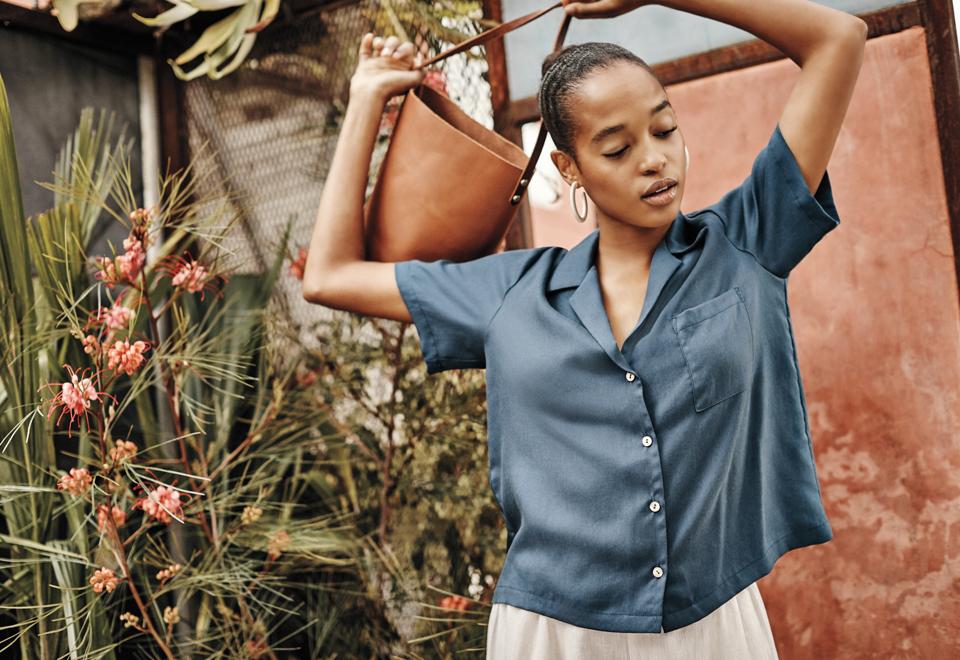
Have you ever wondered what goes into making your favorite t-shirt or pair of jeans? The story behind our clothes is often more complex than we think. It involves everything from the fibers grown in the ground to the people who stitch the garments together. This is where the concept of amour vert comes into play. French for “Green Love,” this idea represents a powerful shift in the fashion world toward sustainability, ethics, and timeless style. It’s about choosing clothes that not only look good but also do good for our planet and its people.
The fashion industry has a significant environmental footprint, but a growing movement is changing that. Amour vert is at the heart of this change, proving that you don’t have to sacrifice style for sustainability. It’s a philosophy centered on using eco-friendly materials, reducing waste, and ensuring fair treatment for workers. This approach allows us to build a wardrobe that reflects our values. In this guide, we will explore the core principles of amour vert, from its signature fabrics to its impact on the future of fashion, and show you how easy it is to embrace a more conscious way of dressing.
Key Takeaways
- Amour vert means “Green Love” and represents a commitment to sustainable and ethical fashion.
- The movement prioritizes eco-friendly materials like TENCEL™ Modal, organic cotton, and other plant-based fabrics.
- A core principle is the zero-waste philosophy, which involves using non-toxic dyes and producing clothes in limited quantities.
- Ethical production in local factories ensures fair wages and safe working conditions for garment workers.
- You can incorporate the amour vert philosophy into your life by choosing sustainable brands, caring for your clothes properly, and embracing a “less is more” mindset.
The Core Philosophy of Amour Vert
At its heart, the amour vert philosophy is a beautiful blend of style and responsibility. It’s built on the belief that fashion should not come at the cost of our planet’s health. This means every step of the clothing creation process is carefully considered, from the seed of a plant to the final stitch on a garment. The goal is to create beautiful clothes that last, all while minimizing environmental impact. This approach directly challenges the “fast fashion” model, which encourages constant consumption of cheap, disposable clothing. Instead, amour vert champions creating classic, versatile pieces you’ll want to wear for years. It’s about investing in quality over quantity and feeling good about the story behind what you wear. This mindset helps us build a more personal and meaningful relationship with our clothes, turning our closets into curated collections rather than overflowing piles.
From Paris with Love: The French Influence on Sustainable Style
France has long been the epicenter of global fashion, known for its timeless elegance and high-quality craftsmanship. The French approach to style often emphasizes classic silhouettes, neutral colors, and investment pieces that transcend fleeting trends. This “less is more” attitude aligns perfectly with the principles of amour vert. French women are often admired for their effortlessly chic wardrobes, which are typically built around a few versatile, well-made items rather than a closet full of fast-fashion finds. This cultural appreciation for longevity and quality is a key inspiration for the sustainable fashion movement. The idea is to buy better, but less often. By adopting this Parisian-inspired mindset, the amour vert philosophy encourages consumers to see their clothes as long-term companions rather than temporary fads, promoting a more sustainable and stylish way of life.
Beyond the Label: What “Green Love” Really Means
The term amour vert extends far beyond a simple marketing slogan; it represents a deep-seated commitment to environmental and social responsibility. “Green Love” signifies a holistic approach where every decision is made with the planet in mind. It means using renewable resources, conserving water, and eliminating harmful chemicals from the production process. For example, brands that embody this philosophy often partner with mills that have developed innovative, eco-friendly fabrics. Furthermore, it means showing love for the people who make our clothes. This translates to ensuring fair wages, safe working conditions, and a supportive environment for garment workers. It is about transparency and traceability, allowing customers to understand the journey of their clothing. This dedication to doing better at every level is what gives amour vert its true meaning and transforms it from a concept into a powerful force for positive change in the industry.
The Fabric of Change: Materials at the Heart of Amour Vert
The materials used to create clothing are the foundation of sustainable fashion. The amour vert philosophy places a huge emphasis on choosing fabrics that are not only soft and beautiful but also gentle on the earth. Traditional fabrics like conventional cotton and polyester have significant environmental drawbacks, from high water consumption and pesticide use to reliance on fossil fuels and shedding of microplastics. In contrast, sustainable fabrics are sourced, grown, and processed in a way that minimizes this impact. Companies embracing the amour vert principle actively seek out innovative textiles that are biodegradable, renewable, and produced through closed-loop systems where resources are reused. This focus on materials is crucial because it addresses the environmental impact of fashion at its very source. By starting with better fabrics, the entire lifecycle of a garment becomes more sustainable, from creation to its eventual return to the earth.
TENCEL™ Modal: The Signature Soft and Sustainable Fiber
When you think of amour vert, one fabric that immediately comes to mind is TENCEL™ Modal. This incredible material is celebrated for its luxurious softness, beautiful drape, and eco-friendly credentials. It is derived from sustainably harvested beechwood trees, which are a highly renewable resource. The process used to turn the wood pulp into fiber is a closed-loop system, meaning over 99% of the water and solvents are recycled and reused. This dramatically reduces waste and pollution compared to the production of other fabrics. Clothes made from TENCEL™ Modal are not only incredibly comfortable to wear but also breathable and resistant to shrinkage. This combination of comfort, durability, and sustainability makes it a perfect example of the amour vert philosophy in action. It proves that you don’t have to compromise on quality or feel to make an environmentally conscious choice.
Organic Cotton: A Healthier Choice for You and the Planet
Cotton is one of the most common fabrics in our closets, but conventional cotton farming is notoriously resource-intensive. It uses vast amounts of water and relies heavily on chemical pesticides and fertilizers, which can harm soil health, pollute waterways, and pose risks to farmers. This is why organic cotton is a cornerstone of the amour vert movement. Organic cotton is grown without the use of toxic synthetic chemicals. Instead, farmers use natural methods to enrich the soil and manage pests, creating a healthier ecosystem. This practice not only protects the environment but also results in a fabric that is free from chemical residues, making it a better choice for your skin. By choosing organic cotton, you support farming practices that promote biodiversity and conserve water. It’s a simple switch that has a significant positive impact on the planet and the people who grow this essential fiber.
Other Plant-Based and Ethical Textiles
The world of sustainable textiles is vast and constantly evolving, offering exciting alternatives to conventional materials. The amour vert philosophy encourages the exploration and use of various eco-friendly fabrics. Some popular choices include:
- Linen: Made from the flax plant, linen is a strong, breathable, and biodegradable fabric that requires minimal water and pesticides to grow. It is perfect for warm weather and becomes softer with each wash.
- Hemp: A highly durable and fast-growing plant, hemp requires very little water and no pesticides. It enriches the soil it grows in and produces a strong, versatile fiber that can be used for everything from clothing to industrial materials.
- Cupro: This fabric is made from cotton linter, a waste product of cotton production. It has a silky feel and drapes beautifully, making it a great vegan alternative to silk. Its production process is also a closed-loop system.
By embracing this diverse range of plant-based textiles, the amour vert movement continues to push the boundaries of what sustainable fashion can be, offering consumers more choices that are both beautiful and kind to the earth.
The Zero-Waste Approach of Amour Vert
A core pillar of the amour vert philosophy is the commitment to minimizing waste throughout the entire production cycle. In an industry known for its excess, this is a radical and necessary approach. A zero-waste mindset means carefully planning every aspect of garment creation to ensure that as little material as possible ends up in a landfill. This starts with the design process itself. Designers create patterns that use fabric more efficiently, much like a puzzle, to reduce the amount of leftover scraps. For any scraps that are inevitably created, brands committed to this philosophy find innovative ways to repurpose them. For instance, these smaller pieces of fabric can be transformed into accessories like hair scrunchies, headbands, or even stuffing for pillows. This thoughtful approach ensures that valuable resources are not discarded, moving fashion from a linear “take-make-waste” model to a more circular and responsible one.
The Importance of Non-Toxic Dyes
The vibrant colors we love in our clothes often come at a high environmental price. Conventional dyeing processes can use thousands of different chemicals, many of which are toxic and carcinogenic. When wastewater from dye houses is released into local water systems, it can cause significant pollution, harming aquatic life and communities that rely on that water. The amour vert movement addresses this issue by prioritizing the use of non-toxic, low-impact dyes. These dyes are free from heavy metals and other harmful substances. Many sustainable brands opt for fiber-reactive dyes, which bond directly with the fabric molecules, resulting in less dye runoff and requiring less water. Others explore natural dyes derived from plants, minerals, and other organic sources. By making a conscious choice to avoid harmful chemicals, the amour vert philosophy protects not only our waterways and ecosystems but also the health of factory workers and the person wearing the final garment.
Made-to-Order and Small Batch Production
One of the biggest drivers of waste in the fashion industry is overproduction. Traditional brands often produce massive quantities of clothing based on forecasts, and whatever doesn’t sell is either heavily discounted or, in the worst cases, sent to landfills or incinerated. This creates a staggering amount of waste. The amour vert approach counters this by championing made-to-order or small-batch production. By producing clothing in limited quantities, brands can better match supply with actual demand. This means fewer unsold items and less wasted material, energy, and labor. While it may sometimes mean a customer has to wait a little longer for their order, it ensures that each garment is created with intention and purpose. This deliberate, slower approach to production is fundamental to making fashion more sustainable. It encourages a shift in consumer behavior, moving away from instant gratification and toward a greater appreciation for thoughtfully crafted clothing.
Comparing Sustainable and Fast Fashion
The differences between sustainable fashion, like that promoted by the amour vert philosophy, and fast fashion are stark. They represent two opposing views on how clothing should be made, consumed, and valued. The following table highlights the key distinctions:
|
Feature |
Sustainable Fashion (Amour Vert) |
Fast Fashion |
|---|---|---|
|
Production Speed |
Slow, thoughtful, often in small batches. |
Rapid, constant cycles of new trends. |
|
Quality |
High-quality materials, built to last. |
Low-quality materials, designed to be worn a few times. |
|
Pricing |
Higher initial cost, but better value over time. |
Very low prices to encourage impulse buys. |
|
Materials |
Eco-friendly, organic, or recycled fabrics. |
Synthetic, resource-intensive fabrics like polyester. |
|
Worker Treatment |
Fair wages, safe conditions, ethical factories. |
Often linked to low wages and poor working conditions. |
|
Environmental Impact |
Minimal; focuses on conservation and reducing waste. |
High; a major contributor to pollution and landfill waste. |
|
Style |
Timeless, classic, versatile pieces. |
Trendy, disposable styles that go out of fashion quickly. |
|
Consumer Mindset |
“Buy less, choose well, make it last.” |
“Wear it once, throw it away.” |
This comparison makes it clear that while fast fashion offers instant gratification and low prices, it comes with significant hidden costs to our planet and society. The amour vert model presents a more responsible and ultimately more rewarding alternative.
Ethical Production: The Human Side of Amour Vert
Fashion is not just about clothes; it’s about people. The amour vert philosophy extends its “Green Love” to every person involved in the supply chain, from the farmer growing the cotton to the seamstress sewing the final hem. Ethical production is a non-negotiable component of this movement. For decades, the drive for cheaper clothing in the fast-fashion industry has led to the exploitation of garment workers, who are often subjected to dangerously low wages, excessive hours, and unsafe working conditions. In contrast, brands that follow the amour vert principles are committed to transparency and fairness. They partner with factories that uphold strict labor standards, ensuring that every worker is treated with dignity and respect. This human-centric approach is just as important as using sustainable materials. It recognizes that true sustainability cannot exist without social equity and that the beauty of a garment is diminished if it is made through human suffering.
The Power of Local Manufacturing
One of the most effective ways to ensure ethical production is through local manufacturing. When a brand produces its clothing close to home, it has much greater visibility into its supply chain. This makes it easier to monitor factory conditions, build strong relationships with factory owners and workers, and ensure that labor laws are being followed. For American brands embracing the amour vert philosophy, this often means manufacturing in the United States. Producing locally not only guarantees that workers are paid a fair, legal wage but also significantly reduces the company’s carbon footprint. Shipping finished garments from overseas factories to a distribution center in the U.S. requires a massive amount of fossil fuels. By keeping production domestic, brands can cut down on transportation emissions while also supporting local economies and creating jobs within their own communities. This commitment to local production is a powerful demonstration of a brand’s dedication to both people and the planet.
How to Incorporate Amour Vert into Your Wardrobe

Embracing the amour vert philosophy doesn’t mean you have to replace your entire wardrobe overnight. It’s about making small, mindful changes that add up over time. The journey toward a more sustainable closet can be enjoyable and empowering. The first step is to shift your mindset. Begin to see your clothes as investments rather than disposable items. Before buying something new, ask yourself a few questions: Do I truly love this? Will I wear it at least 30 times? Does it align with my personal style? This simple practice can help curb impulse purchases and lead to a more curated and loved wardrobe. Another key step is to educate yourself about brands that are genuinely committed to sustainability. Look for transparency on their websites regarding their materials, factories, and environmental initiatives. As you learn more, you’ll become a more confident and conscious shopper, capable of making choices that reflect your values.
Tips for Building a Sustainable Closet
Creating a wardrobe grounded in the amour vert spirit is a rewarding process. Here are some practical tips to get you started:
- Start with the Basics: Invest in high-quality, timeless basics like a great t-shirt, a classic pair of jeans, and a versatile dress made from sustainable materials. These pieces will serve as the foundation of your wardrobe.
- Prioritize Quality Over Quantity: It’s better to have one well-made sweater that you love and will wear for years than five cheap, trendy ones that will fall apart after a few washes.
- Learn to Care for Your Clothes: Proper care can dramatically extend the life of your garments. Wash clothes in cold water, line dry them whenever possible, and learn basic mending skills like sewing on a button.
- Explore Secondhand Shopping: Thrifting and consignment shopping are fantastic ways to give pre-loved clothes a new life, reducing the demand for new production.
- Unsubscribe from Fast Fashion Emails: Reduce temptation by removing yourself from the constant marketing cycle of fast-fashion brands that encourage overconsumption.
- Support Truly Sustainable Brands: Do your research and direct your spending toward companies that are transparent about their supply chains and environmental impact, like those highlighted on platforms such as Forbes Planet.
The “Cost Per Wear” Mindset
One of the biggest hurdles for people wanting to switch to sustainable fashion is often the higher initial price tag. A t-shirt from an amour vert-aligned brand might cost more than one from a fast-fashion store. However, it’s important to think about the “cost per wear.” A cheap, $10 t-shirt might seem like a bargain, but if it loses its shape or falls apart after five washes, its cost per wear is $2. On the other hand, a high-quality, $50 t-shirt made from durable, sustainable fabric might be worn 100 times over several years. Its cost per wear would be just $0.50. This simple calculation shows that investing in quality is often more economical in the long run. Adopting the cost-per-wear mindset helps reframe the value of clothing. It encourages you to invest in pieces that will stand the test of time, saving you money and reducing your environmental footprint simultaneously.
The Future of Fashion is Green
The momentum behind the amour vert movement is growing stronger every day. As more consumers become aware of the environmental and social costs of fast fashion, they are demanding change. This shift in consumer consciousness is forcing the entire industry to re-evaluate its practices. We are seeing more innovation in sustainable materials, greater transparency in supply chains, and a renewed appreciation for craftsmanship and durability. The future of fashion is one where sustainability is not a niche category but the standard. Brands that fail to adapt to this new reality will likely be left behind. The concept of amour vert is paving the way for a system that is kinder to the planet, fairer to its people, and ultimately, more fulfilling for us as consumers. It’s a future where we can all express our personal style with a clear conscience, knowing our choices are contributing to a healthier world.
Conclusion
The idea of amour vert, or “Green Love,” is transforming the fashion landscape from the inside out. It’s more than just a trend; it’s a fundamental rethinking of our relationship with the clothes we wear. By prioritizing sustainable materials, ethical production, and a zero-waste philosophy, this movement offers a hopeful and beautiful alternative to the destructive cycle of fast fashion. It proves that style and substance can and should coexist.
Embracing the amour vert philosophy is a personal journey that begins with conscious choices. Whether it’s by investing in a timeless piece made from TENCEL™ Modal, learning to mend a favorite garment, or simply asking more questions about where your clothes come from, every action contributes to a larger wave of positive change. By building our wardrobes with intention, quality, and love for the planet, we not only curate a style that is uniquely our own but also become active participants in creating a more sustainable and equitable future for all.
Frequently Asked Questions (FAQ)
Q1: What does “amour vert” mean?
A1: Amour vert is French for “Green Love.” In the context of fashion, it represents a philosophy and movement dedicated to creating clothing that is sustainable, ethical, and stylish. It emphasizes love and respect for the planet and the people who make our clothes.
Q2: Is clothing from sustainable brands like Amour Vert more expensive?
A2: While the initial price tag may be higher than fast fashion, sustainable clothing often provides better long-term value. These garments are made from high-quality, durable materials designed to last for years. By considering the “cost per wear,” investing in sustainable pieces can be more economical over time.
Q3: What are some key sustainable fabrics to look for?
A3: Look for fabrics like TENCEL™ Modal, Lyocell, organic cotton, linen, and hemp. These materials are generally made from renewable resources, require less water and fewer chemicals to produce, and are often biodegradable.
Q4: How can I tell if a brand is truly sustainable?
A4: Look for transparency. A truly sustainable brand will be open about its materials, factory locations, labor practices, and environmental initiatives. Check their website for a sustainability report or certifications like B Corp, Fair Trade, or GOTS (Global Organic Textile Standard). Be wary of vague claims like “eco-friendly” without specific details to back them up.
Q5: What is a zero-waste philosophy in fashion?
A5: A zero-waste philosophy aims to minimize waste at every stage of a garment’s life. This includes designing patterns to use fabric efficiently, producing clothing in small batches to avoid overstock, and finding creative uses for any leftover fabric scraps so that nothing is sent to a landfill.
Related Posts

Stay Informed With the Latest & Most Important News
Previous Post
Next Post










Advertisement