

Now Reading: Your Complete Guide to Ace Hardware Knife Sharpening
-
01
Your Complete Guide to Ace Hardware Knife Sharpening

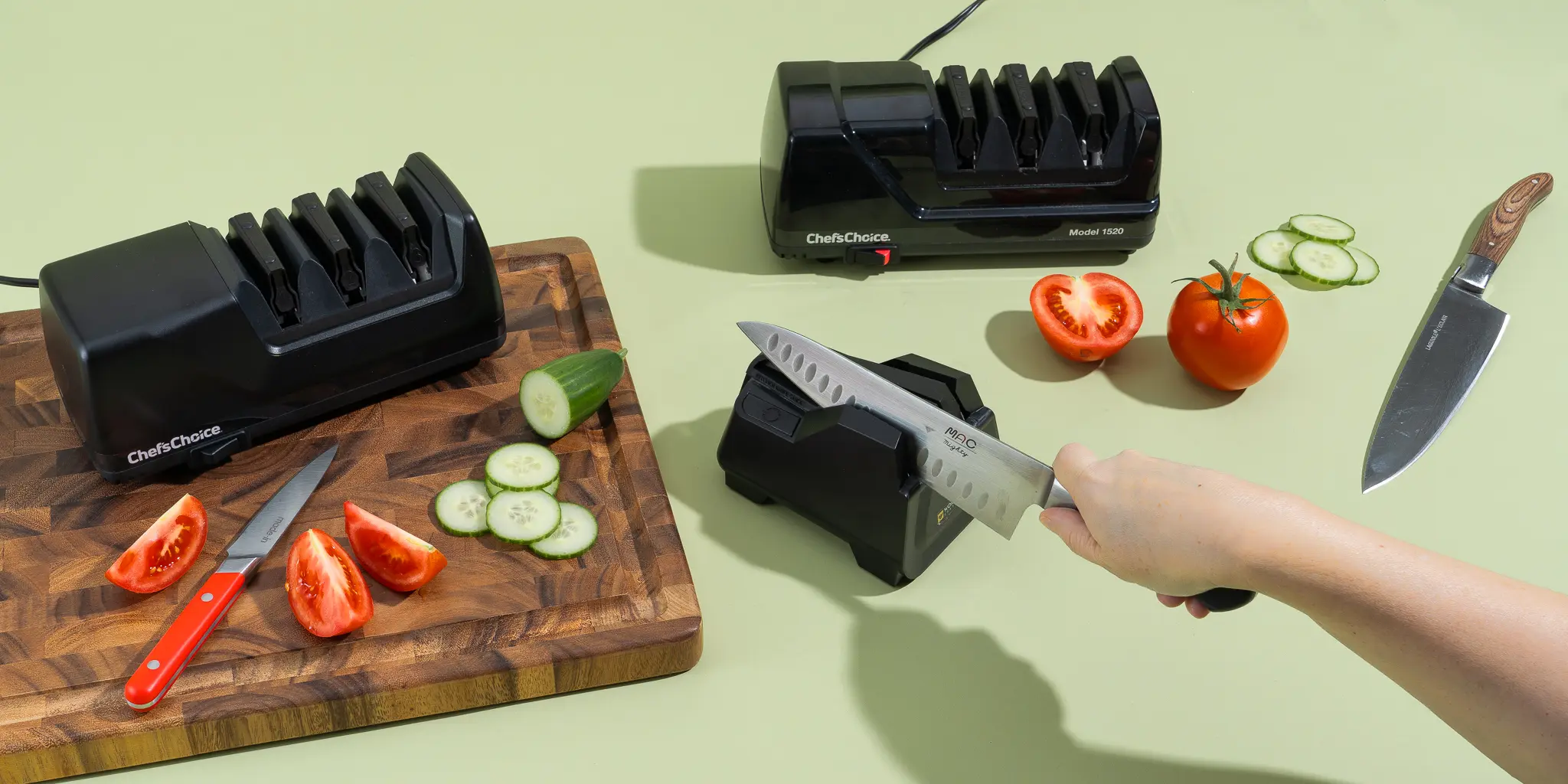
A dull knife is more than just an annoyance in the kitchen; it’s a safety hazard. A blade that can’t slice cleanly through a tomato is more likely to slip and cause an injury. This is where proper knife maintenance comes in, and for many, the local hardware store is the first stop. If you’ve ever wondered about Ace Hardware knife sharpening services and products, you’re in the right place. This guide will walk you through everything you need to know, from in-store services to the best tools you can buy off the shelf to do it yourself. We’ll explore the different methods, compare options, and give you the confidence to get your blades back to peak performance.
Key Takeaways
- Check Local Availability: Not all Ace Hardware stores offer in-store knife sharpening services. It’s crucial to call your local store first to confirm if they provide this service, their pricing, and their turnaround times.
- DIY Sharpening Options: Ace Hardware offers a wide array of knife sharpening tools, including manual sharpeners, electric sharpeners, sharpening stones, and honing steels, catering to all skill levels and budgets.
- Understand the Difference: Sharpening removes metal to create a new, sharp edge, while honing realigns a blade’s existing edge. Both are vital for maintaining a sharp knife collection.
- Safety is Paramount: Whether you’re using a professional service or sharpening at home, always handle knives with extreme care. Follow manufacturer instructions for any sharpening tool you purchase.
Does Ace Hardware Offer Knife Sharpening Services?
One of the most common questions people have is whether they can simply drop off their dull knives at their local Ace Hardware. The answer is: it depends. Ace Hardware stores are individually owned and operated franchises. This means that services can vary significantly from one location to another. Some stores have invested in professional-grade sharpening equipment and have trained staff ready to restore your blades. Others might not offer the service at all.
Your best bet is to call your neighborhood Ace Hardware directly. Ask them if they offer an Ace Hardware knife sharpening service. If they do, be sure to ask a few follow-up questions:
- What is the cost per knife or per inch?
- What is the typical turnaround time? Is it done while you wait, or do you need to leave your knives?
- What types of knives do they sharpen (e.g., kitchen knives, pocket knives, serrated blades)?
- What method do they use for sharpening?
Getting this information upfront will save you a trip and ensure your needs are met. For some, the convenience of a drop-off service is unbeatable, providing professional results without the need to purchase and learn how to use specialized equipment.
The Benefits of a Professional Sharpening Service
If your local store does offer the service, there are several advantages. A professional service uses high-quality machines that can restore the factory angle on your blade with precision. This is especially useful for knives that are very dull or have nicks and chips in the blade. The staff are trained to handle different types of steel and blade shapes, ensuring a consistent and sharp edge. For many, this is the simplest and most effective way to approach Ace Hardware knife sharpening, taking the guesswork out of the equation and delivering reliable results.
Exploring DIY Sharpening Tools at Ace Hardware
If your local store doesn’t offer a sharpening service, or if you prefer the satisfaction of doing it yourself, you’re in luck. Ace Hardware stocks a comprehensive selection of knife sharpening tools. Walking down the aisle, you’ll find everything from simple pull-through gadgets for beginners to sophisticated systems for enthusiasts. Understanding the different types of tools available will help you make the best choice for your needs and skill level. Let’s break down the main categories you’ll find.
Manual Pull-Through Sharpeners
This is often the entry point for home knife sharpening. Manual sharpeners are compact, affordable, and incredibly easy to use. They typically feature two or more slots with pre-set sharpening angles. One slot might have carbide blades for aggressive sharpening (to create a new edge on a very dull knife), and another might have ceramic rods for fine honing (to finish and polish the edge).
To use one, you simply place the sharpener on a flat surface, hold it steady, and pull your knife through the slots from heel to tip a few times. It’s a quick and effective way to get a working edge back on your kitchen knives. While they may not provide the same refined edge as a sharpening stone, their convenience makes them a popular choice for routine maintenance. This is a great starting point for anyone new to the world of Ace Hardware knife sharpening.
Electric Knife Sharpeners
For those seeking more power and speed, an electric knife sharpener is an excellent option. These devices use motorized abrasive wheels to do the work for you. Like their manual counterparts, they feature guide slots that are set to specific angles, taking the guesswork out of holding the knife correctly. Most models have multiple stages, starting with a coarse grit for reshaping a dull edge and moving to a finer grit for honing and polishing.
Electric sharpeners are fantastic for quickly restoring a whole set of kitchen knives. They are more of an investment than manual sharpeners, but the speed and consistency they offer can be well worth the price. When shopping for an electric model at Ace Hardware, look for ones that are compatible with the types of knives you own (e.g., 15-degree for Asian knives, 20-degree for Western knives).
Sharpening Stones (Whetstones)
For the traditionalist or the perfectionist, nothing beats a sharpening stone, also known as a whetstone. These rectangular blocks of abrasive material offer the most control over the sharpening process, allowing you to achieve a razor-sharp, customized edge. Whetstones come in a variety of materials and grits:
- Coarse Grits (below 1000): Used for repairing chipped edges or sharpening extremely dull knives.
- Medium Grits (1000 to 3000): The primary sharpening stones for most knives. A 1000-grit stone is a great all-purpose starting point.
- Fine Grits (4000 and above): Used for refining and polishing the edge to a mirror finish, resulting in maximum sharpness.
Using a whetstone requires practice to maintain a consistent angle, but the results are unparalleled. Ace Hardware often carries combination stones (e.g., 1000/6000 grit) that provide two surfaces in one, offering a great value. Learning this skill is a rewarding journey and represents the pinnacle of at-home Ace Hardware knife sharpening.
Honing Steels and Ceramic Rods
It’s important to understand that a honing steel does not sharpen a knife. Instead, it hones the blade. During regular use, the microscopic edge of a sharp knife can get bent or knocked out of alignment. A honing steel, which is a metal or ceramic rod, is used to realign this edge, bringing the knife’s sharpness back without removing any metal.
You should hone your knives regularly—even after every one or two uses—to maintain their edge. Sharpening should only be done when honing is no longer effective. Ace Hardware offers a variety of honing steels, including traditional steel, diamond-coated steels (which do remove a tiny bit of metal), and ceramic rods. A ceramic rod is a great option as it is slightly abrasive and can both hone and provide a very light touch-up.
How to Choose the Right Sharpening Method for You
With so many options for Ace Hardware knife sharpening, how do you decide which path to take? The best choice depends on your budget, your knives, and how much time and effort you’re willing to invest.
|
Sharpening Method |
Best For |
Pros |
Cons |
|---|---|---|---|
|
In-Store Service |
Convenience seekers, damaged knives |
Professional results, no effort required, can fix chips |
Not available at all stores, has a cost per knife, turnaround time |
|
Manual Sharpener |
Beginners, quick touch-ups, budget-conscious |
Affordable, easy to use, compact |
Less precise, can wear down knives faster if used improperly |
|
Electric Sharpener |
Those with many knives, speed and consistency |
Fast, easy to use, consistent angle |
More expensive, can remove a lot of metal, less control |
|
Sharpening Stones |
Enthusiasts, perfectionists, high-end knives |
Superior sharpness, ultimate control, extends knife life |
Requires practice and skill, more time-consuming |
|
Honing Steel |
Regular maintenance for all knives |
Maintains edge between sharpenings, quick and easy |
Does not sharpen a dull knife |
Think about your personal needs. If you have a busy household and just want your cooking knives to work, a manual or electric sharpener is a fantastic, practical solution. If you’ve invested in expensive Japanese chef’s knives and want to care for them meticulously, learning to use whetstones is the way to go.
A Special Note on Serrated Knives
Sharpening serrated knives, like bread knives, is a different process. The scalloped edges cannot be sharpened with most standard tools. They require a special tapered sharpening rod that is designed to fit into the individual serrations (gullets). You sharpen each gullet one by one. Ace Hardware often sells specialized tools just for this purpose. It’s a tedious process, which is why many people prefer to have serrated knives professionally sharpened or simply replace them when they become too dull.
Step-by-Step Guide: Using a Manual Pull-Through Sharpener
Since manual pull-through sharpeners are one of the most accessible Ace Hardware knife sharpening tools, let’s walk through how to use one correctly.
- Read the Instructions: Always start by reading the manufacturer’s instructions for your specific model.
- Secure the Sharpener: Place the sharpener on a sturdy, flat surface like a countertop or table. Hold the handle firmly with your non-dominant hand to keep it from slipping.
- Use the Coarse Slot (If Needed): If your knife is very dull, start with the “coarse” or “sharpen” slot. This slot is designed to remove metal and create a new bevel.
- Position the Knife: Place the heel of the knife (the part closest to the handle) into the slot. Make sure the blade is straight up and down.
- Pull Through Smoothly: Apply light, even downward pressure and pull the knife straight through the slot towards you, from heel to tip. The motion should be smooth and controlled. Don’t press too hard.
- Repeat: Lift the knife and repeat this pulling motion 5-10 times. You should never use a back-and-forth sawing motion.
- Move to the Fine Slot: Once you have a decent edge from the coarse slot, move to the “fine” or “hone” slot. This slot typically uses ceramic rods to polish and refine the edge.
- Hone the Blade: Pull the knife through the fine slot 5-10 times using the same smooth, heel-to-tip motion. This will remove the burr (a tiny fringe of metal) created during sharpening and make the edge much sharper.
- Test and Clean: Carefully test the sharpness on a piece of paper or a soft vegetable like a tomato. If it’s sharp, wipe the blade clean to remove any metal filings before using it.
Maintaining Your Knives After Sharpening
Getting your knives sharp is only half the battle. Proper care and maintenance will keep them sharper for longer. This reduces how often you need to perform a full Ace Hardware knife sharpening, whether you do it yourself or use a service.
Proper Washing and Storage
Never put your good knives in the dishwasher. The high heat can damage the handle, and the detergents are abrasive to the steel. More importantly, the knives can get knocked against other items, dulling or chipping the blade. Always wash your knives by hand with soap and warm water, and dry them immediately to prevent rust.
Proper storage is also key. Don’t just toss them in a drawer where they can knock against other utensils. This is a surefire way to dull the edge. Use a knife block, a magnetic wall strip, or in-drawer knife organizers to keep the blades protected.
The Importance of the Right Cutting Board
The surface you cut on has a huge impact on your knife’s edge retention. Avoid cutting on hard surfaces like glass, granite, marble, or ceramic plates. These will dull your knife almost instantly. Instead, use cutting boards made of wood or plastic. End-grain wood cutting boards are particularly gentle on knife edges. Some experts in the field, like those at publications such as Forbes Planet, often emphasize the importance of using the right tools for any job, and this certainly applies to the kitchen.
Frequently Asked Questions (FAQ)
Q1: How often should I sharpen my knives?
This depends on how often you use them and what you cut. For a home cook, a full sharpening is typically needed every 6 to 12 months. However, you should hone your knife with a steel or ceramic rod much more frequently—ideally before every few uses—to maintain the edge.
Q2: Can I get scissors sharpened at Ace Hardware?
Similar to knives, this service depends on the individual store. Some locations with sharpening equipment can also handle scissors, garden shears, and other bladed tools. It’s always best to call ahead and ask. Ace also sells scissor sharpeners if you want to do it yourself.
Q3: What’s the best sharpening angle for my kitchen knives?
Most Western-style knives (e.g., German brands like Wüsthof or Henckels) have a factory edge of around 20 degrees per side. Many Asian-style knives (e.g., Japanese brands like Shun or Global) have a more acute angle, typically around 15 degrees per side. Many electric and manual sharpeners have guides for one or both of these angles.
Q4: Is it possible to ruin a knife by sharpening it incorrectly?
Yes, it is possible. Using too much pressure, an inconsistent angle, or an overly aggressive sharpener can remove too much metal or create an uneven edge. This is why it’s important to start with light pressure and follow the instructions for your chosen sharpening tool. If you have very expensive knives, practicing on an old or cheap knife first is a great idea.
Q5: What is a “burr” and why is it important?
When you sharpen a knife, you are grinding one side of the edge until the metal becomes so thin it folds over to the other side. This thin fringe of metal is called a burr. Feeling for a burr is how you know you’ve sharpened one side enough. The final steps of sharpening and honing are focused on removing this burr to reveal the clean, sharp edge underneath.
Conclusion: A Sharper Path Forward
Whether you are a culinary expert or just someone who wants to slice an onion without tears, a sharp knife is essential. The journey to Ace Hardware knife sharpening offers a path for everyone. For ultimate convenience and professional precision, check to see if your local Ace provides an in-store service. It’s a simple, effective way to breathe new life into your dull blades.
For those who enjoy a hands-on approach, the aisles of Ace Hardware are filled with a diverse range of tools to suit your needs. A simple manual sharpener can provide quick and easy touch-ups, while an electric model offers speed and consistency for the whole knife block. For the true enthusiast, mastering the art of the whetstone is a rewarding skill that provides the sharpest possible edge.
No matter which method you choose, remember that knife care is a continuous process. Regular honing, proper washing, and smart storage will prolong the life of your edge and make your time in the kitchen safer and more enjoyable. Your local Ace Hardware is a fantastic resource, providing the tools and, in many cases, the services you need to keep your blades in top condition.
Stay Informed With the Latest & Most Important News
Previous Post
Next Post









Advertisement