
Now Reading: A Glamorous Guide to 1930s Hairstyles
-
01
A Glamorous Guide to 1930s Hairstyles

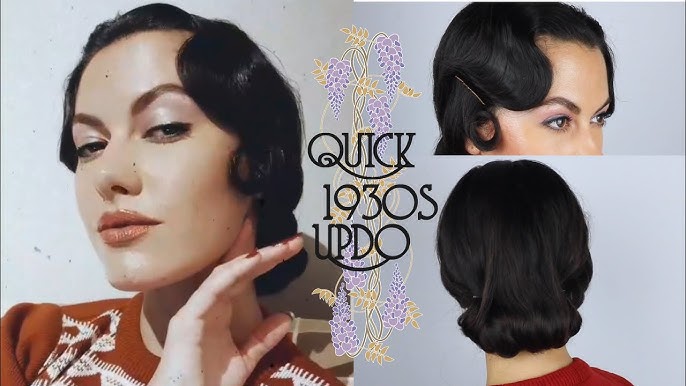
The 1930s was a decade of incredible transformation, not just in society but also in fashion and beauty. Emerging from the shadow of the roaring twenties, the era introduced a softer, more sophisticated glamour. While the 1920s were defined by the short, rebellious bob, the 1930s saw hair grow a little longer, with an emphasis on soft waves, sculpted curls, and elegant updos. This period was all about femininity and polish. Exploring 1930s hairstyles is like taking a step back into the Golden Age of Hollywood, where screen sirens like Jean Harlow and Carole Lombard set the trends. From the intricate finger waves to the practical yet stylish updos, the looks of this decade continue to inspire hairstylists and fashion lovers today.
This guide will walk you through the most iconic looks of the era. We will explore the signature styles, the techniques used to create them, and how you can adapt these classic looks for a modern twist. Whether you’re a history buff, a vintage enthusiast, or just looking for some timeless hair inspiration, you’ll find something to love about the hairstyles of the 1930s.
Key Takeaways
- Shift in Style: The 1930s moved away from the short, boyish bobs of the 1920s toward longer, softer, and more feminine hairstyles.
- Signature Techniques: Finger waves, pin curls, and Marcel waves were the foundational techniques for creating the era’s most popular looks.
- Hollywood Influence: Movie stars like Jean Harlow, Greta Garbo, and Bette Davis were major trendsetters, popularizing styles like the platinum blonde bob and deep side parts.
- Accessorizing: Hats were a crucial part of a woman’s wardrobe, and hairstyles were often designed to complement them. Other accessories included decorative clips and combs.
- Modern Adaptability: Many 1930s hairstyles can be reinterpreted for today, offering a touch of vintage glamour for special events or everyday wear.
The Cultural Shift: From the Roaring Twenties to the Thrifty Thirties
The transition from the 1920s to the 1930s was marked by significant economic and social changes. The stock market crash of 1929 ushered in the Great Depression, which profoundly impacted everyday life. This shift was reflected in fashion and beauty. The flamboyance of the Roaring Twenties gave way to a more subdued and practical elegance. In hairstyling, this meant moving away from the ultra-short, boyish cuts like the Eton crop. While hair remained relatively short by today’s standards, it was generally longer than in the previous decade, often reaching the nape of the neck or the shoulders.
This new length allowed for more versatility and a softer silhouette. The focus turned to creating waves and curls that framed the face beautifully. The ideal 1930s hairstyles were meticulously coiffed, showing that even in difficult times, women valued looking polished and put-together. This era balanced glamour with a sense of romanticism, creating a look that was both sophisticated and approachable. The hairstyles were less about rebellion and more about celebrating classic femininity. This renewed focus on soft, structured looks defined the decade’s aesthetic and set it apart from its predecessor.
Iconic 1930s Hairstyles for Women
The 1930s offered a beautiful array of hairstyles, each with its own unique charm. While waves were the dominant theme, they were styled in various ways to suit different occasions and personal tastes. Let’s delve into some of the most popular looks that defined the decade.
The Rise of Finger Waves
If one technique could define the 1930s hairstyles, it would be the finger wave. This method involved using fingers and a comb to mold wet hair, set with lotion, into a series of S-shaped waves. The result was a sleek, sculpted look that lay flat against the head. Finger waves were incredibly popular and could be incorporated into both short and longer hairstyles. For women with bobs, the waves often covered the entire head, creating a polished and glamorous effect.
Creating authentic finger waves required skill and patience. A stylist would apply a generous amount of setting lotion to damp hair, then use a comb to push the hair into a ridge. They would then place a finger parallel to the ridge to hold it in place while combing the hair in the opposite direction to form the next ridge. This process was repeated across the head. The hair was then dried completely under a hood dryer, or by air-drying while covered with a hairnet, to set the waves in place. This technique is a true art form and remains a hallmark of vintage hairstyling.
The Enduring Popularity of Pin Curls
Pin curls were the building blocks of many 1930s hairstyles. They were essential for creating the soft, bouncy curls and structured waves that were so fashionable. To create pin curls, a small section of damp, lotioned hair was wrapped around a finger to form a loop. The loop was then slid off the finger and pinned flat against the scalp to dry. The direction and size of the pin curls determined the final look. For tight, springy curls, small sections were used. For looser, more voluminous waves, larger sections were pinned.
This technique was incredibly versatile. Pin curls could be used to create everything from the soft curls at the end of a bob to the elaborate updos worn for evening events. Women often set their hair in pin curls at night and slept with them covered by a scarf or net. In the morning, they would unpin the curls and brush them out into a soft, wavy style. This “set and comb-out” method was fundamental to achieving the polished, non-frizzy finish that characterized the era’s hair.
The Marcel Wave: A Lasting Innovation
The Marcel wave, invented in the late 19th century by French hairstylist Marcel Grateau, continued to be immensely popular in the 1930s. Unlike finger waves, which were created on wet hair, Marcel waves were made on dry hair using a heated curling iron. This special iron, which looked like a pair of tongs, was used to create a deep, uniform wave pattern. The technique required a practiced hand, as the stylist had to skillfully rotate the iron through the hair to form the signature ridges and valleys.
The Marcel wave provided a longer-lasting style than finger waves and offered a distinct, crisp finish. It was a favorite look for Hollywood actresses, whose perfectly sculpted waves graced the silver screen. While the original Marcel irons were heated over a gas burner, the advent of electric versions made the process slightly easier. The enduring appeal of the Marcel wave cemented its place as one of the most important 1930s hairstyles, symbolizing the structured elegance of the decade.
The Influence of Hollywood on Hair Trends
Hollywood’s Golden Age was in full swing during the 1930s, and movie stars became the ultimate trendsetters. Women across the country looked to the silver screen for inspiration in fashion, makeup, and, of course, hair. Actresses had a tremendous impact on popularizing specific 1930s hairstyles.
Jean Harlow and the Platinum Blonde Bob
Jean Harlow, known as the original “Blonde Bombshell,” made platinum blonde hair a sensation. Her signature look featured a chin-length bob with soft, fluffy curls and a deep side part. The shockingly light color, combined with the soft texture, was a symbol of ultimate glamour. Women everywhere flocked to salons hoping to replicate her iconic color, even though the bleaching processes of the time were quite harsh. Harlow’s hairstyle, often styled with soft finger waves or brushed-out pin curls, perfectly embodied the sophisticated yet alluring aesthetic of the decade.
Greta Garbo’s Natural Waves
In contrast to Harlow’s bold look, Greta Garbo championed a more natural and understated style. Her shoulder-length hair was typically styled in soft, natural-looking waves that were less structured than a perfect Marcel wave. This look was romantic and a bit more accessible for the average woman. Garbo’s simple yet elegant waves showed that 1930s hairstyles didn’t always have to be perfectly coiffed. Her effortless glamour appealed to women who preferred a softer, less artificial appearance, proving that simplicity could be just as striking.
Bette Davis and the Short, Curled Bob
Bette Davis was known for her dramatic acting and her equally striking looks. She often sported a short bob, tightly curled and close to the head. This style emphasized her large, expressive eyes and strong facial features. Her hair was typically dark, which created a dramatic contrast with her fair skin. Davis’s bob was often styled with a deep side part and meticulously arranged curls framing her face. This look was powerful and confident, reflecting the strong-willed characters she often played on screen. It demonstrated how a short, curly style could be both feminine and commanding.
|
Hollywood Star |
Signature Hairstyle |
Impact on 1930s Trends |
|---|---|---|
|
Jean Harlow |
Platinum blonde, chin-length bob with soft curls. |
Popularized platinum blonde hair and the glamorous, fluffy bob. |
|
Carole Lombard |
Medium-length blonde hair with a deep side part and soft waves. |
Championed the elegant side part and sophisticated, face-framing waves. |
|
Greta Garbo |
Shoulder-length hair with soft, natural-looking waves. |
Made a more understated, romantic, and effortless style fashionable. |
|
Bette Davis |
Short, tightly curled dark bob. |
Showcased a powerful, confident look that highlighted facial features. |
|
Joan Crawford |
Medium-length pageboy with structured curls at the ends. |
Popularized fuller styles that framed the face and shoulders. |
Hairstyles for Different Hair Lengths in the 1930s
While many people picture a specific type of bob when they think of the 1930s, there was actually a range of popular lengths. Hairstyles were adapted to suit everything from short crops to shoulder-length hair.
Short Hair: The Evolving Bob
The bob haircut was still very much in style, but it had evolved from its flapper-era predecessor. The 1930s bob was slightly longer, usually falling somewhere between the earlobe and the chin. It was also styled with more volume and soft texture. Instead of being poker-straight, bobs were waved, curled, and sculpted. A deep side part was almost universal, with the hair swept across the forehead. The ends were often curled under to create a soft, rounded shape. This updated bob was more feminine and less severe than the 1920s version, making it one of the decade’s most beloved 1930s hairstyles.
Medium-Length Hair: The Pageboy and Soft Curls
Hair that reached the shoulders offered even more styling possibilities. The “pageboy” style, where hair was turned under in a neat roll, became very popular towards the end of the decade. For a typical day look, medium-length hair was often set in pin curls to create waves and curls from the mid-lengths to the ends, while the top remained smoother and flatter. This created a lovely contrast in textures. For evening, this length could be swept up into an elegant updo, with curls piled high on the head or arranged neatly at the nape of the neck.
Long Hair: Elegant Updos
While not as common as shorter styles, some women did keep their hair long. For everyday wear, long hair was almost always worn up to keep it neat and out of the way. Simple updos like a chignon or a French twist were practical choices. For more formal occasions, long hair was styled into intricate updos featuring braids, twists, and carefully arranged curls. Often, a few soft tendrils were left down to frame the face. These styles showcased the skill of the hairdresser and added an element of regal elegance to an evening look. Even with long hair, the front was often styled with finger waves or soft curls to maintain the fashionable 1930s silhouette.
The Role of Hair Accessories and Hats
Accessories played a crucial role in completing a look in the 1930s. From decorative combs to the ever-present hat, what a woman put in her hair was just as important as the style itself.
The Importance of Hats
Hats were not just an accessory in the 1930s; they were an essential part of a woman’s outdoor attire. A woman would not be considered fully dressed without a hat and gloves. Because of this, 1930s hairstyles were often designed with hats in mind. The styles were typically flat on top to accommodate a hat being worn comfortably. Popular hat styles included the cloche (though a softer, wider version than in the 20s), the fedora, and small, tilted hats that perched at an angle on the head. The hair that peeked out from under the hat—the curls at the nape or the waves at the side—was styled to perfection.
Decorative Hair Ornaments
For evening wear and special occasions, when hats were removed, women adorned their hair with a variety of beautiful ornaments. Decorative combs, often made of tortoiseshell or early plastics like Bakelite, were tucked into the side of an updo. Sparkling clips and barrettes, sometimes studded with rhinestones, were used to hold back waves or add a touch of glitter. These accessories enhanced the glamour of the hairstyle and were a way to express personal style. They turned a simple hairstyle into a statement piece, perfect for a night of dancing or a formal dinner.
1930s Hairstyles for Men: Dapper and Debonair
Men’s hairstyles in the 1930s were all about looking neat, tidy, and professional. The “dapper” gentleman was the ideal, and his hair was a key part of that image.
The Classic Side Part
The most common men’s hairstyle of the decade was the short back and sides with a bit more length on top. The defining feature was a clean, sharp side part. Hair was combed back and away from the face, often with a slight wave or “lift” at the front. This style was classic, masculine, and suitable for any profession. It conveyed a sense of respectability and order, which was highly valued during the uncertain times of the Great Depression.
The Use of Pomade
To achieve the sleek, polished look, men relied heavily on hair products. Brilliantine and pomade were essential grooming aids. These oily or waxy products were used to hold the hair in place, add shine, and prevent any stray hairs or frizz. The result was the characteristic “wet look” seen in many photographs and films from the era. A well-groomed man would never have a hair out of place. This meticulous approach to hairstyling mirrored the polished look of the era’s female 1930s hairstyles.
How to Create a 1930s-Inspired Hairstyle Today
Creating an authentic 1930s look can be time-consuming, but you can achieve a modern, vintage-inspired style with a few key techniques.
Modern Techniques for a Vintage Look
- Use a Curling Wand: Instead of wet-setting with pin curls, you can use a small-barrel curling wand to create tight curls. After curling, let them cool completely, then gently brush them out to form soft waves.
- Faux Finger Waves: For a nod to finger waves without the difficult wet-setting process, you can use a flat iron or a three-barrel waver. Create deep waves near your hairline and part to mimic the look.
- Setting Lotions and Hairspray: Modern setting lotions and strong-hold hairsprays can help you achieve the sculpted, long-lasting hold that was characteristic of the era.
Adapting the Style for Everyday Wear
You don’t have to go full-on vintage to incorporate some 1930s glamour into your look. A deep side part with a few soft waves framing your face is an easy way to pay homage to the era. Or, try a simple, elegant chignon at the nape of your neck for a classic updo. Exploring different techniques and styles can be a fun way to connect with the past, and resources like those at forbesplanet.co.uk often highlight how historical trends influence modern fashion. The beauty of 1930s hairstyles is their timeless elegance, which can be easily adapted to fit your personal style.
Conclusion
The 1930s hairstyles represent a unique chapter in the history of beauty. It was a decade that balanced the glamour of Hollywood with the realities of a challenging economic time, resulting in looks that were polished, feminine, and sophisticated. The era moved beyond the rebellion of the 1920s and embraced a softer, more romantic silhouette. Signature styles like finger waves, Marcel waves, and meticulously set pin curls defined the decade and were worn by everyone from movie stars to the girl next door.
The influence of this era is still felt today. The techniques pioneered and perfected in the 1930s are still studied by hairstylists, and the iconic looks continue to inspire designers, photographers, and anyone with a love for vintage style. Whether you’re recreating a look for a themed party or simply adding a touch of classic elegance to your daily routine, the hairstyles of the 1930s offer a wealth of inspiration. They are a testament to the enduring power of a well-crafted hairstyle to define an era and express timeless beauty.
Frequently Asked Questions (FAQ)
Q1: What is the most iconic hairstyle of the 1930s?
The most iconic hairstyle is arguably the finger wave. This technique of creating S-shaped waves on wet hair was a defining look of the decade and was incorporated into many different styles, from short bobs to elegant updos.
Q2: How were 1930s hairstyles different from 1920s hairstyles?
1930s hairstyles were generally longer and softer than the very short, boyish bobs of the 1920s. The focus shifted from sharp, straight lines to soft, sculpted waves and curls, creating a more feminine and romantic silhouette.
Q3: What products were used to create 1930s hairstyles?
Setting lotions were essential for creating finger waves and pin curl sets on wet hair. For men, and sometimes for women seeking a sleek finish, brilliantine and pomade were used to add shine and hold the hair firmly in place.
Q4: Did women in the 1930s have long hair?
While shorter styles were more common, some women did have long hair. However, it was almost always worn up in an elegant updo, such as a chignon or a style with arranged curls, for both practical and fashionable reasons.
Q5: Can I create 1930s hairstyles on my modern haircut?
Yes, absolutely! You can adapt the techniques for modern cuts. A deep side part, some carefully placed waves around the face, or using a small curling iron to create curls that you then brush out can give you a beautiful 1930s-inspired look without needing the exact haircut of the era.
Related Posts
Stay Informed With the Latest & Most Important News
Previous Post
Next Post










Advertisement