

Now Reading: Understanding the Role and Life of a Modern Missionary
-
01
Understanding the Role and Life of a Modern Missionary

Key Takeaways
- Definition: A missionary is someone sent on a religious mission, often to promote Christianity in a foreign country.
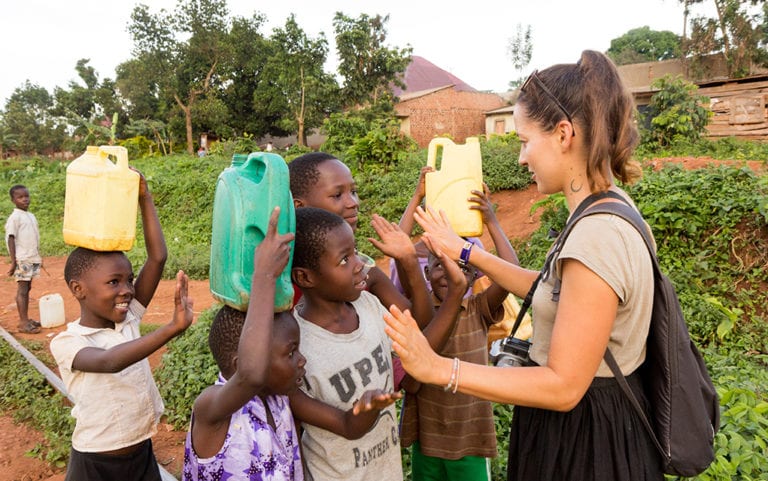
- Diversity of Roles: Modern missionaries aren’t just preachers; they are doctors, teachers, engineers, and humanitarian aid workers.
- Challenges: The work involves significant cultural adjustment, language barriers, and sometimes physical danger.
- Preparation: Becoming a missionary requires rigorous training, fundraising, and spiritual preparation.
- Global Impact: Beyond religious conversion, missionary work has historically contributed to education, healthcare, and infrastructure development.
When you hear the word missionary, you might picture someone in a remote jungle living in a hut, or perhaps a pair of young men in white shirts riding bicycles. While these images hold some truth, the reality of missionary work today is incredibly diverse and complex. It is a calling that has shaped history and continues to influence the world in profound ways. Whether you are curious about the history, considering the vocation yourself, or just want to understand the term better, this guide covers everything you need to know about what it means to be a missionary in the 21st century.
This article will break down the history, the different types of work involved, the preparation needed, and the real-life challenges these individuals face. We will look beyond the stereotypes to see the human side of this ancient vocation.
What Does It Mean to Be a Missionary?
At its core, a missionary is a member of a religious group sent into an area to promote their faith or perform ministries of service. The word comes from the Latin missio, meaning “the act of sending.” While the term is most commonly associated with Christianity, the concept of spreading faith exists in many religions. However, for the purpose of this article, we will focus primarily on the Christian context, as it is the most widely recognized usage in the United States.
A missionary is not just someone who travels; they are someone who is sent with a purpose. This purpose is often twofold: evangelism (sharing religious beliefs) and humanitarian aid (helping people in practical ways). In the past, the focus was heavily on evangelism. Today, the approach is often holistic, addressing physical needs like hunger, illness, and lack of education alongside spiritual needs. This shift reflects a broader understanding that caring for people involves looking after their body, mind, and soul.
The Historical Context of Missions
The history of the missionary movement is vast. It dates back to the early days of Christianity, where apostles traveled throughout the Roman Empire. Over centuries, this expanded globally. During the colonial era, missionaries often traveled alongside explorers and traders. This period is complex; while many missionaries did incredible work establishing schools and hospitals, others were entangled with colonial powers in ways that are criticized today.
Understanding this history is crucial because it shapes how missionary work is viewed now. Modern organizations strive to learn from the past, focusing on partnership with local communities rather than domination. They aim to empower local leaders rather than replacing them. This historical evolution from “doing for” to “doing with” is a key theme in modern missiology (the study of missions).
Types of Missionary Work
The image of a missionary standing at a pulpit is outdated. Today, the work is as varied as the people who do it. You can find missionaries working in:
- Medical Missions: Doctors, nurses, and dentists providing care in underserved areas.
- Education: Teachers working in schools or teaching English as a Second Language (ESL).
- Community Development: Engineers building wells, agriculturalists teaching farming techniques, or business experts helping start micro-enterprises.
- Translation: Linguists translating religious texts into local dialects.
- Justice Work: Advocates fighting human trafficking or supporting refugees.
This variety means that almost anyone with a skill set can find a place in the mission field. It’s not just for clergy anymore; it’s for professionals who want to use their career for a higher purpose.
The Journey to Becoming a Missionary
Deciding to become a missionary is rarely a spur-of-the-moment decision. It usually involves a long process of discernment, training, and preparation. For many, it starts with a sense of “calling”—a strong internal conviction that this is what they are meant to do. But a feeling isn’t enough; practical steps must follow.
Most reputable organizations require candidates to undergo psychological evaluations, health screenings, and background checks. This ensures that the person is resilient enough to handle the stress of living in a cross-cultural environment. The romantic idea of travel quickly fades when faced with the reality of isolation, culture shock, and potential danger.
Education and Training Requirements
You cannot simply pack a bag and declare yourself a missionary. Formal training is essential. This often includes:
- Theological Education: Understanding the core beliefs they will be teaching.
- Cross-Cultural Training: Learning how to navigate different cultural norms to avoid offending locals.
- Language Study: Spending months or years learning to speak the local language fluently.
- Technical Skills: If they are going as a medical missionary, they need proper medical licensing.
Many organizations run their own training institutes where prospective missionaries spend weeks or months living in community, simulating the conditions they might face abroad. This “boot camp” experience helps weed out those who might not be suited for the rigors of the field.
Fundraising and Support Raising
One of the most daunting aspects of becoming a missionary is the financial side. Most missionaries are not paid by a central employer in the traditional sense. Instead, they must raise their own support. This means asking friends, family, and churches to pledge monthly donations to cover their salary, travel, and project costs.
This process, often called “deputation,” can take a year or more. It requires the missionary to be a good communicator and networker. They must present their vision to potential donors and maintain those relationships through newsletters and updates while they are on the field. It creates a unique dynamic where the missionary is accountable to a wide network of supporters back home.
Daily Life in the Field
What does a typical Tuesday look like for a missionary? It varies wildly depending on location. For a missionary in a bustling city like Tokyo, it might involve riding the subway to teach an English class and meeting university students for coffee. For someone in rural Africa, it might involve driving a 4×4 over dirt roads to visit a remote clinic.
Despite the differences, there are common threads. Flexibility is key. Things rarely go according to plan in developing nations or foreign cultures. The power might go out, the bus might not show up, or a government official might change the rules. A successful missionary learns to roll with the punches and find humor in frustrating situations.
Overcoming Language Barriers
Language is the gateway to culture. A missionary who cannot communicate effectively will always be an outsider. Learning a new language as an adult is humbling and exhausting. It involves making mistakes, sounding like a child, and often being laughed at (good-naturedly, one hopes).
However, the effort speaks volumes. When locals see a foreigner struggling to learn their heart language, it builds trust. It shows that the missionary respects them enough to adapt to their world, rather than expecting them to adapt to English. This language acquisition phase is often the first “work” a missionary does, and it can take years to reach proficiency.
Navigating Culture Shock
Culture shock is a real psychological phenomenon. It follows a predictable cycle: the “honeymoon phase” where everything is new and exciting, followed by the “frustration phase” where everything is annoying and confusing. Eventually, a missionary moves toward adjustment and acceptance.
Simple things can become major hurdles. How do you greet an elder? Is it rude to finish all the food on your plate? How close do people stand when talking? Misreading these cues can damage relationships. Successful missionaries are students of culture, constantly observing and asking questions to understand the “why” behind the behavior.
Challenges Faced by Missionaries
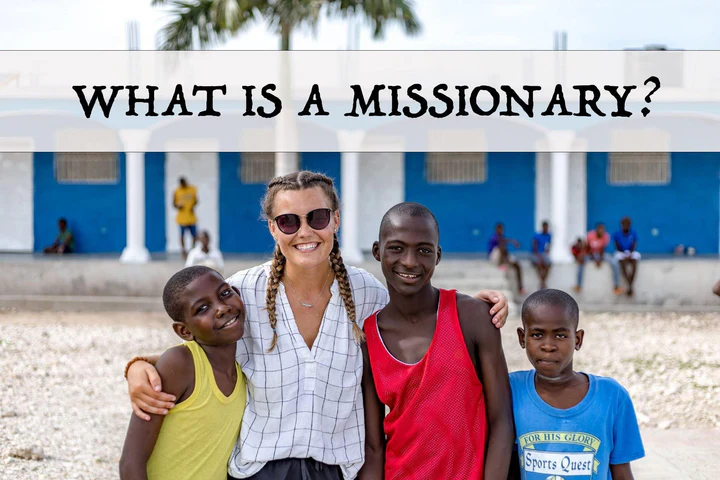
The life of a missionary is not all adventure and spiritual highs. It is fraught with challenges that can lead to burnout. One of the biggest issues is loneliness. Even surrounded by people, a missionary can feel isolated because they don’t fully belong to the local culture, yet they are no longer fully in sync with their home culture.
Family life presents its own set of challenges. “Missionary Kids” (MKs) or “Third Culture Kids” (TCKs) grow up between worlds. While this gives them a broad worldview, it can also lead to a sense of rootlessness. Parents worry about their children’s education, safety, and social development. Balancing the demands of the ministry with the needs of the family is a constant juggling act.
Physical Safety and Health Risks
In some parts of the world, being a missionary carries physical risk. This could be due to political instability, crime, or religious persecution. Missionaries in “closed countries” (where missionary visas are not granted) often have to live with a level of secrecy about their true purpose, working under the umbrella of a business or NGO.
Health is another major concern. Exposure to tropical diseases like malaria, dengue fever, or typhoid is common in certain regions. Access to quality healthcare may be hours away. This reality requires missionaries to be vigilant about their health and have comprehensive emergency evacuation plans in place.
The Problem of “Re-entry”
Oddly enough, one of the hardest parts of being a missionary is coming home. This is known as “reverse culture shock.” After years abroad, the home country can feel overwhelming. Supermarkets with 50 types of cereal can seem excessive. Friends’ conversations about pop culture or sports may feel trivial compared to the life-and-death issues the missionary faced abroad.
Reintegrating into society takes time. Many former missionaries struggle to find jobs that value their unique skill set. They may feel like strangers in their own land. Supportive churches and organizations are crucial during this transition period, offering counseling and practical help to settle back in.
The Impact of Missionary Work
Evaluating the impact of missionary work is complex. Critics point to the loss of indigenous cultures or the imposition of Western values. Supporters point to the massive contributions to global health and literacy. The truth likely holds both.
Historically, missionaries were often the first to write down unwritten languages, creating dictionaries and grammars to translate sacred texts. This inadvertently preserved languages and facilitated literacy. They built the first hospitals and schools in many regions, laying the groundwork for modern infrastructure.
Humanitarian Contributions
Today, the line between a missionary and a humanitarian aid worker is often blurred. Many Christian organizations are at the forefront of disaster relief. When an earthquake strikes or a famine looms, missionary networks are often already on the ground, able to mobilize resources quickly because they are embedded in the community.
Table: Common Areas of Missionary Impact
|
Area of Impact |
Description |
Example Activity |
|---|---|---|
|
Healthcare |
Providing medical services to those with no access. |
Running rural clinics, vaccination drives. |
|
Education |
Increasing literacy and vocational skills. |
Building schools, teaching English, adult literacy. |
|
Water & Sanitation |
Improving physical health through clean water. |
Drilling wells, teaching hygiene practices. |
|
Social Justice |
Advocating for the marginalized. |
Rescuing victims of trafficking, orphan care. |
|
Agriculture |
Improving food security. |
Teaching sustainable farming methods. |
Modern Approaches to Missions

The “white savior” complex is a criticism the modern missionary community takes seriously. There is a strong shift towards “indigenous missions.” This means supporting local believers to reach their own people, rather than sending foreigners. A local missionary already knows the language and culture and can live much more affordably.
In this model, the role of the Western missionary changes. They become trainers, funders, or partners rather than the front-line workers. This approach is generally seen as more sustainable and respectful. It acknowledges that the ultimate goal of a missionary should be to work themselves out of a job.
Short-Term vs. Long-Term Missions
A controversial topic in the missionary world is the explosion of short-term mission trips (1-2 weeks). Millions of Americans go on these trips every year. Proponents say it opens eyes to global needs and sparks generosity. Critics argue it is often “poverty tourism” that consumes resources without leaving lasting impact.
The consensus is shifting towards “responsible” short-term missions. These are trips that support the long-term work of a permanent missionary on the ground, rather than trying to save the world in a week. They focus on learning and relationship building rather than just projects like painting walls that don’t need painting.
Frequently Asked Questions (FAQ)
Here are some common questions people ask about the topic of being a missionary.
Q: Do missionaries get paid?
A: Generally, no. Most raise their own financial support from donors. However, some large organizations do provide a salary, and “tentmakers” (professionals working abroad) earn a salary from their secular job while doing mission work.
Q: Can a missionary be married?
A: Yes, many missionaries are married couples and families. However, there are also many single missionaries. Each status has its own pros and cons in the field.
Q: How long does a missionary stay?
A: It varies. Short-term missions last weeks. Mid-term is usually 1-3 years. Career missionaries may stay for decades, sometimes their entire adult lives.
Q: Is missionary work dangerous?
A: It can be, depending on the location. Missionaries in conflict zones or areas hostile to their religion face real risks. However, many serve in stable, safe countries.
Q: Do you have to be a pastor to be a missionary?
A: No. Teachers, doctors, pilots, accountants, and builders are all needed. The modern mission field needs a wide variety of skills.
Conclusion
The role of a missionary is evolving. It is a vocation that demands deep sacrifice, adaptability, and a genuine love for people. While the methods have changed over the centuries—shifting from colonial expansion to partnership and humanitarian aid—the core motivation remains: a desire to share faith and serve others.
Whether they are drilling a well in a drought-stricken village or teaching a university class in a major metropolis, the modern missionary is a bridge-builder between cultures. If you are interested in reading more about global lifestyles and unique vocations, you can visit Forbes Planet for more insightful articles. Understanding this work helps us appreciate the complex tapestry of global interconnectivity and the human drive to make a difference.
For further reading on the general concept and history, you can find a link from Wikipedia related to this keyword “missionary” which offers a broader historical perspective.
Related Posts



Stay Informed With the Latest & Most Important News
Previous Post
Next Post











Advertisement