
Now Reading: Everything You Need to Know About the 510 Area Code
-
01
Everything You Need to Know About the 510 Area Code

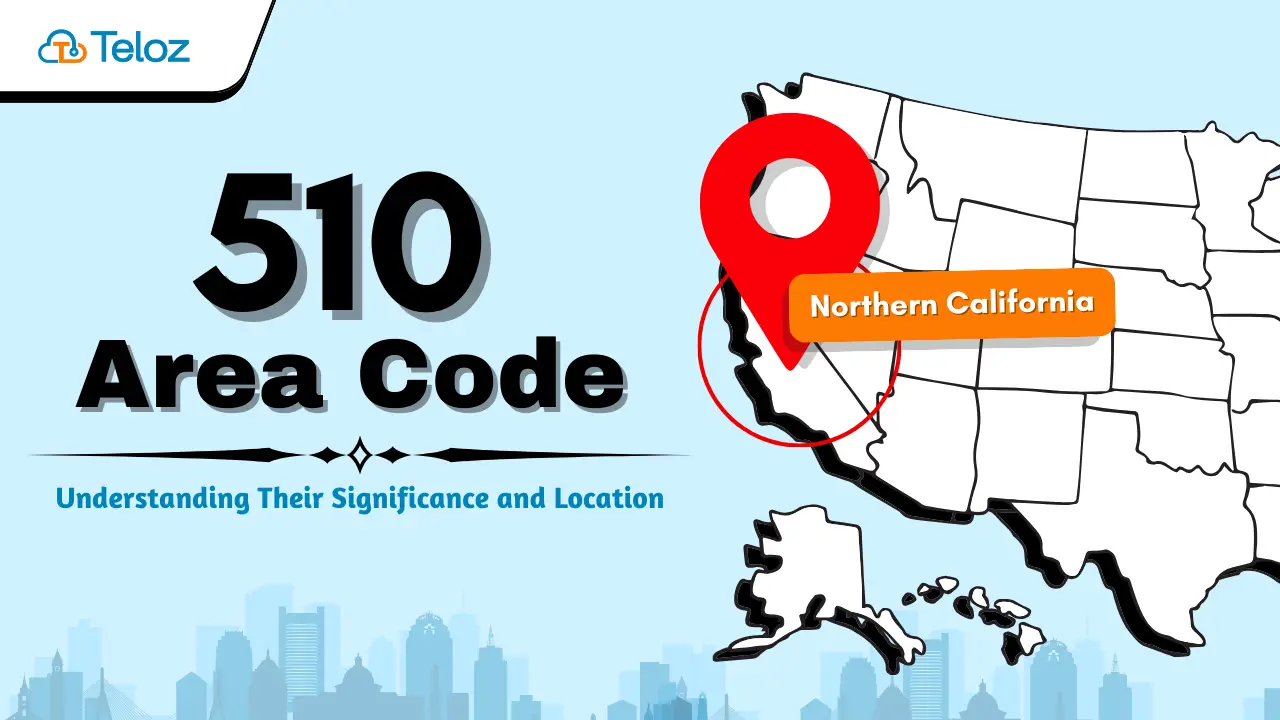
The East Bay of California is one of the most vibrant and culturally rich regions in the United States. It is home to bustling cities, beautiful waterfronts, and a thriving tech scene. Central to this region’s identity is the famous 510 area code. Whether you are looking to move to Oakland, set up a business in Fremont, or just received a call from a number you don’t recognize, understanding this specific code is incredibly useful. This guide will walk you through everything you need to know about this slice of California telecommunications history.
In this article, we will explore the cities covered by this code, how time zones work here, and why having a local number matters. We will break down complex details into simple terms so anyone can understand the significance of these three digits. By the end, you’ll be an expert on the 510 area code and why it remains a sought-after identifier in the San Francisco Bay Area.
Key Takeaways
- Location: Covers the East Bay of the San Francisco Bay Area, including Oakland and Fremont.
- Time Zone: Operates within the Pacific Time Zone (Pacific Standard Time/Pacific Daylight Time).
- History: Split from the 415 area code in 1991 due to population growth.
- Overlay: The 341 area code now serves the same geographic region as an overlay.
- Business Value: A 510 area code signifies a local presence in a major economic hub.
What is the 510 Area Code?
The 510 area code is a telephone area code in the North American Numbering Plan (NANP). It serves the western portions of Alameda and Contra Costa counties in California. When people think of the “East Bay,” they are often thinking of the territory covered by this number. It is not just a random set of digits; for many residents, it represents home, culture, and community.
Originally, the entire Bay Area was served by just one code. However, as the population exploded and technology advanced (think fax machines, cell phones, and dial-up internet), the need for more phone numbers grew rapidly. The 510 area code was introduced to handle this overflow and manage the telecommunications needs of millions of people living across the bay from San Francisco. Today, it stands as a symbol of one of California’s most diverse regions.
Where is the 510 Area Code Located?
Geographically, the 510 area code is situated in Northern California. Specifically, it covers the East Bay region of the San Francisco Bay Area. If you look at a map of California, you will find this area directly across the water from San Francisco. It stretches from the northern parts of the East Bay down towards the South Bay, bordering the Silicon Valley region.
This location is prime real estate. It includes major urban centers, suburban neighborhoods, and industrial zones. Because of its proximity to San Francisco and Silicon Valley, the region is highly desirable for both living and working. The 510 area code effectively maps out a corridor of innovation and cultural diversity that is distinct from its neighbors, yet vital to the overall economy of the state.
List of Major Cities in the 510 Area Code
The 510 area code serves several prominent cities that are key players in California’s economy and culture. It is not limited to just one town but encompasses a wide variety of communities. Here is a breakdown of some of the major cities you will find dialing 510:
- Oakland: The largest city in the region, known for its port, sports teams, and vibrant arts scene.
- Fremont: A major hub for tech manufacturing and home to a massive Tesla factory.
- Berkeley: Famous worldwide for the University of California, Berkeley, and its history of activism.
- Hayward: A central city known as the “Heart of the Bay.”
- Richmond: located north of Berkeley, known for its deep history in shipbuilding during WWII.
- San Leandro: A suburban city with a strong industrial base.
- Union City: A diverse community located between Hayward and Fremont.
- Alameda: An island city known for its small-town feel and naval history.
Other Communities Covered
Besides the big cities, many smaller towns and communities use the 510 area code. These include places like Albany, El Cerrito, Emeryville, Newark, Piedmont, and San Pablo. Even though they are smaller, they are integral parts of the East Bay ecosystem. Each of these towns contributes to the unique flavor of the region, from the high-end boutiques of Piedmont to the shopping centers of Emeryville.
Understanding the Time Zone
Since the 510 area code is located in California, it follows Pacific Time. This is crucial to know if you are planning to call someone in this region from a different part of the world or country. You don’t want to accidentally wake someone up in the middle of the night!
- Standard Time: Pacific Standard Time (PST) – UTC-8
- Daylight Saving Time: Pacific Daylight Time (PDT) – UTC-7
Generally, daylight saving time starts on the second Sunday in March and ends on the first Sunday in November. During the summer months, the clocks move forward one hour. Always check the current time difference before making that call to an office in Oakland or a friend in Fremont.
The History of the 510 Area Code
The history of phone numbers in California is actually quite fascinating. Originally, the entire Bay Area, including San Francisco and the East Bay, used the 415 area code. For decades, this was sufficient. However, by the late 1980s, the demand for phone lines began to exceed the available supply.
On September 2, 1991, the 510 area code was officially split from the 415 code. This was a major change for residents at the time who had to learn a new number. Initially, it covered a massive area. But the growth didn’t stop there. By 1998, the 510 area code itself was running out of numbers. This led to another split, where the eastern portions of Alameda and Contra Costa counties were spun off into the 925 area code. This history reflects the incredible population boom of the region.
Why is the 510 Area Code Popular?
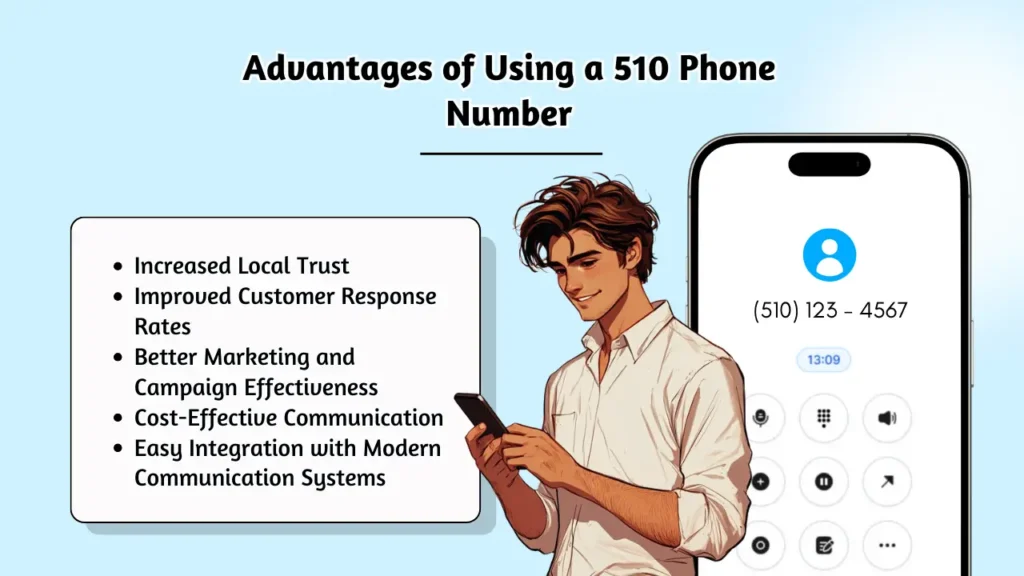
Having a 510 area code is often seen as a badge of honor for local businesses. It signals that a company is established in the East Bay, rather than being an outsider or a generic toll-free number. In a world where spam calls are common, people are more likely to answer a call from a local number they recognize.
Furthermore, the cities within this code—like Berkeley and Oakland—have powerful brand recognition. Berkeley is synonymous with education and innovation, while Oakland is known for grit and creativity. By using this area code, businesses and individuals tap into that positive reputation. It implies you are part of a progressive, economically strong community.
Business Benefits
- Trust: Locals trust local numbers.
- Identity: It aligns your brand with the Bay Area tech and culture scene.
- Convenience: It makes it easier for local customers to reach you.
The 341 Overlay: What You Need to Know
As we continued to use more cell phones and internet devices, the pool of available numbers in the 510 area code began to shrink again. To solve this problem without forcing people to change their existing numbers, a new solution was implemented called an “overlay.”
The 341 area code was introduced as an overlay to the 510 region. This means that new phone lines might be assigned the 341 code, but they serve the exact same geographic area as the 510. If you live in Oakland today and get a new phone, you might get a 341 number. The most important change this brought was mandatory 10-digit dialing. You can no longer just dial seven digits to call your neighbor; you must dial the full area code plus the number.
Detailed Map of the 510 Region
It helps to visualize exactly where these boundaries lie. The 510 area code hugs the eastern shoreline of the San Francisco Bay.
- North Boundary: It extends up to areas like Hercules and Crockett.
- South Boundary: It goes down to Fremont, bordering the Santa Clara County line (Silicon Valley).
- West Boundary: The San Francisco Bay water itself.
- East Boundary: The Oakland Hills and the Caldecott Tunnel generally separate the 510 from the 925 area code.
This strip of land is densely populated. It contains vital infrastructure like the Port of Oakland, Oakland International Airport, and major interstate highways like I-80 and I-880.
Demographics of the 510 Area
The people living within the 510 area code represent one of the most diverse populations in the United States. You will find a rich mix of ethnicities, languages, and cultures here. This diversity is reflected in the food, festivals, and businesses of the area.
Economically, the area is varied as well. It includes wealthy neighborhoods in the hills, middle-class suburbs, and working-class industrial areas. The presence of UC Berkeley means there is a large student population, while the tech hubs in Fremont attract engineers and software developers. This mix makes the region economically resilient and culturally vibrant.
How to Get a 510 Area Code Number
If you want a 510 area code for your personal use or business, it is still possible, though numbers are becoming scarcer due to high demand.
For Personal Use
When you sign up for mobile service with a major carrier (like Verizon, AT&T, or T-Mobile) and your billing address is in the East Bay, they will attempt to assign you a 510 number. However, if none are available, you might be assigned the overlay code 341 instead.
For Business Use
VoIP (Voice over IP) providers are often the best route for businesses. Services like RingCentral, Grasshopper, or Zoom Phone often have inventories of specific area codes. You can purchase a virtual phone number with the 510 area code and forward calls to your cell phone or office line, allowing you to establish a local presence even if you aren’t physically located in Oakland or Fremont.
Comparison: 510 vs. Neighboring Codes
The Bay Area is a patchwork of different area codes. It can be confusing to keep them straight. Here is how the 510 compares to its neighbors:
|
Area Code |
Region Covered |
Key Difference |
|---|---|---|
|
510 |
Western East Bay (Oakland, Fremont) |
Urban, diverse, waterfront cities. |
|
415 |
San Francisco & Marin County |
The original Bay Area code, covers the city across the bridge. |
|
925 |
Eastern East Bay (Walnut Creek, Concord) |
More suburban, warmer climate, inland. |
|
650 |
Peninsula (Palo Alto, San Mateo) |
The heart of Silicon Valley, south of SF. |
|
408 |
South Bay (San Jose) |
The southern tip of the Bay, major tech hub. |
Scams and Safety Concerns
Like any popular area code, the 510 area code can be used by scammers. It is important to be vigilant. Just because your caller ID says “Oakland, CA” doesn’t always mean the caller is actually there. Call spoofing allows scammers to fake their number to look local.
Common Red Flags:
- One-Ring Scams: The phone rings once and stops, tempting you to call back.
- Robocalls: Automated messages claiming your car warranty is expired or you owe taxes.
- Urgency: Callers demanding immediate payment via gift cards.
Always verify the identity of the caller. If you receive a suspicious call from a 510 area code, do not give out personal information. Hang up and call the official number of the organization they claim to represent.
Future of the 510 Area Code
As the population continues to grow, the demand for numbers will not slow down. The implementation of the 341 overlay has secured enough numbers for the foreseeable future, so we are unlikely to see another geographic split soon.
However, the prestige of the “original” numbers remains. As we move further into a digital age, phone numbers are becoming less about location and more about identity. The 510 area code will continue to represent the grit, innovation, and diversity of the East Bay.
Fun Facts About the 510 Region
Let’s look at some interesting trivia about the area covered by this code.
- Birthplace of the Black Panther Party: Oakland has a deep history of civil rights activism.
- Weather: The region is known for its “Mediterranean” climate, often sunnier than foggy San Francisco.
- Pixar Animation Studios: Located in Emeryville, many of your favorite animated movies were made in the 510 area code.
- Tesla Factory: The Tesla factory in Fremont is one of the largest manufacturing sites in the state.
Conclusion
The 510 area code is more than just a prefix for dialing a phone number; it is a digital boundary for one of the most exciting regions in California. From the academic halls of Berkeley to the busy port of Oakland and the tech parks of Fremont, this area code connects millions of people. Whether you are a business owner looking to establish trust with local customers or a resident proud of your East Bay roots, those three digits carry weight.
As technology evolves, the way we use phone numbers might change, but the geographic identity of the 510 will remain strong. Remember to always practice safe calling habits and appreciate the rich history behind the number on your screen. For more interesting insights on global trends and lifestyle, be sure to visit Forbes Planet.
For further reading on the technical history of telephone numbering plans, you can find a link from Wikipedia related to this keyword “510 area code” and check out their detailed entries on the North American Numbering Plan.
Frequently Asked Questions (FAQ)
1. Is the 510 area code in California?
Yes, the 510 area code is located in California. It specifically serves the East Bay region of the San Francisco Bay Area, covering parts of Alameda and Contra Costa counties.
2. What time zone is the 510 area code in?
It is in the Pacific Time Zone. This means it follows Pacific Standard Time (PST) in the winter and Pacific Daylight Time (PDT) in the summer.
3. Can I still get a 510 number?
Yes, but they are limited. New lines are often assigned the overlay code 341. However, many VoIP providers and business phone services may still have 510 area code numbers available for purchase.
4. Is 510 a toll-free code?
No, 510 is a geographic area code. Calls to it may incur long-distance charges depending on your specific phone plan, though most modern cell phone plans include nationwide calling.
5. What cities are in the 510 area code?
Major cities include Oakland, Fremont, Hayward, Berkeley, Richmond, San Leandro, Alameda, and Union City.
6. Why did I get a 341 number instead of 510?
The 341 area code is an “overlay” for the 510 region. Because the 510 area code ran out of available combinations, the 341 code was added to serve the same area. They are functionally the same in terms of location.
7. Do I need to dial 1 area code 510 for local calls?
Yes. Due to the overlay of the 341 code, you must dial the full 10-digit number (area code + phone number) or 1+10 digits, even for local calls within the same neighborhood.
Related Posts



Stay Informed With the Latest & Most Important News
Previous Post
Next Post










Advertisement