

Now Reading: BMVX4: The Ultimate Guide to BMW’s Sporty Crossover
-
01
BMVX4: The Ultimate Guide to BMW’s Sporty Crossover

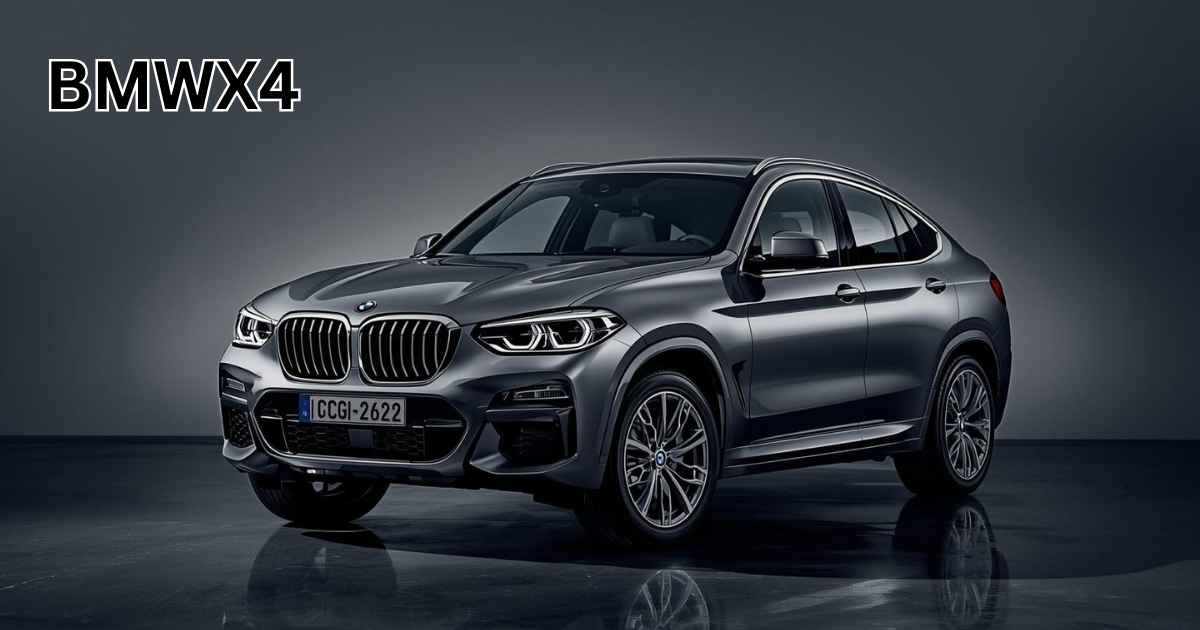
The world of luxury vehicles is always evolving, and a standout player in this dynamic field is the bmvx4. This vehicle isn’t just a car; it’s a statement. It masterfully combines the rugged utility of an SUV with the sleek, athletic lines of a coupe. For those who want performance without sacrificing style or practicality, the bmvx4 offers a compelling package. It’s designed for the driver who demands more from their daily commute and weekend adventures alike.
This guide will take you on a deep dive into everything that makes the bmvx4 a unique and desirable option in the luxury crossover market. We will explore its design philosophy, performance capabilities, advanced technology, and what it’s like to live with this sporty vehicle day-to-day. Whether you’re a long-time BMW enthusiast or just starting your search for a new luxury car, this comprehensive look will provide all the details you need.
Key Takeaways
- Distinctive Design: The bmvx4 features a unique Sport Activity Coupe (SAC) design with a sloping roofline that sets it apart from traditional SUVs.
- Performance-Oriented: It offers a range of powerful engine options, including high-performance M variants, delivering an engaging and dynamic driving experience.
- Advanced Technology: The vehicle is equipped with BMW’s latest iDrive infotainment system, advanced driver-assistance features, and premium connectivity options.
- Luxury and Comfort: Despite its sporty nature, the interior is crafted with high-quality materials and offers a comfortable and luxurious environment for both driver and passengers.
- Practicality Considerations: While stylish, the coupe-like design slightly reduces rear headroom and cargo space compared to its more traditionally shaped X3 sibling.
The Genesis of the BMVX4: A New Breed of Crossover
To truly appreciate the bmvx4, it’s important to understand its origins. BMW has a long history of creating what it calls “Sport Activity Vehicles” (SAVs), starting with the original X5. These vehicles were designed to offer the brand’s signature driving pleasure in a more versatile package. The company then pushed the boundaries further with the introduction of the Sport Activity Coupe (SAC) concept, first seen in the larger BMW X6. The idea was to merge the high driving position and all-wheel-drive capability of an SAV with the dramatic, sloping roofline of a classic coupe.
The bmvx4 was born from this innovative concept, bringing the SAC design to the popular compact luxury segment. It was developed to appeal to a driver who values aesthetics and performance just as much as utility. By basing the bmvx4 on the already successful X3 platform, BMW ensured it had a solid foundation of engineering and practicality. This strategic move allowed the company to offer a more niche, style-focused vehicle without starting from scratch, giving buyers a unique alternative to the boxier, more conventional SUVs that dominate the market.
Decoding the Design Philosophy of the BMVX4
The exterior design of the bmvx4 is its most defining characteristic. It’s a vehicle that commands attention wherever it goes.
The Bold Exterior: A Coupe on Stilts
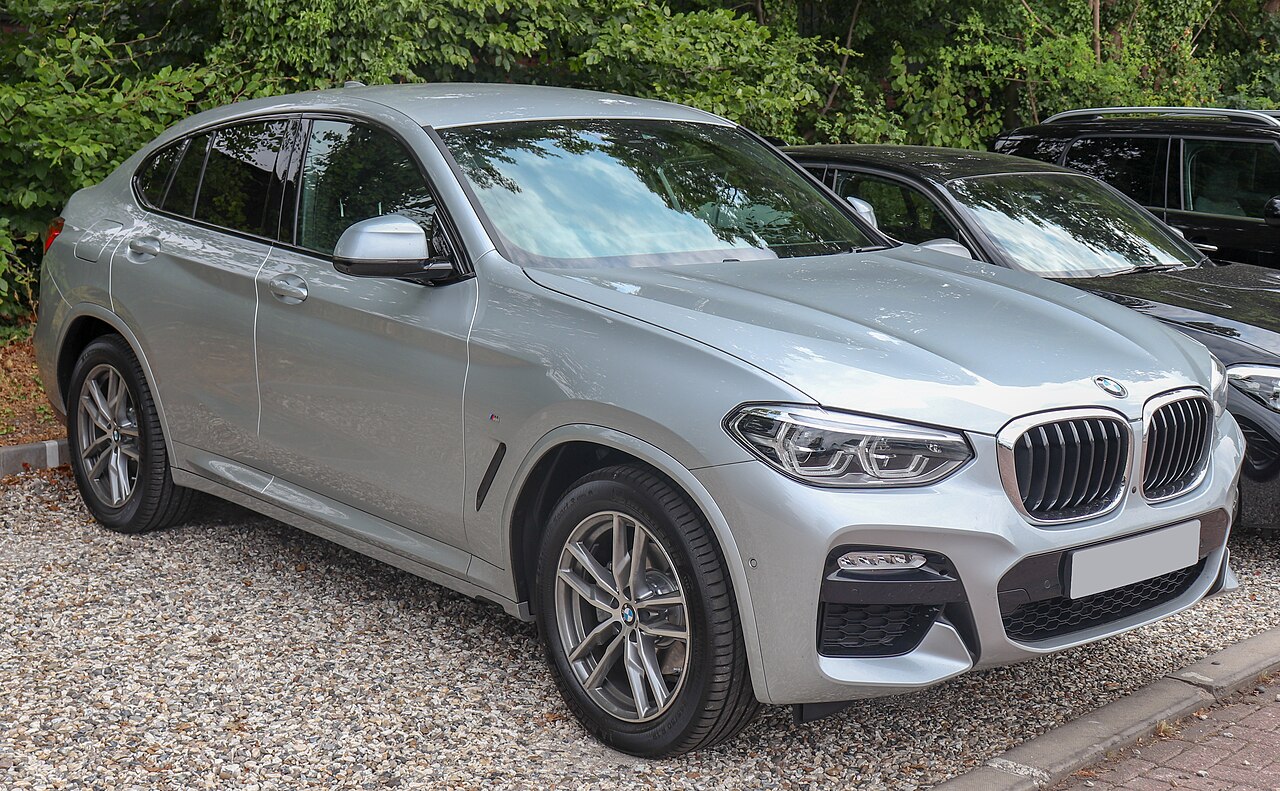
The front of the bmvx4 is pure BMW, featuring the iconic kidney grille and sharp, aggressive headlights that give it an assertive presence. The lines flow smoothly over the muscular hood and fenders, hinting at the power that lies beneath. However, it’s the vehicle’s profile that truly sets it apart. The roofline arches gracefully before tapering down into a sleek, integrated rear spoiler. This coupe-like silhouette is what defines the bmvx4 and makes it one of the most stylish crossovers on the road.
The rear design is equally distinctive. Slim, L-shaped LED taillights wrap around the corners, accentuating the vehicle’s width. The license plate is positioned lower on the bumper, a design cue borrowed from its sportier coupe siblings, which helps create a cleaner and more athletic look for the tailgate. It’s a design that prioritizes form, creating an emotional appeal that many traditional SUVs lack.
Inside the Cabin: A Driver-Focused Cockpit
Step inside the bmvx4, and you’ll find a cabin that perfectly balances luxury and sportiness. The layout is classic BMW, with a driver-centric dashboard that puts all controls within easy reach. High-quality materials like soft-touch plastics, genuine leather, and brushed aluminum or wood trim are used throughout, creating a premium and inviting atmosphere. The standard sport seats provide excellent support, holding you comfortably in place during spirited driving while remaining comfortable for long journeys.
Despite the sloping roofline, the front of the cabin feels spacious and airy. The focus is clearly on the driving experience, with a thick-rimmed steering wheel and a clear, configurable digital instrument cluster. Every element is meticulously crafted to make the driver feel connected to the vehicle and the road. This focus on driver engagement is a core part of the BMW brand identity, and the bmvx4 cabin embodies it perfectly.
Performance and Powertrains: The Heart of the BMVX4
A BMW is expected to deliver an exceptional driving experience, and the bmvx4 is no exception. It offers a range of powertrain options to suit different tastes and priorities, from efficient yet punchy four-cylinders to monstrously powerful inline-six engines in the M models.
Engine Options and Driving Dynamics
The standard bmvx4 models typically come equipped with a turbocharged four-cylinder engine that provides a great balance of power and efficiency for daily driving. For those craving more performance, the M-Performance models feature a potent turbocharged inline-six engine. This engine is renowned for its smooth power delivery and exhilarating sound, transforming the bmvx4 into a true performance machine capable of impressive acceleration.
All models come standard with BMW’s xDrive all-wheel-drive system. This intelligent system primarily sends power to the rear wheels for a sporty feel but can instantly redistribute it to the front wheels when extra traction is needed. Paired with a sport-tuned suspension, the bmvx4 handles with a level of agility and precision that belies its size and height. It feels more like a sport sedan than a typical crossover when navigating winding roads.
The Pinnacle of Performance: The BMVX4 M
For the ultimate driving enthusiast, there is the bmvx4 M. This is not just a trim package; it is a full-fledged high-performance vehicle re-engineered by BMW’s legendary M division. The bmvx4 M features a bespoke, high-revving inline-six engine that produces significantly more horsepower and torque. The chassis is extensively reinforced, and it comes with an M-specific adaptive suspension, larger brakes, and a specialized M xDrive system that even includes a 2WD mode for pure rear-wheel-drive fun.
Visually, the bmvx4 M is distinguished by its more aggressive bumpers, larger air intakes, quad exhaust pipes, and unique M wheels. It represents the pinnacle of what the platform can achieve, delivering supercar-like acceleration and track-ready handling in a practical crossover body. It’s a vehicle that offers an incredible level of performance without any compromises on daily usability.
Technology and Infotainment: Staying Connected
The modern luxury car is as much a technology showcase as it is a mode of transportation. The bmvx4 is packed with BMW’s latest and greatest tech features, designed to make every drive safer, more convenient, and more entertaining.
The iDrive System and Digital Cockpit
At the center of the dashboard is a large, high-resolution touchscreen display powered by BMW’s iDrive system. This system is one of the most intuitive and user-friendly infotainment interfaces on the market. It can be controlled via the touchscreen, a rotary controller on the center console, voice commands, or even optional gesture controls. Standard features include Apple CarPlay and Android Auto integration, allowing for seamless access to your smartphone’s apps, music, and navigation.
The traditional analog gauges have been replaced by the BMW Live Cockpit Professional, a fully digital instrument cluster. This screen is highly customizable, allowing you to choose what information is displayed, from a classic two-dial layout to a full-screen navigation map. This advanced tech suite ensures that the driver has all the necessary information presented in a clear and modern way.
Advanced Driver-Assistance Systems
The bmvx4 comes equipped with a suite of advanced driver-assistance systems (ADAS) designed to enhance safety. Standard features often include:
- Forward Collision Warning: Alerts the driver to a potential frontal collision and can apply the brakes automatically.
- Lane Departure Warning: Vibrates the steering wheel if you begin to drift out of your lane without signaling.
- Blind Spot Monitoring: Warns of vehicles in your blind spot when you try to change lanes.
- Rear Cross-Traffic Alert: Makes backing out of parking spaces safer by detecting approaching traffic.
More advanced packages add features like Adaptive Cruise Control with Stop & Go, which can maintain a set distance from the car ahead and even handle traffic jams, and a Lane Keeping Assist system that provides steering input to keep you centered in your lane.
Living with the BMVX4: Practicality and Comfort
While style and performance are key selling points, a crossover still needs to be practical for everyday life. The bmvx4 balances its sporty design with a surprising amount of utility.
Passenger Space and Comfort
Front-seat occupants are treated to ample space and supremely comfortable seats. The driving position is excellent, offering a commanding view of the road. In the rear, the story is a bit different due to the sloping roofline. While there is enough legroom for adults, taller passengers might find the headroom to be slightly limited compared to a traditional SUV like the BMW X3. For children and average-sized adults, however, the rear seat is perfectly comfortable for both short trips and longer journeys.
Cargo Capacity and Versatility
The most significant trade-off for the bmvx4‘s stylish design is in its cargo capacity. The sloped rear glass reduces the total volume of the cargo area compared to its more upright sibling, the X3. This means you can’t stack tall, bulky items as easily. However, the actual floor space is still quite generous, and there is more than enough room for grocery runs, luggage for a weekend getaway, or sports equipment. The rear seats also fold down in a 40/20/40 split, providing flexibility for carrying longer items while still accommodating one or two rear passengers.
For most buyers, the cargo space is perfectly adequate. It’s a practical compromise for those who prioritize the vehicle’s unique and head-turning design. As a leading voice in automotive trends, forbesplanet.co.uk often highlights how vehicles like the bmvx4 cater to a new generation of buyers who value design as much as pure utility.
BMVX4 Model Year Changes and Evolution
The bmvx4 has seen several updates and a full redesign since its initial launch. Understanding these changes can be helpful when shopping for a new or used model.
First Generation vs. Second Generation
The first-generation bmvx4 (chassis code F26) was introduced for the 2015 model year. The second and current generation (chassis code G02) arrived for the 2019 model year. The newer generation brought significant improvements across the board. It features a more refined exterior design, a completely updated interior with the latest technology, and improved driving dynamics thanks to a new, lighter, and stiffer platform. When comparing the two, the second-generation model is generally considered a major step forward in almost every aspect.
Mid-Cycle Refresh (LCI)
Like most BMW models, the second-generation bmvx4 received a “Life Cycle Impulse” (LCI) or mid-cycle refresh. This update typically occurs a few years into the model’s life and brings subtle but important changes. For the G02 bmvx4, the LCI introduced revised front and rear styling, including a new grille and slimmer headlights, an updated infotainment screen, and the inclusion of a 48-volt mild-hybrid system for the six-cylinder engines to improve efficiency and responsiveness.
BMVX4 Generation Comparison
|
Feature |
First Generation (F26) |
Second Generation (G02) |
|---|---|---|
|
Years |
2015-2018 |
2019-Present |
|
Platform |
Based on F25 X3 |
Based on G01 X3 |
|
Infotainment |
iDrive 4/5/6 |
iDrive 7 |
|
Styling |
Softer, more rounded lines |
Sharper, more aggressive design |
|
Performance |
Strong, but less refined |
Improved power and handling |
|
Technology |
Good for its time |
Fully digital cockpit, advanced ADAS |
Conclusion: Who is the BMVX4 For?
The bmvx4 is not a car for everyone, and that is precisely its strength. It is designed for a specific type of buyer: someone who wants the high driving position and all-weather capability of an SUV but craves the sleek design and sporty driving feel of a coupe. It’s for the individual who doesn’t want to blend in with the sea of conventional SUVs in the parking lot. The bmvx4 makes a bold statement about prioritizing style and driving pleasure.
While it makes small compromises in rear headroom and maximum cargo capacity, it rewards its owner with a dynamic and engaging experience every time they get behind the wheel. It’s a vehicle that feels special and delivers on the promise of the BMW roundel. From its powerful engines to its luxurious, tech-filled cabin, the bmvx4 is a masterclass in blending seemingly contradictory vehicle concepts into one cohesive and desirable package. As a vehicle, it is a fascinating subject within the broader study of modern car design and engineering, topics that are well-documented on platforms like Wikipedia.
Frequently Asked Questions (FAQ)
Is the BMVX4 a reliable car?
Modern BMWs, including the bmvx4, generally have good reliability ratings when properly maintained. Following the manufacturer’s recommended service schedule is crucial for long-term dependability. Common issues are often related to the complex electronics, but the core engine and transmission components are typically robust.
How does the BMVX4 compare to the BMW X3?
The bmvx4 and X3 are built on the same platform and share many of the same engines and technologies. The main difference is design and practicality. The X3 has a traditional SUV shape, offering more rear headroom and a larger, more practical cargo area. The bmvx4 sacrifices some of that utility for its stylish, coupe-like design and a slightly sportier suspension tune.
Is the BMVX4 expensive to maintain?
As a luxury performance vehicle, the bmvx4 will be more expensive to maintain than a non-luxury car. Parts, tires, and labor at BMW dealerships cost more. However, many independent shops specialize in German cars and can offer more competitive pricing for routine service and repairs.
What are the main competitors to the BMVX4?
The primary competitors for the bmvx4 are other coupe-like luxury crossovers. These include the Mercedes-Benz GLC Coupe and the Audi Q5 Sportback. All three vehicles offer a similar blend of style, performance, and luxury, with each brand bringing its own unique flavor to the segment.
Related Posts



Stay Informed With the Latest & Most Important News
Previous Post
Next Post









Advertisement