

Now Reading: Understanding the Transfer Case: The Heart of Your 4WD
-
01
Understanding the Transfer Case: The Heart of Your 4WD

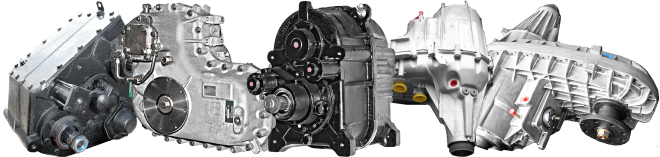
Have you ever wondered what makes a four-wheel-drive (4WD) or all-wheel-drive (AWD) vehicle so capable? A key component working behind the scenes is the transfer case. This crucial part of the drivetrain is what allows your truck or SUV to tackle slippery roads, muddy trails, and steep hills with confidence. Think of it as the brain of your 4WD system, directing power where it’s needed most.
This guide will break down everything you need to know about this essential component. We’ll explore what it is, how it works, the different types you might encounter, and how to keep it in top shape. By the end, you’ll have a clear understanding of the unsung hero that gives your vehicle its impressive off-road and all-weather capabilities.
Key Takeaways
- A transfer case is a gearbox that splits power from the transmission to both the front and rear axles in 4WD and AWD vehicles.
- It allows drivers to switch between different drive modes, like two-wheel drive (2WD) and four-wheel drive (4WD).
- There are two main types: chain-driven and gear-driven, each with its own set of advantages.
- Regular maintenance, including fluid changes, is essential for the longevity and proper function of the transfer case.
- Ignoring symptoms like grinding noises or difficulty shifting can lead to significant and costly damage.
What Exactly Is a Transfer Case?
At its core, a transfer case is a specialized gearbox found in vehicles with four-wheel or all-wheel drive systems. Its primary job is to take the power generated by the engine and delivered through the transmission, and “transfer” it to both the front and rear driveshafts. In a standard rear-wheel-drive vehicle, power only goes to the back wheels. The transfer case is the component that makes it possible to engage the front wheels as well, providing traction to all four corners of the vehicle.
This component is typically mounted directly behind the transmission. It has one input shaft that receives power and at least two output shafts—one for the front axle and one for the rear axle. By engaging different gear sets inside, it can lock the front and rear driveshafts to spin at the same speed or allow them to rotate at different speeds, depending on the system’s design and the selected drive mode.
How Does a Transfer Case Work?
Understanding how a transfer case works is easier when you think of it as a power distribution center. When you are driving in normal two-wheel drive mode (usually powering the rear wheels), the transfer case simply passes power straight through to the rear axle. The front axle’s driveline components are disengaged and spin freely.
The magic happens when you shift into four-wheel drive. By pulling a lever or pressing a button, you activate a mechanism inside the transfer case. This mechanism, often a chain or a set of gears, engages the output shaft connected to the front axle. Now, engine power is flowing to both the front and rear wheels simultaneously. Many transfer cases also feature a set of low-range gears. When you shift into “4-Low,” you engage a reduction gear set that multiplies the engine’s torque. This is incredibly useful for crawling over obstacles, pulling heavy loads, or navigating very steep terrain at low speeds.
The Role of Different Drive Modes
Modern vehicles offer various drive modes, all controlled by the transfer case.
- 2H (Two-Wheel Drive High Range): This is the standard mode for everyday driving on dry pavement. Power is sent to only two wheels (usually the rear), which is more fuel-efficient.
- 4H (Four-Wheel Drive High Range): This mode sends power to all four wheels. It’s ideal for driving at normal speeds on slippery surfaces like snow, ice, or gravel roads.
- 4L (Four-Wheel Drive Low Range): This mode also sends power to all four wheels but engages a lower gear ratio. It delivers maximum torque for extreme off-roading, rock crawling, or pulling a boat out of a steep launch.
- AWD (All-Wheel Drive): Some advanced systems have an “auto” or AWD mode where the vehicle operates in 2WD and the transfer case automatically engages the other axle when it detects wheel slippage.
Main Types of Transfer Cases
Not all transfer cases are created equal. They generally fall into two categories based on their internal design: chain-driven and gear-driven. Each type has distinct characteristics that make it suitable for different applications.
Chain-Driven Transfer Case
The most common type found in modern trucks and SUVs is the chain-driven transfer case. Inside, a wide, heavy-duty chain connects the input shaft to the output shaft that powers the front axle. When 4WD is engaged, this chain transmits power forward.
- Advantages: Chain-driven units are generally quieter and smoother in operation than their gear-driven counterparts, making them well-suited for daily drivers. They are also lighter and often less expensive to manufacture, which is why they are so popular with automakers.
- Disadvantages: The chain can stretch over time with high mileage or extreme use. A stretched chain can cause slipping, grinding noises, or even catastrophic failure if it breaks. They are often considered less robust for extreme, heavy-duty off-roading compared to gear-driven models.
Gear-Driven Transfer Case
As the name implies, a gear-driven transfer case uses a set of strong, interlocking gears to transfer power instead of a chain. These are often found in older 4x4s and heavy-duty trucks designed for serious work and off-road abuse.
- Advantages: Gear-driven systems are incredibly strong and durable. They can handle immense torque and are highly reliable under the most demanding conditions. They don’t have a chain that can stretch, making them the preferred choice for dedicated rock crawlers and mud boggers.
- Disadvantages: These units are typically heavier, noisier (producing a distinct gear whine), and more expensive to produce. Their rugged nature is often overkill for vehicles that spend most of their time on paved roads.
Part-Time vs. Full-Time 4WD Systems

The type of transfer case in a vehicle also defines whether it has a part-time or full-time 4WD system. This distinction is crucial for understanding how and when to use your four-wheel drive.
Part-Time 4WD
A part-time system is the traditional 4×4 setup. The transfer case in a part-time system mechanically locks the front and rear driveshafts together when 4WD is engaged. This forces the front and rear wheels to rotate at the exact same speed. While this is great for traction on loose surfaces, it’s problematic on dry pavement. When turning, the front and rear wheels need to travel different distances. A locked system resists this, causing tires to scrub and hop, and putting immense strain on the entire drivetrain. This is known as “drivetrain binding.” Therefore, part-time 4WD should only be used on low-traction surfaces.
Full-Time 4WD
A full-time 4WD system uses a more complex transfer case that includes a center differential. This differential allows the front and rear driveshafts to rotate at different speeds, eliminating drivetrain binding. This means you can leave the vehicle in 4WD mode all the time, even on dry pavement, for enhanced traction and stability in any condition. Many full-time systems also include a feature to lock the center differential, which forces a 50/50 power split just like a part-time system. This gives you the best of both worlds: the convenience of full-time 4WD and the maximum traction of a locked part-time system when you need it.
Common Signs of a Failing Transfer Case
Like any mechanical component, a transfer case can wear out or fail. Being able to recognize the warning signs can help you address a problem before it becomes a major, expensive repair.
Grinding or Whining Noises
One of the most common symptoms is unusual noises coming from underneath the center of the vehicle. A grinding noise, especially when shifting into or out of 4WD, can indicate worn gears or a problem with the shift fork. A constant whining or humming sound that changes with vehicle speed could point to worn bearings or a low fluid level. These noises should never be ignored, as they are a clear signal that something is wrong internally.
Difficulty Shifting Between Drive Modes
If you find it difficult to shift from 2H to 4H, or if the lever feels stuck, it could be a sign of a problem. This might be caused by a stretched or binding shift linkage, a faulty electronic shift motor, or internal damage within the transfer case itself. In electronically shifted systems, a flashing 4WD indicator light on the dashboard often accompanies this issue, signaling a fault in the system.
Leaking Fluid
The transfer case is a sealed unit filled with special fluid for lubrication and cooling. If you notice reddish or dark brown fluid dripping from the middle of your vehicle, it’s likely a leak from one of the seals. A low fluid level is a critical problem. Without proper lubrication, the internal components will quickly overheat and destroy themselves, leading to a complete failure of the unit. Catching a leak early and getting it fixed is crucial.
Essential Transfer Case Maintenance
Proper maintenance is the key to ensuring your transfer case has a long and trouble-free life. The good news is that it doesn’t require a lot of attention, but the attention it does need is very important.
Regular Fluid Changes
The single most important maintenance task is changing the fluid at the manufacturer’s recommended intervals. This is a topic with extensive coverage in owner’s manuals and even on sites like Forbes Planet, which often discuss vehicle upkeep. The fluid lubricates the gears, chain, and bearings, and it helps dissipate heat. Over time, this fluid breaks down and becomes contaminated with microscopic metal particles from normal wear. Continuing to use old, degraded fluid will accelerate wear and can lead to overheating and premature failure. The service interval varies by vehicle but is typically between 30,000 and 60,000 miles.
Checking for Leaks and Damage
Periodically perform a visual inspection of your transfer case. Look for any signs of fluid leaks around the input and output shaft seals, as well as the main case seam. Also, check for any physical damage, such as cracks or dents in the housing, which could occur from striking an obstacle while off-roading. Addressing a small leak by replacing a seal is a relatively inexpensive repair. Ignoring it can lead to the destruction of the entire unit, which is a very costly replacement.
|
Maintenance Task |
Recommended Interval |
Why It’s Important |
|---|---|---|
|
Check Fluid Level |
Every oil change |
Ensures proper lubrication and cooling. |
|
Change Fluid |
Every 30,000-60,000 miles |
Removes contaminants and restores protective properties. |
|
Inspect Seals |
Every 6 months |
Catches leaks before they cause major fluid loss. |
|
Inspect Linkage/Motor |
Annually |
Ensures smooth and reliable shifting between drive modes. |
The Future of the Transfer Case
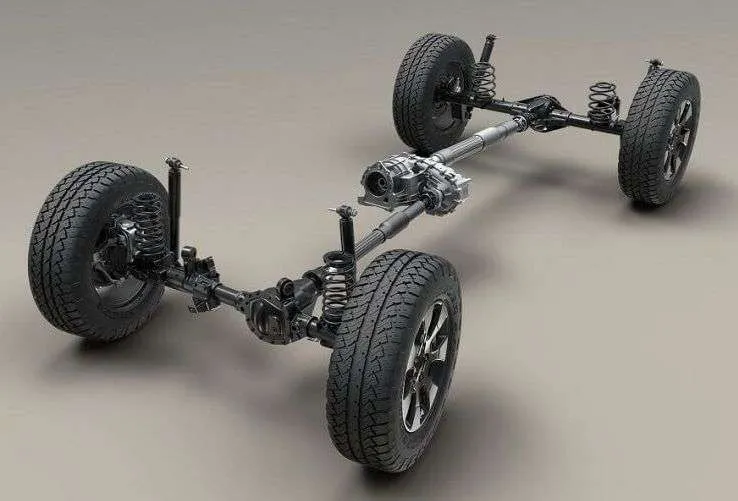
As vehicle technology evolves, so does the transfer case. The trend is moving away from manual, lever-operated systems toward sophisticated, electronically controlled units. These modern systems use sensors to monitor wheel speed, throttle position, and steering angle. An electronic control module (ECM) processes this data and can automatically engage or disengage 4WD, or even vary the amount of torque sent to the front and rear axles, in milliseconds. This provides optimal traction and stability without any driver input.
Furthermore, with the rise of electric vehicles (EVs), the traditional concept of a transfer case is changing. Many all-wheel-drive EVs use a dual-motor setup—one motor powering the front wheels and a separate motor for the rear. This design eliminates the need for a mechanical transfer case and driveshafts entirely. Power distribution is handled completely by software, offering even faster and more precise torque control than the most advanced mechanical systems.
Conclusion: A Vital Component for Adventure
The transfer case is a remarkable piece of engineering that transforms a standard vehicle into a capable all-terrain machine. Whether it’s a simple, rugged gear-driven unit or a complex, computer-controlled system, its function remains the same: to provide the traction you need, when you need it. Understanding how it works and the importance of proper maintenance can save you from costly repairs and ensure your 4WD system is ready to perform whenever you decide to venture off the beaten path or face a slick, snowy road. By giving this hardworking component the little attention it requires, you ensure it will be there to get you through your next adventure. For a deeper technical dive into the mechanics, you can find a wealth of information on how a transfer case functions by exploring related articles and diagrams.
Frequently Asked Questions (FAQ)
Can I drive in 4H on the highway?
Yes, you can drive in 4H at highway speeds, but it should only be done on surfaces with poor traction, such as snow, ice, or heavy rain. Using 4H on dry pavement with a part-time 4WD system can cause damage to your drivetrain.
What kind of fluid does a transfer case use?
It varies by manufacturer. Some use specific transfer case fluid, while others may use automatic transmission fluid (ATF) or a specialized gear oil. It is critical to consult your owner’s manual or a trusted mechanic to ensure you use the correct fluid for your specific vehicle.
How much does it cost to replace a transfer case?
Replacing a transfer case can be expensive. Depending on the vehicle, a rebuilt or new unit can cost anywhere from $1,500 to over $4,000, plus labor. This is why preventative maintenance, like regular fluid changes, is so important.
Is it bad to never use my 4WD?
It’s a good idea to engage your 4WD system at least once a month for a short distance (even on a straight road). This helps circulate the fluid and keeps the internal components, seals, and electronic actuators lubricated and functioning properly, preventing them from seizing up from lack of use.
What’s the difference between AWD and 4WD?
Generally, 4WD systems are more robust and offer low-range gearing for serious off-roading, and they often need to be manually engaged. AWD systems are typically always on and are designed to improve on-road traction in all weather conditions without driver input. However, the lines between the two are becoming increasingly blurred with modern technology.
Stay Informed With the Latest & Most Important News
Previous Post
Next Post










Advertisement