

Now Reading: Everything You Need to Know About the Sparkling World of Lambrusco
-
01
Everything You Need to Know About the Sparkling World of Lambrusco


Key Takeaways
- It’s Not Just Sweet: While often remembered as a cheap, sweet wine from the 70s, modern lambrusco comes in dry, crisp, and high-quality varieties.
- Sparkling Red Magic: It is one of the few red wines in the world that sparkles, making it a unique choice for dinner parties.
- Food’s Best Friend: Thanks to its acidity and bubbles, this wine is one of the best pairings for rich foods like pizza, pasta, and charcuterie.
- Diverse Styles: From light pink Rosato to deep purple Grasparossa, there is a style for every palate.
You might remember seeing big jugs of sweet, fizzy red wine at family gatherings years ago. For a long time, lambrusco had a reputation for being cheap and overly sugary. But let me tell you, times have changed! This Italian sparkling red wine is experiencing a massive revival in the United States, and for good reason. It is fun, frizzy, and incredibly food-friendly.
If you are looking for something different to serve at your next barbecue or pizza night, you need to give this wine a second chance. We are going to dive deep into what makes it so special, the different types you can buy, and exactly what to eat with it. Whether you like your wine bone-dry or a little sweet, there is a bottle out there with your name on it.
What Exactly Is Lambrusco?
Lambrusco is actually the name of both the grape and the wine made from it. It hails from the Emilia-Romagna region in northern Italy, an area famous for its incredible food. We are talking about the home of Parmigiano Reggiano cheese, Prosciutto di Parma, and balsamic vinegar. It makes total sense that the local wine would be designed to taste amazing with these rich, savory foods.
Unlike most red wines which are still (no bubbles), this wine is frizzante (lightly sparkling) or spumante (fully sparkling). It gets its bubbles from a specific fermentation process. The result is a wine that is refreshing, usually served chilled, and perfect for cutting through the fat of heavy dishes. It is vibrant, usually purple or ruby red, and often smells like berries and violets.
The History Behind the Bubbles
This isn’t a new fad. The lambrusco grape has been around for thousands of years. The ancient Etruscans and Romans were making wine from these wild vines long before modern Italy existed. In fact, the name likely comes from the Latin terms for “wild” (labrum) and “vine” (ruscum).
However, in the 1970s and 80s, mass production took over. Large factories pumped out millions of bottles of very sweet, low-quality industrial wine and shipped it to America. This damaged the wine’s reputation for decades. But today, a new generation of winemakers in Italy has gone back to traditional methods. They are focusing on quality over quantity, showing the world that this wine can be serious, complex, and delicious.
The Main Types of Lambrusco Grapes
One of the most confusing things about shopping for this wine is that there isn’t just one type. There is a whole family of grapes under the lambrusco umbrella. Each one tastes a little different. Knowing the difference will help you pick a bottle you actually like.
Lambrusco di Sorbara
If you like lighter wines, Lambrusco di Sorbara is likely your best bet. It is the lightest in color, often looking more like a dark rosé than a red wine. The flavor is very bright and acidic, often tasting like strawberries, rhubarb, and red currants.
Because it is so high in acid and very floral, Sorbara is incredibly refreshing. It is usually made in a dry (secco) style. This is the perfect wine to drink on a hot summer day or to pair with lighter appetizers. It is elegant and fragrant, quite different from the dark, inky wines you might expect.
Lambrusco Grasparossa
On the opposite end of the spectrum lies Lambrusco Grasparossa. This is the big, bold powerhouse of the family. The grapes have thick skins, which produce a wine that is deep purple—sometimes almost black—with a froth that is distinctly violet-colored when you pour it.
Grasparossa is fuller-bodied and has more tannins (that drying sensation in your mouth) than Sorbara. It tastes like dark berries, black plums, and sometimes has an earthy almond bitterness on the finish. It is robust enough to handle heavy meat dishes and is arguably the most popular style for people who love traditional red wines.
Lambrusco Salamino
Sitting right in the middle is Lambrusco Salamino. It is named “Salamino” because the grape clusters are shaped like little sausages (salami). This variety is the most widely planted and offers a great balance. It has the dark color of Grasparossa but the fragrant acidity of Sorbara.
Salamino wines are often intensely aromatic and fruity. They are approachable and friendly, making them a great starting point if you have never tried this style of wine before. You can find them in both dry and semi-sweet versions.
Understanding the Sweetness Levels
When you are staring at a shelf of wine bottles, it can be hard to tell if the wine inside is sweet or dry. Italian wine labels use specific terms to tell you exactly how much sugar is in the bottle. Understanding these words is key to enjoying your lambrusco experience.
If you buy a bottle expecting it to be dry and it turns out to be sugary, you might be disappointed. Conversely, if you want something sweet and get a bone-dry wine, it might taste too sour. Here is a handy table to help you decode the labels.
|
Italian Term |
Meaning |
Taste Profile |
|---|---|---|
|
Secco |
Dry |
Little to no sugar. Crisp, savory, and refreshing. |
|
Semisecco |
Semi-Dry |
A hint of sweetness, but still balanced by acid. |
|
Amabile |
Semi-Sweet |
Noticeably sweet, like ripe fruit. Very popular style. |
|
Dolce |
Sweet |
Very sweet, almost like a dessert wine. |
The Perfect Food Pairings
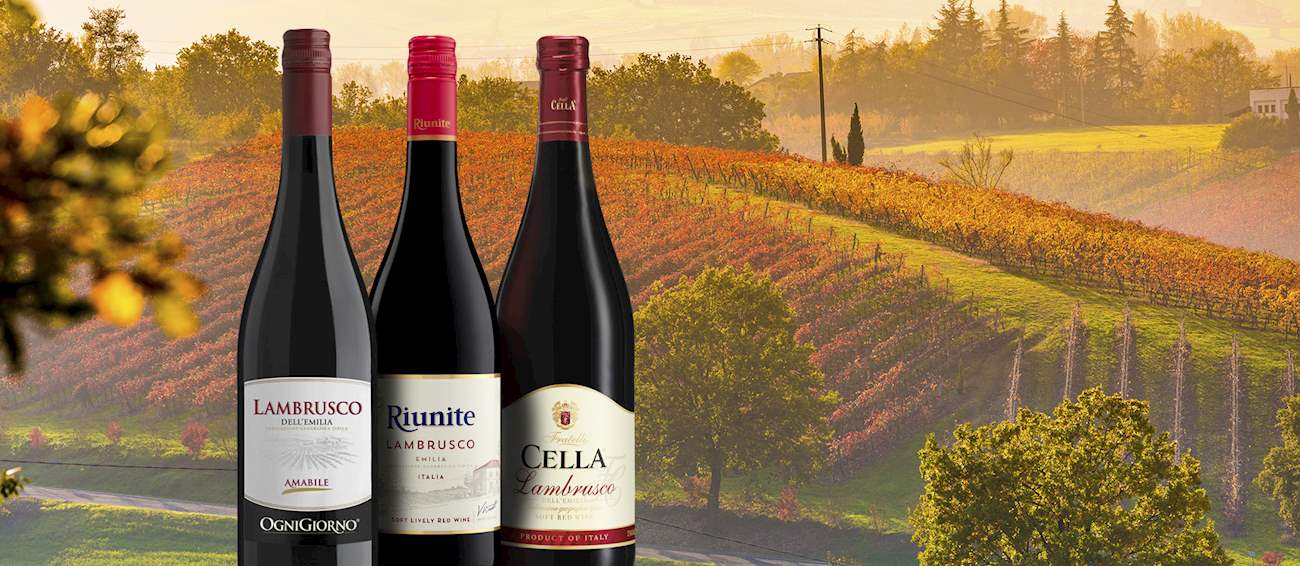
The absolute best thing about lambrusco is how well it goes with food. In the wine world, we say “what grows together, goes together.” Since this wine comes from the culinary heart of Italy, it is destined to be eaten with great food. The bubbles and high acidity act like a palate cleanser, scrubbing your tongue clean after a bite of fatty cheese or meat.
Pizza and Pasta Night
Forget beer or soda; this sparkling red is the ultimate pizza partner. Whether you are having a simple cheese slice or a meat-lovers pie, the acidity of the wine cuts right through the grease and cheese.
For pasta, think rich and creamy. A lasagna with meat sauce (Bolognese) is a match made in heaven. The tannins in the wine bind with the proteins in the meat, while the bubbles lift the heavy sauce off your palate. It also works wonders with creamy tortellini or ravioli.
Charcuterie and Cheese Boards
If you are hosting a party and putting out a board of meats and cheeses, you need a bottle of this wine. It is specifically famous for pairing with Prosciutto di Parma (cured ham). The salty, fatty ham is balanced perfectly by the fruity, fizzy wine.
It also pairs beautifully with chunks of Parmigiano Reggiano cheese. The saltiness of the cheese contrasts with the fruitiness of the wine. Add some olives, nuts, and crackers, and you have an easy, sophisticated appetizer spread that your guests will love.
American BBQ and Burgers
Surprisingly, lambrusco is fantastic with American comfort food. Think about a juicy burger or BBQ ribs. These foods are fatty, savory, and sometimes sweet (thanks to BBQ sauce). A semi-dry (Semisecco) or dry (Secco) Grasparossa has enough body to stand up to grilled beef and enough fruitiness to compliment the smoky flavors.
Because the wine is served chilled, it provides a refreshing contrast to hot, spicy, or smoky barbecue dishes. It is a much more interesting choice than a standard lager or iced tea.
How to Serve Lambrusco Correctly
Serving temperature matters! If you serve a regular heavy red wine (like Cabernet) too cold, it loses flavor. But lambrusco is different. It is meant to be chilled. The ideal temperature is around 50-55°F (10-12°C).
You can achieve this by putting the bottle in the fridge for about 45 minutes before serving. If it is too warm, the alcohol might taste overpowering and the bubbles won’t feel as crisp. If it is ice cold, you might miss out on the subtle floral aromas.
Glassware Tips:
- You don’t need fancy champagne flutes.
- A standard white wine glass is perfect.
- The wider bowl allows you to swirl the wine and smell the beautiful aromas, which a skinny flute would trap.
Why Acidity Matters in Wine
We have mentioned acidity a few times, but what does that actually mean? In wine, acidity is what makes your mouth water. It is that tart, zesty sensation you get from lemonade or a Granny Smith apple. Lambrusco is naturally high in acid.
This is a good thing! Acidity is what makes a wine feel refreshing rather than heavy or flabby. It preserves the fresh fruit flavors and is the primary reason why this wine is so good with food. Without acidity, a sweet wine would just taste like syrup. With acidity, it tastes balanced and lively.
The “Tannin” Factor
Tannin is a chemical found in grape skins, seeds, and stems. It creates a drying, astringent feeling on your gums. Because lambrusco is a red wine, it sits on the skins for a while during winemaking, absorbing some tannins.
However, compared to a big Cabernet Sauvignon, the tannins here are usually softer and lower. This makes the wine easier to drink for people who don’t like that “drying” sensation. The bubbles also help to mask the tannins, making the wine feel smooth and approachable.
Common Myths About Lambrusco
There are a lot of misconceptions floating around about this Italian gem. Let’s bust a few myths so you can shop with confidence.
- Myth 1: It is always sweet. False! As we discussed, many artisanal versions are bone dry (Secco).
- Myth 2: It is low alcohol. While some sweet versions are low (around 8%), dry quality versions often range from 11% to 12.5%, similar to other wines.
- Myth 3: It is cheap and bad. While affordable, “cheap” doesn’t mean bad quality anymore. You can find incredible bottles for $15-$20 that taste expensive.
How It Is Made: The Charmat Method
Most lambrusco is made using the Charmat method (also known as the Tank Method). This is the same method used to make Prosecco.
- First Fermentation: The grapes are crushed and fermented into a still base wine.
- Second Fermentation: The base wine is put into a large, sealed steel tank. Yeast and sugar are added to kickstart a second fermentation.
- Trapping the Bubbles: Because the tank is sealed, the CO2 released by the yeast has nowhere to go, so it dissolves into the wine, creating bubbles.
- Bottling: The wine is filtered and bottled under pressure.
This method is great because it preserves the fresh, fruity aroma of the grape. It doesn’t add “toasty” or “yeasty” flavors like the Champagne method does. It keeps the wine tasting like fresh berries, which is exactly what winemakers want.
Shopping Guide: What to Look For
When you walk into a wine shop, don’t just grab the first bottle you see. Look for the DOC label. DOC stands for Denominazione di Origine Controllata. It is an official Italian guarantee of quality and origin.
If you see “Lambrusco Emilia IGT,” it might be a blend of different grapes from a wider area. These can be good, but DOC wines (like “Lambrusco di Sorbara DOC”) have stricter rules and are often higher quality. Also, look for the vintage year. This wine is meant to be drunk young and fresh. You usually want to buy the most recent year available. It is not a wine meant for aging in your cellar for 10 years.
Pricing Expectations
One of the best selling points of this wine is the value. You rarely need to spend more than $20 to get an outstanding bottle.
- $10 – $15: Great entry-level wines, perfect for pizza night.
- $15 – $25: High-quality, single-vineyard, or artisanal bottles that will impress wine snobs.
- $25+: Rare, specialized bottlings, often made with the “Ancestral Method” (fermented in the bottle).
Health Benefits and Nutrition
Like other red wines, lambrusco contains antioxidants, specifically resveratrol, which comes from the grape skins. While drinking alcohol should always be done in moderation, red wine has been linked to heart health in some studies.
Since this wine is lower in alcohol than many heavy reds (which can reach 15% ABV), it can be a slightly “lighter” option if you are watching your intake. However, be mindful of the sugar content. If you are watching your carbs or sugar, stick to the “Secco” (dry) varieties, as the “Amabile” and “Dolce” styles contain residual sugar.
The Future of Lambrusco in the US
The United States is currently seeing a “sparkling red” revolution. Sommeliers in New York, San Francisco, and Chicago are putting cool, dry lambrusco on their wine lists. It fits perfectly with the current trend of drinking “natural,” lower-alcohol, and chillable red wines.
For decades, we ignored this category, but now imports are rising. Consumers are realizing that you don’t have to spend a fortune to get a delicious, authentic Italian wine. As people explore regional Italian food more deeply, they are naturally discovering the wines that go with it.
Frequently Asked Questions (FAQ)
Q: Is Lambrusco a red or white wine?
A: It is predominantly a sparkling red wine. However, there are rosé versions (Rosato) and very rarely, white versions made by removing the red skins immediately.
Q: Can I age Lambrusco?
A: Generally, no. It is designed to be consumed fresh. Try to drink it within 1-2 years of buying it to enjoy the fresh fruit flavors.
Q: Is it similar to Prosecco?
A: They are both Italian sparkling wines often made with the tank method, but Prosecco is white and floral/fruity, while lambrusco is red, tannic, and tastes like berries.
Q: How do I store an open bottle?
A: Because it is sparkling, it will lose its bubbles once opened. Use a champagne stopper to seal it tight and keep it in the fridge. It will stay good for about 2-3 days.
Q: What if I don’t like sweet wine?
A: Just look for the word “Secco” on the label. This guarantees the wine is dry.
Conclusion
It is time to let go of the old stereotypes. Lambrusco is a vibrant, versatile, and historically rich wine that deserves a spot in your fridge. Whether you are eating a fancy charcuterie board or a simple pepperoni pizza, there is a bottle that will elevate your meal. Its unique combination of bubbles, acidity, and berry flavors makes it one of the most exciting wines to explore right now.
If you are interested in exploring more about luxury lifestyles, travel, and fine dining that pairs well with these wines, check out helpful resources like Forbes Planet. So, the next time you are at the wine shop, skip the standard choices and grab a bottle of bubbly red. For more technical details on the history and grape varieties, you can always visit Wikipedia. Cheers to trying something new
Stay Informed With the Latest & Most Important News
Previous Post
Next Post











Advertisement