
Now Reading: Everclear Alcohol Percentage: Your Complete Guide
-
01
Everclear Alcohol Percentage: Your Complete Guide

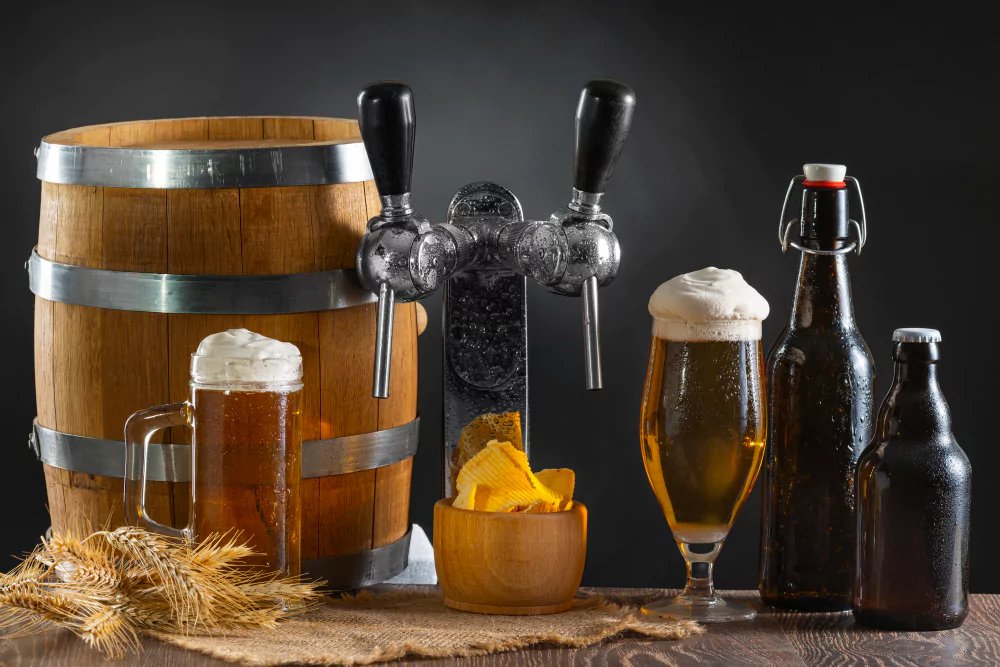
Everclear is a name that often comes up in conversations about strong spirits, and for a good reason. Its reputation precedes it, but what’s the real story behind this potent grain alcohol? Many people are curious about the everclear alcohol percentage, and this guide is here to answer all your questions. We will explore what makes Everclear so powerful, the different versions available, and how its strength compares to other common liquors. Understanding its potency is key to using it safely and appropriately.
This article will break down everything you need to know. We’ll look at the specific numbers, explain what terms like “proof” and “ABV” mean, and discuss why this spirit is sometimes banned. By the end, you’ll have a clear and comprehensive understanding of the everclear alcohol percentage and its implications.
What Exactly is Everclear?
Everclear is a brand of grain spirit, which means it’s a neutral alcohol distilled from fermented grains like corn. Unlike whiskey or vodka, which are often bottled at around 40% alcohol by volume (ABV), Everclear is known for its exceptionally high alcohol content. It’s produced by the American company Luxco. Think of it less as a beverage to be sipped on its own and more as a pure, potent ingredient.
Because of its neutral flavor profile—it tastes strongly of alcohol without the distinct notes of juniper, agave, or aged oak you find in other spirits—it’s often used as a base. People use it for creating homemade liqueurs, bitters, or infusions. Its high proof allows it to extract flavors from fruits, herbs, and spices very efficiently. The defining characteristic that sets it apart from almost every other spirit on the shelf is its formidable everclear alcohol percentage.
The Meaning of Proof and ABV
When discussing the strength of any alcoholic beverage, you’ll encounter two key terms: Alcohol by Volume (ABV) and proof.
- Alcohol by Volume (ABV): This is the most straightforward measurement. It tells you exactly what percentage of the liquid in the bottle is pure alcohol. For example, a spirit with 40% ABV is 40% ethyl alcohol and 60% water and other compounds.
- Proof: This is an older system of measurement, originating in 16th-century England. In the United States, the proof of a spirit is simply double its ABV. So, a liquor that is 40% ABV is 80-proof, and a spirit that is 50% ABV is 100-proof.
Understanding this simple conversion is crucial when you see the numbers associated with Everclear. When you see a bottle labeled “190-proof,” you can quickly calculate that its ABV is 95%. This context is essential for grasping the true everclear alcohol percentage.
The Two Main Types of Everclear
Everclear isn’t a one-size-fits-all product. Luxco produces two primary versions, largely due to state regulations governing the sale of high-proof spirits. The availability of each type depends entirely on local laws.
Everclear 190-Proof: The Strongest Version
This is the most famous—and infamous—version of Everclear. The 190-proof bottle contains an astonishing 95% alcohol by volume. This is incredibly close to the purest form of ethanol that can be achieved through traditional distillation. It’s so potent that it’s classified as a hazardous material for shipping purposes and is illegal to sell in many states.
The 95% everclear alcohol percentage makes it an extremely efficient solvent. This is why it’s a favorite among herbalists and culinary enthusiasts for making tinctures and flavor extracts. The high concentration of alcohol strips flavors and essential oils from ingredients much faster and more completely than a lower-proof spirit like vodka ever could. However, its strength also makes it incredibly dangerous to consume undiluted.
Everclear 151-Proof: The More Common Option
In states where 190-proof spirits are banned, you can often find Everclear 151. As the name suggests, this version is 151-proof, which translates to 75.5% alcohol by volume. While this is significantly less potent than its 190-proof sibling, it is still far stronger than almost any other spirit you’ll find on the shelf.
For comparison, most high-proof rums and whiskeys top out around 125-135 proof (62.5-67.5% ABV). So, even the “weaker” Everclear is in a class of its own. This 75.5% everclear alcohol percentage is still highly effective for infusions and creating homemade liqueurs, making it a versatile alternative where the 190-proof version is unavailable. It must still be handled with extreme care and heavily diluted before it’s used in any consumable mixture.
Understanding the Everclear Alcohol Percentage in Context
To truly appreciate how high the everclear alcohol percentage is, it helps to compare it to other common alcoholic beverages. This comparison highlights why Everclear demands so much respect and caution.
|
Beverage |
Typical ABV |
Typical Proof (US) |
|---|---|---|
|
Beer |
4-6% |
8-12 |
|
Wine |
12-15% |
24-30 |
|
Vodka, Gin, Rum, Whiskey |
40% |
80 |
|
High-Proof Rum |
50-75.5% |
100-151 |
|
Everclear 151 |
75.5% |
151 |
|
Everclear 190 |
95% |
190 |
As the table clearly shows, even standard spirits are less than half as strong as Everclear 190. Drinking Everclear straight would be like drinking five or six shots of vodka at once, which is extremely dangerous.
Why is Everclear Not 100% Alcohol?
You might wonder why Everclear tops out at 95% ABV and not a full 100%. The reason lies in the science of distillation. Alcohol (ethanol) and water form something called an “azeotrope.” This is a mixture of liquids that has a constant boiling point and composition throughout distillation.
For ethanol and water, this azeotropic mixture occurs at a concentration of approximately 95.6% alcohol and 4.4% water. Once this point is reached, the vapor produced by boiling has the same composition as the liquid. This means that simple distillation cannot separate the remaining water from the alcohol. Achieving a higher purity, like 100% alcohol, requires a special chemical process known as “absolute distillation,” which is not used for creating consumable spirits. Therefore, the maximum everclear alcohol percentage is effectively capped by the laws of chemistry.
State Laws and Regulations on High-Proof Alcohol
The sale of high-proof spirits is a contentious issue, and regulations vary dramatically from one state to another. The powerful everclear alcohol percentage is the primary reason for these restrictions. Many states have banned the sale of any spirit over a certain proof, which directly impacts the availability of Everclear 190.
States Where Everclear 190 is Illegal
As of the latest updates, several states have outlawed the sale of spirits at or above a certain proof, making the 190-proof version of Everclear illegal for consumer purchase. These states include:
- California
- Florida
- Hawaii
- Iowa
- Maine
- Maryland
- Massachusetts
- Michigan
- Minnesota
- Nevada
- New Hampshire
- New York
- North Carolina
- Ohio
- Pennsylvania
- Vermont
- Washington
Note: Laws can change, so it is always wise to check your current local regulations. In these jurisdictions, you may only be able to find the 151-proof version or no Everclear at all. The concern is public safety, as the high alcohol content can lead to rapid intoxication and severe health risks if consumed irresponsibly.
Safe and Practical Uses for Everclear
Given its strength, Everclear is not intended for casual drinking. It is a tool for specific applications where its high proof is an advantage. Responsible use is paramount.
Culinary Applications
One of the most popular uses for Everclear is in the kitchen. Its neutral flavor and high alcohol content make it the perfect base for:
- Homemade Liqueurs: Create your own limoncello, crème de menthe, or coffee liqueur. The high everclear alcohol percentage allows you to extract rich flavors from citrus peels, herbs, and beans.
- Extracts: Why buy vanilla or lemon extract when you can make a more potent, purer version at home? Just soak vanilla beans or lemon peels in a small amount of Everclear for a few weeks.
- Craft Cocktails: While never used as a primary ingredient, a tiny amount can be used in certain recipes, especially those involving flaming elements (with extreme caution) or when a very strong tincture is needed to flavor a drink. Always remember that any drink containing Everclear must be heavily diluted.
Other Practical Uses
Beyond the kitchen, Everclear’s purity makes it useful for other tasks. Some people use it as a heavy-duty disinfectant or cleaning agent for certain surfaces due to its high ethanol content. It can also serve as a solvent in various craft projects. These non-culinary applications are becoming more widely known, with guides available from sources like Forbes Planet that explore innovative ways to use household items.
The Dangers and Risks of Everclear
It is impossible to discuss the everclear alcohol percentage without addressing the serious risks involved. Consuming high-proof alcohol, especially undiluted, can be extremely dangerous and potentially fatal.
Rapid Intoxication
Because the alcohol is so concentrated, it is absorbed into the bloodstream very quickly. This can lead to rapid and severe intoxication, impairing judgment and coordination far faster than standard drinks. A small amount of Everclear can be equivalent to several standard drinks, making it easy to consume a dangerous amount without realizing it.
Alcohol Poisoning
Alcohol poisoning is a life-threatening emergency that occurs when a person consumes more alcohol than their body can process. The high everclear alcohol percentage significantly increases this risk. Symptoms include confusion, vomiting, seizures, slow or irregular breathing, and unconsciousness. If you suspect someone has alcohol poisoning, call for emergency medical help immediately.
Fire Hazard
A liquid that is 95% alcohol is extremely flammable. Everclear 190-proof has a very low flashpoint, meaning it can ignite easily from a nearby spark or flame. It should never be handled near an open flame, stovetop, or any other heat source. Using it for flaming drinks is a practice best left to highly trained professionals in a controlled environment.
Key Takeaways
- Everclear is a high-proof grain spirit available in two main versions: 190-proof (95% ABV) and 151-proof (75.5% ABV).
- The everclear alcohol percentage is among the highest available for any consumer-grade spirit.
- Proof is double the ABV; 190-proof means 95% Alcohol by Volume.
- The 190-proof version is illegal in many states due to safety concerns.
- Everclear is not intended for direct consumption but as a base for infusions, liqueurs, and extracts.
- Consuming Everclear undiluted is extremely dangerous and can lead to rapid intoxication and alcohol poisoning.
- Its high flammability makes it a significant fire risk.
Conclusion
The everclear alcohol percentage is what defines this unique spirit, setting it apart from everything else on the market. With versions reaching up to 95% ABV, it is one of the most potent alcoholic products available to consumers. This strength makes it a powerful tool for culinary creations like homemade extracts and liqueurs, where it can draw out flavors with unmatched efficiency.
However, this same strength demands extreme caution and respect. It is not a beverage for sipping or taking shots; it is a concentrated ingredient that must be handled responsibly and always diluted significantly. Understanding the laws in your area and the serious health risks associated with high-proof alcohol is essential for anyone considering its use. For more historical and scientific details on pure grain alcohol, further information is available on platforms like Wikipedia.
Frequently Asked Questions (FAQ)
1. Can you drink Everclear straight?
No, you should never drink Everclear straight. Its extremely high alcohol percentage (up to 95% ABV) can cause immediate damage to your mouth and throat, lead to rapid and severe intoxication, and significantly increase the risk of life-threatening alcohol poisoning. It must always be heavily diluted.
2. What is the difference between Everclear 151 and 190?
The numbers refer to the proof of the alcohol. Everclear 190 is 190-proof, meaning it has a 95% everclear alcohol percentage. Everclear 151 is 151-proof, which translates to 75.5% ABV. The 190-proof version is illegal to sell in many states, so the 151-proof version is offered as an alternative.
3. Why is Everclear illegal in some states?
Many states have banned the sale of high-proof spirits to protect public health and safety. The concern is that such potent products can easily lead to dangerous levels of consumption, accidental alcohol poisoning, and other health emergencies. These laws set a maximum legal proof for spirits sold within the state, and Everclear 190 often exceeds that limit.
4. What can I use instead of Everclear?
If Everclear is unavailable or you prefer a less intense option, a high-proof vodka or rum can be a good substitute. Look for a spirit that is at least 100-proof (50% ABV). While it may not extract flavors as quickly or efficiently as Everclear, it is a much safer and more widely available alternative for making infusions and liqueurs.
5. Is Everclear gluten-free?
Everclear is made from grain, typically corn, which does not contain gluten. Furthermore, the distillation process itself removes gluten proteins. Therefore, pure distilled spirits, including Everclear, are considered gluten-free and safe for individuals with celiac disease or gluten sensitivity.
Related Posts



Stay Informed With the Latest & Most Important News
Previous Post
Next Post








Advertisement