

Now Reading: Everything You Need to Know About Buying a Face Cord of Wood
-
01
Everything You Need to Know About Buying a Face Cord of Wood

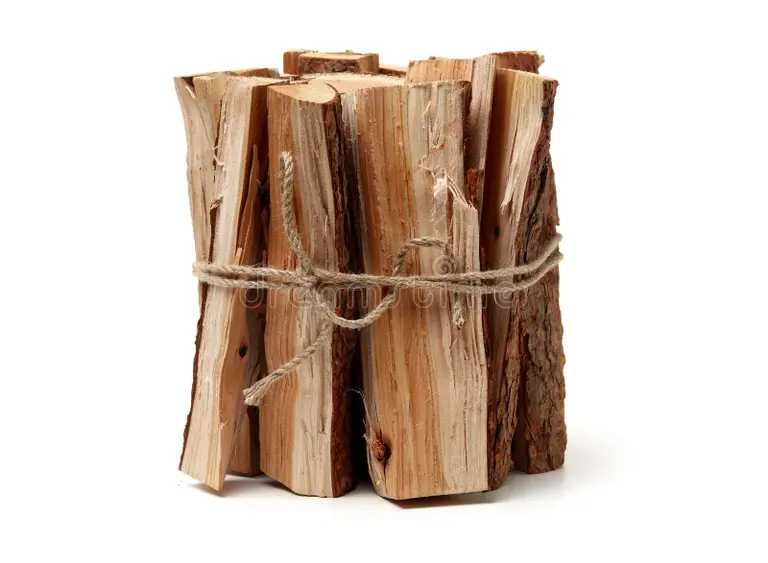
Imagine a chilly winter evening. The wind is howling outside, but inside, you are curled up with a warm blanket, a hot cup of cocoa, and the crackling sound of a perfect fire. It sounds like paradise, right? But before you can enjoy that cozy scene, you need to buy the fuel. You hop online or call a local supplier, and suddenly you are hit with confusing terms. Full cord? Rick? Face cord? It can feel like you need a math degree just to buy some logs for your fireplace.
If you have ever scratched your head wondering how much wood you are actually getting, you are not alone. Buying firewood is tricky because there isn’t always a standard package like a gallon of milk or a loaf of bread. One of the most common terms you will hear is a face cord of wood. Understanding this measurement is the key to making sure you don’t get ripped off and that you have enough fuel to last through the cold snaps.
In this guide, we are going to break down everything you need to know. We will look at measurements, pricing, how to stack it, and how to spot a good deal. By the time you finish reading, you’ll be a firewood expert ready to stock up for the season.
Key Takeaways
- A face cord of wood is a stack that measures 4 feet high by 8 feet long, but the depth depends on the log length.
- The depth of a face cord is usually 16 inches, which is different from a full cord measuring 4 feet deep.
- Knowing the difference between seasoned and green wood can save you money and frustration.
- Always measure your stack upon delivery to ensure you received what you paid for.
What Exactly Is a Face Cord of Wood?
When you start shopping for firewood, the most important thing is knowing exactly what you are paying for. A face cord of wood is a very specific unit of measurement used by firewood sellers across the United States. It is not just a random pile thrown into the back of a truck.
To visualize it, imagine a neat stack of firewood. The face of the stack—the part you look at from the front—has standard dimensions. It must be 4 feet high and 8 feet long. This creates a total face area of 32 square feet. This is where the name comes from; you are looking at the “face” of the cord.
However, the “depth” of the stack is where things get interesting. Unlike a full cord, which has a set depth, the depth of a face cord is determined by how long the individual logs are cut. Typically, firewood logs are cut to lengths of 16 inches because that is a standard size for most wood stoves and fireplaces. So, if you buy a face cord with 16-inch logs, your total volume is roughly one-third of a full cord. If the logs are 24 inches long, the volume is greater, even though it is still technically a face cord.
It is crucial to ask your seller about log length. If you have a small wood stove that only fits 12-inch logs, a face cord of 24-inch logs won’t do you much good without a lot of extra sawing. Always clarify the length of the pieces before you agree to a price.
The Difference Between a Full Cord and a Face Cord
One of the biggest sources of confusion for buyers is the difference between a full cord and a face cord of wood. Sellers might use the word “cord” loosely, which can lead to you paying full price for only a fraction of the wood.
A full cord is an official, legal unit of measurement. It is a massive amount of wood. A full cord measures 4 feet high, 4 feet wide, and 8 feet long. The total volume is 128 cubic feet. This is a lot of wood—enough to fill the bed of a standard pickup truck nearly two times over if it is stacked neatly, or completely overflow it if thrown in loosely.
In contrast, a face cord has the same height (4 feet) and length (8 feet) as a full cord, but it is only as deep as one log (usually 16 inches). Because 16 inches is one-third of 4 feet (48 inches), three face cords of 16-inch logs generally equal one full cord.
Here is a simple way to remember it:
- Full Cord: 4′ x 4′ x 8′ (128 cubic feet)
- Face Cord: 4′ x Log Length x 8′ (Volume varies)
Knowing this distinction protects your wallet. Unscrupulous sellers might try to sell you a “cord” for a low price, but deliver a face cord instead. If the price seems too good to be true for a full cord, it is likely a face cord.
Comparison Table: Face Cord vs. Full Cord
|
Feature |
Full Cord |
Face Cord (Standard) |
|---|---|---|
|
Height |
4 Feet |
4 Feet |
|
Length |
8 Feet |
8 Feet |
|
Depth |
4 Feet |
Log Length (e.g., 16 inches) |
|
Total Volume |
128 Cubic Feet |
~42.6 Cubic Feet (for 16″ logs) |
|
Relationship |
1 Full Cord |
~1/3 of a Full Cord |
Other Common Firewood Measurements
Just when you thought you had it figured out, you might hear other terms thrown around at the wood lot. People use all sorts of slang and regional terms to describe wood quantities. While face cord of wood is fairly standard, you might encounter terms like a “rick,” a “run,” or a “truckload.”
A rick of wood is essentially the same thing as a face cord. It describes a stack that is 4 feet high and 8 feet long, with the depth being the length of the log. The terms are often used interchangeably depending on where you live in the country. In the Midwest, you might hear “face cord” more often, while in the South, “rick” might be the go-to term.
A thrown cord or loose cord refers to wood that has been tossed into a truck or container rather than stacked neatly. Because there is more air space between the logs when they are thrown loosely, the volume appears larger than it actually is. A thrown cord generally contains about 30% less wood than a neatly stacked cord.
Then there is the vague “pickup truck load.” This is the most unreliable measurement of all. A standard pickup truck bed varies in size. A Ford F-150 with a short bed holds much less wood than a heavy-duty truck with a long bed. Plus, is the wood stacked or thrown? Is it mounded high or level with the sides? If someone offers to sell you a truckload, ask for dimensions or try to convert it mentally into face cords to see if the price is fair.
How Much Does a Face Cord of Wood Cost?
Pricing for firewood varies wildly depending on several factors. Geography plays a huge role. If you live in a heavily forested area like Maine or Oregon, wood is plentiful and generally cheaper. If you live in a city or a desert region where wood has to be trucked in from far away, you will pay a premium.
On average, you can expect to pay anywhere from $120 to $200 for a face cord of wood. However, this is just a baseline. High-quality hardwoods like oak, maple, or cherry will cost more than softwoods like pine or fir. Hardwoods burn longer and hotter, making them more desirable for home heating, which justifies the higher price tag.
Delivery fees are another cost to consider. Does the price include stacking, or just dumping the wood in your driveway? Stacking takes time and physical labor, so sellers often charge an extra $20 to $50 for this service. If you are physically able, stacking it yourself is a great way to save money and get a little workout in.
Seasoning also affects the price. “Seasoned” wood—wood that has been dried for at least six months—costs more than “green” wood, which is freshly cut and still full of moisture. We will discuss why seasoned wood is worth the extra pennies in a later section.
Factors Influencing Price
- Location: Urban areas are more expensive than rural ones.
- Wood Type: Hardwoods (Oak, Hickory) cost more than Softwoods (Pine, Poplar).
- Seasoning: Dry, ready-to-burn wood commands a higher price.
- Services: Delivery and stacking fees add up quickly.
Identifying Quality Firewood
Not all wood is created equal. When you order a face cord of wood, you want to make sure you are getting fuel that will burn cleanly and efficiently. The two main categories you need to know are Hardwood and Softwood.
Hardwoods come from deciduous trees—the ones that lose their leaves in the fall. Examples include Oak, Ash, Maple, Beech, and Hickory. These woods are dense and heavy. They contain more potential energy per log. When you burn hardwood, you get a long-lasting fire with hot coals. This is ideal for heating your home overnight or for a long, cozy evening.
Softwoods come from evergreen trees like Pine, Spruce, Fir, and Cedar. These woods are less dense and catch fire very easily. They are fantastic for kindling or for getting a fire started quickly. However, they burn fast and can create a lot of creosote (a tar-like substance) in your chimney, which can be a fire hazard if you don’t clean your chimney regularly.
For the best experience, most people prefer a mix. You might want a little softwood to start the fire, but for the bulk of your face cord of wood, you want hardwoods. If you are buying wood primarily for ambiance—just a quick fire for a couple of hours—softer woods might be fine and will save you money. But for serious heating, stick to the hardwoods.
Why “Seasoned” Wood Matters
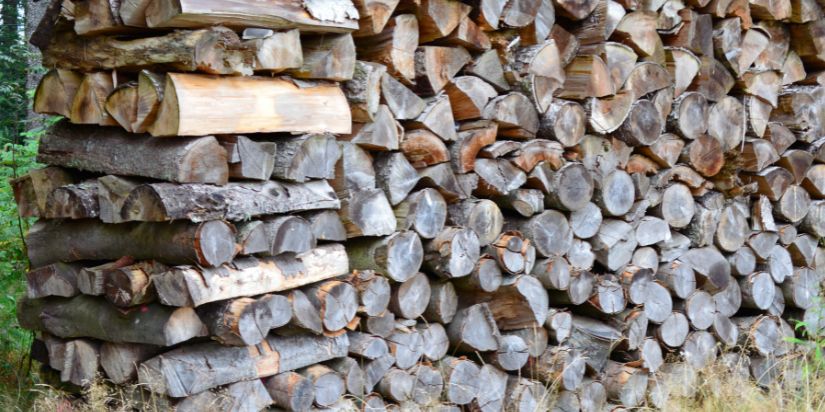
You might see ads for “Green Wood” at a significant discount. It might be tempting to save $50, but buying green wood can be a huge mistake if you plan to burn it immediately.
Green wood is wood that has been freshly cut. It is filled with water—sometimes up to 50% of its weight is moisture! Think about trying to burn a wet sponge. It doesn’t work well. When you throw green wood on a fire, the fire has to waste a ton of energy boiling off the water before the wood can actually burn. This results in a smoky, smoldering fire that produces very little heat.
Seasoned wood has been split and stacked to dry for at least six months to a year. The moisture content drops to around 20% or less. When you burn seasoned wood, it lights easily, burns hot, and produces very little smoke.
How can you tell the difference?
- Color: Seasoned wood looks gray or dark on the ends, while green wood looks fresh and cream-colored.
- Weight: Dry wood is much lighter than wet, green wood.
- Sound: Smack two pieces together. Seasoned wood makes a sharp “clink” sound. Green wood makes a dull “thud.”
- Cracks: Seasoned wood often has cracks (called checks) radiating from the center of the log ends.
If you have space and time, buying green wood in the spring to stack and dry yourself is a great way to save money on your winter fuel. Just don’t try to burn it right away.
How to Measure Your Delivery
Trust but verify. That is the golden rule of buying firewood. When the delivery truck arrives and dumps a pile of logs in your driveway, it looks huge. It is very difficult to eyeball the volume of a loose pile. You won’t know for sure if you got your full face cord of wood until you stack it.
Once the wood is delivered, stack it neatly. Remember the magic numbers: 4 feet high by 8 feet long. If you bought a face cord, your stack should match these dimensions. If the stack only reaches 6 feet long, you were shorted. If it is 4 feet high and 10 feet long, you got a bonus!
If you measure and find you are short, call the seller immediately. Reputable sellers value their reputation and will often drive back out to drop off the missing amount. Taking a picture of the stacked wood with a tape measure visible is good evidence to have.
Do not be shy about doing this. You paid for a specific product, and in the firewood industry, cutting corners (literally and figuratively) does happen. Being known as a customer who checks their measurements ensures you will get honest loads in the future.
Steps to Verify Your Load
- Stack Immediately: Do not leave it in a pile.
- Use a Tape Measure: Measure height and length.
- Check Depth: Measure a few logs to ensure they are the agreed-upon length (e.g., 16 inches).
- Calculate: Height x Length should equal 32 square feet for the face.
- Contact Seller: If there is a discrepancy, reach out politely but firmly.
Best Practices for Stacking Firewood
Stacking wood is an art form. A properly stacked face cord of wood dries faster, stays dry, and discourages pests. Plus, it just looks nice in your yard.
Location is key. You want a spot that gets plenty of sun and has good airflow. The sun heats the wood to evaporate moisture, and the wind whisks that moisture away. Avoid stacking wood in deep shade or under dense trees where it will stay damp.
Keep it off the ground. Wood acts like a sponge. If you stack it directly on the soil, the bottom layer will wick up moisture and rot. Use a firewood rack, old pallets, or even pressure-treated 2x4s to raise the stack a few inches off the ground. This also helps air circulate under the pile.
Stack loosely but securely. You want the logs close enough so the pile doesn’t tumble over, but loose enough that air can flow through the stack. Orientation matters, too. If possible, stack the wood with the cut ends facing the prevailing wind.
Cover the top, not the sides. This is a common mistake. People wrap their entire wood pile in a blue tarp like a burrito. This traps moisture inside and causes mold. You only want to cover the top of the stack to keep rain and snow off. Leave the sides completely open so the wind can do its job.
Keeping Pests Away From Your Home
Firewood is a natural home for bugs. Spiders, ants, beetles, and termites love a good wood pile. When you bring a face cord of wood onto your property, you need to manage the pest risk, especially if you are storing the wood near your house.
The general rule is: Store wood at least 30 feet away from your home. If you stack wood right up against your siding, you are building a bridge for termites and carpenter ants to walk right into your house.
Only bring enough wood inside for a day or two. When you bring wood indoors, the warmth wakes up any dormant bugs hiding in the bark. If you burn the wood within 24 hours, those bugs go into the fire. If you let the wood sit in your living room for a week, they might crawl out and explore your home.
Never spray your firewood with pesticides. When you burn that wood later, those chemicals will be released into the air inside your home, which can be dangerous to breathe.
Environmental Considerations
Using wood for heat is a practice as old as humanity, but in the modern world, we need to think about the environmental impact. Burning wood releases particulate matter into the air, which can contribute to smog and respiratory issues.
To minimize your footprint, always burn dry, seasoned wood. As we mentioned, it burns cleaner and hotter. A hot fire produces less smoke. If you see dark, heavy smoke pouring out of your chimney, your fire is not burning efficiently.
Consider your stove. Modern EPA-certified wood stoves are incredibly efficient. They use catalytic combustors or secondary burn tubes to burn off the smoke before it leaves the chimney. This means you get more heat from your face cord of wood and put less pollution into the air.
Also, be mindful of where your wood comes from. Buying locally sourced firewood prevents the spread of invasive species. Bugs like the Emerald Ash Borer or the Asian Longhorned Beetle can travel hundreds of miles in the back of a truck, devastating new forests.
Buying Firewood Online vs. Locally
In the digital age, you can order almost anything online, including firewood. A quick search for “face cord of wood near me” will bring up local landscapers, tree services, and even specialized firewood delivery companies.
Local Sellers (Craigslist, Facebook Marketplace, Word of Mouth):
- Pros: Usually cheaper. You can often go inspect the wood before buying. Supports local small businesses.
- Cons: Quality can be inconsistent. “Seasoned” might not actually be seasoned. Delivery might be unreliable.
Professional Firewood Companies:
- Pros: Consistent quality. often kiln-dried (super dry) wood options. Reliable delivery schedules. Professional receipts.
- Cons: significantly more expensive.
If you are buying from a stranger on a marketplace app, be cautious. Never pay upfront. Pay only when the wood is delivered and you are satisfied with the look of it. Ask questions about when the wood was cut and what species it is. A seller who can’t answer these questions probably doesn’t know their product.
Tools You Might Need
Once you have purchased your face cord of wood, a few tools will make your life easier.
- Work Gloves: Wood is rough. Splinters are painful. A good pair of leather gloves is essential for stacking and carrying logs.
- Wheelbarrow or Garden Cart: Moving wood from your delivery spot to your stack, or from your stack to your house, is back-breaking work without wheels.
- Moisture Meter: This is a nifty little gadget available at most hardware stores for around $20. You poke the prongs into a log, and it tells you the moisture percentage. It’s the only scientific way to know if your wood is truly seasoned.
- Hatchet or Kindling Splitter: Even with a face cord of split logs, you often need smaller pieces to start the fire.
- Canvas Log Carrier: This helps you carry multiple logs into the house without getting bark and dirt all over your clothes and floor.
Troubleshooting Common Firewood Issues
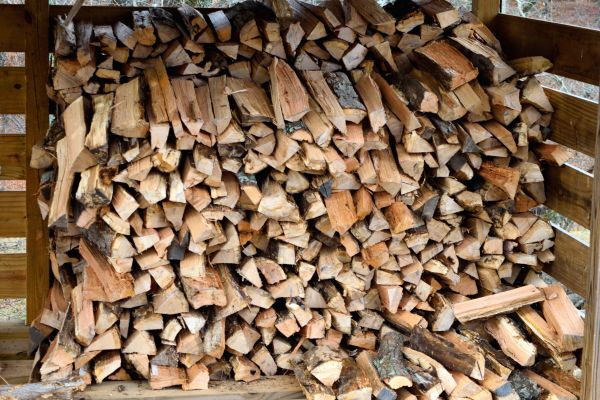
Even with the best preparation, things can go wrong. Here are a few common issues and how to fix them.
- The wood won’t light. It is likely wet. Try splitting a log into smaller pieces to expose the dry inner wood. Use more kindling and get a hot bed of coals going before adding larger logs.
- The fire is smoky. This is also a sign of wet wood or poor airflow. Open your stove’s damper to let more air in.
- The wood hisses. If you hear a hissing sound and see water bubbling out of the ends of the logs, your wood is not seasoned. You need to let it dry longer.
- Mold on the wood. This happens if wood is covered too tightly. Remove the tarp and let the sun and wind dry it out. Surface mold usually burns off and isn’t a huge deal, but avoid breathing it in.
Is a Face Cord Enough for Winter?
This is the million-dollar question. Will one face cord of wood get you through the winter? The answer depends entirely on your habits.
If you only light a fire on Christmas Eve and occasional Saturday nights for atmosphere, a single face cord might last you two or three years.
However, if you use a wood stove to supplement your heating and burn fires 3-4 nights a week, a face cord might only last you a month or two.
If you rely on wood as your primary heat source, living in a cold climate, you will likely need anywhere from 3 to 6 full cords of wood for the season. That is roughly 9 to 18 face cords! It is always better to overbuy than to run out in February when prices are high and supplies are low.
Recommended Quantities
- Occasional Ambiance: 1/2 Face Cord to 1 Face Cord
- Supplemental Heat (Evenings/Weekends): 2 to 4 Face Cords
- Primary Heat Source: 10+ Face Cords (approx. 3-4 Full Cords)
Conclusion
Buying firewood doesn’t have to be a guessing game. Now that you understand what a face cord of wood is—a stack 4 feet high and 8 feet long with a depth of one log—you can shop with confidence. Remember to check the log length, ask about seasoning, and always inspect your delivery.
Whether you are looking to save money on heating bills or just want to create cozy memories with your family, getting the right wood at the right price is the first step. So, grab your gloves, clear a space in the yard, and get ready to enjoy the warmth of a well-built fire.
If you are looking for more tips on home living and smart purchasing decisions, be sure to check out helpful resources like Forbes Planet. They offer great insights that can help you manage your home and budget effectively.
For a deeper dive into the history and specifics of wood measurements, you can visit the Wikipedia page on Firewood. It covers the evolution of units like the cord and face cord of wood, giving you even more trivia to share around your next bonfire.
Related Posts



Stay Informed With the Latest & Most Important News
Previous Post
Next Post










Advertisement